
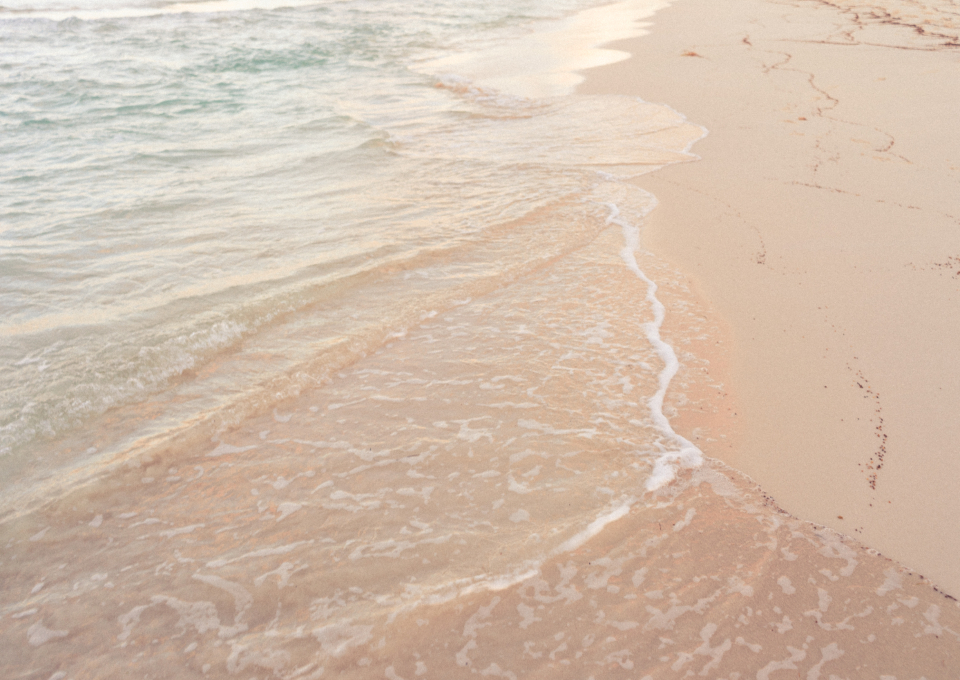

Most people picture the beaches near Orlando or Miami when they think of crystal-clear Florida water. The reality is far more interesting. Tucked off the Gulf Coast near the town of Dunedin, Caladesi Island State Park holds a quiet reputation among those in the know as home to some of the most transparent, brilliantly colored water anywhere in the state.
It’s not loud about it. There’s no marketing campaign, no beachfront hotel strip, no boardwalk selling souvenir T-shirts. Getting there requires a ferry ride and a bit of planning. For many visitors, that deliberate effort is part of what makes it feel so extraordinary when they finally step onto the sand.
A Beach That Earned Its Status Through Real Rankings
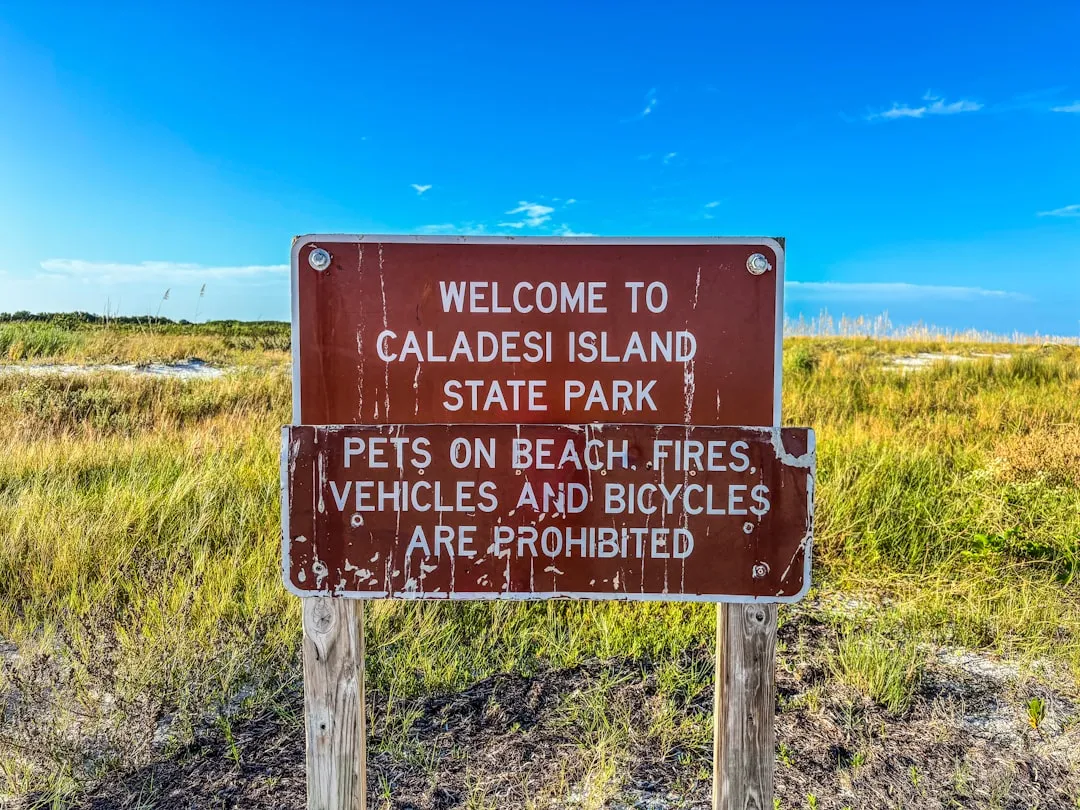
Caladesi Island State Park was named one of the best beaches in the United States by Condé Nast Traveler in 2025, and it was ranked the No. 2 beach in the nation by Dr. Beach in 2022. These aren’t participation ribbons. Dr. Beach, the widely followed beach-ranking system run by coastal scientist Dr. Stephen Leatherman, judges on measurable criteria including water quality, sand quality, and environmental management.
Dr. Beach, also known as Dr. Stephen P. Leatherman, head of the National Healthy Beaches Campaign, consistently ranks the island as one of the nation’s top 10 beaches, specifically citing water quality as a key factor. Caladesi’s three-mile-long, undisturbed beach has been on Dr. Beach’s top 10 list for several consecutive years.
Why the Water Here Looks Different
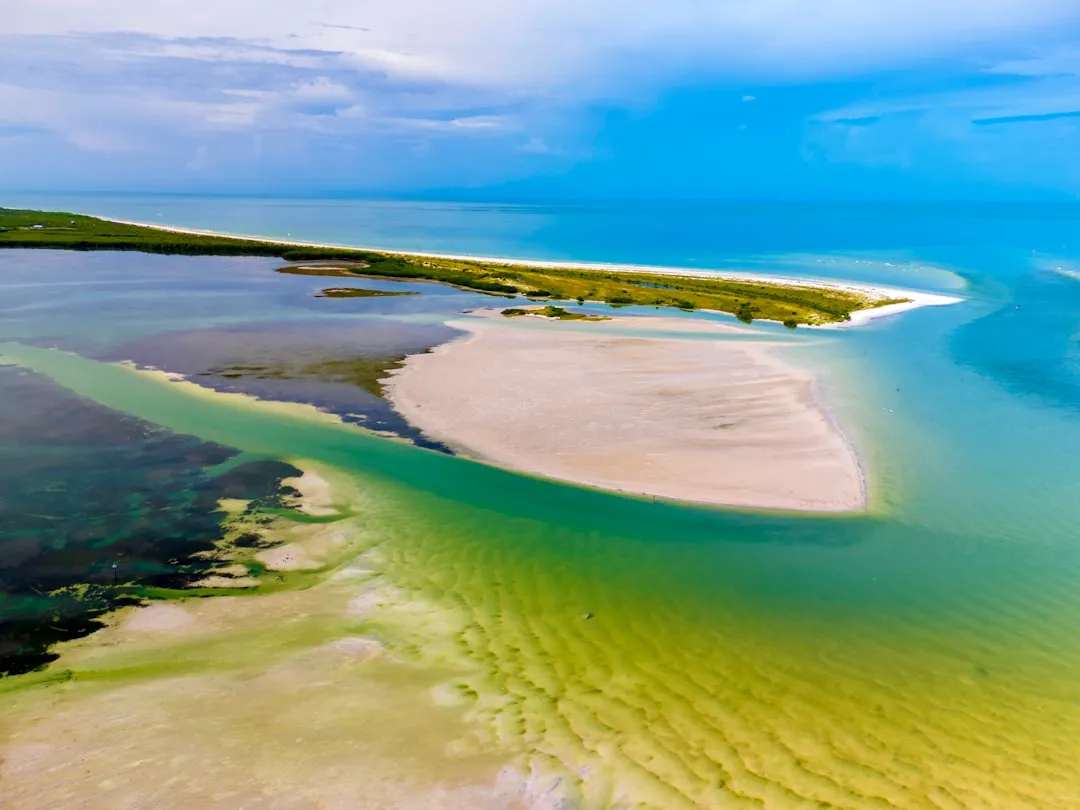
The water at Caladesi is glorious: sparkling clear, emerald-hued and shallow. It’s a natural beach, so expect some seagrass. That seagrass is actually part of the story. Healthy seagrass beds anchor sediment on the seafloor, which keeps particles from floating up and clouding the water column.
There are no condos or hotels to disrupt the natural environment, just white-sand beaches gleaming in the sun. Beyond the beach, dunes with beach elders and sea oats fill the landscape, gopher tortoises make their homes in the woods, and mangrove forests teeming with aquatic life hug the shoreline. All of that undisturbed habitat reduces runoff and keeps pollutants from ever reaching the shore.
You Can Only Get There by Boat
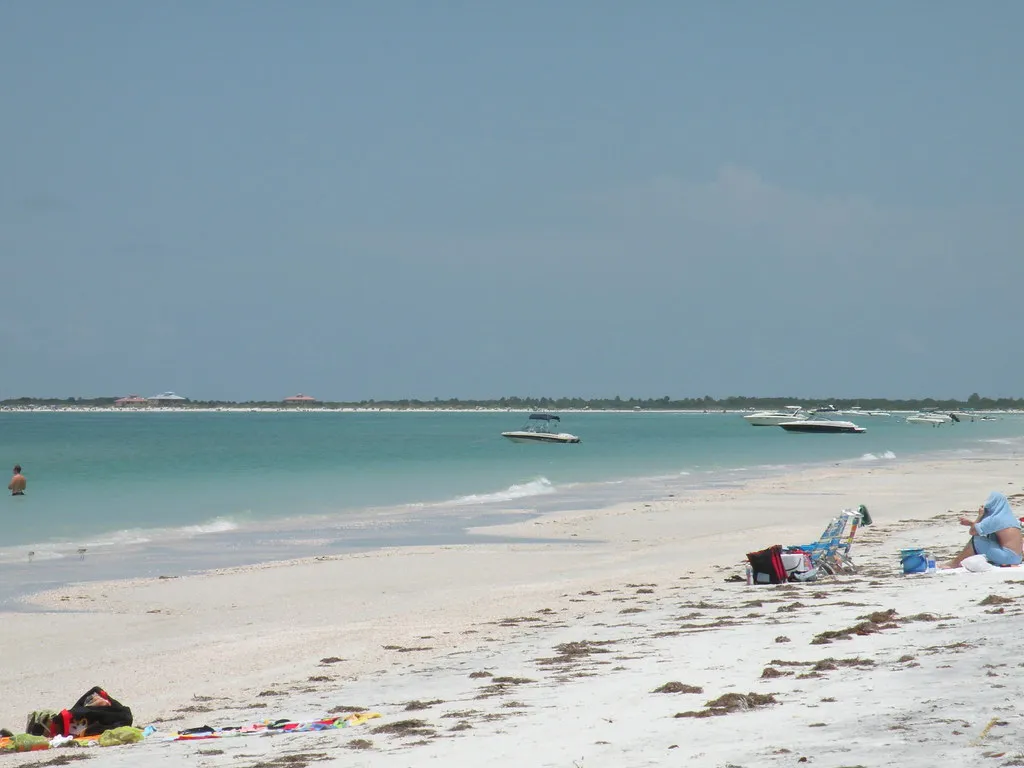
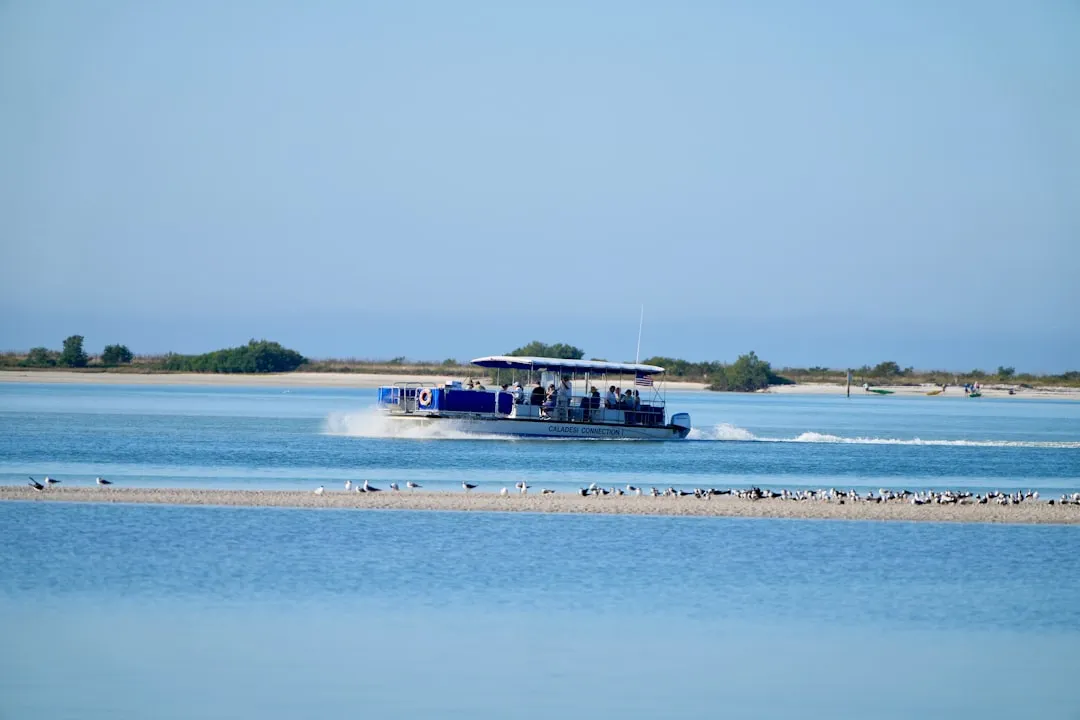
Caladesi Island State Park, west of Dunedin and north of Clearwater Beach, is a haven for nature lovers and families looking for serene, uncrowded beaches. Visitors can reach Caladesi Island by taking a 20-minute ferry ride from Honeymoon Island just south of it.
Caladesi is reachable only by passenger ferry or other boat, and the 20-minute ferry ride adds to the anticipation and pleasure of the day and tends to limit the number of people who head to the island. That natural crowd filter is a major reason the water stays as pristine as it does. Fewer people, less disturbance.
A Hurricane Split This Island from Its Neighbor
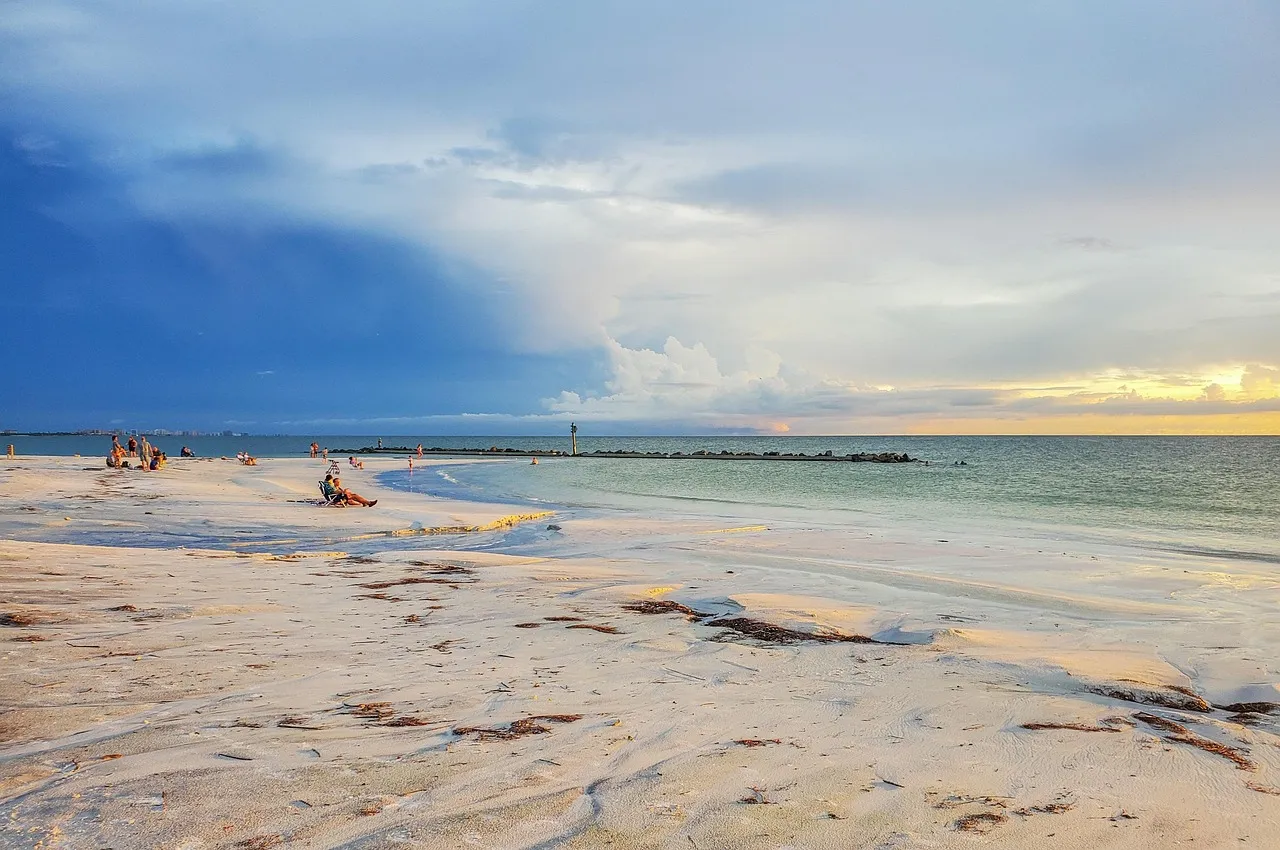
Caladesi Island and Honeymoon Island used to be one big island. In 1921, a strong hurricane split them apart, creating a new waterway called Hurricane Pass. That geological backstory isn’t just trivia. Hurricane Pass naturally flushes and circulates water between the Gulf and the bay, which contributes to the clarity and cleanliness of the waters surrounding Caladesi.
The island’s relative isolation following that split also meant it was largely spared from the coastal development that transformed so much of Florida’s shoreline through the 20th century. What looks like luck is actually a confluence of geography and history.
The State Park Infrastructure That Protects It
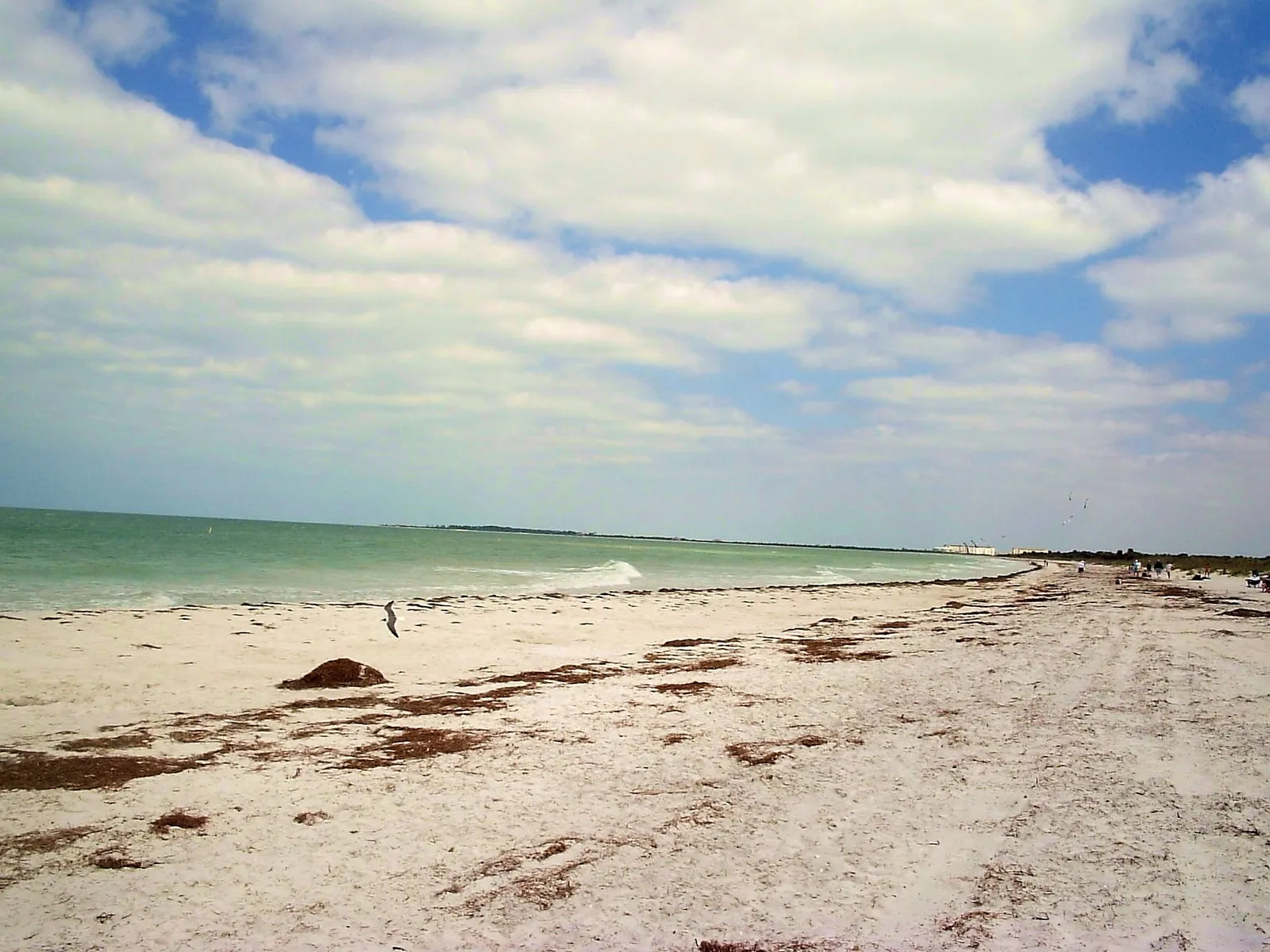
One of the few untouched islands along the Gulf Coast, Caladesi Island State Park is accessible only by boat, but is worth the extra effort. State park designation means strict protections are enforced, including limits on development, regulated visitor access, and active habitat management.
As of late June 2026, Caladesi Island State Park is open for day-use visitors and ferry service from Honeymoon Island has resumed, though some limitations remain in effect due to storm damage from Hurricane Helene. The park continues operating through ongoing restoration, which is a testament to its enduring importance as a protected coastal ecosystem.
What You’ll Actually See in the Water
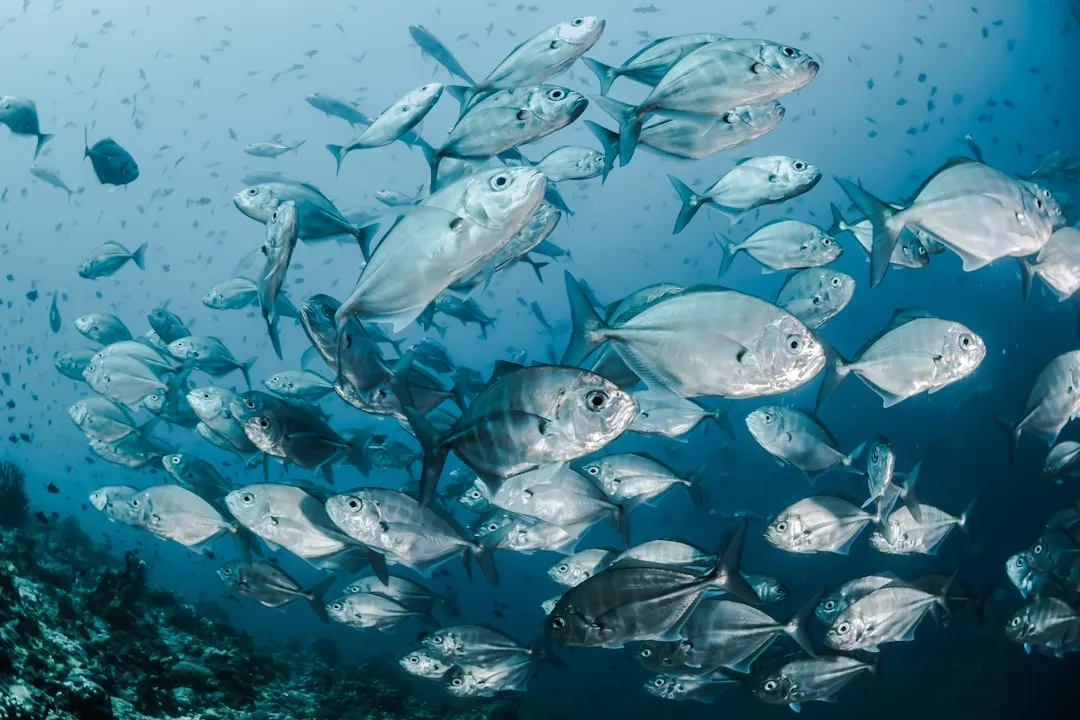
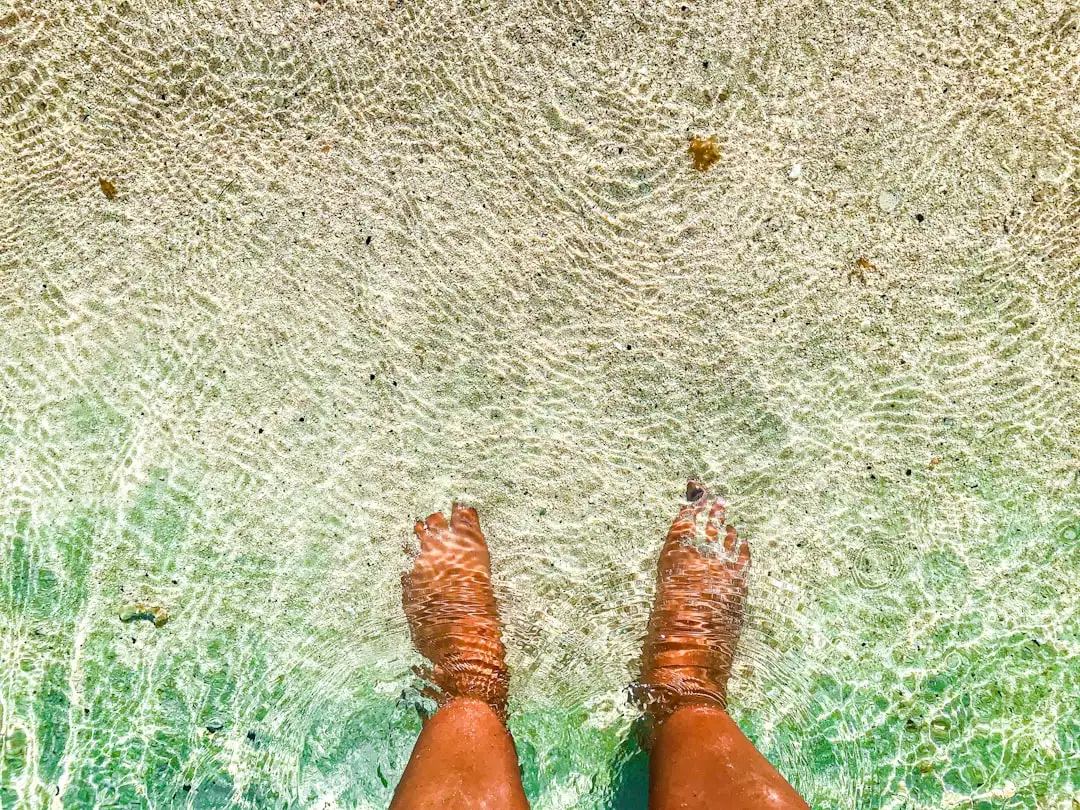
Visitors can rent a beach chair and relax, go fishing, look for shells, take a kayak or paddleboard out on the water, watch for dolphins, and surf from the north shore. In the shallows, it’s common to spot fish moving through the seagrass just beneath your feet, visible without any mask or snorkel.
Whether it’s a stroll along the island’s pristine beaches or a kayak trip through the bayside mangrove forest, a trip to Caladesi Island is an unforgettable experience. Walking the boardwalks leads to quiet Gulf beaches with blue-green waters perfect for swimming or relaxing. The mangrove-lined bay side tells a completely different visual story from the open Gulf side, and exploring both in one visit is very much worth the effort.
The Island Has a Human History Too
A long time ago, in the 1880s, a family lived on the island. Henry Scharrer and his daughter Myrtle made their home there. When she was 87, Myrtle Scharrer Betz wrote a book called “Yesteryear I Lived in Paradise,” sharing stories about her life on the island.
The interior of the 650-acre island has a 2.5-mile trail through ecosystems that include a slash-pine forest, and the trail passes the site of the Scharrer family homestead, which was established in the early 1800s. Walking that trail gives the visit a depth that pure beach tourism rarely offers.
Wildlife Beyond the Waterline
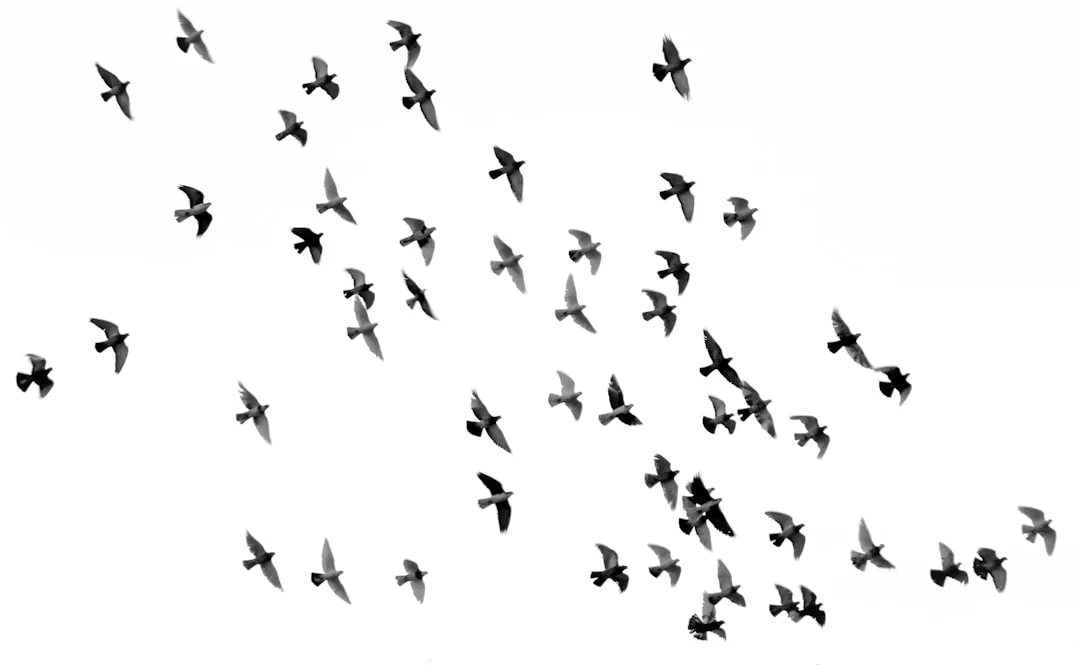
Dunes with beach elders and sea oats fill the landscape, gopher tortoises make their homes in the woods, and mangrove forests teeming with aquatic life hug the shoreline. Birdwatching here is genuinely rewarding, not incidental.
Home to a bird sanctuary, Caladesi is part of the Great Florida Birding Trail. Hikers on the Beach Loop and Hammock Loop trails have a real chance of spotting rare bird species. The island serves as a nesting and stopover habitat for migratory birds, which means timing a visit during spring migration adds a whole separate dimension to the experience.
When to Go for the Best Water Clarity
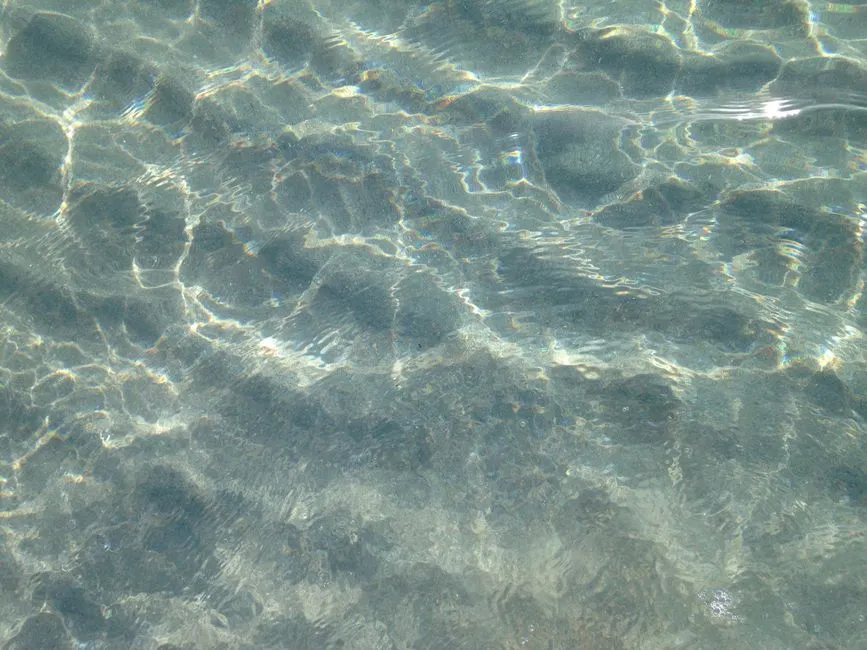
Water clarity in Florida depends on season, beach type, and local wind conditions. April to June is the clearest window, with spring delivering the most transparent Gulf water before the summer storm season begins.
It’s important to note that the water isn’t always perfect. After a storm, the water gets churned up and the sediment disperses throughout, making the water murky, and it often takes a few days to settle back to its beautiful clarity. Checking local weather and wind forecasts a few days before your trip is genuinely useful, not just precautionary.
What Makes Caladesi Different from the Dry Tortugas
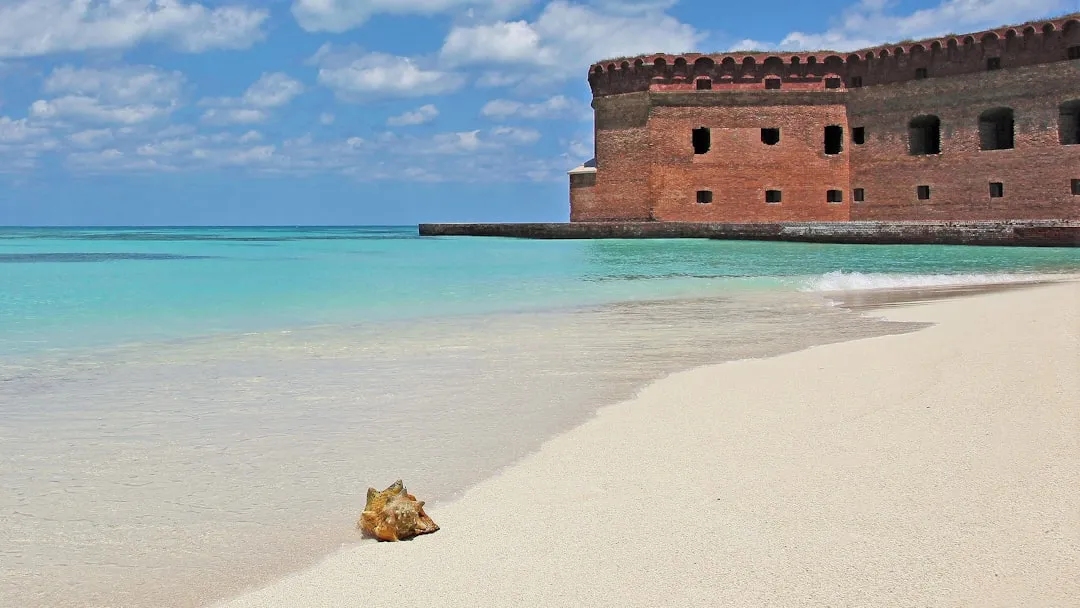
Florida does have other contenders for clearest water. Dry Tortugas National Park has beaches with the clearest water in Florida, and thanks to its protected status and remote island location, water in the Dry Tortugas is exceptionally clean and clear. Visibility there can reach up to 100 feet.
The key difference is accessibility. Dry Tortugas National Park is about 70 miles west of Key West, and it’s tricky to get to because you have to either fly or take a boat. Caladesi offers that same quality of protected, undeveloped island beauty with a 20-minute ferry ride from the mainland rather than a full-day expedition. For most travelers, that’s the deciding factor.
A Quiet Closing Thought
Caladesi Island is the kind of place that rewards those who go looking for it deliberately. The water clarity isn’t an accident. It’s the result of protection, geography, limited access, and intact ecosystems working together over decades. Florida’s last undeveloped barrier island offers pristine beaches, clear waters, and a serene escape accessible by ferry or kayak.
There will always be flashier beaches with bigger amenities. Caladesi offers something rarer in Florida: a shoreline that looks almost exactly as it did a century ago. That, more than any ranking or superlative, is what keeps people coming back.
AI Disclaimer: This article was created with the assistance of AI tools and reviewed by a human editor.