
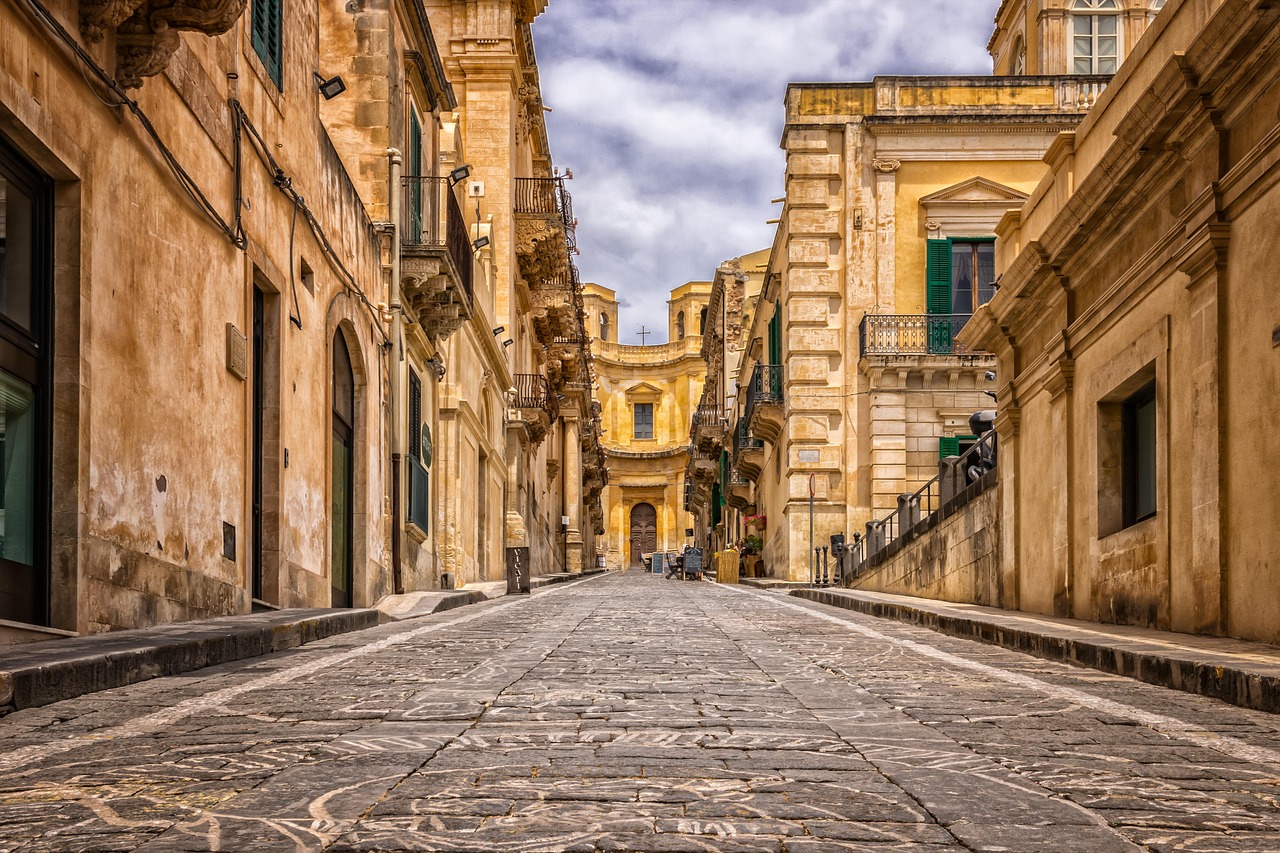

Palermo has a way of quietly disproving every assumption you arrive with. You might expect a polished Italian food scene, pristine menus, and white tablecloths. What you find instead, at the beating heart of this ancient city, is something far more alive: a labyrinth of market alleys where the real cooking has been happening for over a thousand years.
The place is Mercato di Ballarò, and anyone who has spent serious time eating their way through Italy will eventually point back here. It is not the only reason Palermo earns its reputation, but it is the most honest one. The Ballarò Market is a lively hub of history, culture, and food, and Sicily has long been a crossroads for history and cuisine, with Ballarò as its purest reflection of cultural exchange.
A Market That Is Older Than the Country Itself
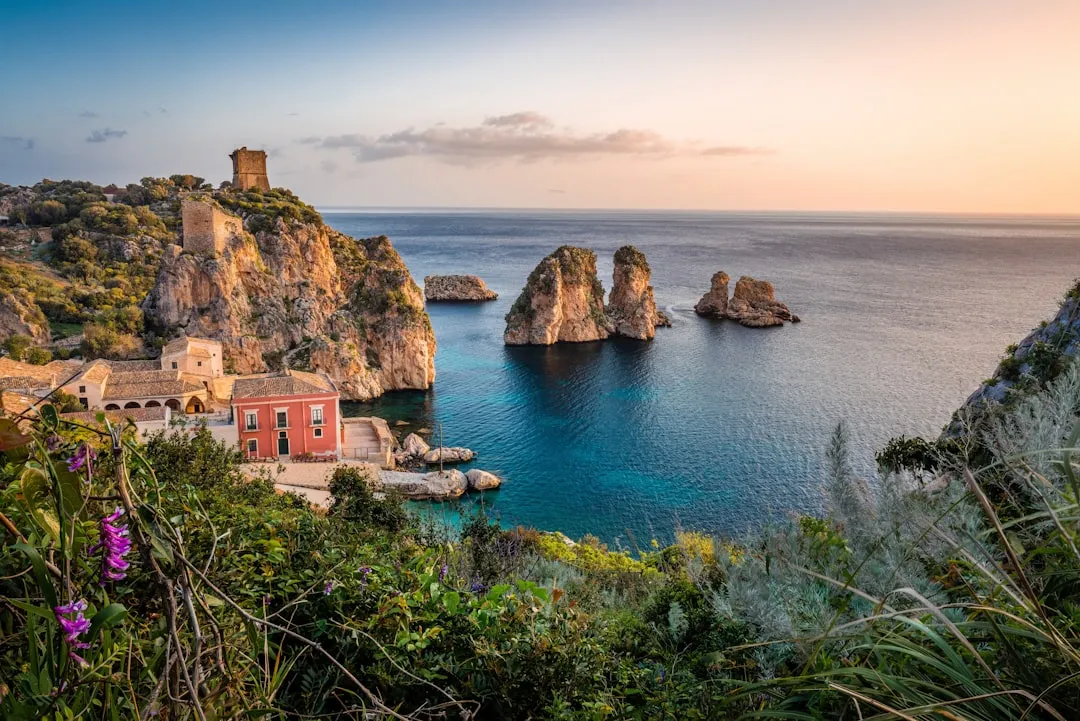
The origins of the market date back to the 10th century during Arab domination in Sicily. The name Ballarò derives from the Arabic term Balhara, which was the name of the village of Arab merchants who sold spices and various products there.
It reflects Sicily’s deep historical roots and multicultural heritage of the Arab-Norman period. The name is said to be taken from Bahlara, a village near Monreale where many of the first vendors came from, which underscores the market’s continually close connection to the area’s agricultural communities.
By the time of the Italian Renaissance, the Ballarò was a well-established market in the beating heart of Palermo. Throughout the centuries it has been crisscrossed by many ethnic groups, including Arabs, Greeks, Jews, and Normans. Italy as a unified nation has existed since 1861. Ballarò has been feeding people for roughly nine centuries before that.
The Sound of the Market Is Part of the Food
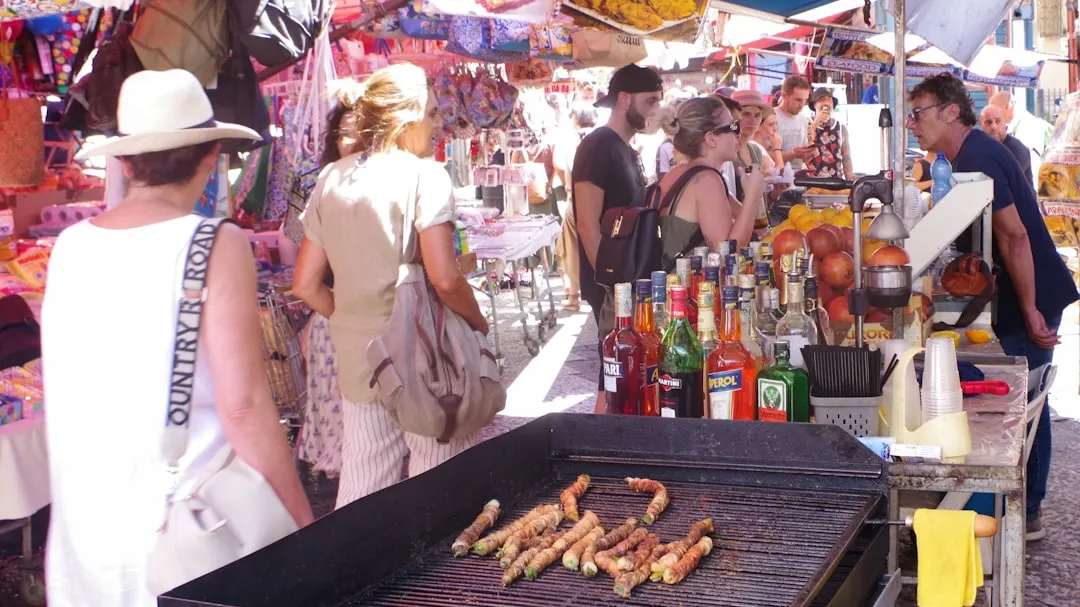
There is a tradition of loud, rhythmic, melodic chanting by vendors to attract customers. It is a competitive art form with roots in ancient Arabic souks and is the defining sound of Ballarò. These calls, known locally as abbanniate, are not performance for tourists. They are working communication, refined over generations.
Sometimes you can still hear the traditional “abbanniate,” the melodic calls of vendors trying to draw people to their stalls. These markets have been shaped by Arab, Norman, and Spanish influences and still pulse with the same energy today. You’ll hear vendors shouting their abbanniate as those musical sales calls echo through the alleys.
Why This Market, and Not Another
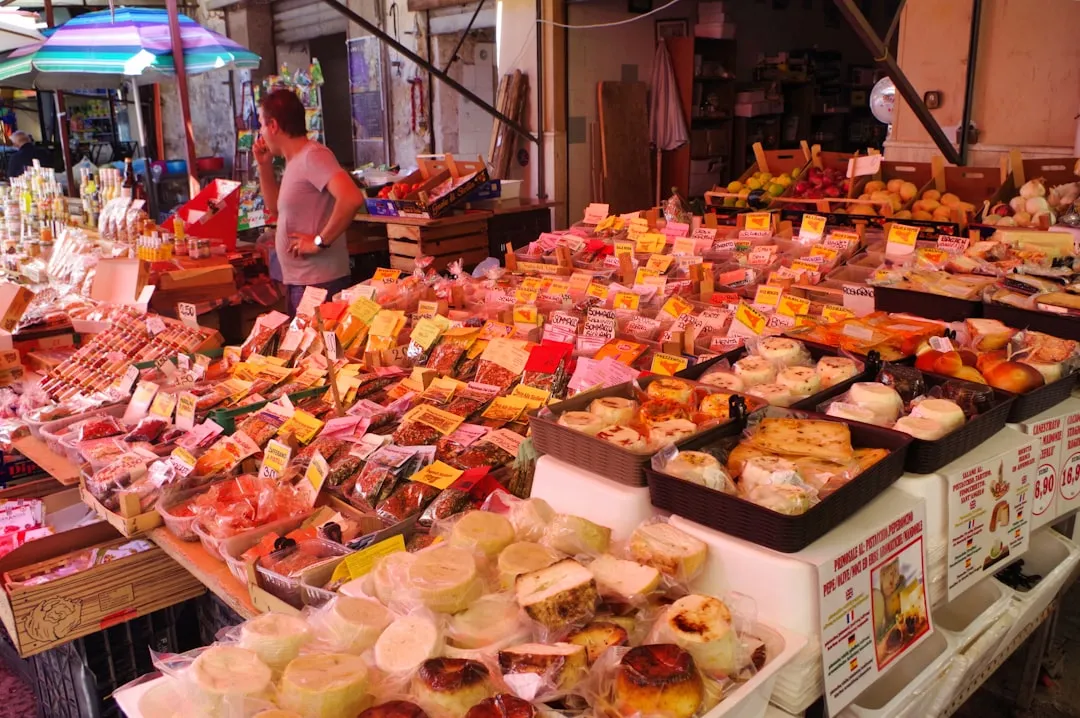
Palermo has three famous historic markets: Ballarò, Vucciria, and Il Capo. Each has its own rhythm. The city’s three great historical markets are not interchangeable food halls. They are distinct characters with their own rhythms, rituals, and non-negotiable hours.
The Ballarò Market is the oldest and largest in the city, spreading from Piazza Casa Professa all the way to Arco di Cutò. Despite some changes and the touristification of the market, Ballarò remains the most authentic market in Palermo and is still part of the daily life of many locals.
Palermo has three amazing local markets, but Ballarò is the largest one. Its sheer scale means more vendors, more variety, and a cross-section of Palermitan food culture that the smaller markets simply cannot replicate.
The Street Food Itself: A Living History Lesson
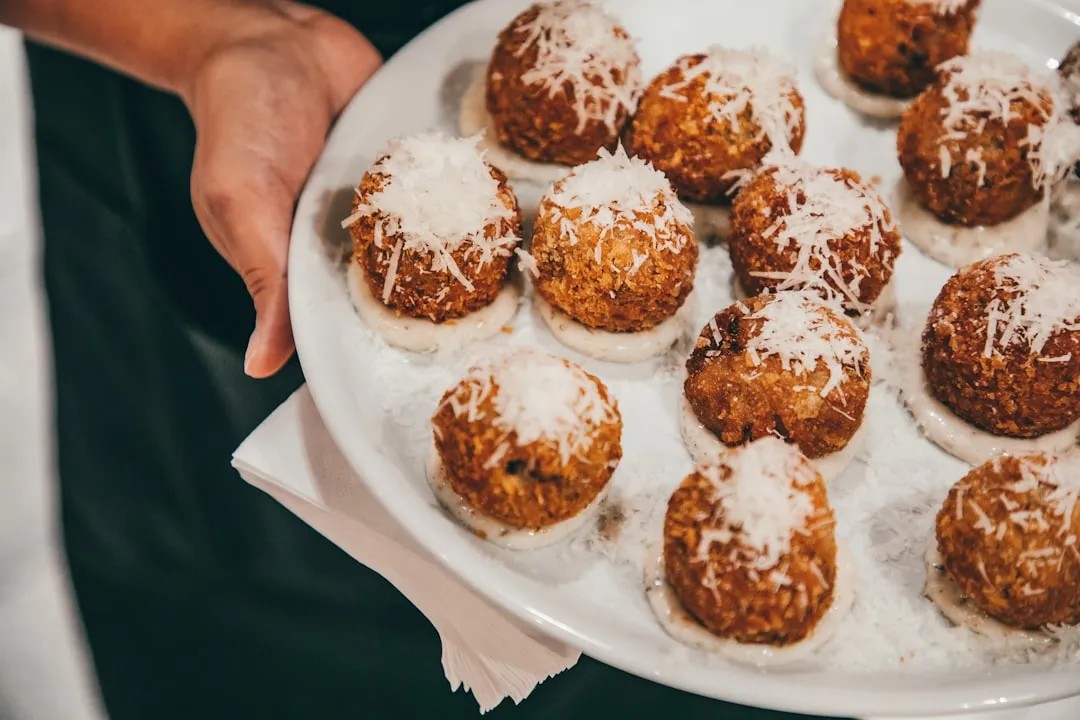
Visitors seeking authentic flavors find more than snacks here: layered culinary traditions, Arab, Norman, Spanish, all expressed through humble fried dough, grilled sardines, and the ubiquitous arancini. Every dish on offer at Ballarò carries a provenance worth knowing.
Arancini reflect Sicily’s Arab and Norman history: the former introduced rice, while the latter introduced breading as a way to keep food preserved for travel. The pani ca meusa, the iconic spleen sandwich, dates back to medieval Jewish butchers in Palermo and can be enjoyed “maritatu,” with cheese, or “schettu,” plain.
The most distinctively Palermitan items to try include frittola, chopped offal cooked in its own fat and served hot; stigghiola, skewered and grilled intestine, usually goat or lamb, seasoned with parsley and onion; and panelle, chickpea fritters served in a soft roll.
Panelle: The Humble Chickpea Fritter That Defines the City
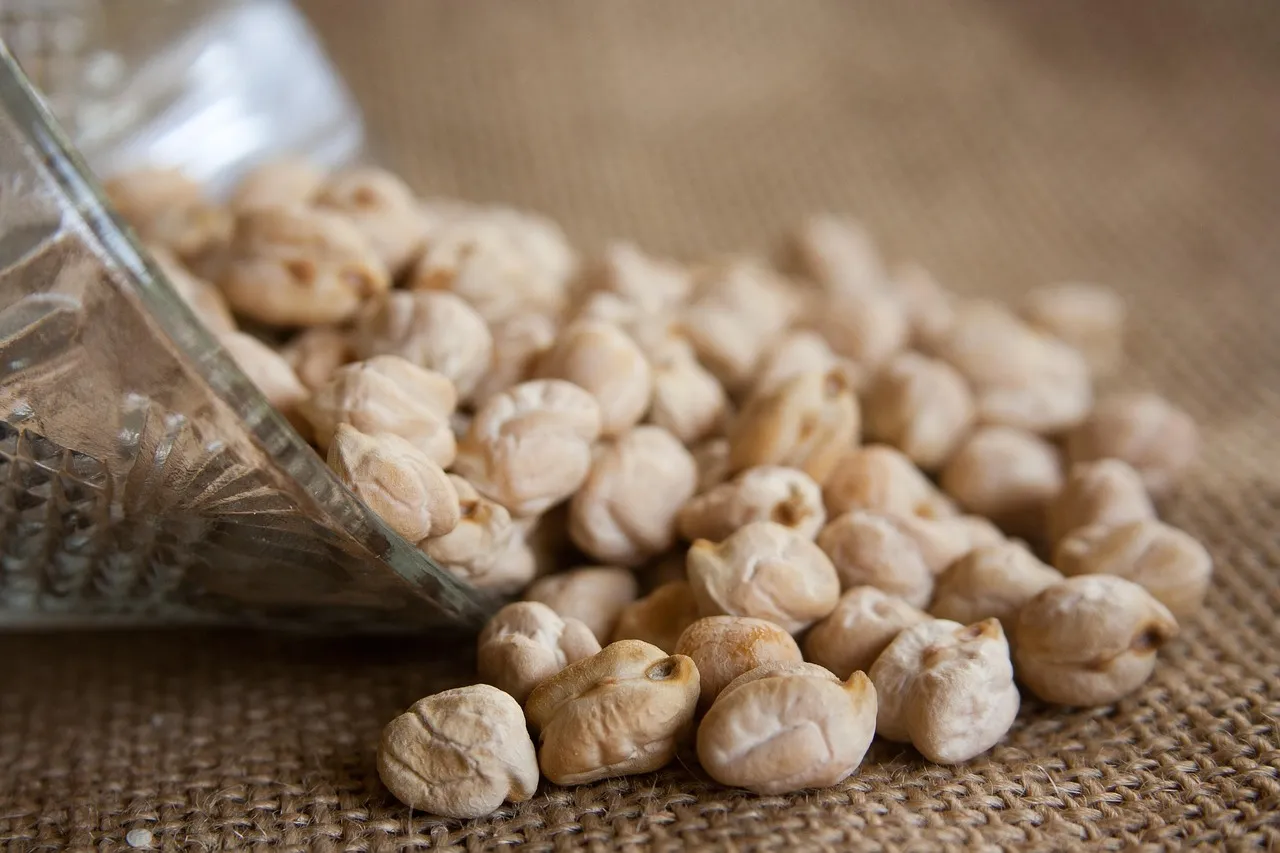
An iconic street food that is a little less challenging is the panino con le panelle, pancakes made from chickpea flour. The preparation is elemental: chickpea flour is mixed with water, salt, and sometimes parsley, pressed thin, then dropped into hot oil until golden. The result is crisp on the outside and dense in the center, almost custardy.
You should also definitely try the panelle, thin flatbreads made from chickpea flour, and the crocchè, potato croquettes. Together, the two are often served in the same soft sesame roll, a combination Palermitans call pane e panelle e crocchè. It costs a few euros and is one of the most satisfying things you can eat standing up in Europe.
Sfincione: Palermo’s Answer to Pizza
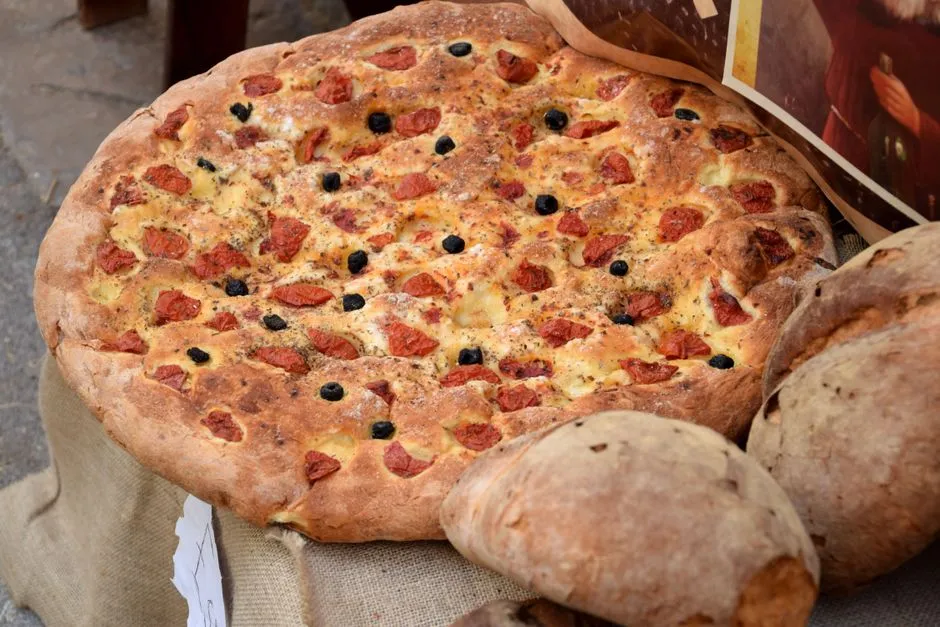
Pane e Sfincione di Marco is one of Ballarò’s well-known vendors for sfincione, one of Palermo’s iconic focaccia-like pizzas topped with tomato sauce, onions, and a light scattering of breadcrumbs. The anchovies that often appear underneath the breadcrumb crust dissolve into the sauce during baking, giving the bread a savory depth that is unmistakably Sicilian.
Sfincione, a thick Sicilian pizza base topped with tomato, onion, and breadcrumbs, appears at dedicated stalls and is filling and cheap. It is worth noting that sfincione here has nothing to do with the lighter Roman pizza al taglio sold across the rest of Italy. This is a product of its own tradition, dense and richly fragrant with oregano.
The Produce Stalls Tell Their Own Story
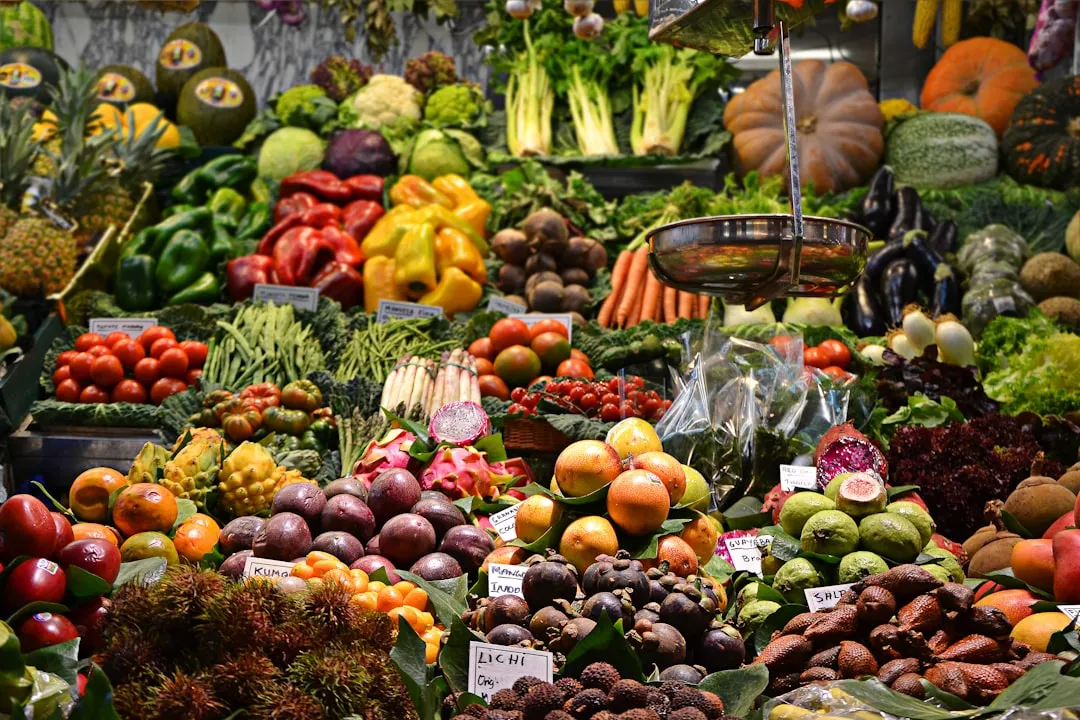
Ballarò is overflowing with produce: blood oranges, prickly pears, mountains of zucchini, and glistening eggplants. These are not decorative displays. Local farmers from the surrounding countryside bring their harvests in each morning, and what you see on the stalls reflects what is genuinely in season on the island.
The Ballarò market, which has existed since Arab times, still serves as Palermo’s main market, especially known for its fresh fruits and vegetables delivered daily from the surrounding countryside. You can also pick up local cheeses like pecorino or caciocavallo, dried oregano, sun-dried tomatoes, and jars of olives. For a cook, this is not a market to browse. It’s a market to take seriously.
The Right Time to Arrive
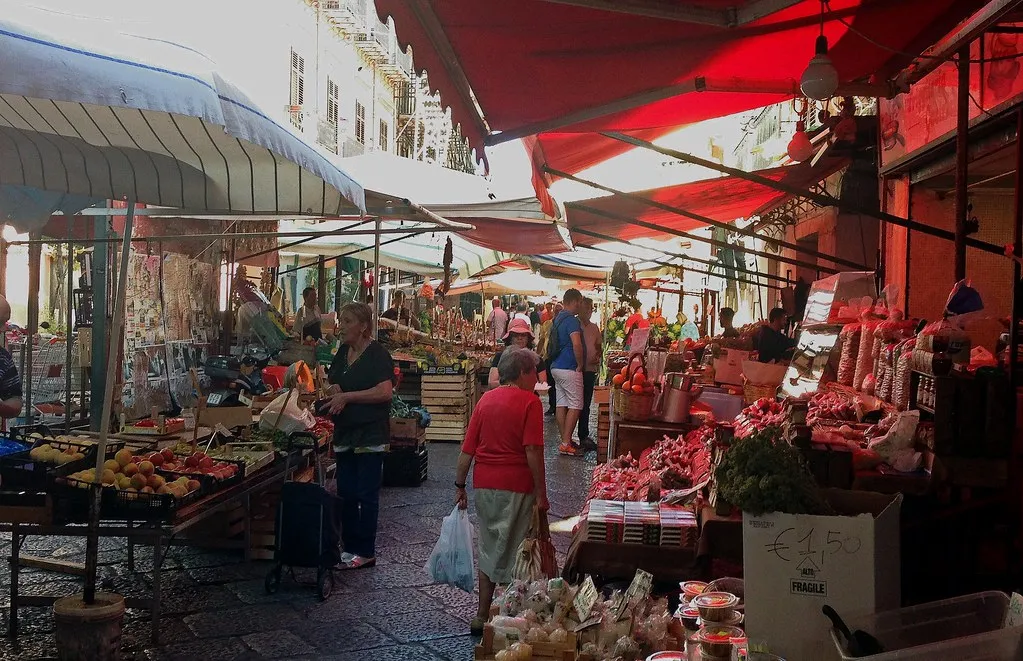
Timing matters at Ballarò more than people realize. For the most authentic experience, visit the market in the morning, when the crowds are at their biggest and the atmosphere is at its most intense. The fish vendors are set up early, the bread stalls are fresh from the oven, and the vendor chants reach their peak volume.
The Ballarò Market is open every day, and morning tends to be the top time to get your hands on the freshest produce and seafood. If you’re planning to eat at Ballarò, it’s better to arrive before 11:00 AM, when a lot of vendors start their lunch service, allowing you to get in early and avoid the midday crowds.
In the evening, parts of the market are transformed into an open-air tavern where locals end the day with wine and grilled fish. Both visits offer something genuine, but they offer different things. The morning is raw and functional. The evening is something closer to a neighborhood ritual.
A Culture of Layered Civilizations on a Plate
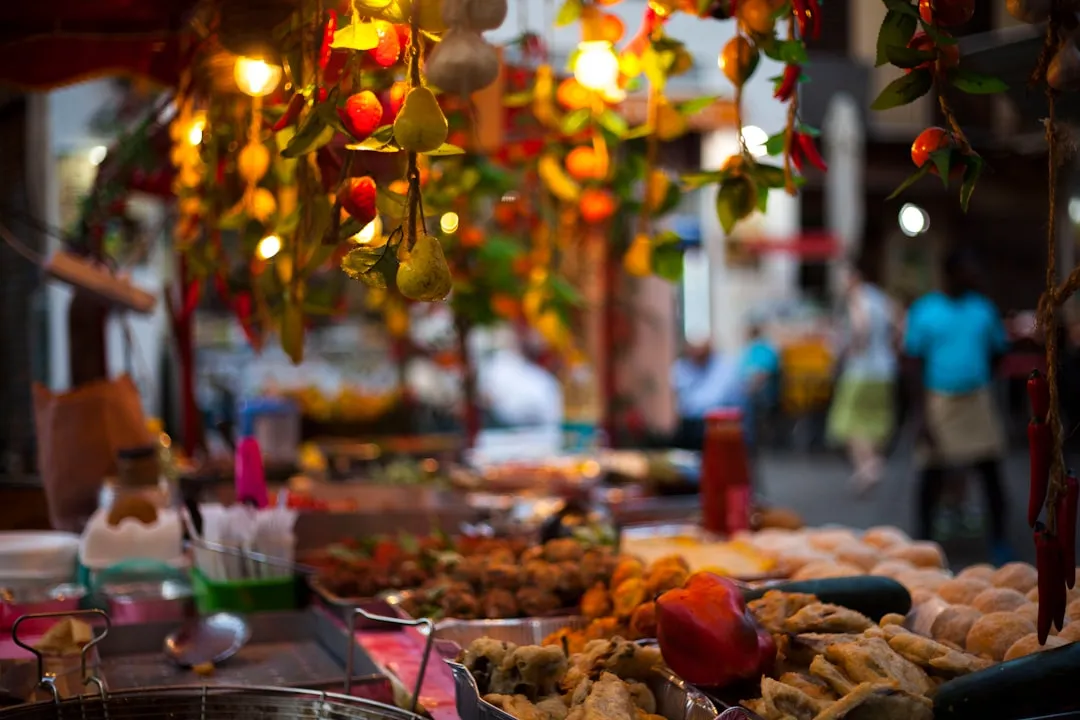
These markets carry a thousand years of layered history. The Arabs ruled Palermo for over two centuries, and you can still hear it: the very word Ballarò likely comes from Arabic, and the markets’ shouting, haggling, and souk-like alleys feel closer to North Africa than to mainland Italy. Spanish, Norman, and Greek influences pile on top. The result is a street food culture unlike anywhere else in Europe.
Ancient Greek influences, Arab spices, Norman opulence, and Spanish traditions have long made Sicily’s largest city a chaotic mix of cultures. In recent years, this blend has been elevated by a new wave of chefs and restaurateurs who reinterpret tradition while staying true to the essence of the island. Ballarò sits at the center of that inheritance.
What Keeps It Real
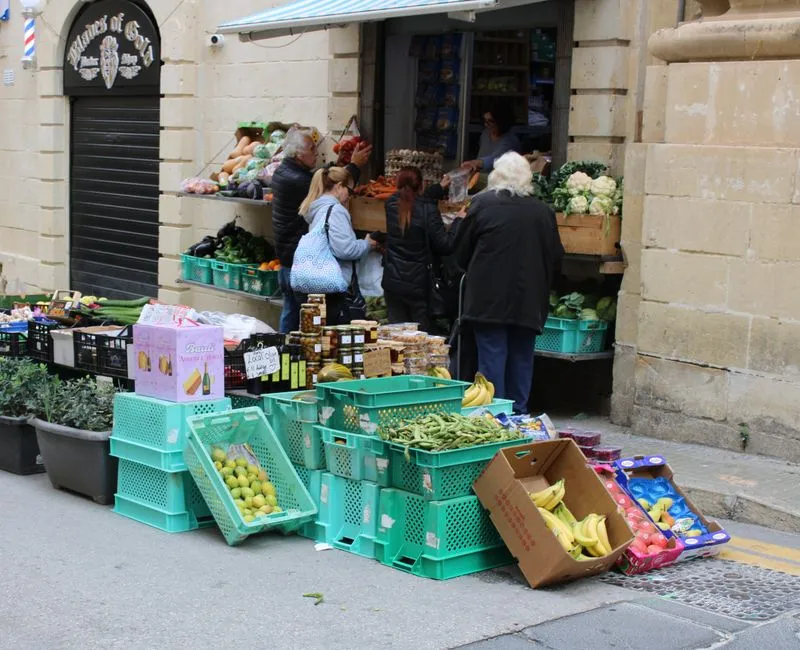
Even today, Ballarò is a very popular and lively market, considered by many Palermitans as the best place to buy food in Palermo, despite the presence of large shopping centres. That loyalty from local residents is the most reliable measure of a food market’s authenticity. Tourists cycle through; locals keep coming back.
Despite some changes and the touristification of the market, Ballarò remains the most authentic market in Palermo and is still part of the daily life of many locals to buy fresh produce, meat, fish, spices, prepared meals, and street food for a quick lunch. Following the queues, watching for busy counters, and opting for stalls with high turnover are practical tips shared by Palermo chefs and long-time residents. That advice holds.
The Takeaway
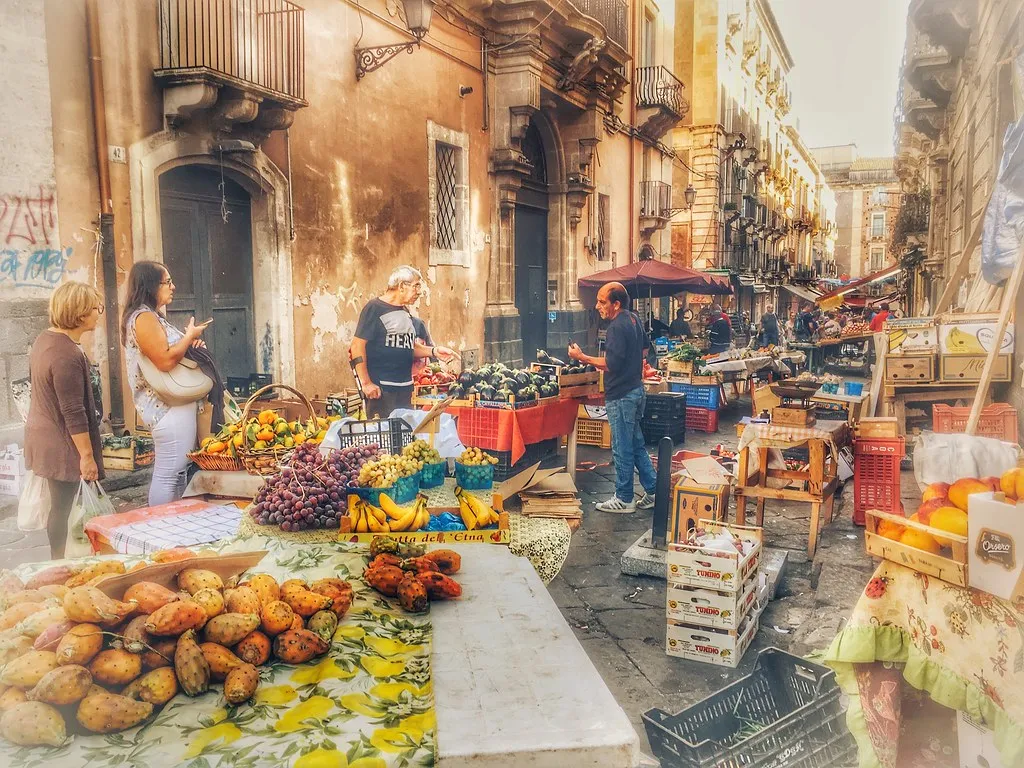
Ballarò does not ask for your attention. It simply exists, loudly and unapologetically, the way it has for more than ten centuries. The stalls change with the seasons, the vendors change across generations, but the underlying logic stays the same: good ingredients, simple preparation, deep roots.
If you want to understand why so many chefs, food writers, and serious travelers trace their best Italian meal not to a white-tablecloth restaurant but to a paper-wrapped fritter eaten standing in a Sicilian alley, Ballarò is the answer. Walking through the outdoor shops and stands, you will be in front of a real example of daily life in Sicily, a melting pot of different cultures and ancient popular traditions. That is, in the end, what the best food has always been.
AI Disclaimer: This article was created with the assistance of AI tools and reviewed by a human editor.