
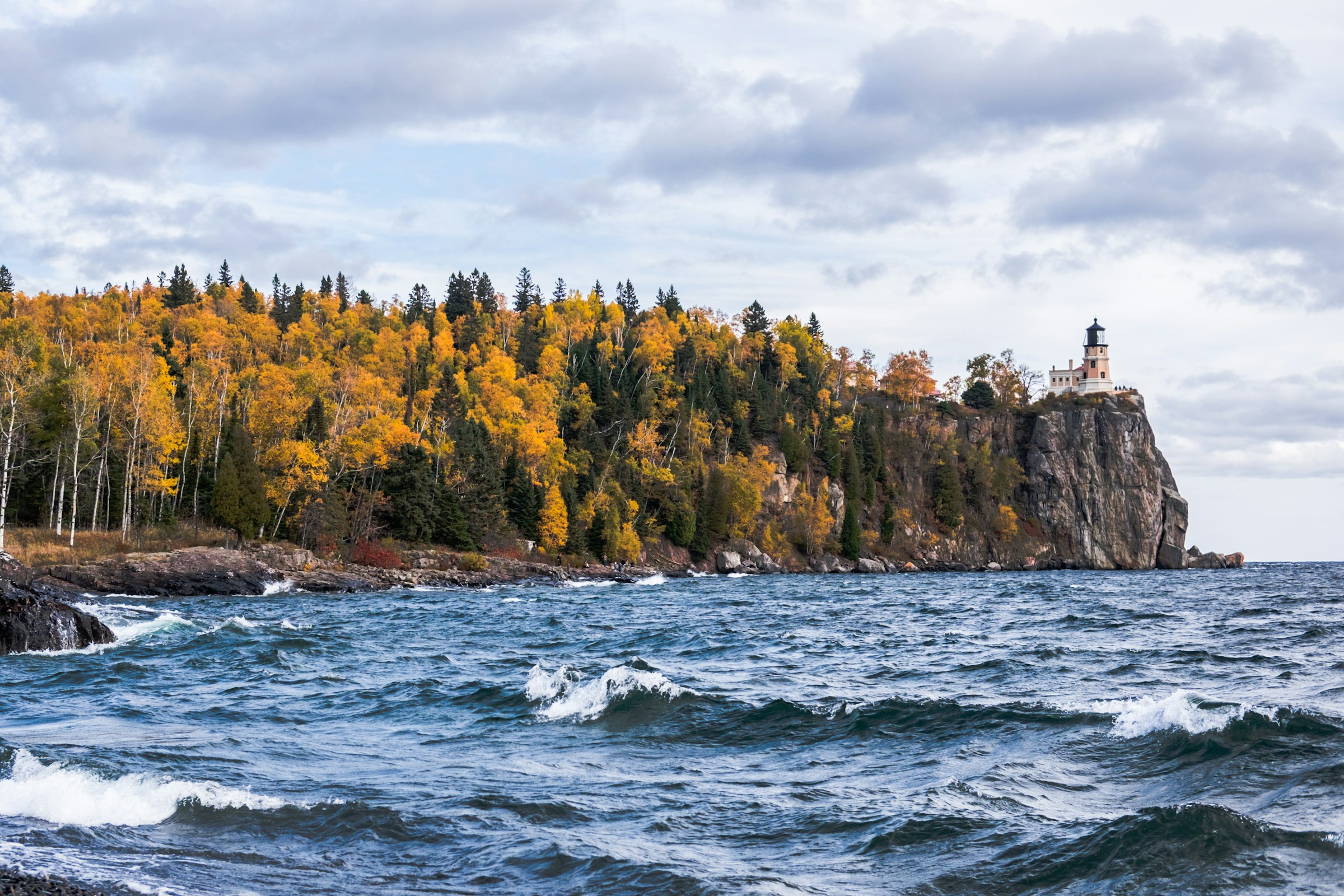

Most people think about Minnesota and picture long winters, walleye fishing, and maybe a Paul Bunyan statue. Clean air rankings don’t usually come to mind. Yet tucked into the northeastern corner of the state, a corner of Minnesota has quietly earned some of the most impressive air quality scores in the entire country, verified by federal data and independently confirmed by public health organizations.
The story of clean air in this part of the Midwest is not just a fluke of geography. It reflects decades of monitoring, the absence of heavy industry, and a landscape that is largely forested and undisturbed. Here is a closer look at what the data actually shows, where it comes from, and why it matters for travelers, residents, and anyone thinking about what genuinely good air feels like.
Carlton County Earns a Top-Five National Ranking
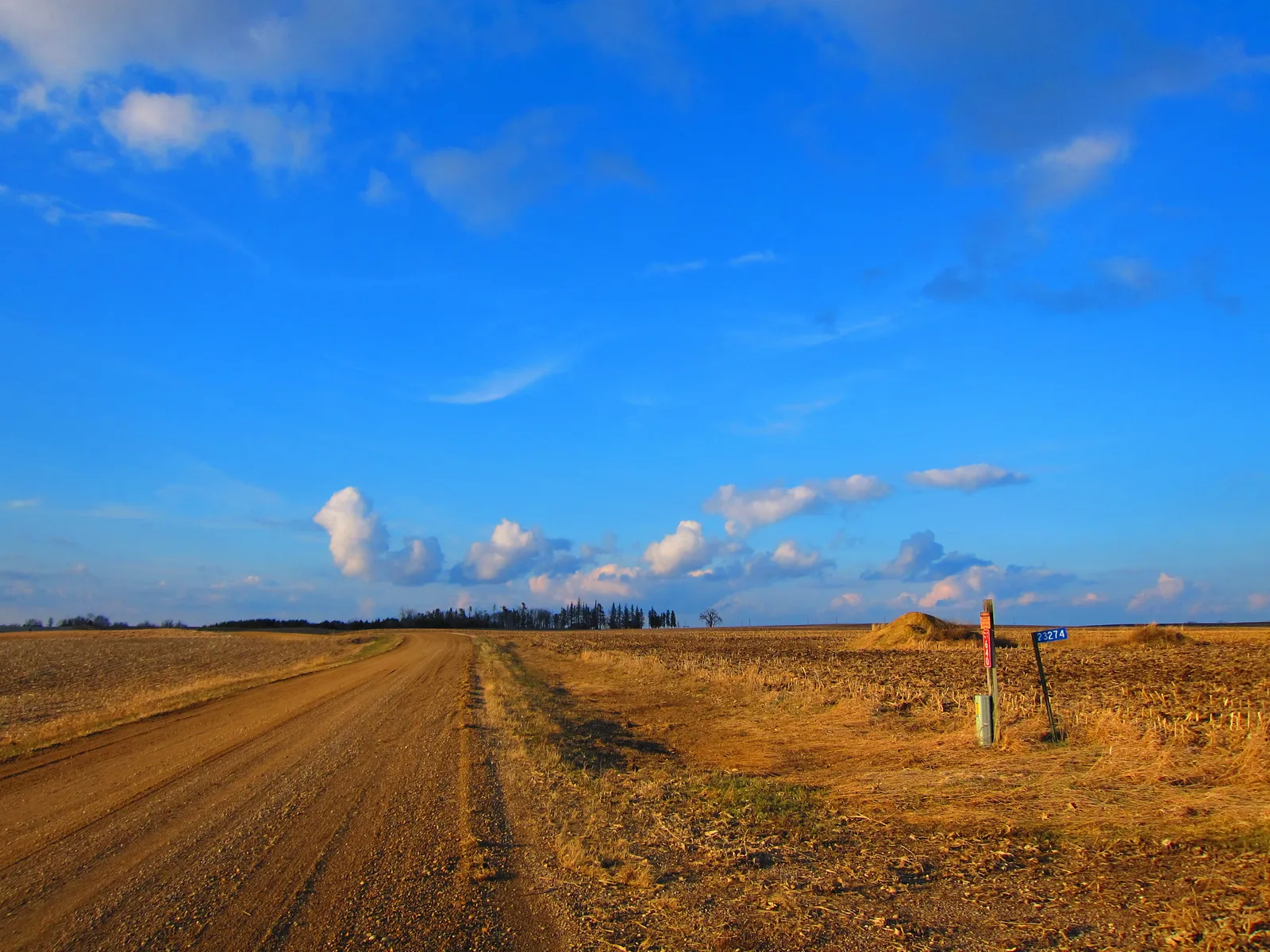
According to the American Lung Association’s 2025 “State of the Air” report, Carlton County, Minnesota is ranked the fifth-cleanest in the U.S. for year-round particle pollution. That places this small, largely rural county in elite company on a national scale, measured against hundreds of counties across the country.
The Clean Air Act requires the U.S. Environmental Protection Agency to set health-based standards for six outdoor air pollutants, and since 2000, the American Lung Association has published its annual “State of the Air” report examining fine particulate matter and ozone, providing the public with information about the quality of air in their communities. Carlton County’s ranking carries real weight within that context.
The report uses data collected at monitoring sites by government agencies to assess air quality over a three-year period, most recently including 2022, 2023, and 2024. That multi-year window means the ranking is not based on a single lucky season.
Carlton and Lake Counties Lead Minnesota on Ozone, Too
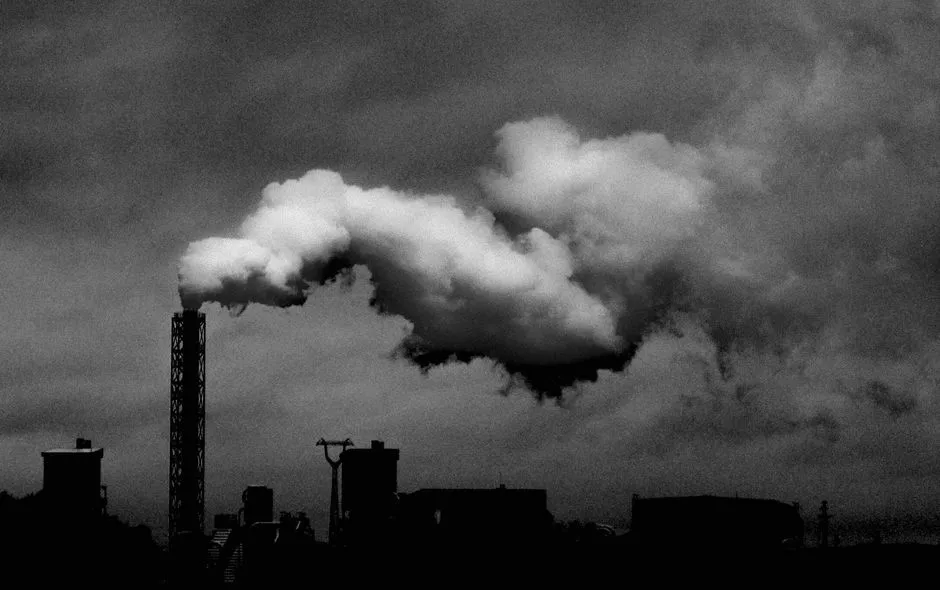
Carlton County is ranked the fifth-cleanest in the U.S. for year-round particle pollution, and Carlton and Lake counties led the statewide rankings for best ozone conditions. Achieving top marks in both categories, particle pollution and ground-level ozone, is rare. Most counties that perform well on one pollutant metric still struggle with the other.
Ozone is a particularly tricky pollutant because it forms through chemical reactions between sunlight and other gases rather than being emitted directly from a single source. The fact that Carlton County performs well even on ozone, where conditions are harder to control, makes its air quality distinction more meaningful.
Grand Portage: Where Some of the Purest Readings Were Recorded
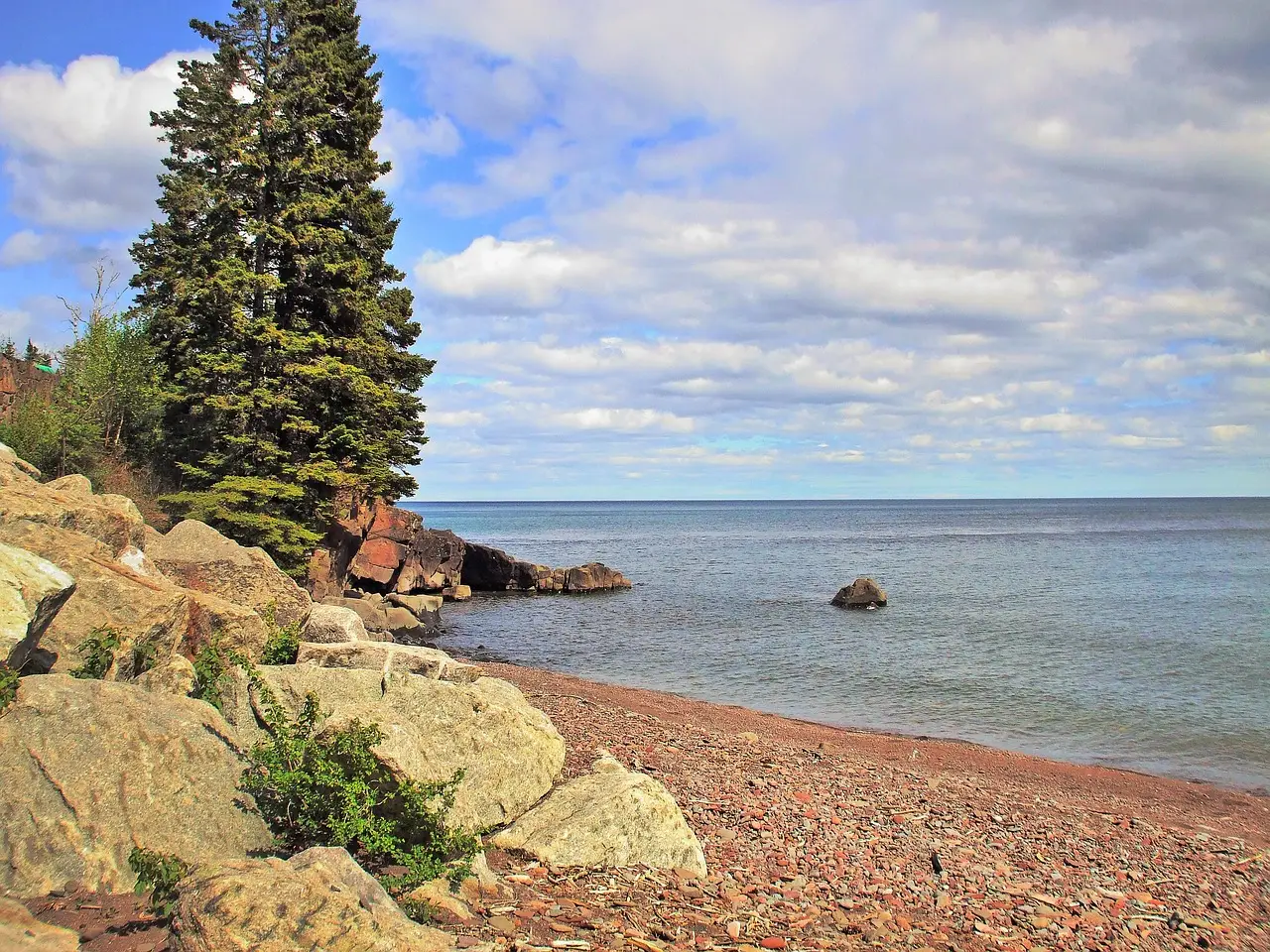
Some of the cleanest readings taken over the course of 2020 included the absolute best, at 2.5 µg/m³, 2.3 µg/m³, and 2.4 µg/m³, recorded in the months of April, August, and October in the city of Grand Portage. Grand Portage is a small community on Lake Superior’s North Shore, surrounded by boreal forest and sitting just south of the Canadian border.
These PM2.5 readings are strikingly low by any standard. For reference, the EPA’s annual PM2.5 standard sits at 9 µg/m³, and Grand Portage’s recorded figures in those months came in at roughly a quarter of that threshold. That is not just clean by regional standards; it is clean by nearly any standard on earth.
The Minnesota Pollution Control Agency has reported AQI data in specific regions across the state, and Grand Portage is one of the designated monitoring locations. Its consistent presence in monitoring programs speaks to its recognized significance as a reference point for baseline air quality in the upper Midwest.
What the American Lung Association’s “State of the Air” Report Actually Measures

The Lung Association’s “State of the Air” report grades exposure to unhealthy levels of ozone air pollution and particle pollution over a three-year period, and looks at the latest quality-assured air quality data. The grading system is straightforward, with each county receiving a letter grade based on how often pollution levels crossed into unhealthy territory during the assessment window.
The “State of the Air” report relies on data from air quality monitors managed by state, local, and Tribal air pollution control authorities in counties across the U.S., and the rankings are based on the worst county in the area’s average number of unhealthy days. This methodology makes it a genuinely rigorous comparison tool, not just a marketing-style accolade.
Minnesota’s Statewide Air Quality Trend: Decades of Improvement
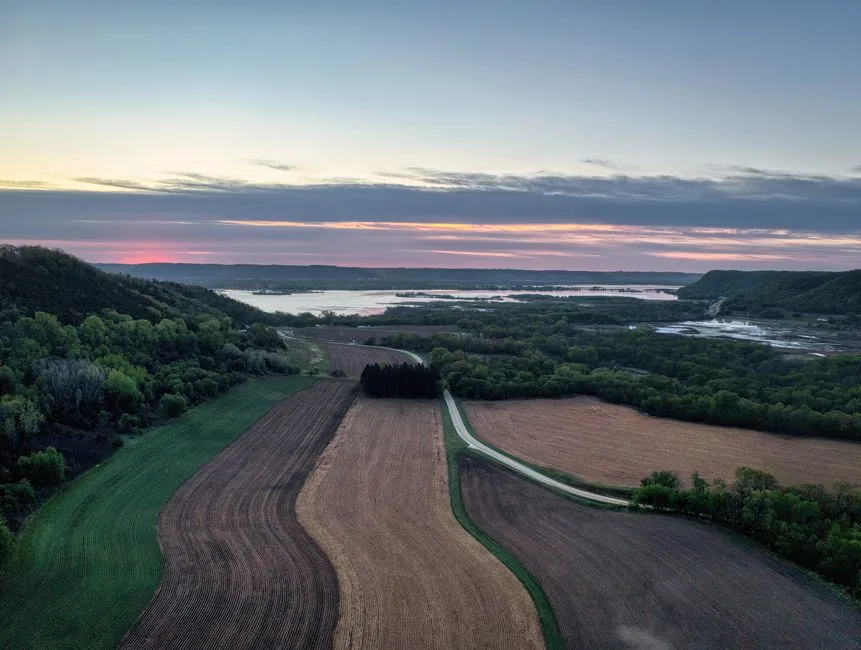
Air pollution levels in Minnesota have steadily decreased over the past few decades and currently meet federal standards, though even levels that meet or are below these standards can affect people’s health. The broader downward trend across the state provides important context for why its northeastern regions can now claim some of the cleanest air in the nation.
Mercury from electric utilities in Minnesota has dropped sharply over time, falling from 1,716 pounds per day in 2005 to 121 pounds in 2019. Reductions in industrial emissions over time have contributed to a cleaner baseline throughout the state, even as some challenges remain in specific sectors.
In Minnesota, the Air Quality Index is based on measurements of six pollutants: fine particles, coarse particles, ozone, sulfur dioxide, nitrogen dioxide, and carbon monoxide, and each hour the MPCA converts those measurements to an AQI value based on health standards established by the U.S. Environmental Protection Agency. This systematic monitoring gives the state a reliable picture of where its cleanest pockets actually are.
The Twin Cities Tell a Very Different Story
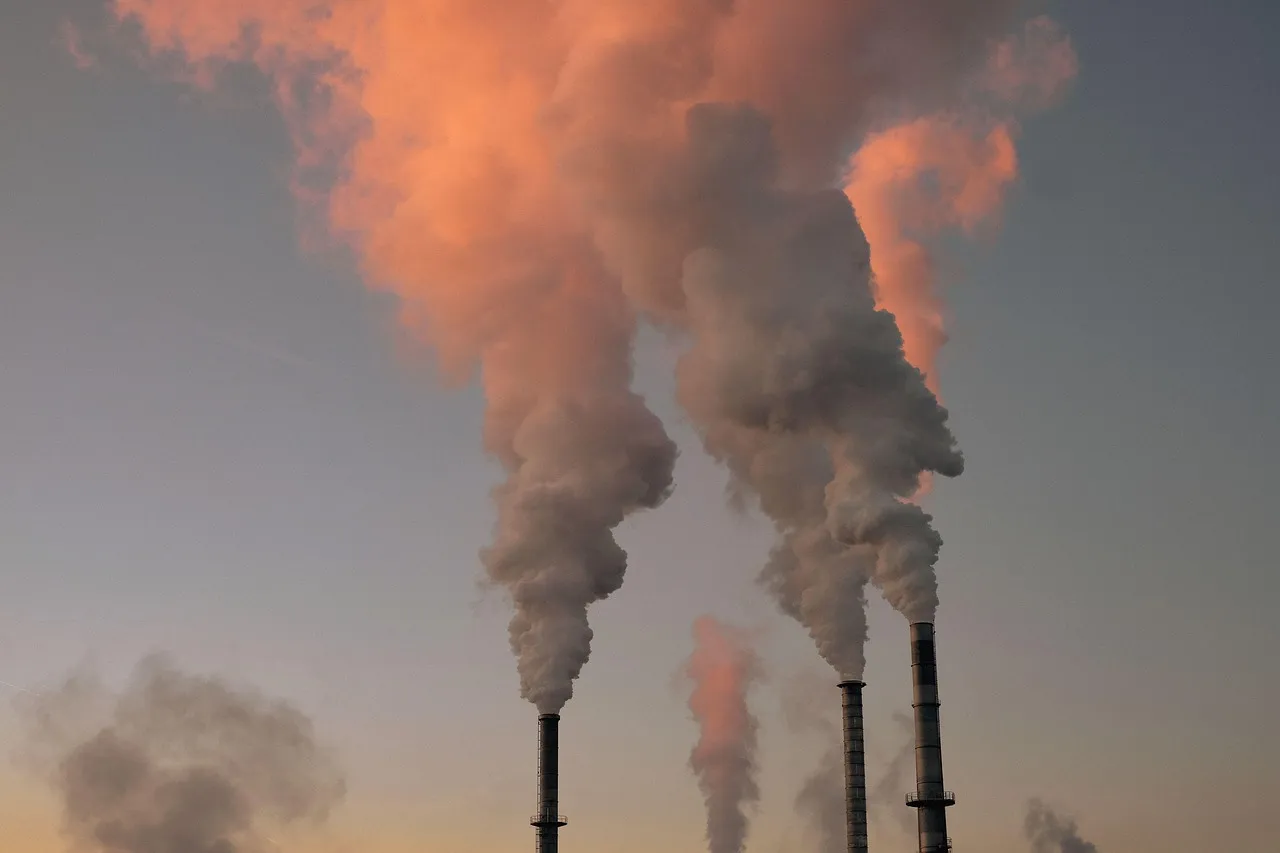
Carlton County’s achievement stands out even more sharply when compared to what is happening just a few hours to the southwest. According to the latest State of the Air report, the Twin Cities ranked 39th most polluted in the nation for short-term particle pollution, earning an ‘F’ grade. That is a striking contrast within the same state.
According to the 2025 report, Minnesota’s Anoka County had the worst ozone grade and Dakota County had the worst particle pollution grade in Minnesota. Urban growth, vehicle traffic, and industrial emissions in the metro corridor are responsible for much of that burden.
Both ozone and particle pollution are linked to serious health problems, including asthma attacks, heart attacks, strokes, and even lung cancer, and infants, children, and teens are especially vulnerable because their lungs are still developing and they breathe more air for their body size than adults. The gap between Carlton County’s air and the metro’s air is not just a number on a chart; it has real health consequences for residents.
Wildfire Smoke: The Variable That Challenges Even the Cleanest Areas

No conversation about Minnesota air quality in recent years is complete without acknowledging wildfire smoke. Rankings change in response to real-time events, and in late July and early August 2025, the MPCA noted that Minnesota experienced its longest-ever air quality alert, which lasted seven days due to persistent wildfire smoke from Canada. That event affected even the most pristine corners of the state.
Researchers note that extreme heat and wildfires contributed to the worsening of air quality across much of the country, and wildfire smoke has significantly impacted Minnesota’s air quality in recent years. The smoke travels across state and national borders with no regard for long-term monitoring achievements.
Still, annual averages and multi-year rankings are what federal and public health data use to assess a region’s air quality profile. Episodic smoke events, while disruptive and dangerous, do not erase the underlying picture of what Carlton County’s air looks like across an entire calendar year.
Why Northeast Minnesota’s Landscape Matters for Air Quality
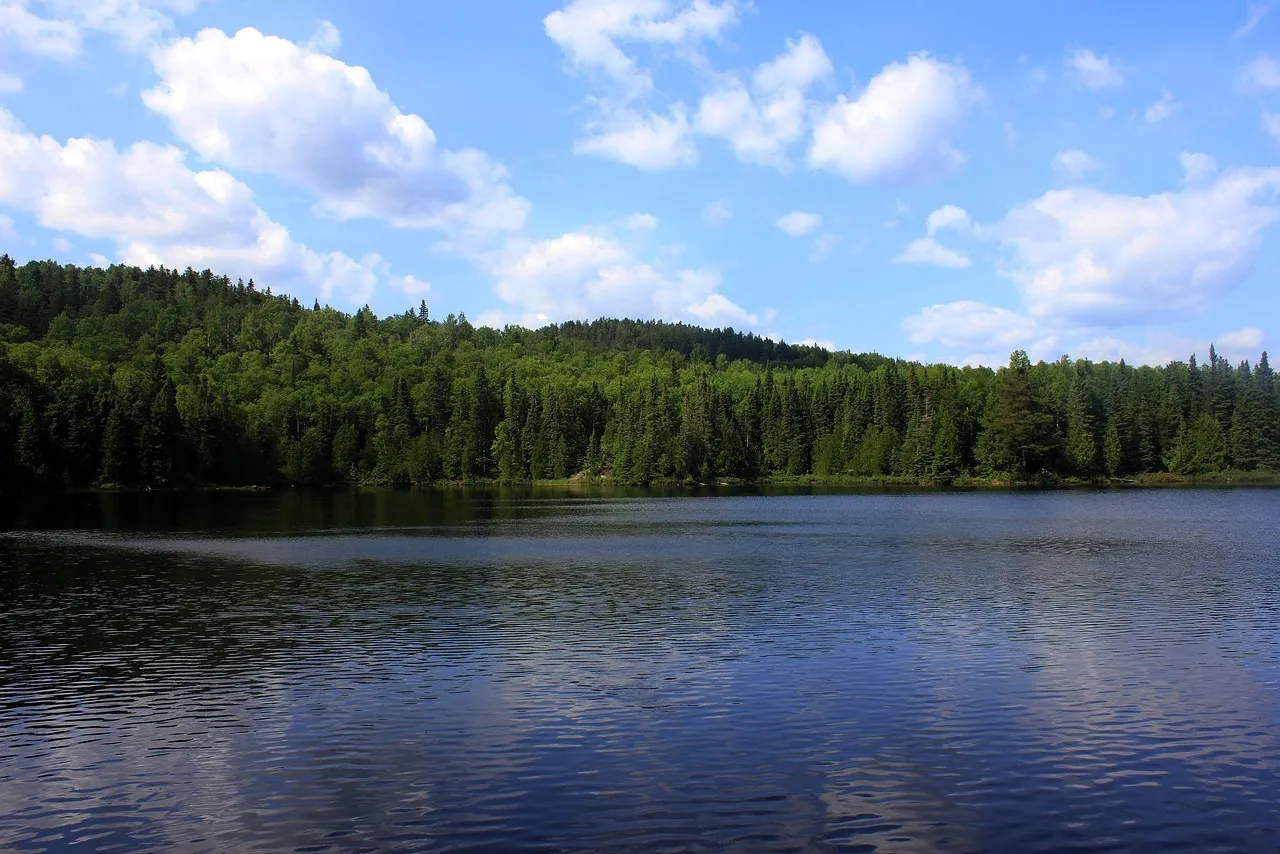
The geography of northeastern Minnesota is a major part of the explanation. The region is dominated by boreal forests, rivers, Lake Superior shoreline, and vast stretches of the Superior National Forest and the Boundary Waters Canoe Area Wilderness. There is very little heavy industry, very few major highways, and a sparse population density compared to the southern half of the state.
Forests act as natural air filters and carbon sinks. The absence of dense urban development means fewer vehicle emissions, fewer combustion sources, and less ground-level ozone formation. Clean air in this part of Minnesota is not something anyone engineered; it is, to a significant degree, a result of what was never built here.
Although the summer months can sometimes have issues with ozone accumulations due to excesses of solar radiation from sunlight, Minnesota sees its best readings taken in this time period in its northern monitoring zones, pointing to how conditions interact differently in rural versus urban settings across the state.
Federal Oversight and the EPA’s Role in Protecting Minnesota’s Air
The Environmental Protection Agency approved a revision to the Minnesota State Implementation Plan with updates to Minnesota’s air program rules, and the Minnesota Pollution Control Agency submitted the request to the EPA. This kind of ongoing regulatory collaboration is what keeps air quality standards enforceable at the local level.
On July 16, 2025, the EPA proposed to approve Minnesota’s SIP revision request, updating the framework that governs how air emissions from smaller sources are permitted and regulated. These regulatory updates help ensure that the standards protecting clean-air communities remain current and enforceable.
The Minnesota Pollution Control Agency monitors conditions continuously, issues alerts when pollution levels rise, and coordinates with federal authorities. The MPCA strives to ensure all people in Minnesota have clean air, regardless of where they live or work. That commitment matters particularly for rural communities that might otherwise receive less regulatory attention than urban centers.
What This Means for People Who Live or Travel There
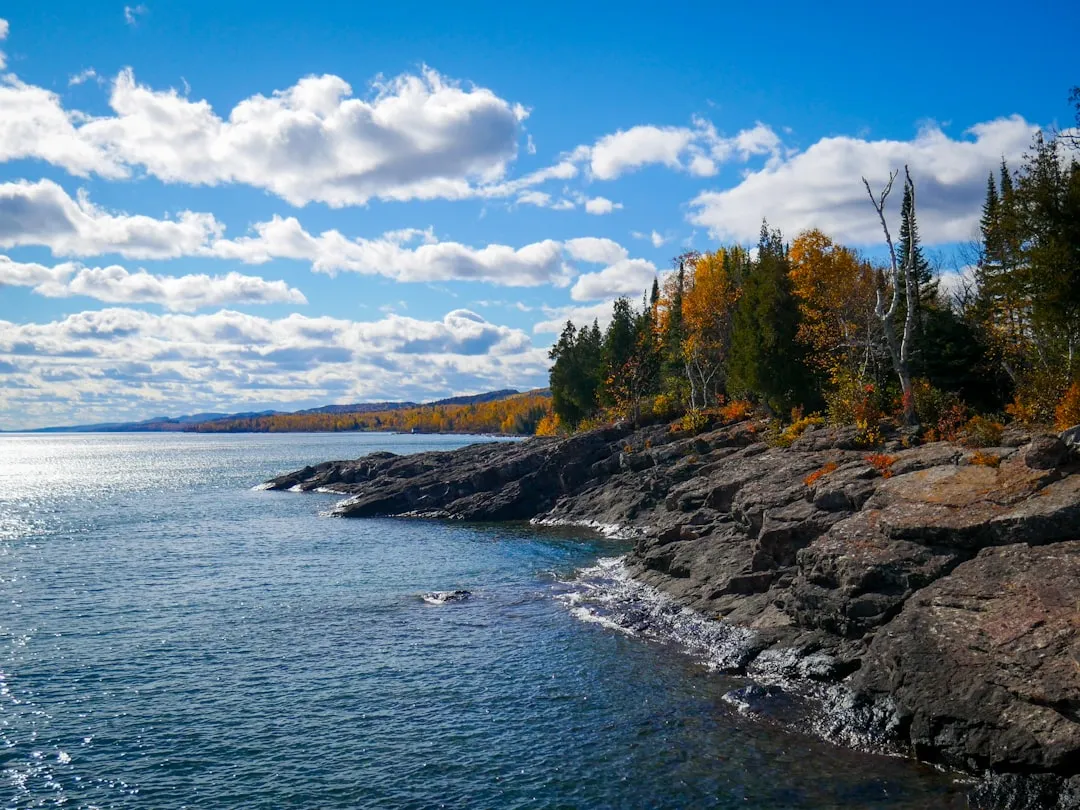
For those already living in Carlton County and the broader Lake Superior North Shore region, the air quality data is, in a sense, just confirmation of something they already know intuitively. The air simply feels different. Mornings near the lake or in the forest carry a clarity that is hard to find in most of the Midwest.
For travelers, the data adds a layer of meaning to what might otherwise seem like a straightforward nature destination. This is a part of Minnesota where the outdoor experience is not just scenic; it is measurably cleaner from a public health standpoint, verified through years of federal monitoring data rather than marketing copy.
The 2025 State of the Air report found that roughly 46 percent of Americans are currently living in places that get failing grades for unhealthy levels of ozone or particle pollution. Against that national backdrop, a county that ranks among the five cleanest in the country is genuinely exceptional, and worth knowing about.
The Takeaway

Carlton County and the communities of northeastern Minnesota, including the small town of Grand Portage on the North Shore, have earned their place in the national record on clean air. The evidence comes not from a single study or a seasonal fluke, but from multi-year federal monitoring data, the American Lung Association’s rigorously verified annual report, and EPA-coordinated tracking conducted continuously across the state.
Clean air is not a given anywhere. It requires the right geography, the absence of industrial pressure, and sustained regulatory commitment. In this quiet corner of Minnesota, all three have aligned. That is worth appreciating, and worth protecting.
AI Disclaimer: This article was created with the assistance of AI tools and reviewed by a human editor.