
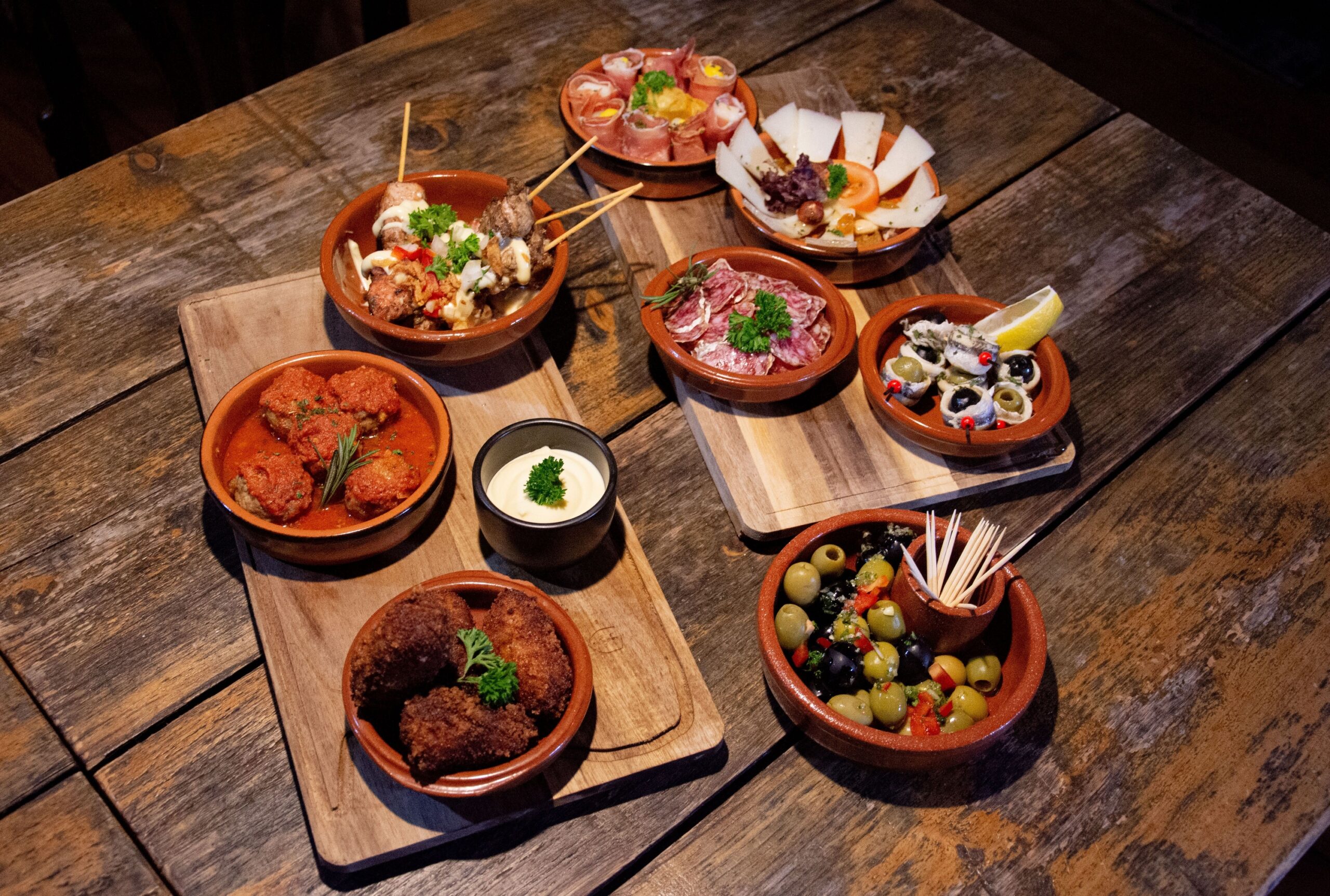

Seville doesn’t announce itself the way Barcelona does. There’s no instantly recognizable skyline monument, no globally marketed architectural icon pulling millions of visitors through a single narrow corridor every day. What Seville has instead is something quieter and, for food lovers, far more rewarding: a tapas culture so embedded in daily life that eating well here feels less like a tourist activity and more like participating in the city itself.
The case for Seville as Spain’s true tapas capital is harder to dismiss every year. While Barcelona continues to grapple with the pressures of mass tourism, Seville offers an alternative that feels both genuine and deeply satisfying for anyone who came to Spain primarily to eat.
The Birthplace of Tapas, Not Just a Claimant
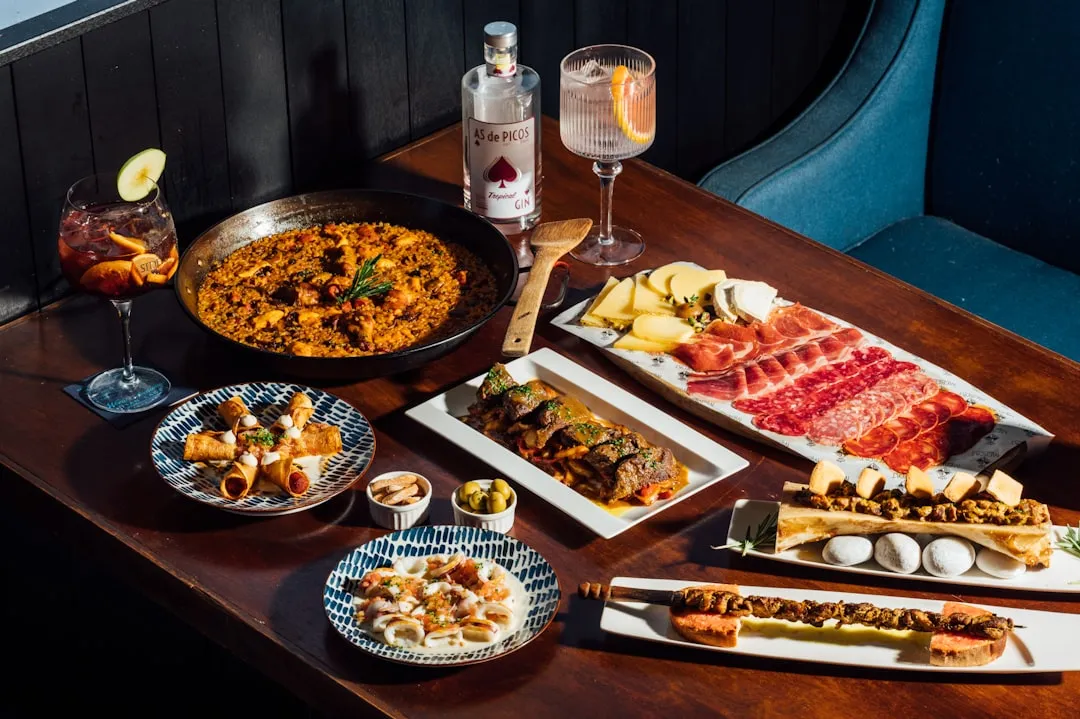
Andalucía is generally regarded as the birthplace of tapas. Seville sits at the heart of that tradition. Known as the birthplace of tapas, Seville offers an unparalleled culinary journey through its cobblestone streets and lively plazas. Tapas, the iconic small plates of Spanish cuisine, are not just a way to eat here – they’re a way of life.
The story goes that in nearby Cádiz, a windy place on the Atlantic, bartenders began placing a slice of cured meat on top of glasses of Sherry to keep sand out of the drink. By giving their customers a salty treat, the bar sold more drinks. This topping on the glass became popular when King Alfonso XIII was supposedly passing through Cádiz and was served his drink with a slice of jamón on top of his glass. Whether or not the precise history holds up to scrutiny, the culture it produced in Seville is undeniably real.
Barcelona’s Crowd Problem Is Only Getting Worse

In Barcelona alone, a staggering 26 million visitors in 2024 overwhelmed a resident population of just 1.6 million. That is an extraordinary ratio, and it shows in the daily experience of moving through the city’s food neighborhoods. Residents near La Sagrada Família say over roughly three quarters of local businesses now only serve tourists.
Spain’s new Sustainable Tourism Strategy 2030 has officially declared cities like Madrid, Barcelona, Málaga, Seville, and Valencia as “at capacity” for tourism. Still, Seville’s scale remains far more manageable than Barcelona’s. Seville is compact and very easy to explore on foot, which means the distance between a great tapas bar and the next great tapas bar is rarely more than a short walk.
The Price Difference Is Genuinely Striking

Seville is not only the cultural gem of the Andalusia region with breathtaking and colorful architecture, lively flamenco shows, and picturesque streets – it also has some of the best food in Europe. The tapas game is on point and the prices are remarkably low at many outstanding restaurants.
Meals will be a fraction of the cost compared to Barcelona and Madrid, and a genuine bargain when compared to London and Paris. For a traveler who plans to eat well across several days, that difference accumulates quickly. A full evening of tapas hopping – multiple bars, multiple rounds – can be done in Seville for what a single tourist-area meal would cost in Barcelona’s Gothic Quarter.
El Rinconcillo: Over 350 Years of Continuous Service
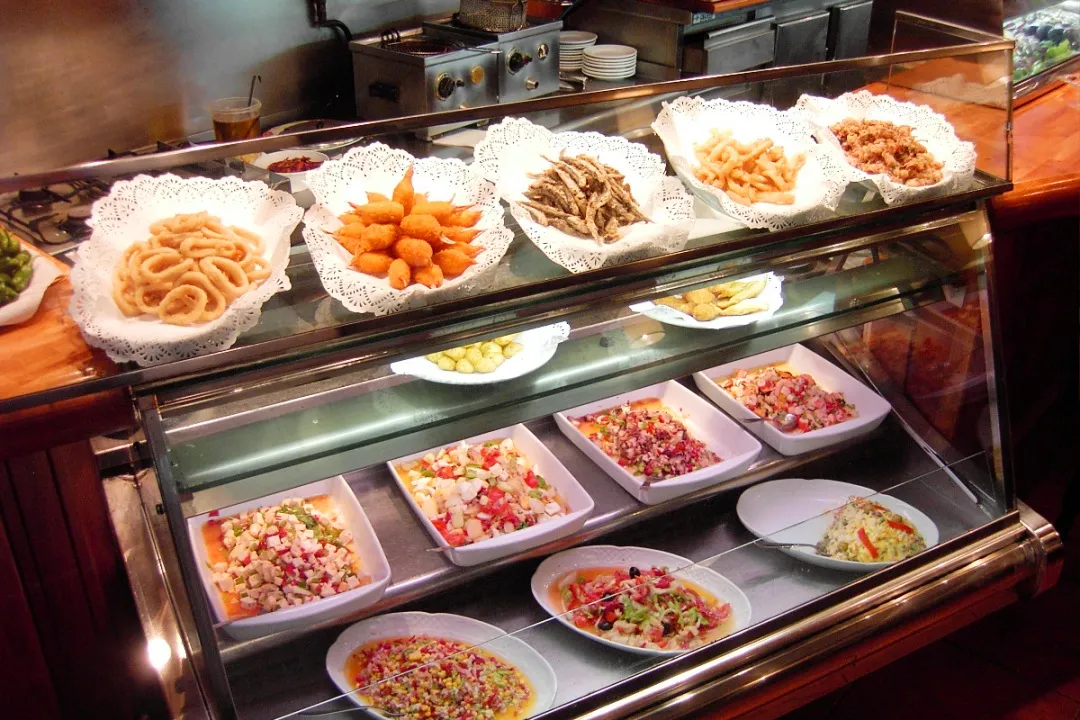
El Rinconcillo is the oldest tapas joint in Seville, and it has been around for 350 years. That kind of longevity is rare anywhere in Europe. El Rinconcillo has been serving since 1670. Start with espinacas con garbanzos (spinach with chickpeas) and a cold beer.
The bar chalk-marks your tab directly onto the wooden counter, a tradition that has somehow survived every century it has passed through. The room itself feels like stepping into a bodega that simply never saw a reason to modernize, and that resistance to change is exactly what makes it worth seeking out.
Espacio Eslava and the Rise of Creative Tapas
Founded in 1988 by Sixto and Rosa Tovar, Eslava began as a small family bar and has grown into a benchmark for how Seville does contemporary tapas without losing its soul. Espacio Eslava is bright and sleek with an excellent wine selection, offering excellent tapas including a dish of egg yolk topped with grated truffle perched on a mushroom puree.
Several items on the tapas menu at Eslava have won first prize at Seville’s annual tapas contest, Sevilla en Boca de Todos. It is widely regarded as the most-recommended tapas bar in Seville. Booking ahead or arriving early is advisable – the word is well and truly out.
The Triana Neighborhood: Where Locals Still Eat
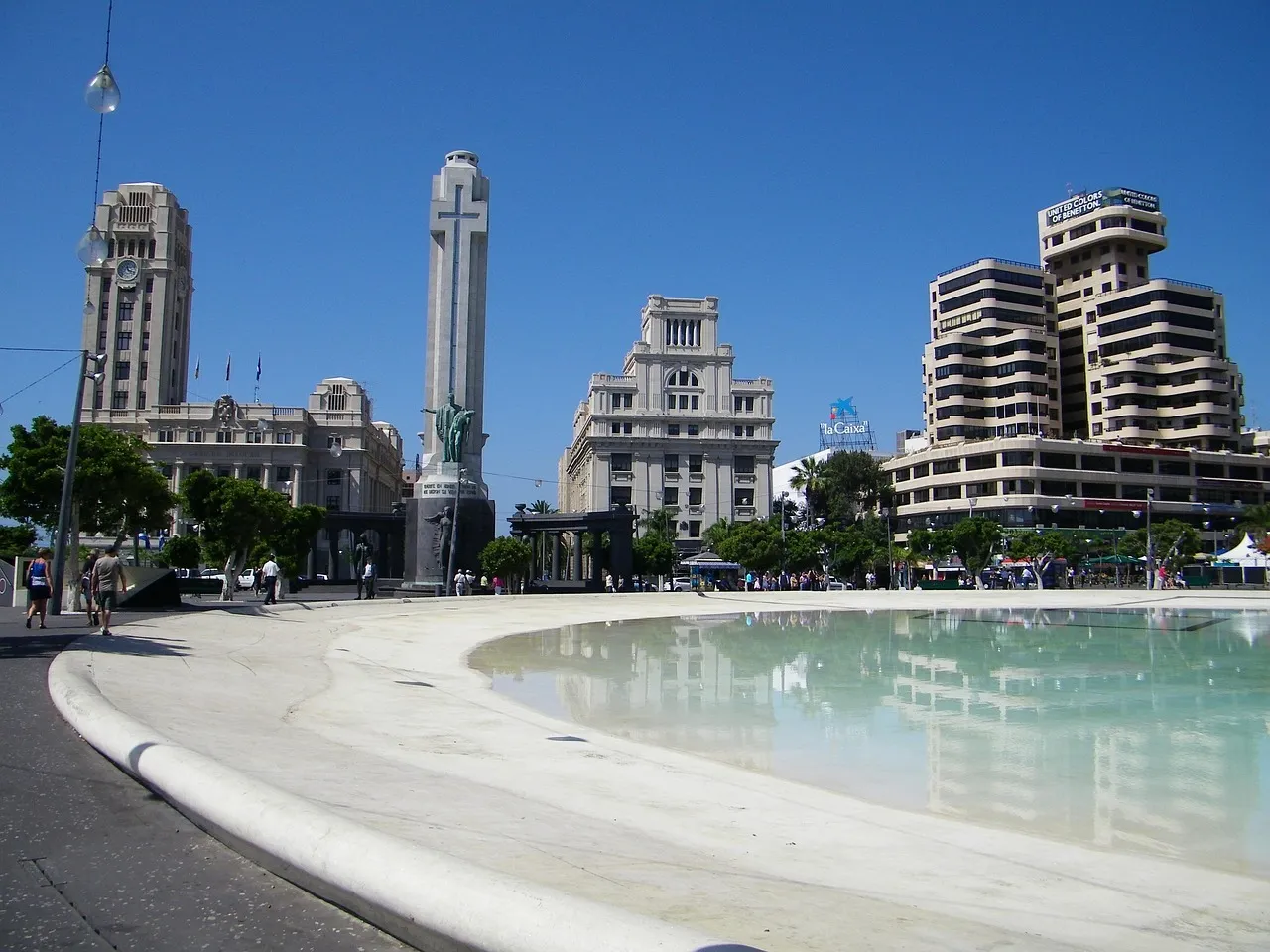
From the bustling bars in Santa Cruz to the hidden gems in Triana, the city’s tapas culture is deeply ingrained, offering an array of flavors that range from traditional jamón ibérico to modern, creative twists on classic dishes. Triana, sitting just across the Guadalquivir river from the historic center, is where the local rhythm of eating feels most intact.
The neighborhood’s bars tend to run on their own schedule – late lunches stretching past three in the afternoon, evening rounds that don’t start until after nine. Meal times run a little later in Seville, with leisurely lunches from around 2 to 4 pm and dinner around 9, as restaurants rarely open before 8 pm. Leaning into that schedule is half the experience.
The Jamón Connection: Proximity to the Source
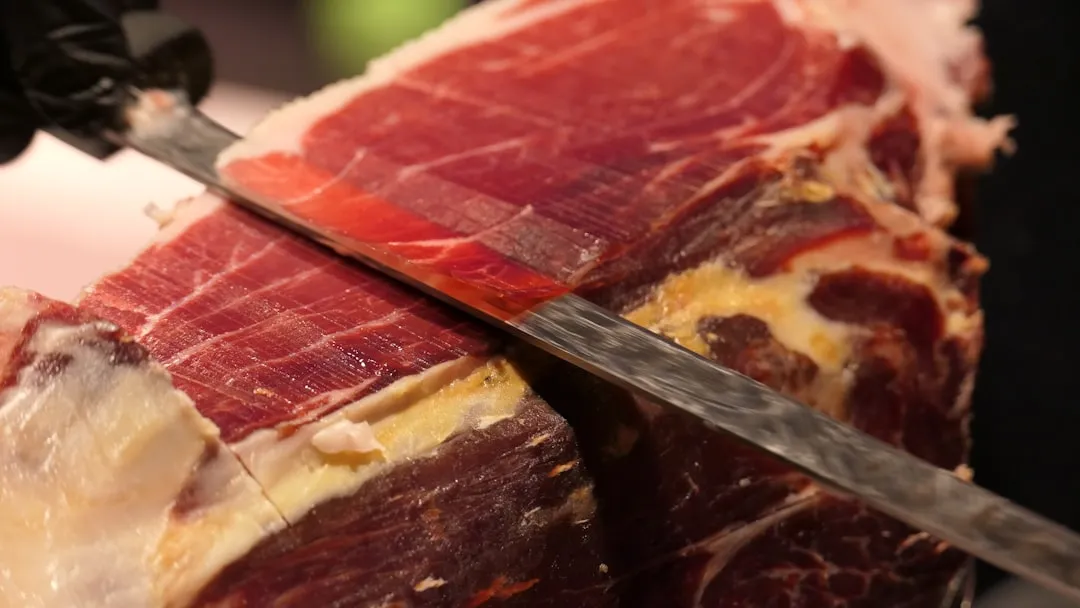
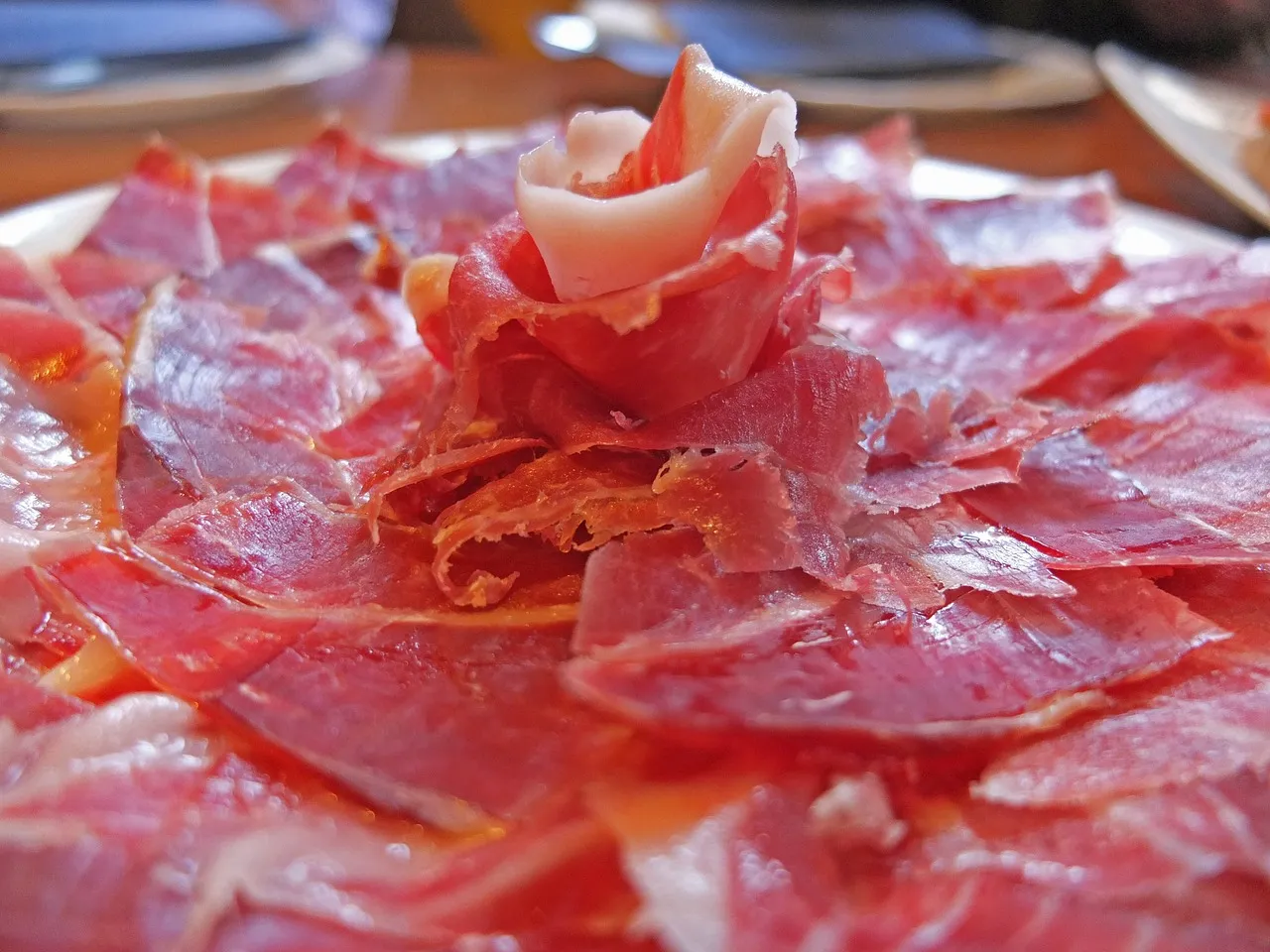
You can’t leave Spain without indulging in the best Spanish jamón. The finest is acorn-fed Iberian ham, jamón ibérico de bellota. Seville is only a short drive from the province of Huelva, where they produce some of the country’s most flavorful and delicious ham.
That geographic closeness translates directly onto the tapas bar counter. The jamón served in Seville’s better bodegas tends to be cut from legs sourced nearby, which matters in ways that are immediately obvious when you taste it. Sevillanos adore fish and seafood in all forms, and are especially partial to a well-seasoned plate of fried fish. The combination of inland cured meats and fresh Atlantic seafood gives Seville’s tapas range a breadth that few cities can match.
Michelin Recognition Is Growing, Quietly
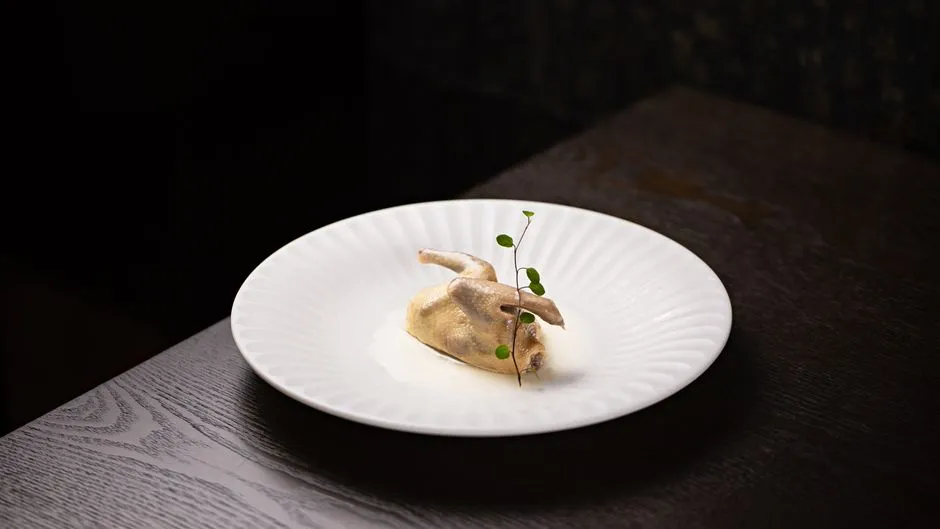
The province of Seville is fortunate to have more than a dozen restaurants that have been recommended by the Michelin Guide. The Andalusian capital is distinguished for its good food and its great proposals in the field of haute cuisine. There are 16 Michelin-recognized restaurants in Seville for 2025.
The Andalucian capital is one of the best places to discover authentic Spanish culture. Set away from the mainstream tourist traps of the costas, the inland nature of Seville ensures it attracts discerning visitors keen to immerse in local history and local flavors. The Michelin presence confirms the quality without turning the entire city into a fine-dining destination. The tapas bars remain the backbone.
How a Tapas Crawl Actually Works in Seville
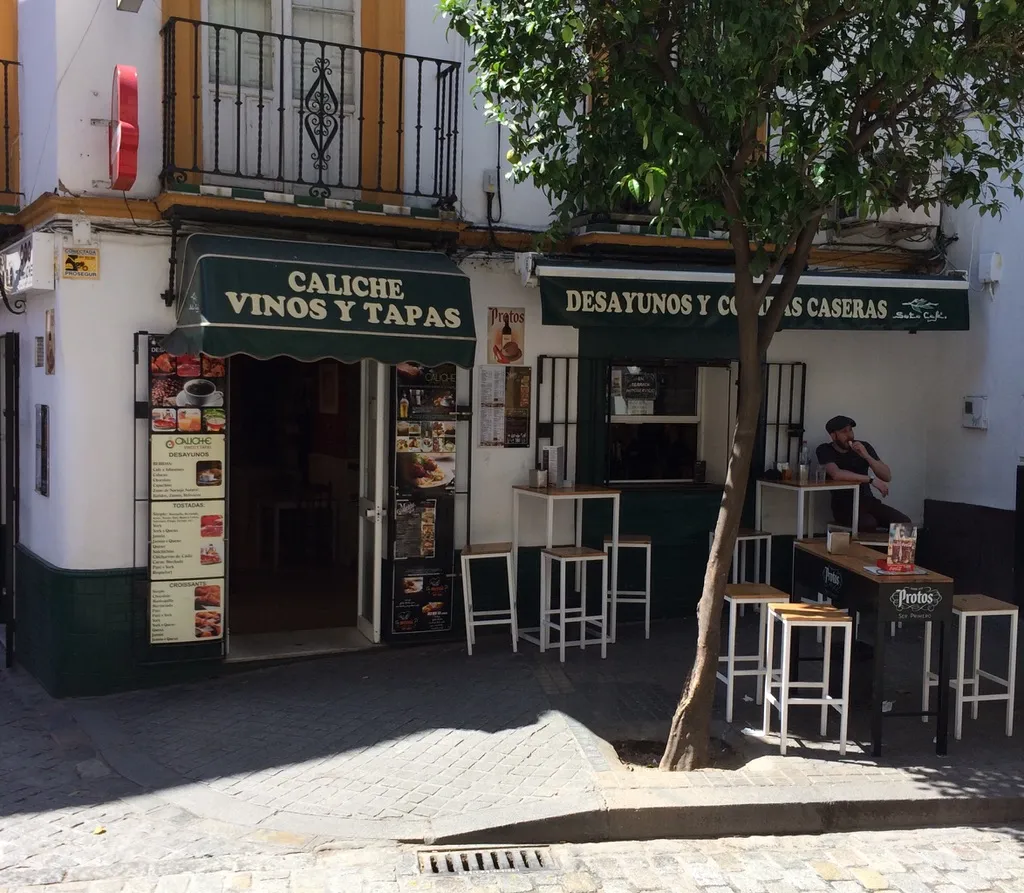
Tapas are all about picar – nibbling, sharing, and moving on. Like a culinary flamenco: quick, vibrant, and full of flair. The structure of a Sevillian tapas crawl is part of what makes it different from sitting down for a meal. You stand at a bar, order two or three things, finish your drink, and walk to the next place.
Seville, the vibrant heart of Andalusia, is a city where history, culture, and gastronomy converge in delightful harmony. The compact geography helps enormously. In the Santa Cruz and Arenal neighborhoods, several worthwhile bars can be found within a single block. Moving through four or five of them across an evening is entirely realistic and deeply enjoyable.
Responsible Travel Notes for Visiting Seville’s Food Scene
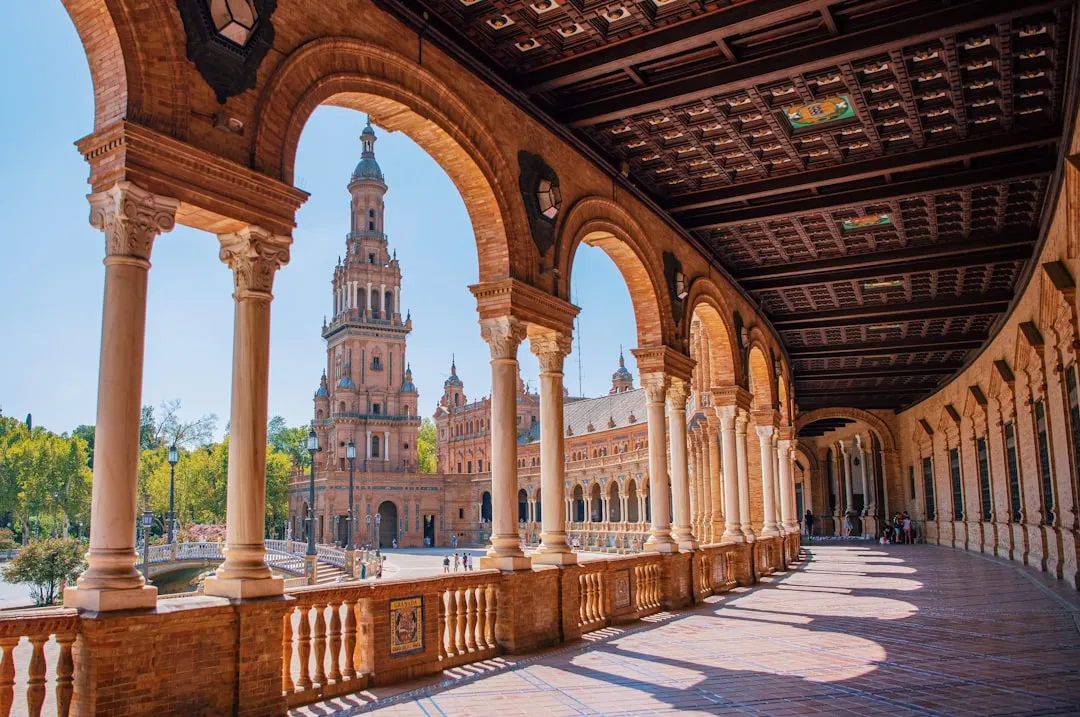
Managing the growth in tourism while protecting community welfare will be crucial as Spain navigates the challenges of overtourism. For visitors, this means making choices that genuinely support local rather than extractive economies. Choosing family-run bars over large tourist-oriented restaurants, eating at local hours rather than tourist hours, and venturing beyond the most-photographed streets are all simple ways to participate more responsibly.
Seville’s historic center is increasingly described as a “theme park” by some frustrated locals, a frustration that is worth taking seriously. The best way to experience this city’s food culture is to treat it as a place where real people live, not a backdrop for content creation. The various districts of Andalucía’s capital are packed with places to sample the region’s specialties and high-quality local produce, from tapas bars to bistronomic and gourmet restaurants, with something for every taste and budget. Spreading your visits across different neighborhoods spreads the benefit too.
The Takeaway
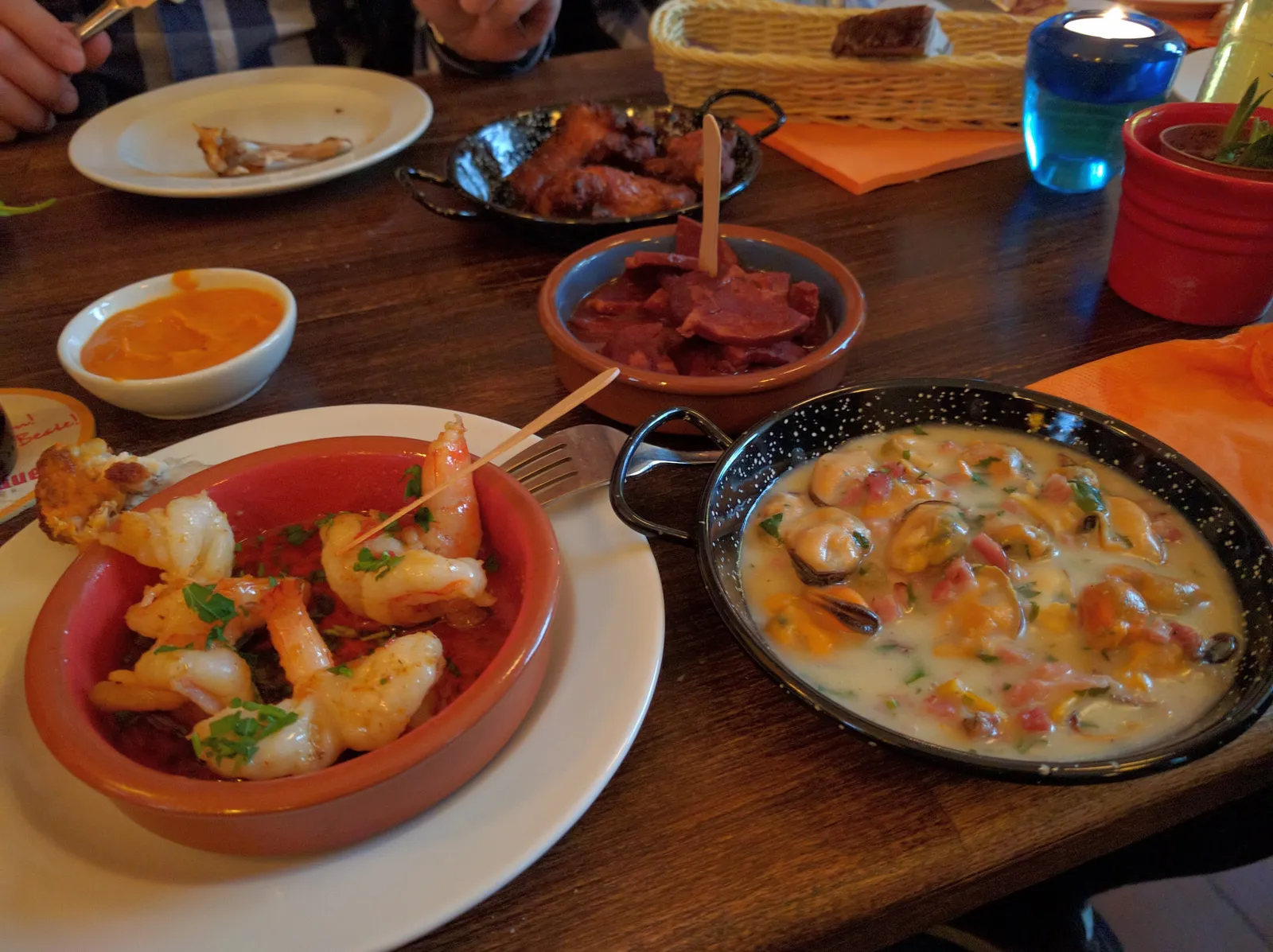
Seville’s tapas scene doesn’t need Barcelona as a reference point to justify itself. It stands on its own history, its own ingredients, and its own deeply unhurried way of organizing an evening. The comparison is useful mainly for travelers who need permission to redirect their trip toward a city that rewards curiosity without demanding it.
The food here is specific to this place in a way that matters: the jamón is from Huelva, the seafood comes up from the Atlantic coast, and the recipes in the older bars have survived not because they were preserved for tourism but because people here kept ordering them. That continuity is the thing worth traveling for.
AI Disclaimer: This article was created with the assistance of AI tools and reviewed by a human editor.