


There’s a quiet ritual many frequent travelers have adopted before unpacking a single item: they pull out a small UV flashlight, kill the overhead lights, and sweep the beam across the bed, carpet, and bathroom surfaces. What sometimes reveals itself is not exactly reassuring. The trick is straightforward, the results can be startling, and it takes less than two minutes to do.
Hotel rooms look clean at first glance almost every time. That is, frankly, the point. But how a room looks under normal light and what actually lives on its surfaces are two very different things, and the gap between them has quietly widened in recent years.
The UV Black Light Trick: How It Actually Works
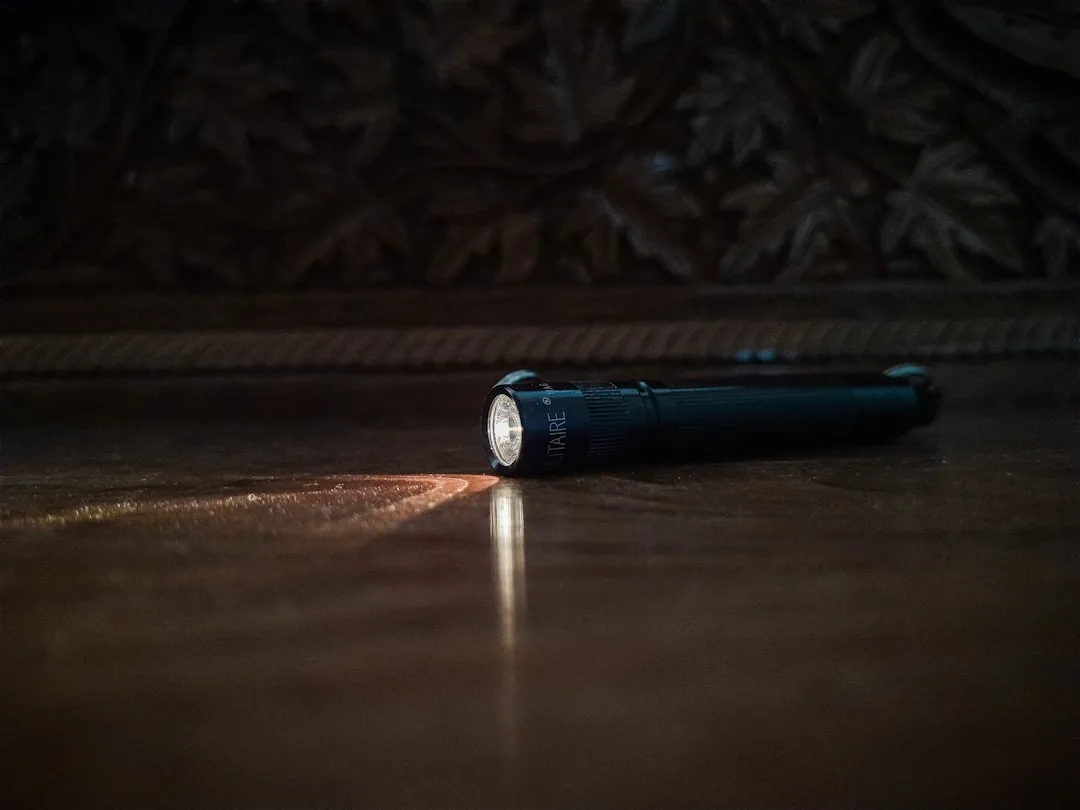
Blacklight flashlights emit ultraviolet (UV) light that causes certain substances to fluoresce. While UV light is invisible to the human eye, certain stains, bodily fluids, and contaminants react to UV light, making them visible and easier to detect. This is the core of the trick. Turn off the room lights, run the flashlight slowly across the mattress, sheets, pillowcases, and carpet, and anything the standard cleaning missed can glow back at you.
This is particularly useful for hygiene inspections in areas that are often overlooked during routine cleaning, such as bed linens, mattresses, carpets, and bathroom fixtures. A UV light in the 365nm to 395nm range works well for this purpose, and compact models are widely available and easy to pack.
Why a Clean-Looking Room Is Not Always Actually Clean
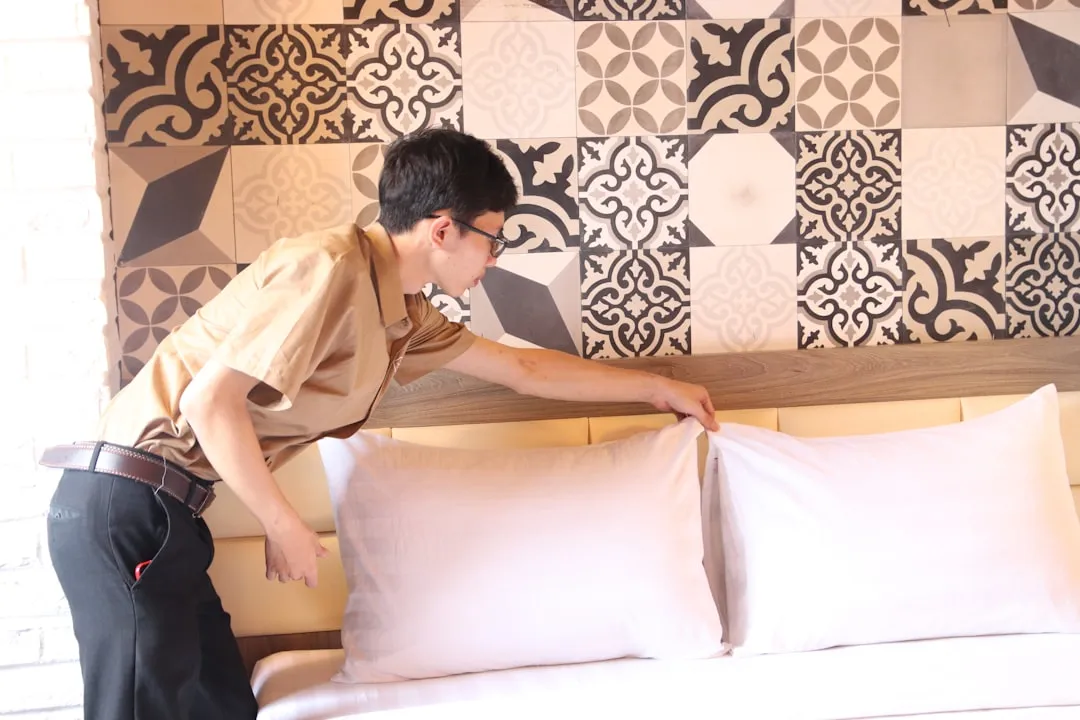
Research has demonstrated that visual assessment does not accurately predict microbial contamination. That tidy appearance means very little from a microbial standpoint. Hotel room cleanliness is based on observation rather than microbial assessment, even though recent reports suggest that infections may be acquired while staying in hotel rooms.
Housekeeping practices vary across brands and properties with little or no standardization industry-wide. The current validation method for hotel room cleanliness is a visual assessment, which has been shown to be ineffective in measuring levels of sanitation. That is a structural problem that no amount of fresh-smelling air freshener can fix.
The Surfaces That Are Most Often Missed
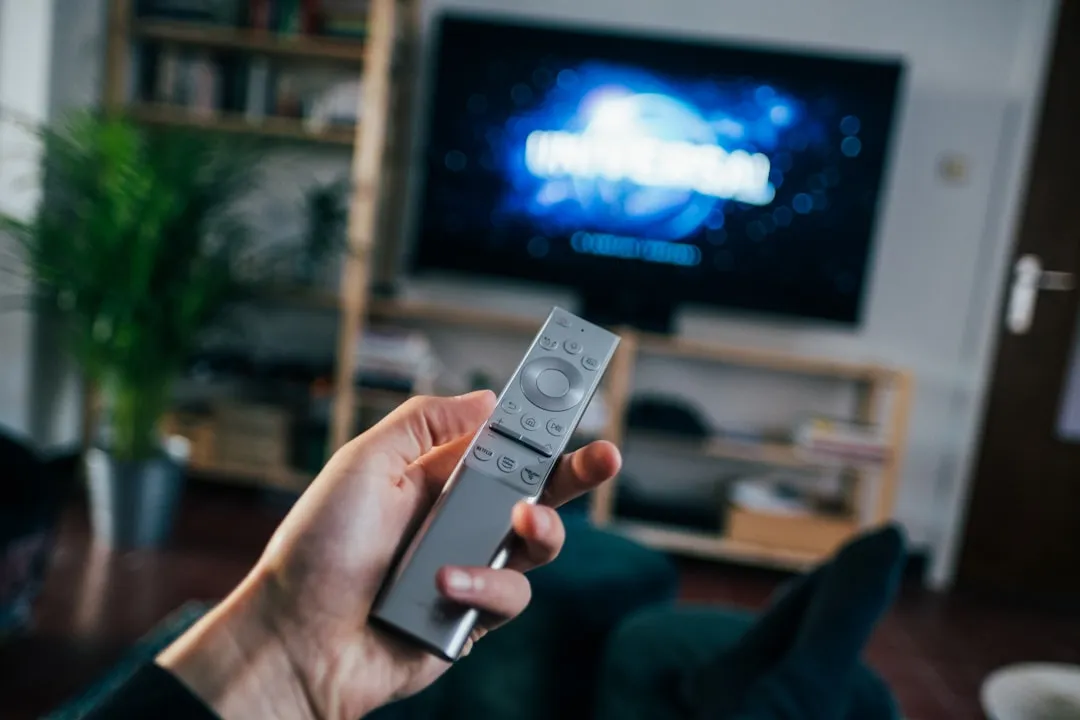
While some of the most contaminated samples, including the toilet and the bathroom sink, were to be expected, researchers also found high levels of bacterial contamination on the TV remote and the bedside lamp switch. These are surfaces guests touch repeatedly throughout their stay, often without a second thought.
A number of studies have shown that light switches and television remote controls are among the objects with the highest levels of bacterial contamination, while toilets and bathroom sinks also contain high levels of microbial organisms. Potential microbial hazards also include the sponge and mop on housekeeping carts, the bathroom floor, bathroom sink, and light switch. The cleaning tools themselves can spread contamination from room to room if not properly managed.
The Sheet Test: What to Look For Before You Lie Down
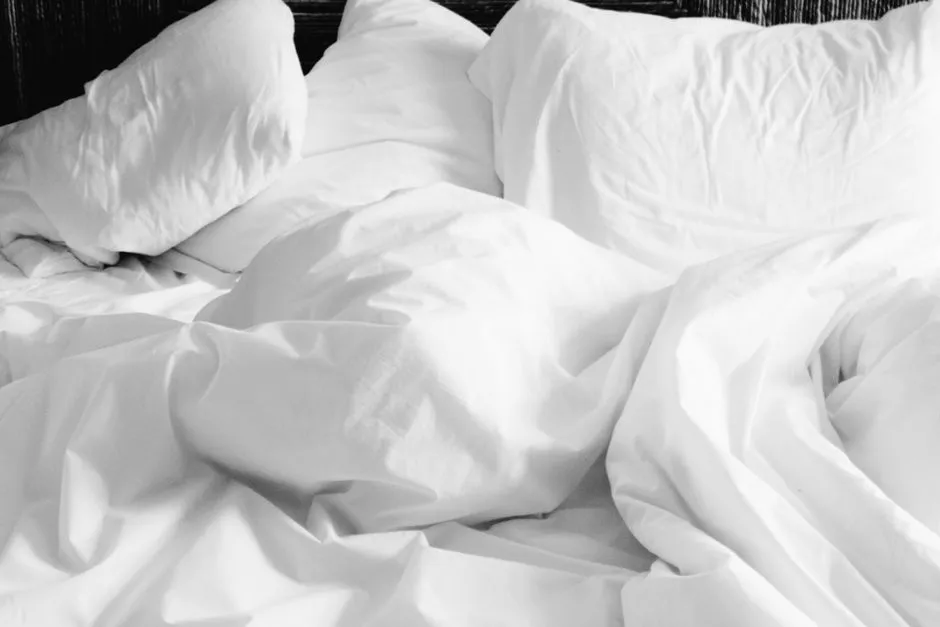
An Inside Edition investigation sprayed invisible fluorescent paint on hotel sheets, checked out, then re-booked the same rooms. Three of nine hotels tested did not change sheets between guests. That investigation, which became widely cited, is exactly the kind of scenario the UV trick is designed to catch.
Using a black light can expose stains that cleaning processes might miss. Reports highlight that many sheets and pillowcases harbor traces of sweat, urine, and even blood. Sheets that appear white and crisp under normal lighting can tell a very different story under UV. Examine the sheets and pillowcases for any stains or discoloration, and also inspect for unusual creasing, which may suggest the bed was hastily made between guests rather than completely washed and replaced.
The Lobby and Common Areas Tell You More Than You Think
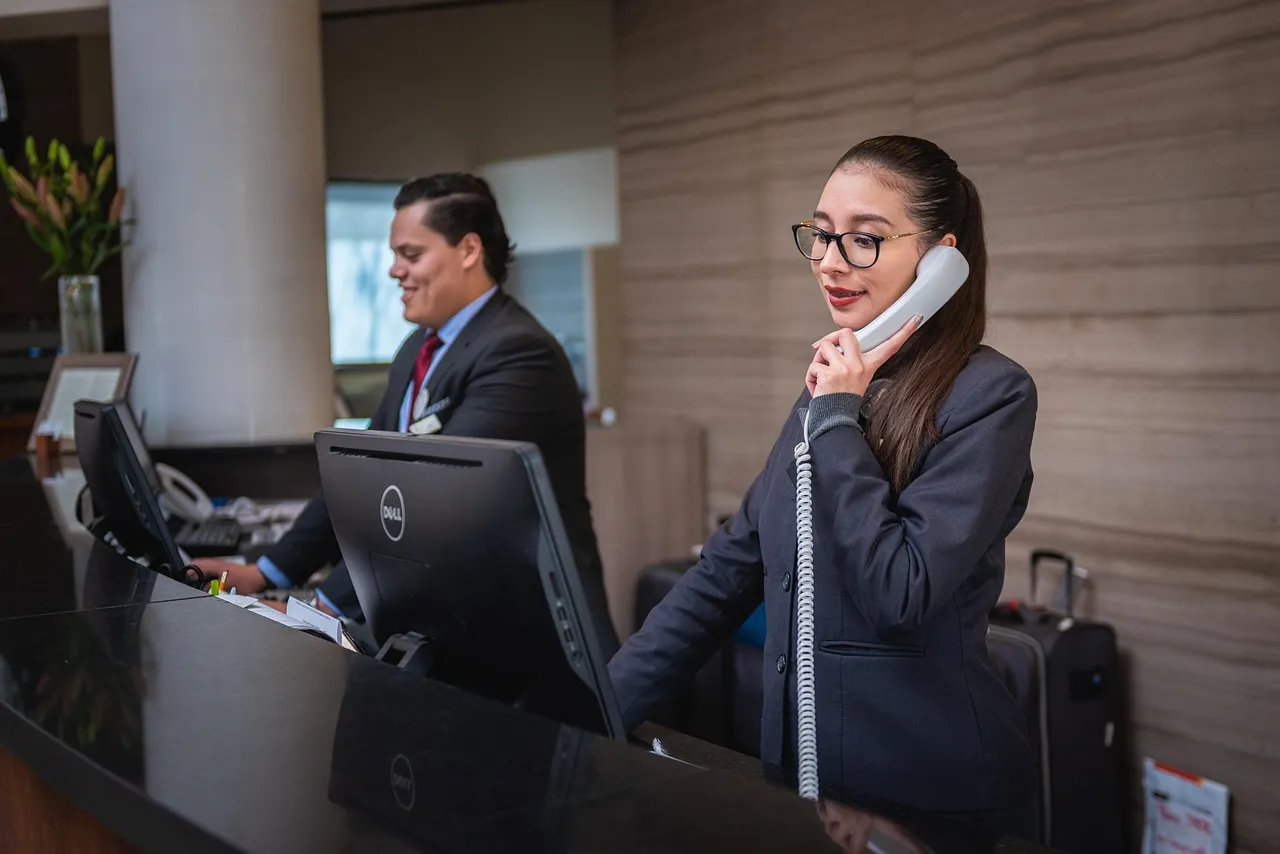
The first two places you’ll encounter in any hotel are the lobby and the elevators. These two areas are the most frequented places in the building, and their cleanliness is a good indicator of whether or not your room is going to be sanitary. If the lobby floors are grimy or the elevator buttons are visibly filthy, the standard being applied to guest rooms is likely no higher.
Dirty common areas can raise red flags about a hotel’s commitment to overall cleanliness. If you notice trash all over the parking area, that’s a potentially concerning sign. If you go into the lobby and notice crumbs all over the breakfast area or overflowing garbage bins, that’s also a sign of neglect. The threshold of acceptable upkeep in public spaces typically reflects the same standard applied behind closed doors.
The Furniture Move: A Low-Tech but Effective Method
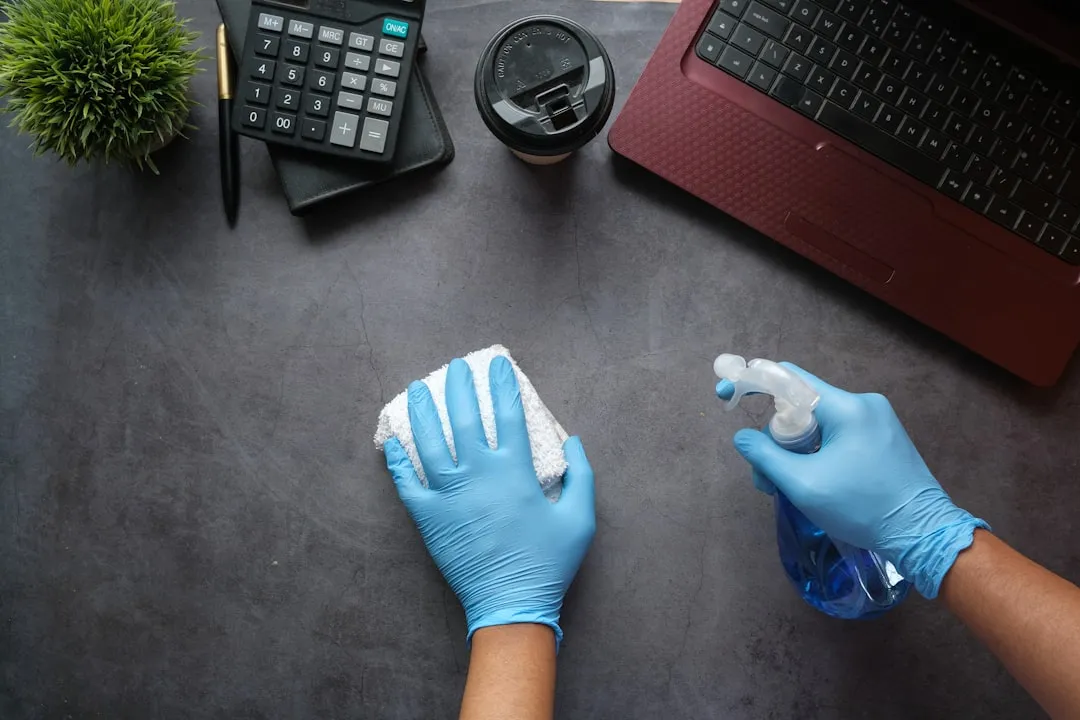
Move the television a few inches off center, or pick up the phone, lamp, or clock radio. Look for the tell-tale line of dust that will indicate a quick swipe with a rag rather than a thorough cleaning. This is one of the simplest checks there is, and it takes only seconds.
Upon entering the room, look behind the television counter, move the lamp or the clock radio a bit, and you may find a line of dust. It could mean that the room service did a quick swipe rather than a thorough cleaning. A properly cleaned room won’t have dust ridges hiding behind fixtures. It’s a small detail that housekeeping teams under time pressure often skip.
The Smell Test: Trust Your Nose
Your nose is probably the best guide as to whether or not a room is clean. If it smells funky, it’s dirty. Almost nothing that smells bad is actually good. Most hotel room odors are linked to mold and mildew, neither of which is healthy or acceptable.
A truly clean room should smell neutral and fresh, not like heavy air fresheners or lingering mildew. If you detect the smell of smoke in a non-smoking room, it could be a sign that the room was not properly cleaned or that the hotel is not enforcing its non-smoking policy. Scents can be used to mask unpleasant odors, so be wary if the room smells overwhelmingly of air freshener.
Star Ratings Won’t Save You
A 2025 study published in SAGE journals confirmed what most travelers already suspect: hotel star classifications primarily reflect facilities and services, and don’t consistently predict guest satisfaction with cleanliness, comfort, or value. Paying more does not automatically mean cleaner.
A 2024 analysis of over 3,000 hotel inspections by Amerisleep revealed that five-star hotels had three times more bedding violations than four-star ones. The cleanest linens were found at four-star properties. That is a counterintuitive finding worth keeping in mind the next time you assume a luxury price tag equals luxury hygiene.
The Housekeeping Reduction Nobody Told You About
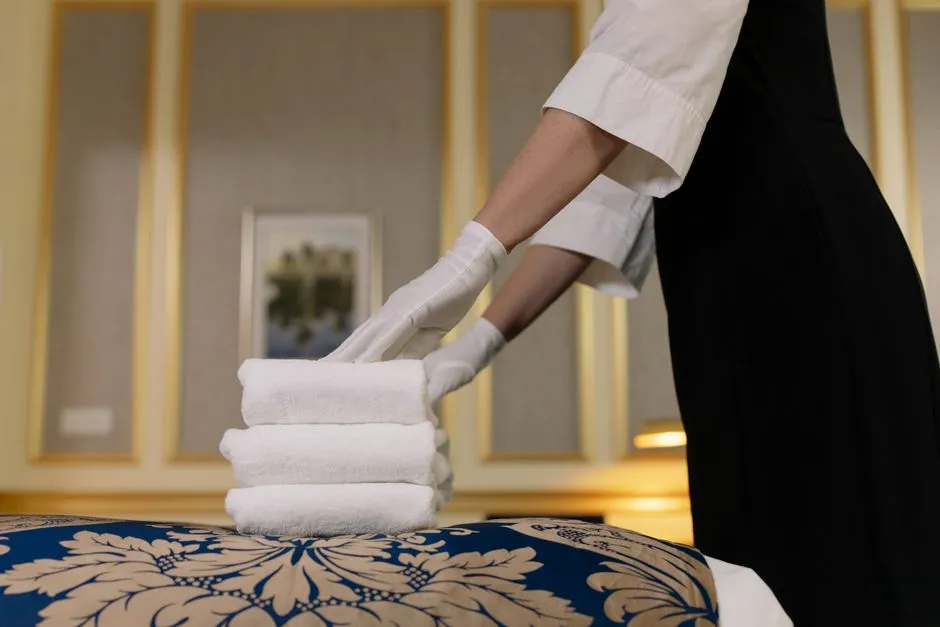
Many hotels dramatically reduced housekeeping during the pandemic, initially as a health measure. With the public health emergency officially over and hotel occupancy surging back to pre-pandemic levels, housekeeping is still lagging in many places. The habit stuck, largely because it saves money.
J.D. Power’s 2025 study found nearly half of guests consider daily housekeeping a “need-to-have,” but most aren’t getting it unless they specifically ask. The industry’s average daily rate hit a record in 2024, meaning guests are paying more and getting less cleaning. Many travelers report that hotels argue housekeeping is “flexible” or “available on request,” while cheaper chains default to cleaning every two or three days instead of every day.
What to Do When the Room Doesn’t Pass Your Check
If your room smells funky or there’s hair all over the bathroom, ask for a different room. If you see bed bugs, demand another room immediately. Don’t be afraid to ask for a different room, a quick cleaning of the bathroom, or fresh sheets. Most front desk teams are trained to handle exactly these requests, and a calm, specific complaint almost always gets results.
Travelers who feel extra cautious can take a few simple steps beyond a UV inspection. Packing antibacterial wipes for high-touch surfaces provides quick reassurance. Wiping the remote control or light switches takes seconds. These small actions cost almost nothing and cover the surfaces most likely to be skipped during a rushed turnover clean.
Conclusion: A Small Tool That Changes How You Travel
The UV light trick has moved from curious traveler hack to something more substantive, backed by actual research into what hotel surfaces carry and how ineffective visual-only cleaning checks truly are. It won’t guarantee a perfectly sterile room, and it wasn’t designed to. A black light does not replace common sense. It cannot detect germs or guarantee a germ-free space. The device simply highlights substances that react to ultraviolet light.
Used alongside a few additional checks – the furniture move, the smell test, the sheet inspection – it gives you a genuinely informed picture of what you’re sleeping in. Most of the time, the black light reveals absolutely nothing. Clean rooms look clean under ultraviolet light as well. That fact surprises people who expect every hotel to hide deep secrets. The goal isn’t anxiety. It’s awareness, and knowing you have the tools to act when something is genuinely wrong.
AI Disclaimer: This article was created with the assistance of AI tools and reviewed by a human editor.