
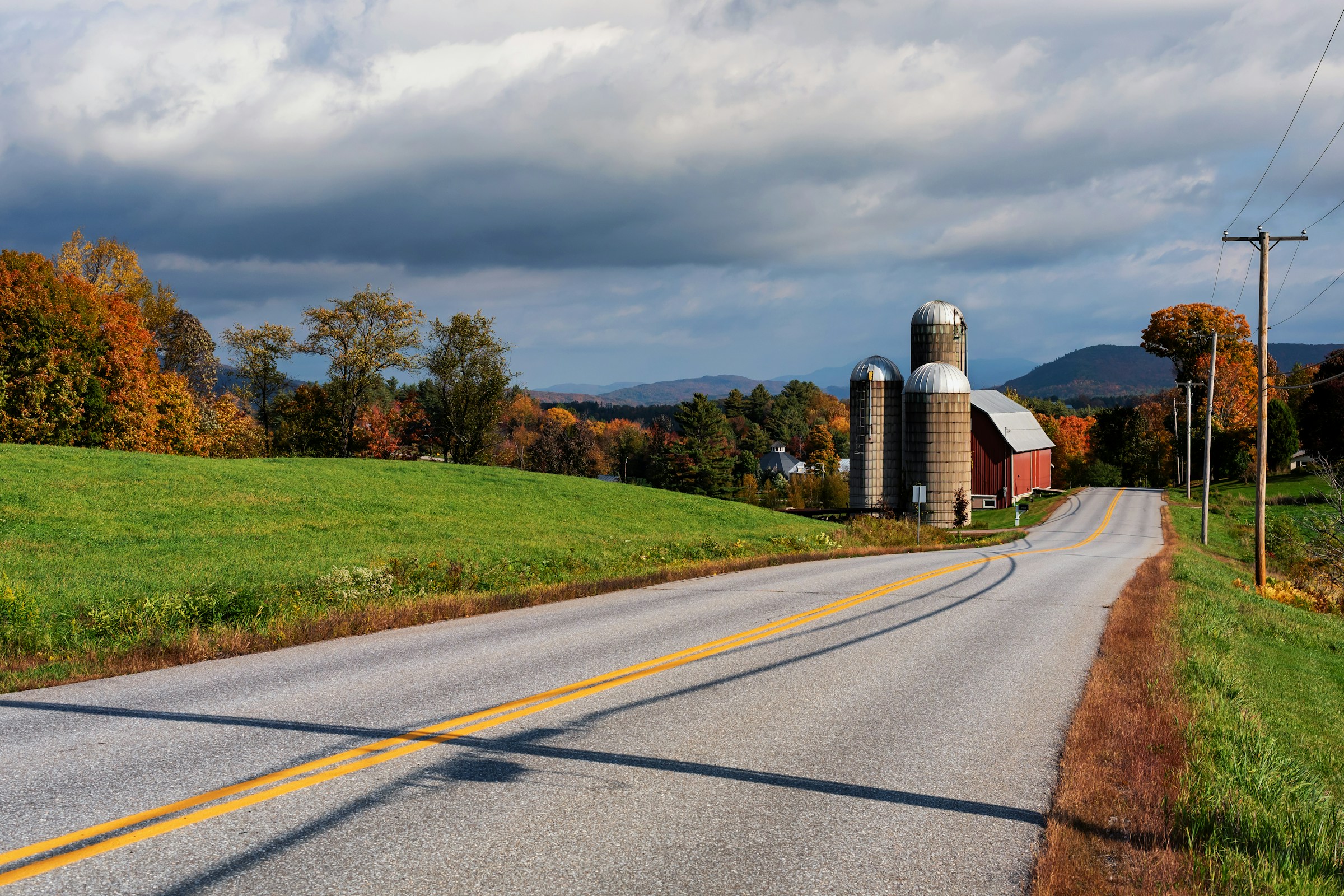

There’s a moment, somewhere along Route 100 as you descend into the Mad River Valley, when Vermont stops feeling like a place you’re passing through and starts feeling like somewhere that genuinely belongs to a different era. The light is amber. The mountains close in. A covered bridge appears over the river, framed by old sugar maples in full flame.
That place is Waitsfield. It’s a small town of roughly 1,700 residents in central Vermont, and in fall, it does something rare: it earns every bit of the awe people bring to it.
A Valley Built for Autumn
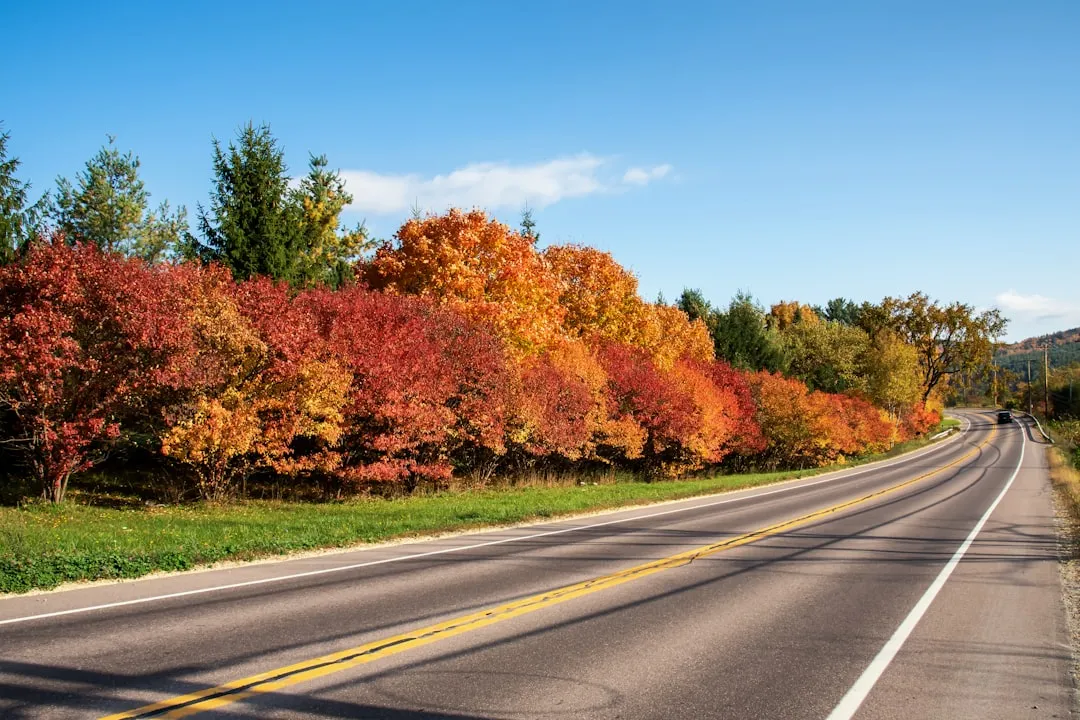
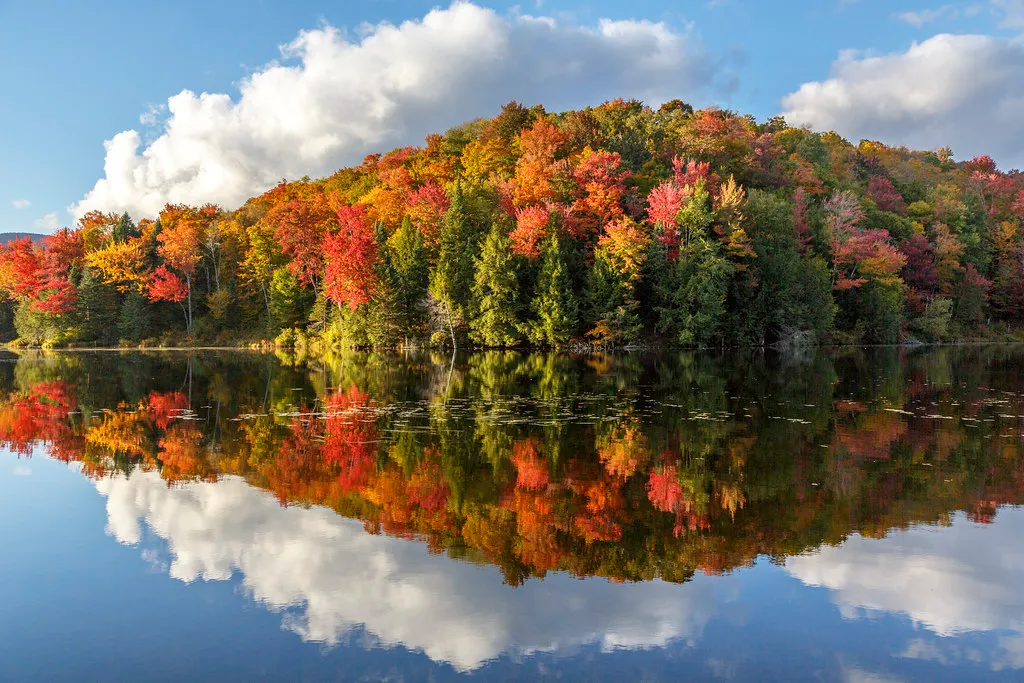
In the heart of the Mad River Valley, Waitsfield is a cozy town promising dramatic sights in fall. The valley, centrally located in Vermont, offers a striking contrast of Green Mountain summits and Mad River lowlands, combined with a tapestry of fiery autumn hues and crisp alpine air.
The Mad River flows through town, carving a scenic valley that defines both the landscape and local way of life. The valley setting creates dramatic views in every direction, especially when fall foliage paints the hillsides.
Vermont fall color is usually most dramatic where sugar maples, birches, beeches, and aspens mix across changing elevation, and the Mad River Valley sits in exactly that sweet spot of mixed forest and varied terrain.
When Peak Color Arrives
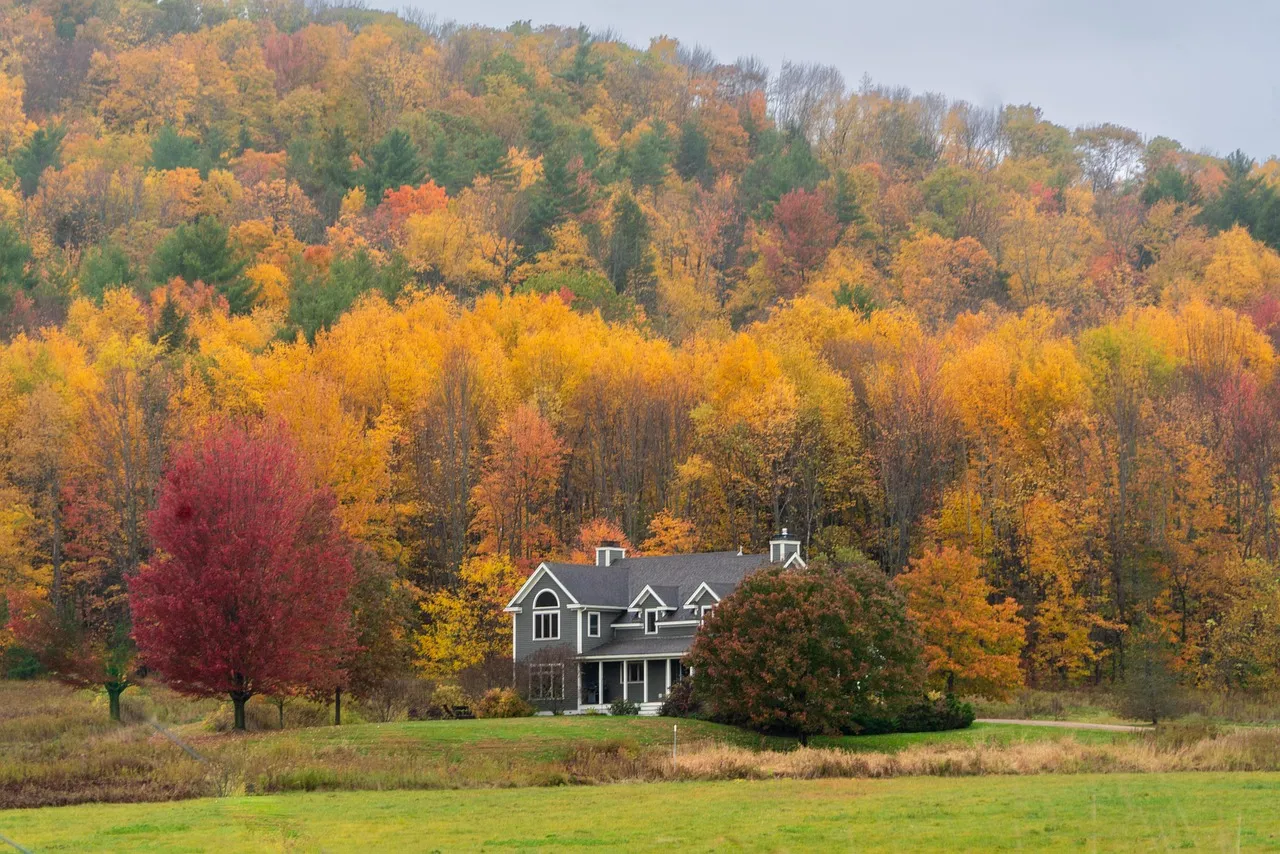
Fall foliage in the Mad River Valley typically peaks in early to mid-October and is consistently ranked among the most spectacular in New England. The timing, though, is never guaranteed to the day.
Vermont fall colors usually start in early to mid-September in the higher elevations and in the northern part of the state, moving into the valleys and southern parts of Vermont as September turns to October.
Peak viewing periods are typically brief, lasting only seven to ten days in any given location, according to the Old Farmer’s Almanac. That brevity is part of what makes it feel so worth chasing.
The Science Behind the Colors
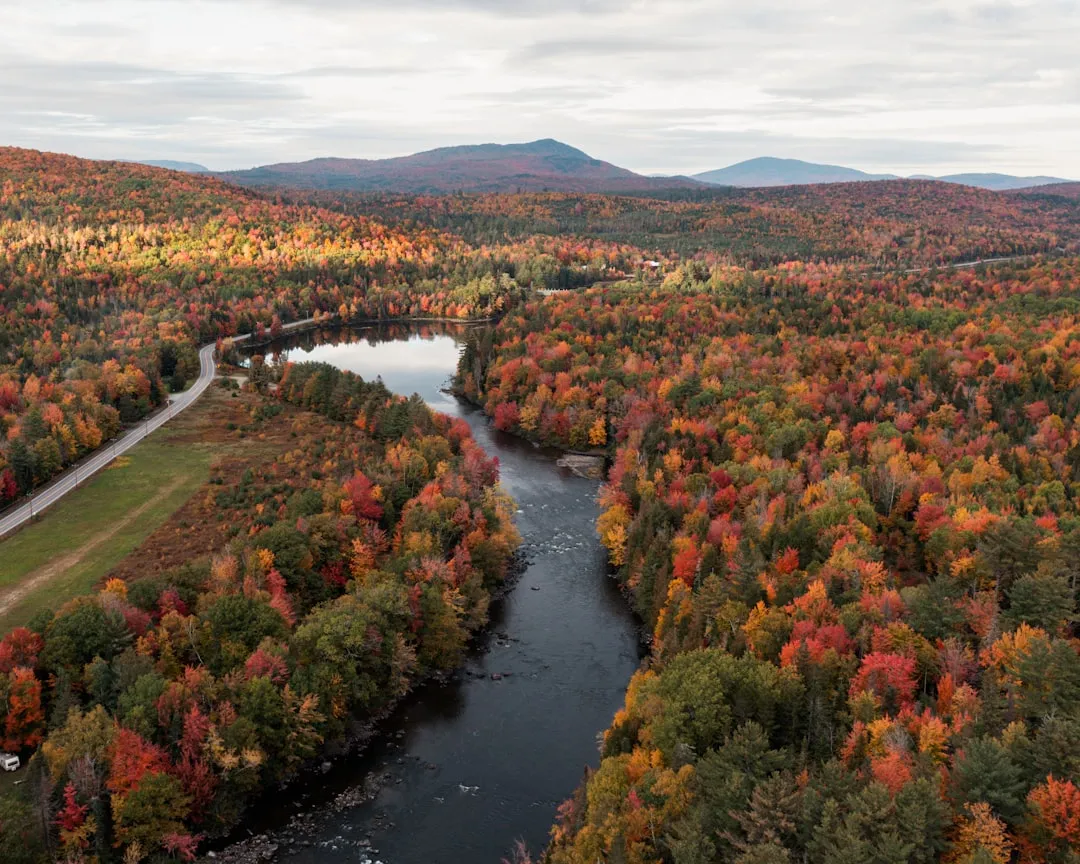
During the spring and summer, maple leaves supply energy to the tree, using chlorophyll to turn sunlight into sugar. In the fall, cooler temperatures and fewer daylight hours are the leaves’ signal to stop making energy, breaking down the chlorophyll and allowing other pigments such as red and orange to take center stage.
Vermont calls itself “home of the World’s Best Foliage,” a claim supported by its forest coverage of seventy to seventy-five percent of the state and the highest percentage of maple trees in the country.
Vermont’s dense forest covers seventy percent of the state, meaning you’ll be able to count on beautiful fall views during the week preceding and after peak foliage too, depending on weather conditions and geographic location within the state.
The Covered Bridge That Stops Time
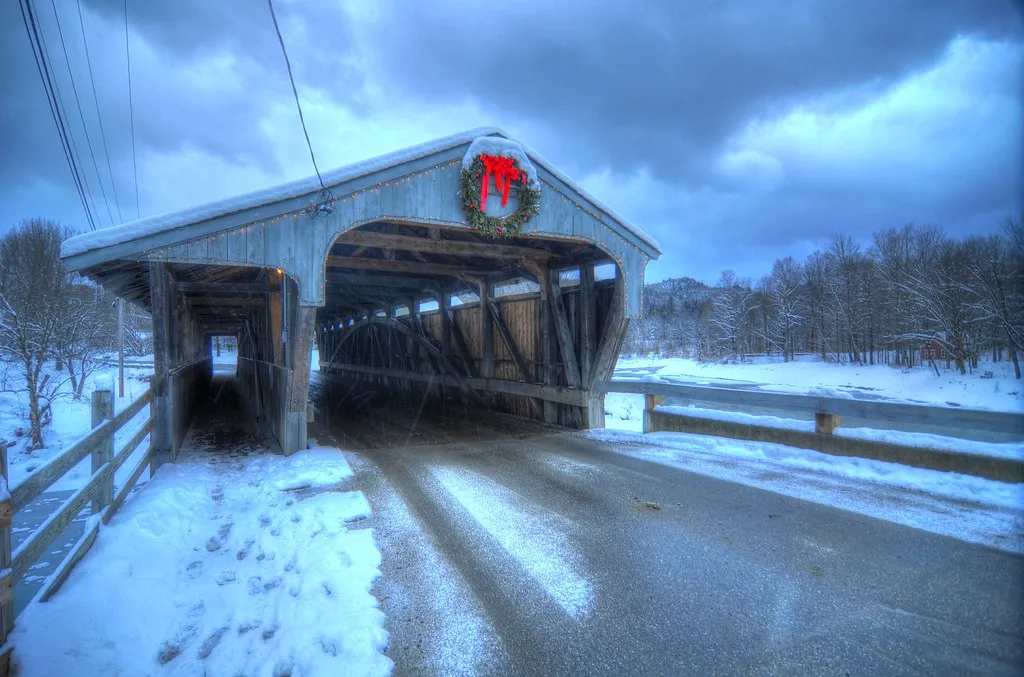
The 1833 lattice-covered bridge over the Mad River in Waitsfield village is one of Vermont’s most photographed. The yellow bridge, the river below, and the old maples framing it have been the subject of paintings and photographs for two centuries.
It’s the kind of structure that makes you put your phone down for a moment, which is saying something in 2026. Standing beside it in October, with the river running cold and fast below and the colors above the water doubled in the reflection, feels genuinely removed from the ordinary world.
The Mad River meanders through town and offers a refreshing view and sound when you want to relax. That combination of sight and sound, leaves and current, is quietly hard to replicate anywhere else.
Hiking to a Higher Perspective
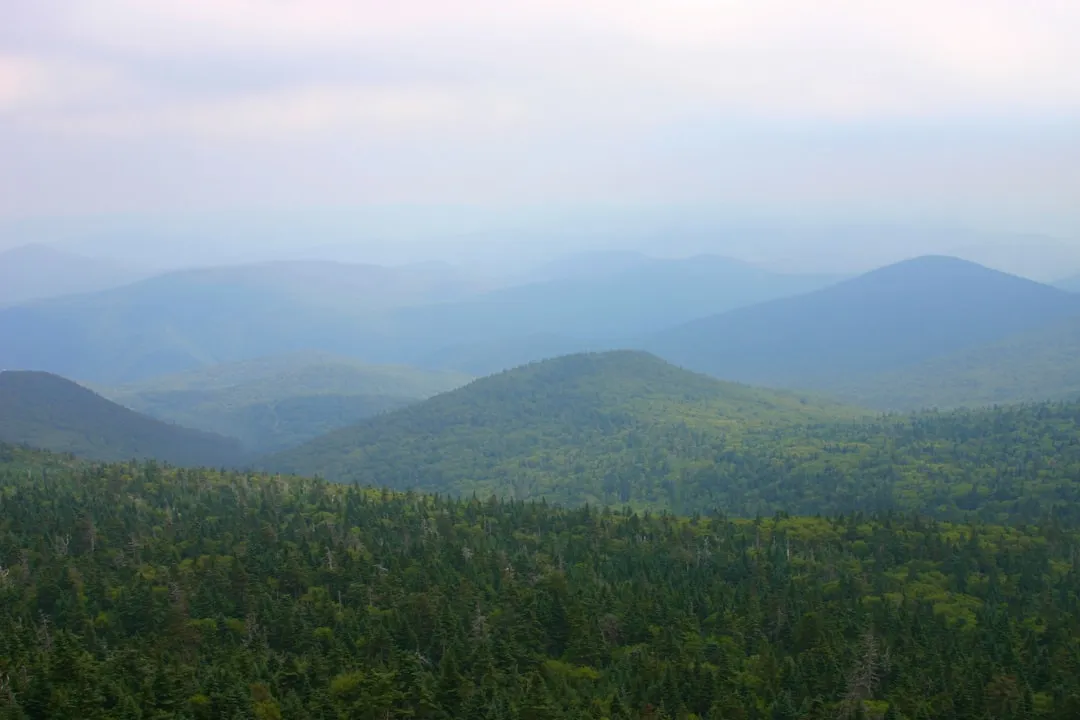
For a fantastic view of the Green Mountains, hiking nearby Camel’s Hump offers 360-degree vistas of the foliage. It’s one of the most rewarding half-day hikes in the region and requires no special equipment.
Sugarbush Mountain Resort towers above the valley, and a vast trail network is ideal for hiking, running, and biking. In fall, the resort’s gondola offers an elevated view that most people only see in magazine spreads.
With shorter days and cooler nighttime temperatures, fall has arrived, ushering in one of nature’s most magnificent seasons. On the Green Mountain National Forest, fall colors are expected to be most vibrant during the peak weeks in the higher elevations.
A Farmers Market Unlike Any Other
The Waitsfield Farmers Market runs on Saturdays from late May through October, and is one of the best in Vermont, with local produce, cheese, maple, crafts, and live music. It’s the kind of market where you genuinely lose track of time.
From spring through fall, the outdoor market takes place on the Mad River Green in the heart of downtown Waitsfield. You can browse plant starts, artisan artwork and jewelry, and local produce including honey, mead, coffee, eggs, cheese, and more, sometimes with live music as a soundtrack.
On a crisp October Saturday, the market is essentially a portrait of the community itself. Farmers, artists, hikers, and families all converge in the same small green, and the whole thing has a warmth that’s hard to manufacture.
The Local Culture That Sets It Apart
The locals, from artists and potters to innkeepers, chefs, musicians, and ski instructors, are visibly happy. They take time for meaningful conversations with one another. They get down to good music. They are laid-back, free-spirited, and sincere.
The Valley has a surprisingly rich arts scene for a small community. Artisans’ Gallery in Waitsfield showcases work from over thirty local artists and craftspeople. The Big Picture Theater and Café in Waitsfield is a beloved independent cinema and gathering spot.
Mad River Distillers crafts small-batch spirits using Vermont grains and maple syrup, with tastings available. It’s the sort of detail that adds up: this is a place that makes things, not just hosts visitors.
Where and What to Eat

The Warren Store has been the actual general store of the town of Warren since 1839, with a deli counter, an espresso machine, a bottle shop, hardware in the back, outdoor gear upstairs, and locals getting lunch at the picnic tables on the deck overlooking the waterfall.
Mad River Taste Place offers an incredible selection of cheeses and cheese tastings, along with lots of locally sourced goods. Pair that with a walk along the river and you’ve covered the essentials.
Using local ingredients from King Arthur Bakery and Cabot Creamery, among others, local eateries bring the best of Vermont together. Nothing beats a stack of buttermilk pancakes with fresh Vermont maple syrup.
The Economics of Fall Foliage
An estimated two and a half million people visit Vermont during the fall foliage season. That number speaks to how genuinely rare this kind of natural spectacle is, even by New England standards.
It’s estimated the state takes in roughly half a billion dollars during the six-week fall foliage season. For small towns like Waitsfield, that economic pulse is the heartbeat of the entire year.
Fall is the busiest travel season in Vermont, so booking inns or cabins early is essential. Rooms that are available in late August can be completely gone by early September, particularly for peak October weekends.
Why Waitsfield Feels Like Somewhere Else
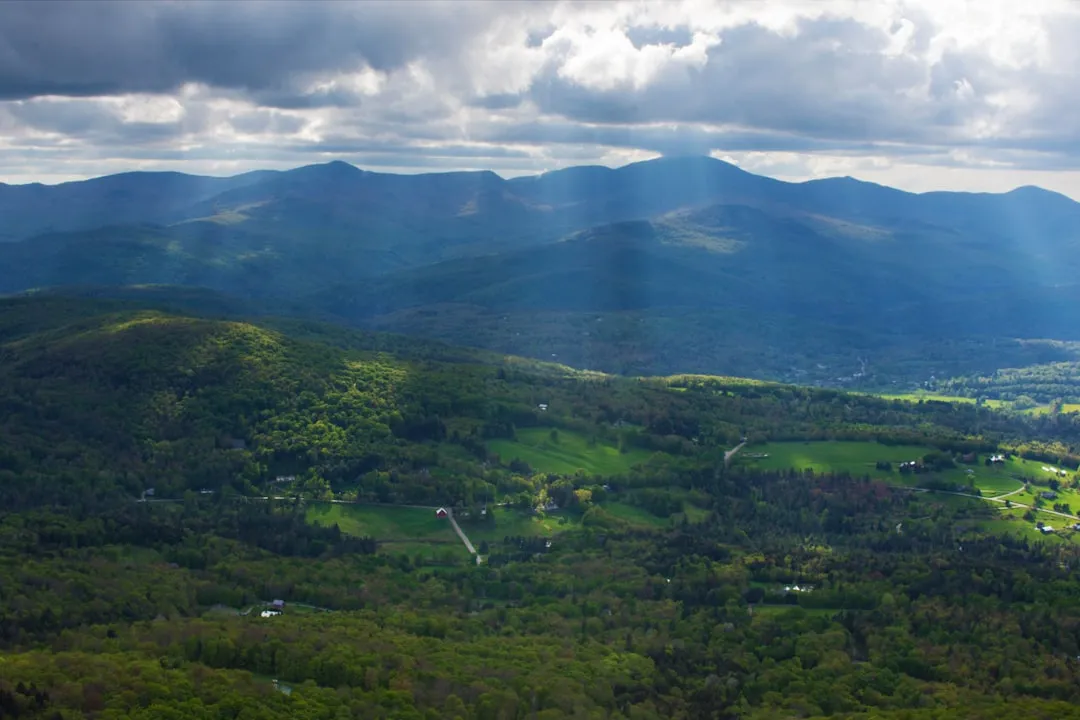
When people think of fall in Vermont, the Mad River Valley is what they imagine. That’s not a coincidence. The geography does something precise: the mountains hold the valley in, the river anchors the town, and the colors fill the space between them.
One of the most picturesque destinations for a fall escape is Mad River Valley in Vermont. Nestled amidst the Green Mountains, this charming region offers a perfect blend of natural beauty, outdoor adventures, and small-town charm.
More than one frequent visitor has said that if they had to choose one town to live in, they would pick Waitsfield, Vermont. When you hit the peak of the Appalachian Gap and start making your way down into the Mad River Valley, there’s a “welcome home” feeling, even for those who’ve only ever been visitors.
The Takeaway
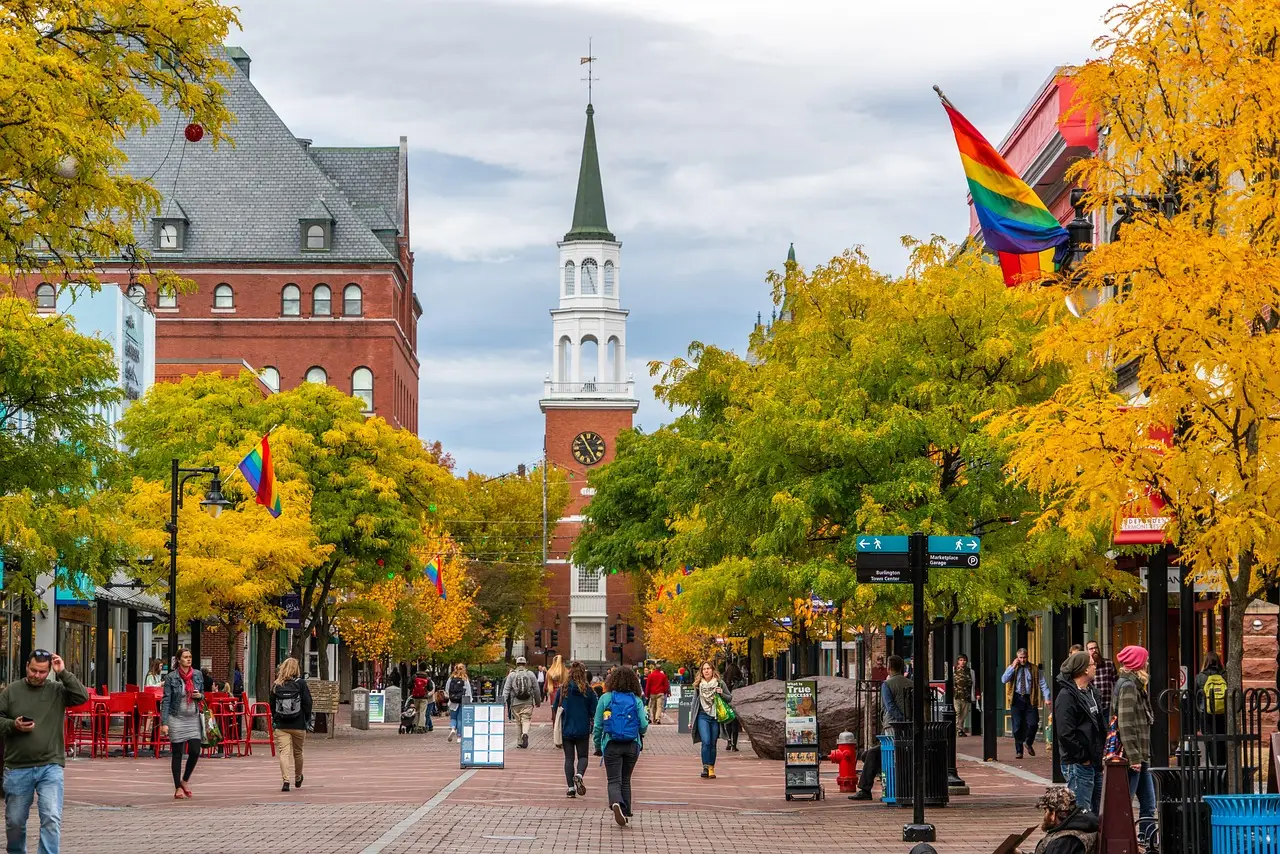
Waitsfield isn’t performing autumn for you. The colors are real, the river is cold, the cheese at the market is local, and the people have been here long enough to know that the best day of the week is a Saturday in October when the mountains are on fire and nobody is in a hurry.
Vermont’s fall tourism economy is substantial, the visitor numbers are real, and the foliage science is well documented. But none of that explains the particular quality of stillness you find in the Mad River Valley when the season is at its height.
Some places earn their reputation simply by showing up as themselves. Waitsfield, in fall, is one of them.
AI Disclaimer: This article was created with the assistance of AI tools and reviewed by a human editor.