
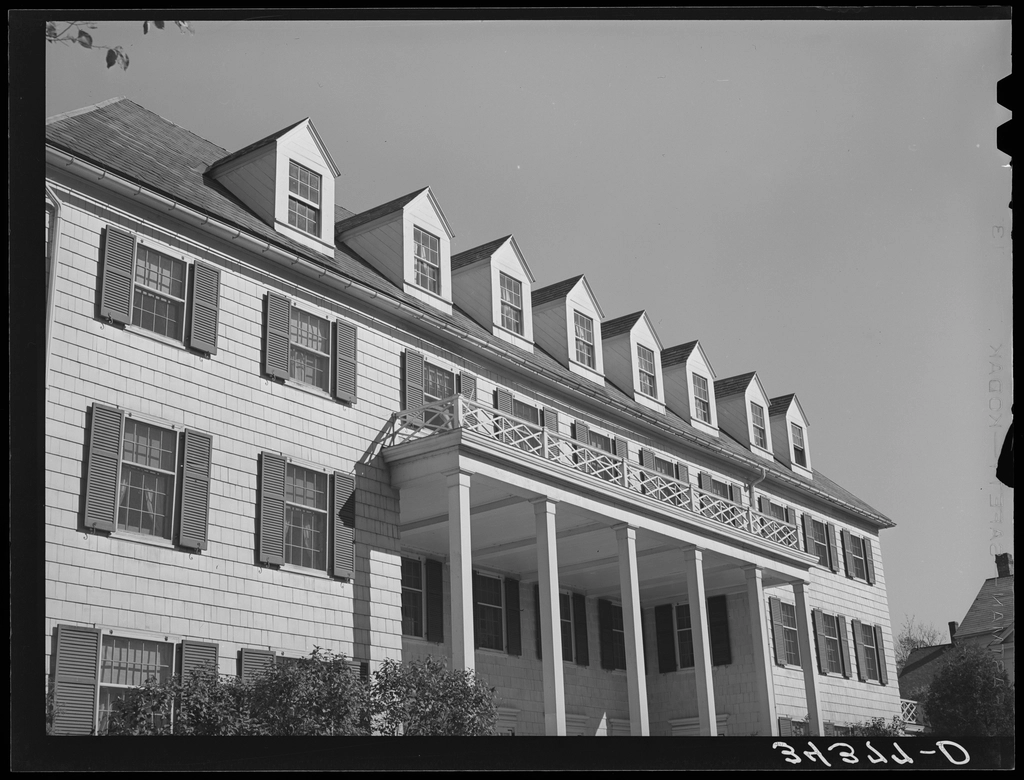

There’s a certain kind of Vermont town that shows up on postcards without ever really changing to fit the image. Wallingford, tucked into the Otter Creek Valley along Route 7, has always been one of those places.
What’s new is the attention: a national outlet recently singled out this town of a few thousand people for something most communities spend decades chasing, and the reasons behind it go back further than anyone might expect.
A Vermont Village Steps Into the Spotlight
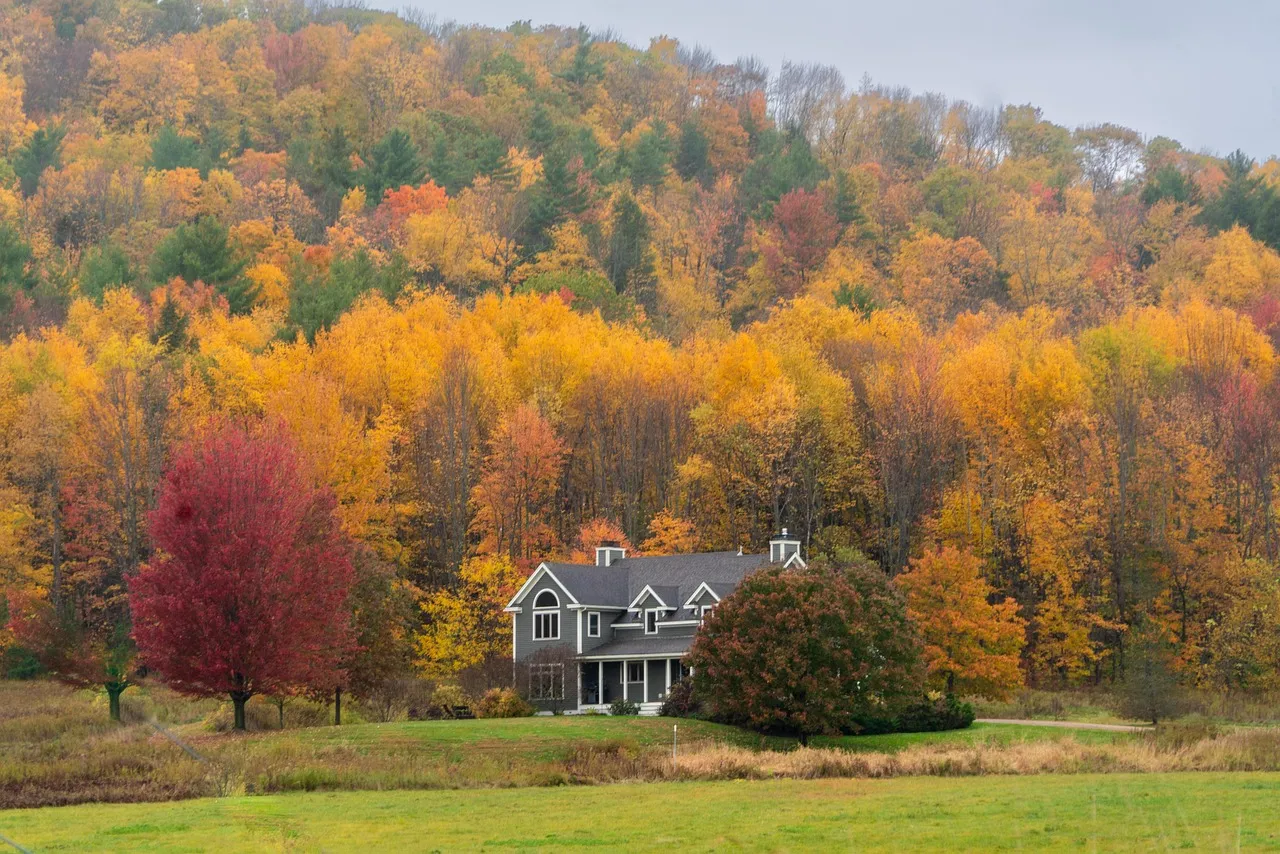
Earlier this year, the travel and geography site WorldAtlas named Wallingford’s Main Street the most walkable downtown in the entire country, a claim that quickly made its way into regional papers and national wire coverage. The title of “The Most Walkable Downtown in the United States” was given to a small town of a little over 2,000 residents near the Green Mountains, according to WorldAtlas. The reasoning was refreshingly simple.
WorldAtlas explained that Wallingford’s Main Street earned the distinction because visitors can park just once and then walk the entire area without needing to pick up the pace. No shuttle, no second parking lot, no long drive between attractions. Just one spot for the car and a whole afternoon on foot.
A Town Designed for Walking From the Start

What makes Wallingford’s story interesting is that the walkability wasn’t an accident of modern planning. Wallingford was intentionally planned to be walkable: in 1761, Governor Wentworth of New Hampshire gave Captain Hall and his 63 associates a six-mile square tract of land comprising 23,040 acres, a size that was deliberate, allowing residents to travel to church, markets, and town meetings between morning and evening chores. That founding logic, distance measured in a day’s walk rather than a day’s drive, still shapes how the village feels today.
It’s a small detail, but it says something about how differently people once thought about scale. A town built around footsteps instead of horsepower tends to stay compact for a reason.
Three Villages Under One Name
Wallingford isn’t a single cluster of buildings so much as a trio of them. Wallingford is divided into three distinct villages, each depicting the typical small New England town with colonial, federal, and Victorian homes, antique shops, white steepled churches, inns, and small country stores and gift shops. The main village sits along Route 7, while East Wallingford and South Wallingford round out the town’s broader footprint.
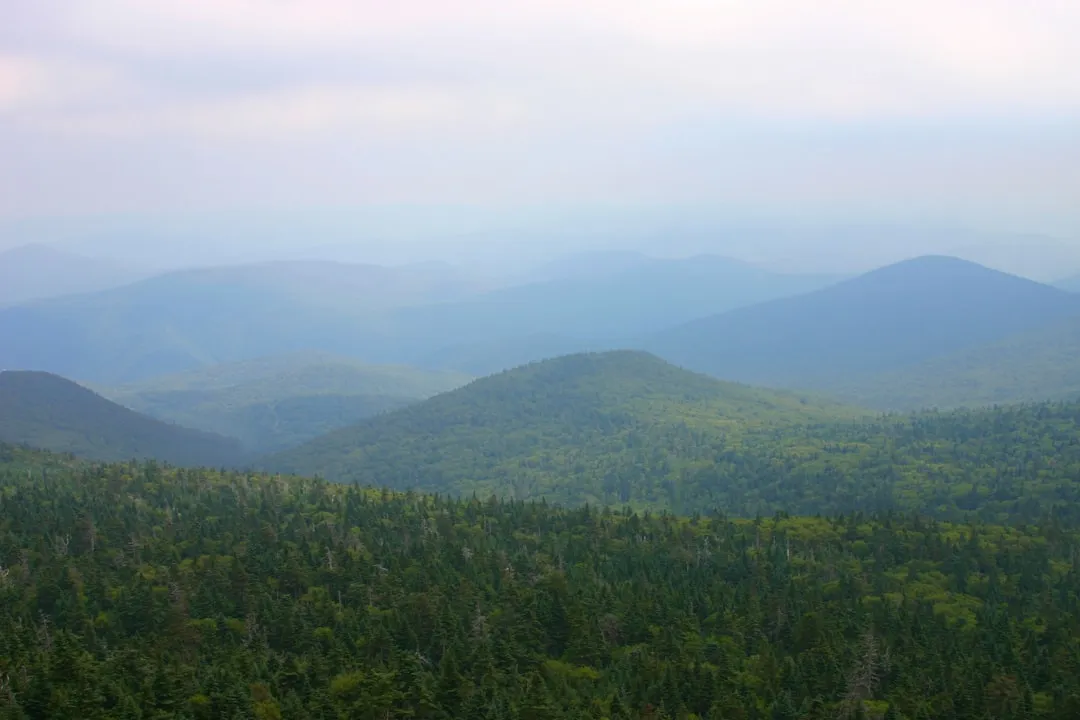
The Town of Wallingford is located in the Otter Creek Valley along Route 7 between the Taconic and Green Mountain Ranges, 22 miles north of Manchester and 10 miles south of Rutland. That positioning puts it within easy striking distance of other well known Vermont destinations, without sacrificing its own quieter identity.
Main Street’s Place on the National Register
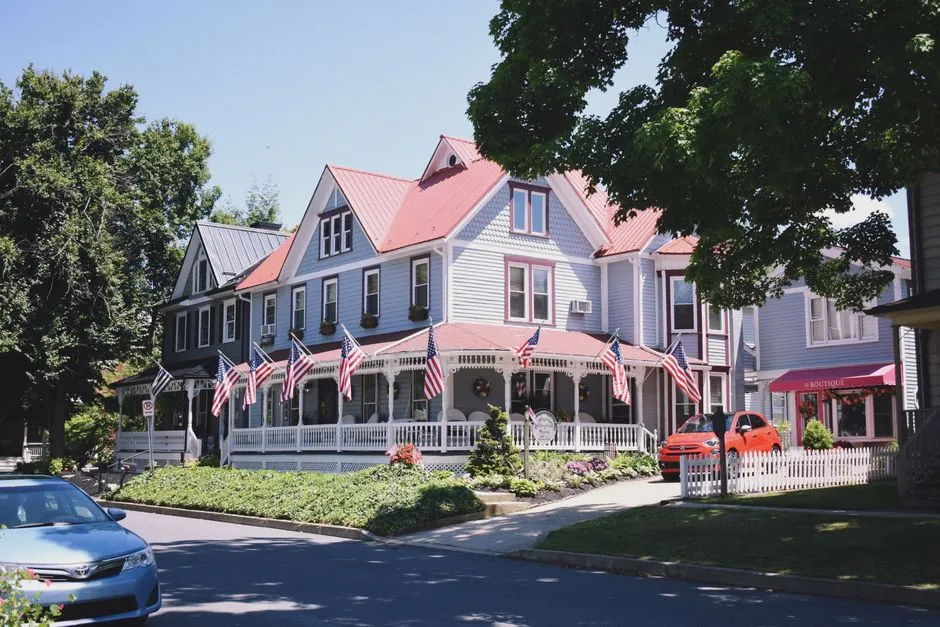
The architecture along Main Street isn’t just old, it’s officially recognized as historically significant. The Wallingford Main Street Historic District encompasses the historic portions of the village, extending along Main Street on either side of School Street, with a well preserved array of 19th and early 20th century residential, commercial, and civic buildings, and it was listed on the National Register of Historic Places in 1984. Walking the street means passing through more than two centuries of New England building styles in the span of a few blocks.
Wallingford’s downtown is packed with preserved 19th and early 20th century buildings that reflect the town’s development as a rural village hub, including landmarks like the uncharacteristically multi-steepled Wallingford First Congregational Church and the Wallingford House, renamed True Temper Inn in 1926. Nothing here feels staged for tourists. It reads more like a town that simply never tore down what it didn’t need to.
The Old Stone Shop and a Forgotten Industry

One of the more unexpected stops on a Wallingford walk involves farm tools, not scenery. The Batcheller and Sons Company operated out of the Old Stone Shop, once the oldest fork company in America, before the American Fork and Hoe company, known as True Temper, took it over in 1902. In 1835, Lyman Batcheller and his sons acquired the forge and opened a pitchfork manufactory, using Sheffield steel shipped by wagon from Troy, New York.
The building still stands, and it’s found new life as a retail space. Handmade in Vermont operates as the largest independent authorized Hubbardton Forge dealer, with more than 300 pieces on display in its showroom inside the historic Old Stone Shop. Much of the original structure still remains, including limestone walls and a slate roof, and the showroom exhibits a large selection of pitchforks and tools that were once made in the building, alongside work from other Vermont artisans such as furniture makers.
The Boy and His Boot: A Quirky Landmark

Every walkable Main Street benefits from at least one landmark that makes people stop and ask questions, and Wallingford has one in the form of a small bronze statue. Erected in 1898 in memory of local innkeeper Arnold Young, the painted metal figure shows a boy holding up his right boot, water dripping from the toe into a circular basin below. It’s whimsical, a little strange, and exactly the kind of detail that rewards slow foot traffic over a quick drive-by.
The statue even has a small mystery attached to it. Around 1910 the statue disappeared, and ten years later it was found in the attic of the Wallingford Inn, before being reinstalled at the Inn’s lawn in 1927, where it still stands every season except deep winter. Nobody seems to know exactly why it vanished in the first place, which somehow suits a town this understated.
Coffee, Parking, and the Rhythm of a Walkable Day

Part of what makes a downtown genuinely walkable is the logistics, and Wallingford has quietly solved that puzzle. Visitors can leave their car at Wallingford Park and Ride, a free lot on Meadow Street just a short walk from Main Street. From there, the whole village opens up without needing to move the vehicle again.
A short walk from the lot brings visitors to the town’s unofficial gathering spot. Sweet Birch Coffee Roasters and Bakery, in the center of town, serves in-house roasted espresso coffees along with an array of other hot and cold beverages, and its fresh baked goods are perfect for grabbing to go or enjoying while sitting out in the sun on the stone patio. It’s a low-key start to a day that doesn’t require a car for the rest of it.
Stone Meadow Park and Life Along Otter Creek

Wallingford’s walkability isn’t limited to shopfronts and historic buildings. There’s green space too, and it comes with a few unexpected touches. Stone Meadow Park on Waldo Lane offers a place to take a moment and bask in the warmth a small Vermont town provides, with honey bee hives installed at the park that can be viewed from a safe distance, and a kayak and canoe launch into Otter Creek located off Waldo Lane.
It’s a small park by most standards, but that’s rather the point. In a town built for a single afternoon on foot, a quiet spot by the creek does a lot of work.
Where to Eat and Stay: The Victorian Inn

After a day of walking, Wallingford offers a proper place to sit down. Dinner at the Victorian Inn at Wallingford offers a natural place to slow down, with a dining room featuring classical décor, rustic details, and high ceilings, and service that matches the setting. The menu ranges from braised beef ravioli to red snapper, alongside handcrafted cocktails and a carefully selected wine list, making it an easy way to end a full day on foot.
For those wanting to stay overnight, the same building doubles as lodging, keeping the whole experience, arrival, exploring, dinner, and rest, within the same short stretch of Main Street. It’s the kind of convenience that larger towns often can’t replicate no matter how much they try.
A Hometown Tie to Rotary International, and Neighbors Worth Visiting
Wallingford’s connections reach further than its size might suggest. The town of Wallingford is the boyhood home of Paul Harris, founder of Rotary International. It’s a detail many visitors wouldn’t guess just from walking past the quiet homes along Main Street, but it’s part of what gives the village its layered sense of history.
For those who want to extend the trip, the region cooperates nicely. About 30 miles east of Wallingford, Ludlow offers a smaller but historically focused stop with sites on the National Register of Historic Places, while Rutland sits roughly 10 miles north of Wallingford, making it easy to pair a walking day in the village with a broader loop through the area.
A Small Town That Earned Its Reputation Honestly

Wallingford’s new recognition isn’t the product of a marketing campaign or a sudden makeover. It’s the result of choices made more than two and a half centuries ago, reinforced by a community that preserved rather than replaced what it inherited. The village doesn’t need visitors to rush from one attraction to the next, and maybe that’s the real lesson here: sometimes the most memorable places are the ones built, quite literally, at walking speed.
AI Disclaimer: This article was created with the assistance of AI tools and reviewed by a human editor.