
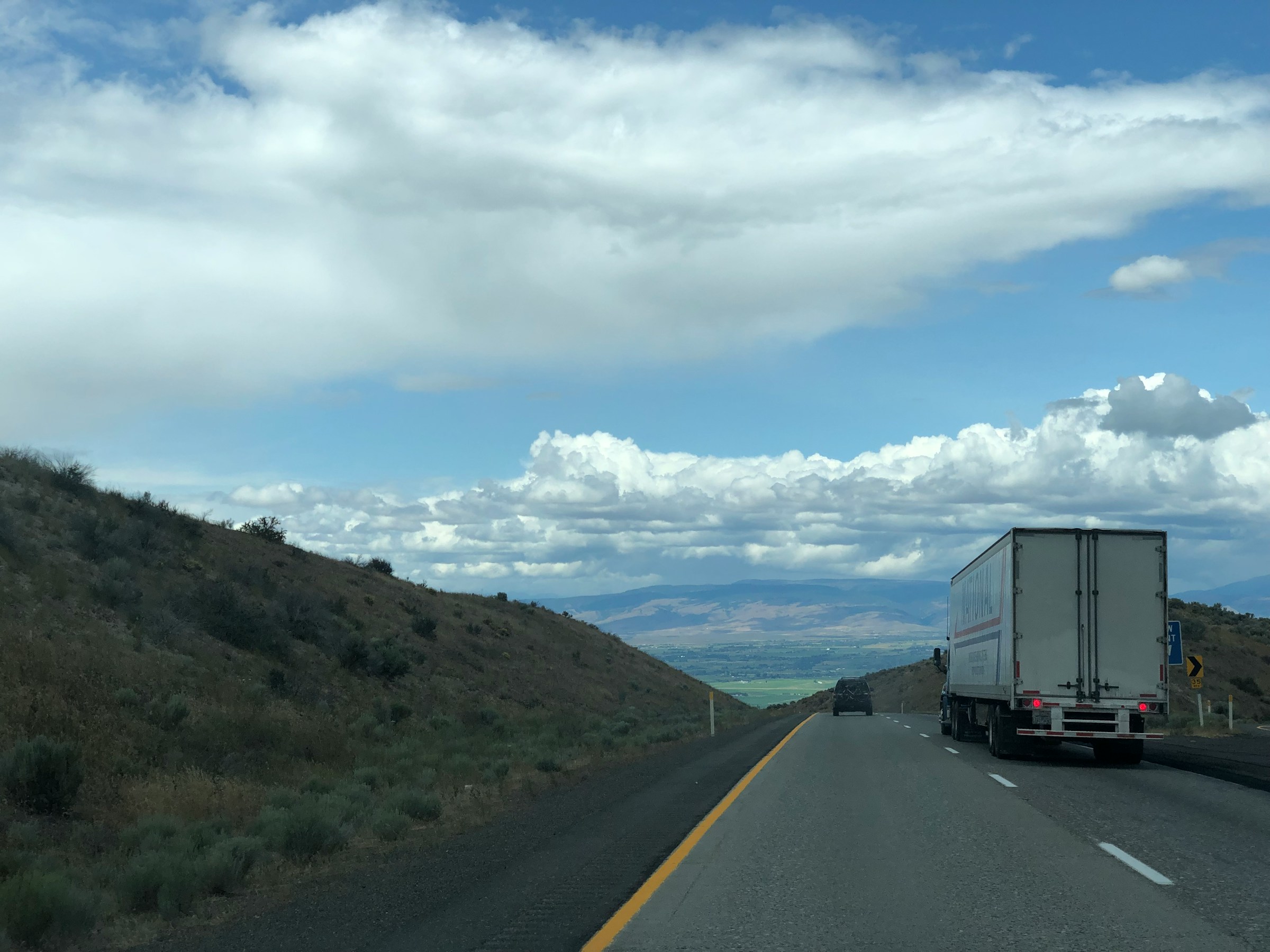
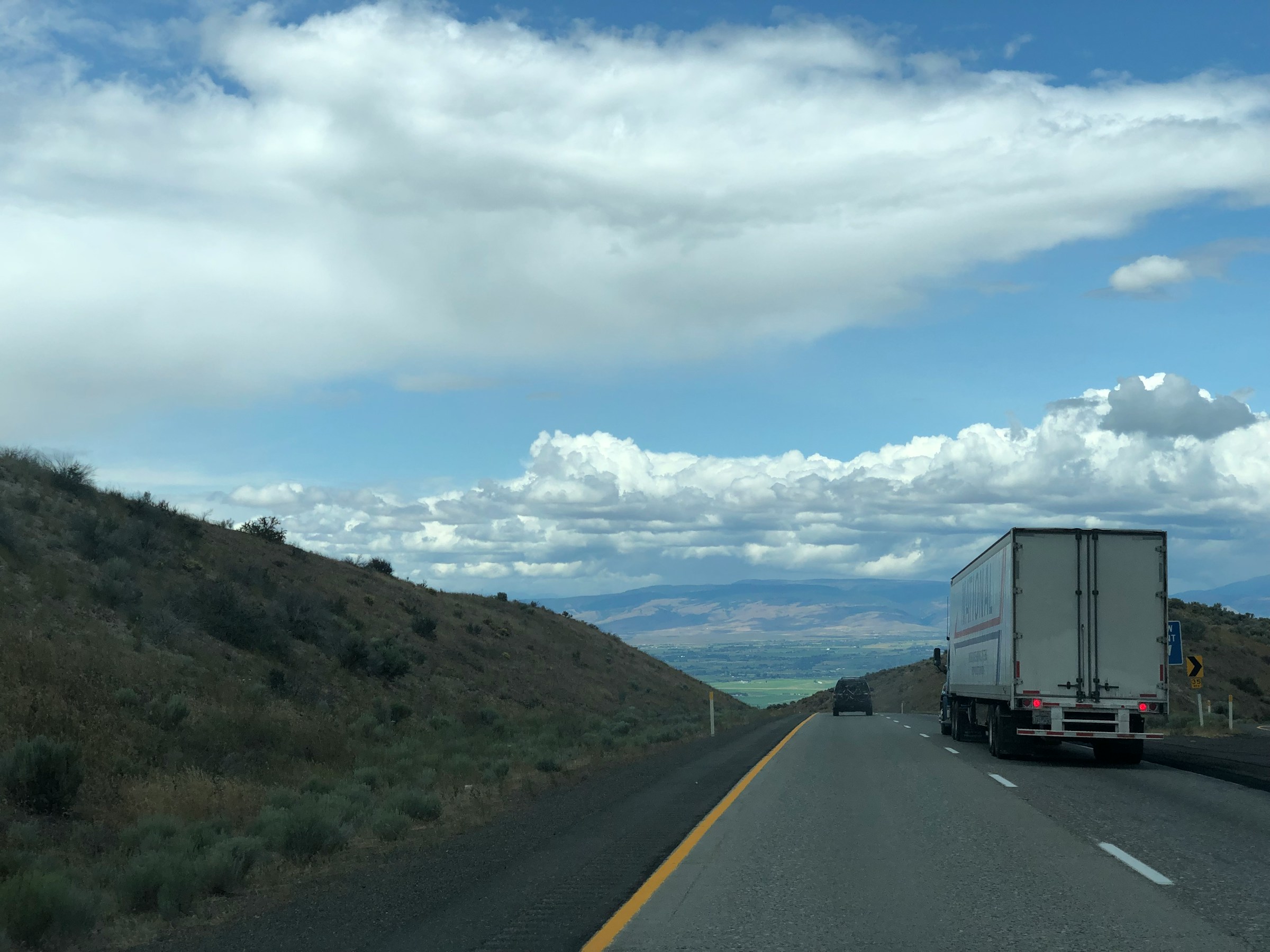
Washington State has a reputation that travels ahead of it. Mention the name to most people and they’ll picture gray skies, persistent drizzle, and the kind of overcast light that feels permanent. That image is real enough for the western side of the Cascades, but it tells less than half the story.
Cross those mountains heading east, or find yourself in a quiet peninsula pocket, and the weather changes completely. There are towns in this state where the sun shows up reliably, where rainfall totals rival Los Angeles, and where people spend summer afternoons in 85-degree warmth. The data backs all of this up.
Ellensburg: Washington’s Sunniest Town, Full Stop
Ellensburg tops the charts as the sunniest city in Washington State. It sits on the Yakima River, roughly 40 minutes north of Yakima in Central Washington. On average, there are 204 sunny days per year in Ellensburg, making it genuinely competitive with the national average. That number surprises nearly everyone who hears it the first time.
The summers in Ellensburg are warm, dry, and mostly clear, while winters are short, freezing, snowy, and partly cloudy. July and August, when the average high temperature reaches 82°F, are the warmest months. It’s the kind of summer that rewards anyone who loves being outdoors without needing to chase weather forecasts first.
Why the Cascade Mountains Make All the Difference
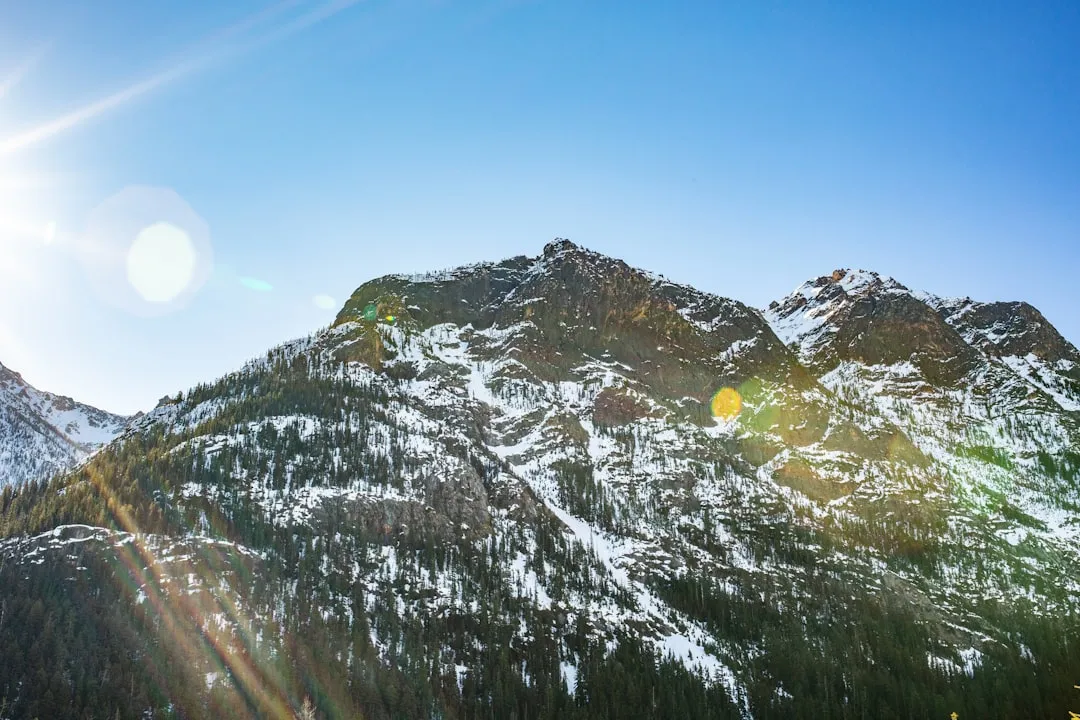
Washington’s reputation for being wet and gray is generally valid only for the northwestern part of the state around the Seattle area. The regions east of the Cascade Mountain Range offer a much warmer and sunnier climate compared to cities in the Puget Sound region. The mountains act as a wall that most Pacific moisture simply can’t clear.
In the shadow of the Cascades, little rain falls, and cities like Wenatchee, Ellensburg, and the Tri-Cities enjoy up to 300 days of sunshine a year. Annual rainfall is far less than in Western Washington. This is a consistent, climatological pattern, not a seasonal fluke.
Seattle’s Numbers Put the Surprise in Perspective
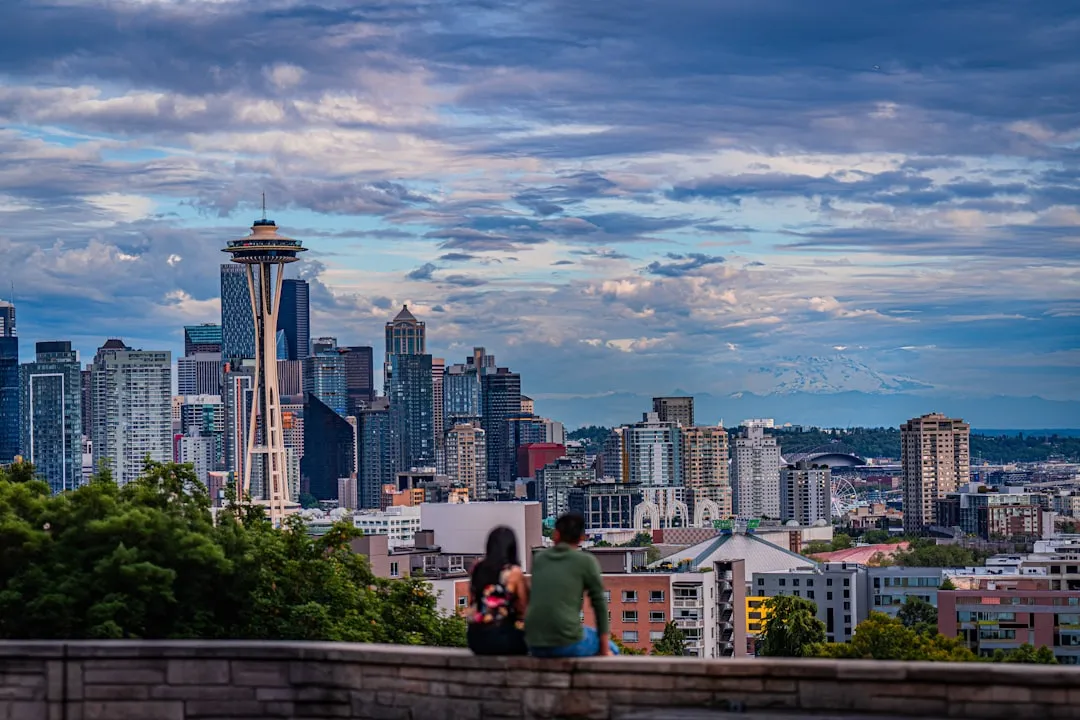
Residents of Seattle experience about 152 days of sun per year, which is about 42 percent of their days, while they receive about 38 inches of rain annually. That baseline helps explain just how dramatic the contrast is once you head inland. Ellensburg gets roughly 34 percent more sunny days than Seattle every single year.
Seattle’s seasonal sunshine peaks at 312 hours in July and drops to just 54 hours in December, with a total annual figure of 2,171 hours. Ellensburg, by comparison, totals approximately 2,857 annual sunshine hours, a difference that adds up meaningfully over the course of a year.
The Tri-Cities: Richland, Kennewick, and Pasco
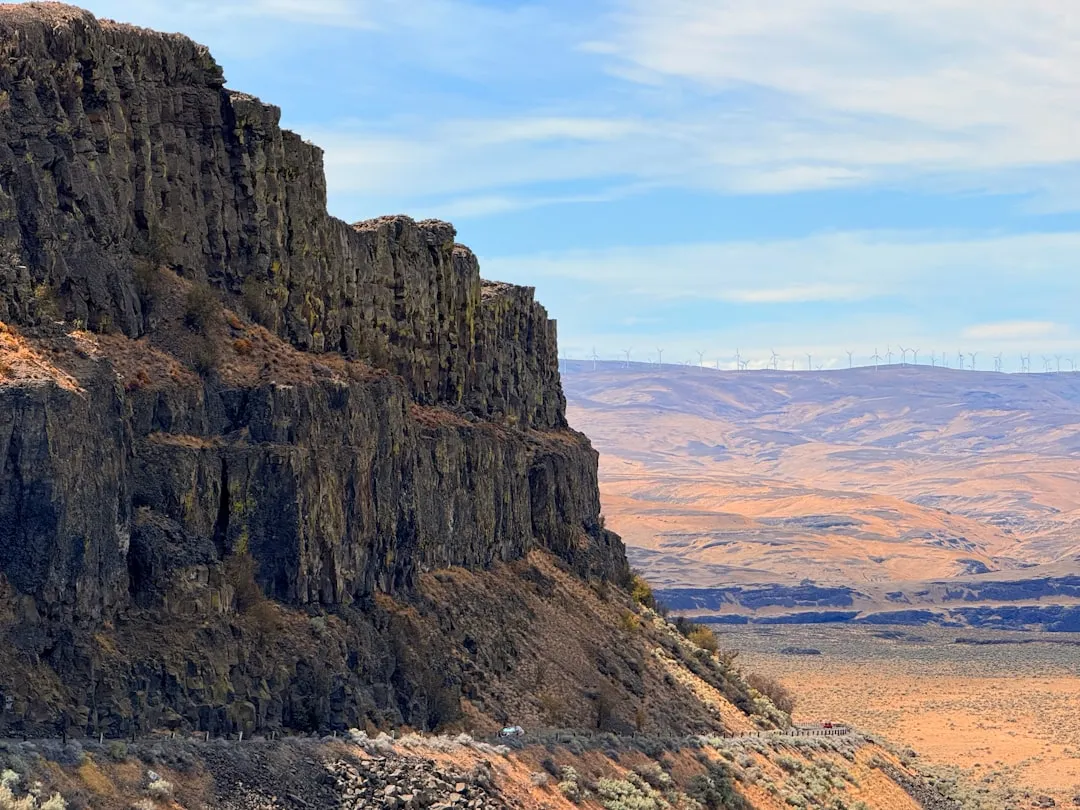
Richland is the smallest of the Tri-Cities in Southern Washington State, but it is also the sunniest. It receives about 196 days of sun per year, roughly five more than its neighboring cities, and its desert-like climate makes for hot, dry summers and mild winters warmer than most of the state.
Kennewick receives about 191 days of sunshine per year and features warm temperatures throughout each season. The official climate is classified as semi-arid, actually close to a desert climate. Its annual rainfall of around 8 inches is nearly 80 percent less than what Seattle gets. These are numbers that feel more like Arizona than the Pacific Northwest.
Sequim: The Sunshine Surprise of Western Washington
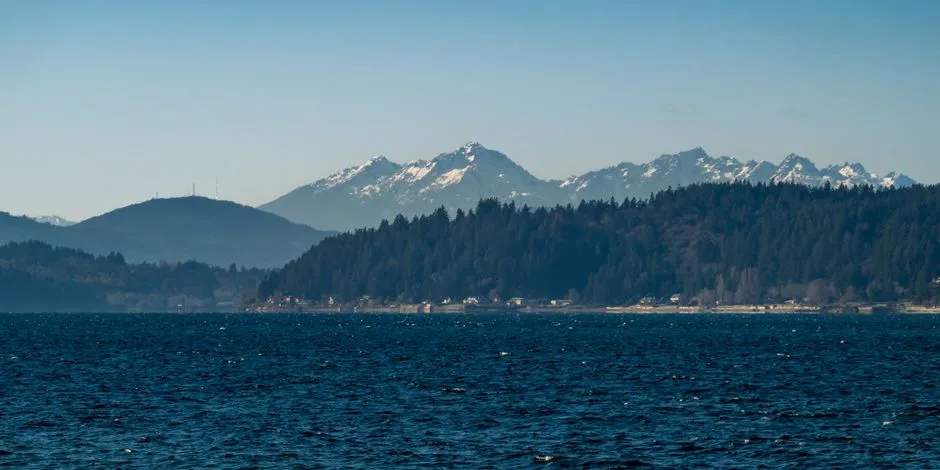
Sequim, on the Olympic Peninsula, is the sunniest place in Western Washington. That statement tends to stop people mid-sentence. The Olympic Peninsula is notorious for rainfall, yet one small town on its northeastern edge behaves by entirely different rules. Of all the locations in the Pacific Northwest, Sequim is the town with the least rainfall, because it sits in the bullseye of the Olympic Mountain rain shadow, receiving just 16 inches of precipitation per year.
Research spanning 2010 to 2011 found that Sequim had 69 extra days where it was partly or mostly sunny versus overcast or dreary in Seattle, with much of the advantage coming in winter and spring. On satellite imagery, you can sometimes see a literal hole in the overcast sitting over the northeastern Olympic Peninsula, suggesting the sun is out in Sequim while it’s pouring everywhere else. That phenomenon even has a local nickname: the blue hole.
The Science Behind the Rain Shadow

Moist air moves in from the Pacific and the Strait of Juan de Fuca. As it rises over the Olympic Mountains, it cools and drops most of its moisture on the windward side. The air that descends on the east side is much drier. This process, known as orographic precipitation, creates the Olympic rain shadow.
Sequim averages about 16 inches annually, while Forks on the west side of the peninsula often exceeds 100 inches, based on long-term NOAA climate normals and PRISM data. The scale of that difference, within just 90 miles, is genuinely staggering. Same state, same coastline, radically different skies.
Walla Walla: Wine Country With a Climate to Match
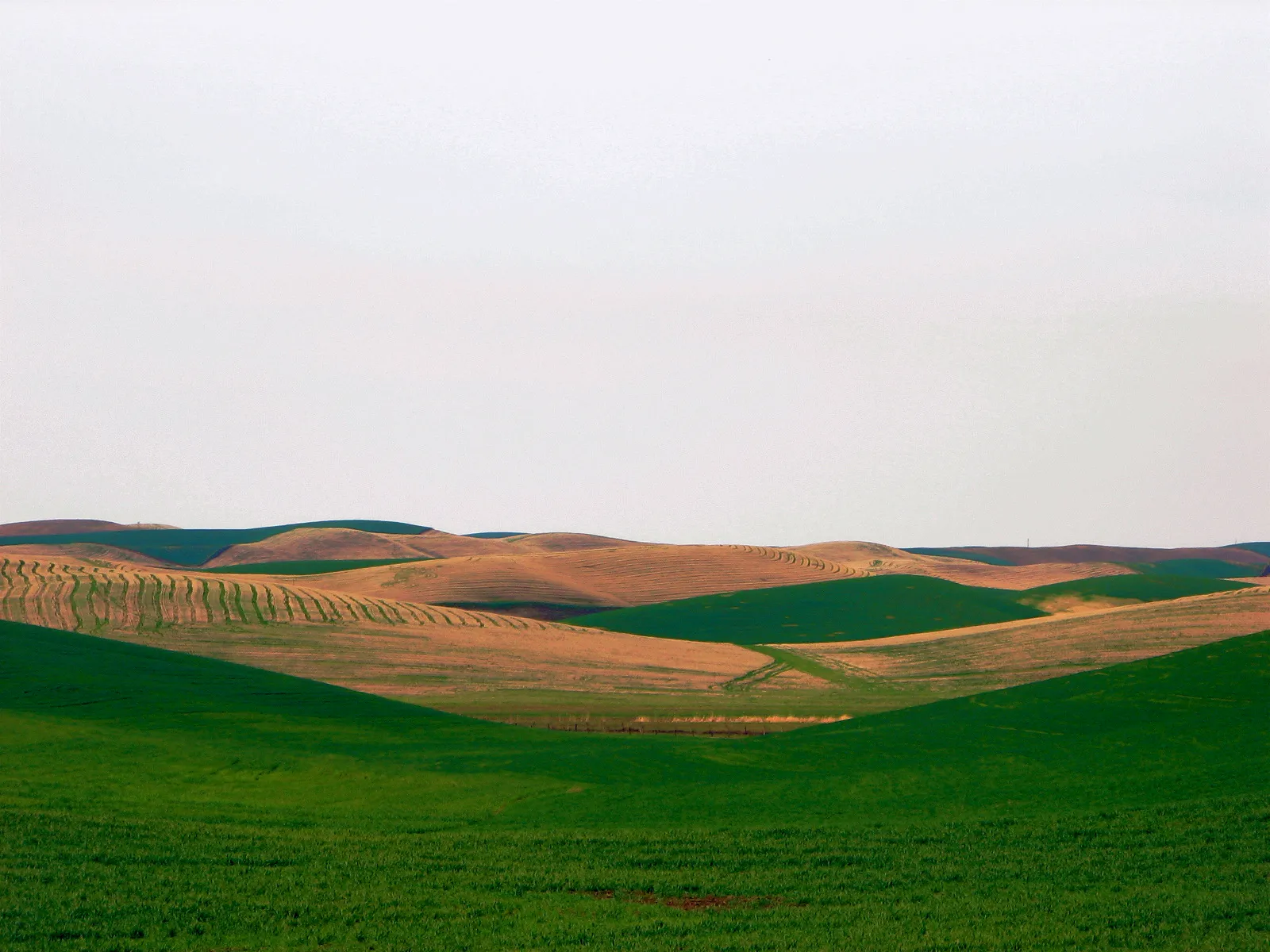
Walla Walla enjoys 188 days of sunshine per year, a prime reason why it is home to over 120 wineries that grow grapes in its ideal Mediterranean-like climate. Summers are warm, with average highs reaching 90 degrees, and it rarely snows in winter, with temperatures only dipping to about 30 degrees. For a wine-country town, the climate is as much of a draw as the scenery.
Known for its wine country, Walla Walla has warm summers and very little winter. The city’s Mediterranean-like climate creates pleasant conditions that attract both tourists and locals. The lavender farms, vineyards, and farm-to-table culture here all trace back, in some form, to that reliable sunshine overhead.
Yakima: More Than 300 Days of Sun Annually
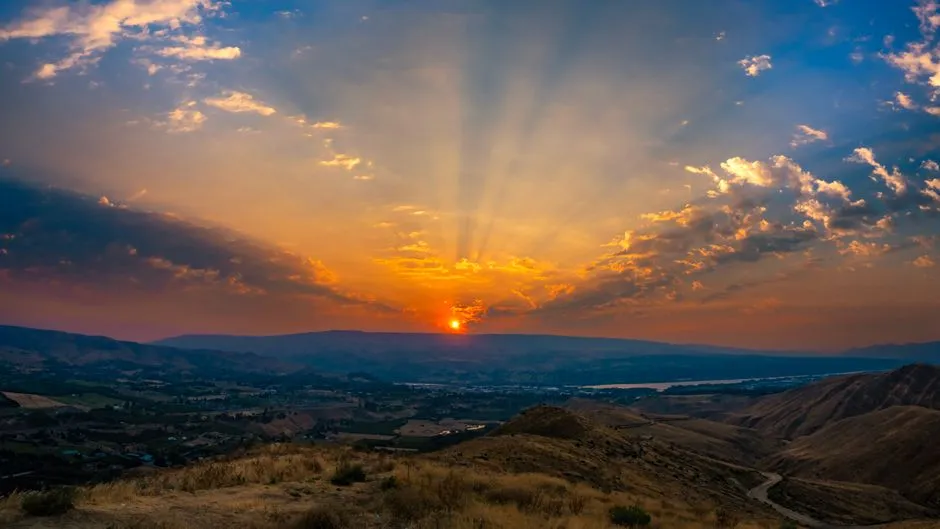
Yakima is among the cities with more than 300 days of annual sunshine. Although summers can be hot, with temperatures in the nineties, low humidity helps to moderate the heat. That combination of sun and dry air is what turns the Yakima Valley into one of the most productive agricultural regions in the entire country.
Although summers can be hot, low humidity moderates the heat, and winters bring low temperatures and sporadic snowfall, making the area ideal for those who appreciate seasonal variation without too much moisture. Farmers, fruit growers, and outdoor enthusiasts alike have built entire ways of life around Yakima’s consistent, generous sunshine.
Spokane: A Bigger City With Real Sunshine Numbers
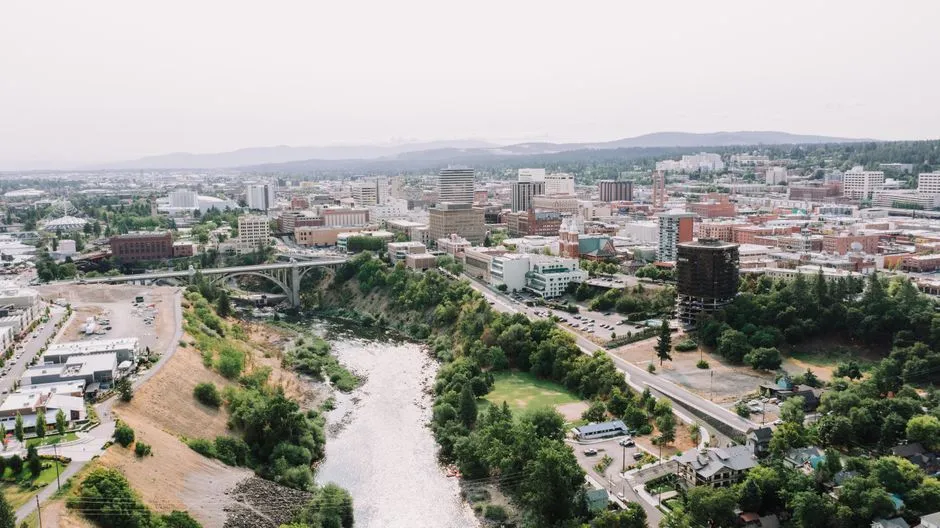
Spokane receives 171 days of sunshine on average every year. While slightly behind the national average of 205 sunny days per year, it beats out Seattle, which has only 152 days of sun. For a city of its size and amenities, those numbers make Spokane a genuinely compelling option for sun-seekers who still want urban life.
Spokane offers a great blend of amenities, affordability, and sunny weather with 171 days of sunshine on average, though it also features four distinct seasons and experiences considerable snowfall during winter, averaging about 45 inches of snow per year. The snow is real, but so is the sun. It’s a city that earns its seasons honestly.
What the Data Tells Travelers and Residents
Analysis comparing the number of sunny days, total precipitation, and deviation from ideal 70-degree weather for over 100 places in Washington, using NOAA climate data, consistently points to the eastern and central parts of the state as the weather winners. The sunniest cities in Washington are concentrated in the central and southeastern parts of the state, including Ellensburg, Yakima, Wenatchee, Moses Lake, and Ephrata in the central region.
Washington’s varied topography offers a spectrum of climates to suit varying tastes, whether the preference is for balanced coastal conditions, misty western forests, or the sunny settings of Eastern Washington. The state contains climatic multitudes that its rainy reputation simply doesn’t capture.
The Takeaway
Washington State’s gray reputation is earned in the places where it rains most, and largely unearned everywhere else. Ellensburg sits near the national average for sunny days. The Tri-Cities receive barely 8 inches of rain a year. Sequim stays drier than Los Angeles by annual precipitation totals. The data has been there all along.
If sunshine is what you’re looking for, and you’re willing to look past the obvious, Washington has been hiding it in plain sight the whole time. All you had to do was cross a mountain range, or find the right spot where the mountains do the work for you.
AI Disclaimer: This article was created with the assistance of AI tools and reviewed by a human editor.