
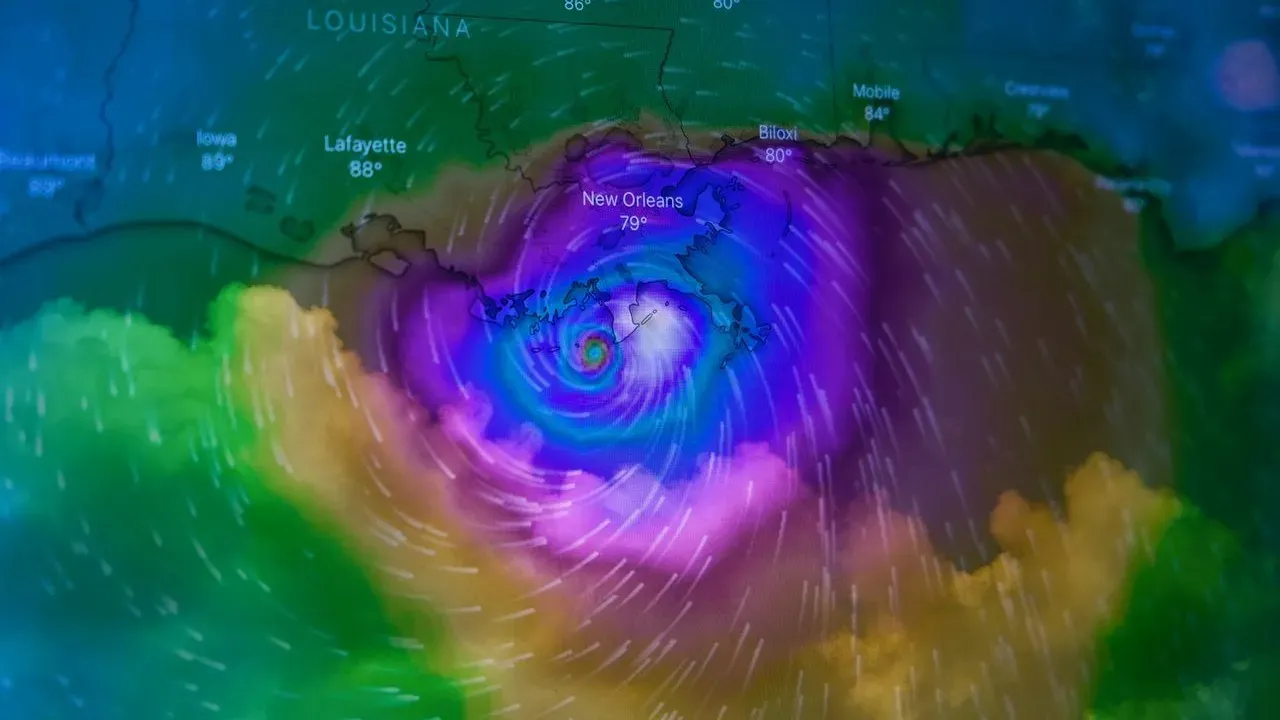

The National Hurricane Center is monitoring three disturbances across the Atlantic basin at a time when seasonal activity often begins to build. No tropical cyclones are currently active, yet forecasters are paying close attention to waves and areas of low pressure that could evolve in the days ahead. This increased vigilance arrives just weeks before the traditional peak of the Atlantic hurricane season on September 10, a period when ocean temperatures and atmospheric patterns historically support greater development.
Details on the Systems Being Tracked
One disturbance sits in the northeastern Atlantic, several hundred miles northeast of the Azores. It is a non-tropical area of low pressure that might briefly take on tropical or subtropical traits before moving into less favorable conditions near Portugal and northwestern Spain, carrying a 20 percent chance of development over the next seven days.
A second system lies in the central Atlantic, a few hundred miles east-southwest of Bermuda. This weak area of low pressure is producing disorganized showers and thunderstorms, with slow development possible as it drifts west-southwest before turning north. It holds a 10 percent chance of formation within 48 hours and a 20 percent chance over seven days.
The third and most closely watched feature is a tropical wave moving off the coast of West Africa. Forecasters expect it to organize into an area of low pressure early next week, with development odds now at roughly 40 percent over the next seven days. None of the three systems currently pose a threat to the United States.
Why the Timing Matters for Travelers
Late August through October marks the most active stretch of the Atlantic season, driven by peak sea surface temperatures and supportive atmospheric conditions. Travelers heading to Florida, the Gulf Coast, the Caribbean, or the Southeast U.S. shoreline in the coming weeks often find it helpful to build flexibility into their plans during this window.
Many experienced travelers review trip insurance options that cover weather-related disruptions and keep an eye on official updates from the National Hurricane Center. Flexible booking policies offered by airlines, hotels, and cruise lines can provide additional peace of mind when conditions remain fluid.
Practical Steps for Thoughtful Trip Planning
Staying connected to reliable sources allows travelers to adjust itineraries smoothly if needed. Checking the National Hurricane Center outlook regularly, signing up for local alerts in destination areas, and confirming cancellation policies before final payment are steps that support both safety and enjoyment.
Responsible travelers also consider the broader context of seasonal variability. While the Atlantic has seen a slower start this year, conditions can shift, and preparedness helps preserve the positive aspects of a journey without unnecessary stress.
Key points for fall coastal travel:
- Monitor National Hurricane Center updates for the three tracked systems.
- Review flexible booking and insurance options in advance.
- Focus on the September 10 seasonal peak when planning departures.
With awareness and measured preparation, travelers can continue to explore coastal destinations thoughtfully while respecting the natural rhythms of the season.
AI Disclaimer: This article was created with the assistance of AI tools and reviewed by a human editor.