
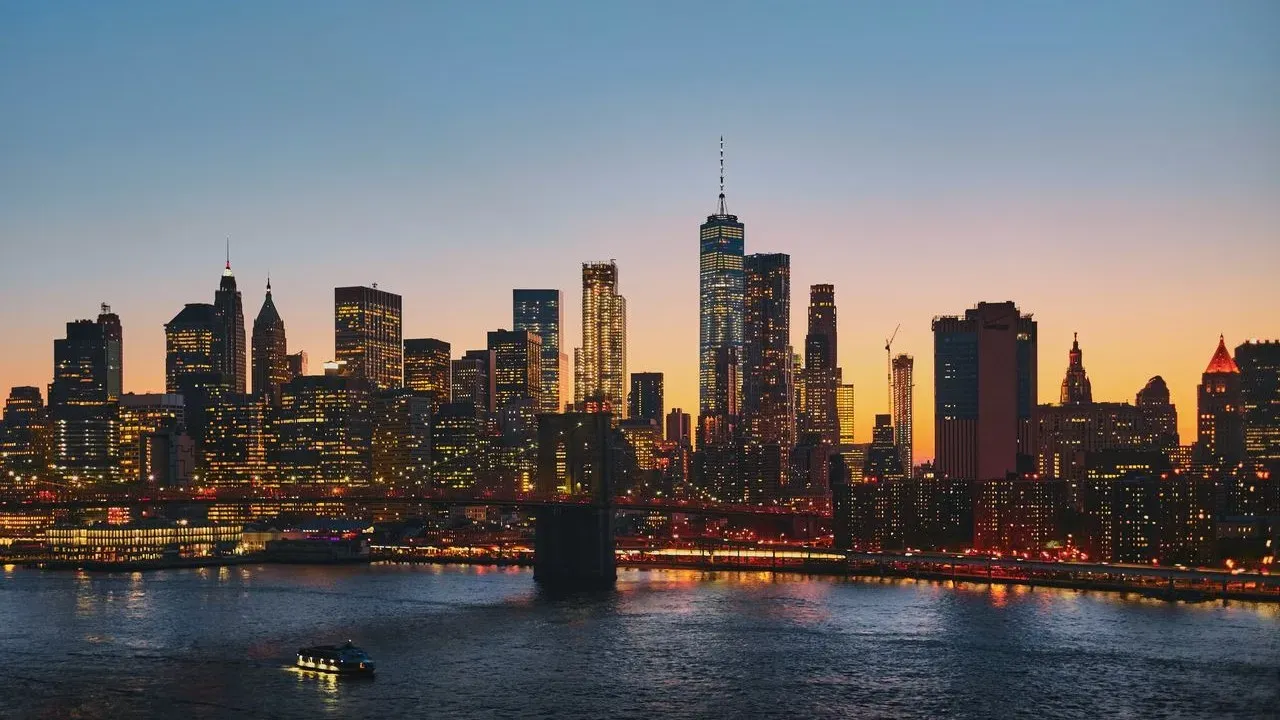

New York City rewards visitors who move at a measured pace through its distinct districts rather than racing between landmarks. In fall 2026, when the light softens and the air carries a crisp edge, three days offer enough time to absorb the city’s layered character through neighborhoods that each tell their own story. The approach centers on walking routes that connect history, daily life, and quiet vantage points, allowing the place to unfold naturally.
Lower Manhattan’s Layered Past
The southern tip of Manhattan holds centuries of arrivals and reinventions within a compact area. Begin near the waterfront where ferries still depart for the Statue of Liberty, a symbol of welcome that continues to draw people from every corner of the world. Nearby, the 9/11 Memorial and Museum stand as a place of reflection, their design inviting contemplation of loss and resilience without haste. The Oculus rises nearby as a modern architectural response to earlier destruction, its soaring white ribs creating a luminous public space that also functions as a transit hub. Wall Street’s narrow canyons reveal the Federal Hall and the familiar silhouette of the Charging Bull, reminders of the financial currents that have long shaped the city. These blocks reward slow movement, with time to notice how old stone facades meet glass towers and how street vendors and office workers share the same sidewalks.
Crossing into Brooklyn’s Waterfront
The Brooklyn Bridge offers one of the most direct transitions between boroughs, its pedestrian path elevated above the river traffic. The walk itself becomes part of the experience, with views opening toward both skylines and the water below. Once across, Brooklyn Bridge Park stretches along the shore, its lawns and piers providing space to pause and watch the city’s reflection shift with the afternoon light. DUMBO’s cobblestone streets and converted warehouses sit just beyond the park, where independent shops and cafés occupy former industrial buildings. The neighborhood’s scale encourages lingering at a corner table or simply standing beneath the Manhattan Bridge to observe how the two spans frame the river. Evening here often brings a quieter energy than midtown, with residents walking dogs and families gathering along the water’s edge.
Midtown’s Elevated and Green Paths
The High Line transforms an abandoned rail line into a linear garden that threads through Chelsea and the Meatpacking District. Elevated above street level, it offers a different rhythm, with native plants, public art, and glimpses into surrounding buildings that change with each season. In autumn the foliage adds color against the surrounding architecture. Central Park lies a short distance north, its paths winding through meadows and around reservoirs that feel surprisingly removed from the surrounding grid. The park’s design encourages wandering without a fixed destination, whether along the Mall or beside the lake where rowboats move slowly in cooler months. These green corridors provide balance to the denser urban blocks that surround them.
Times Square and the Energy of Arrival
Times Square remains a concentrated expression of the city’s constant motion, its lights and crowds creating an immediate sense of arrival. The surrounding Theater District extends the experience into side streets lined with historic playhouses that continue to host new productions each season. Even a brief visit captures the contrast between the spectacle of the square and the quieter residential blocks just beyond its edges. Food options range from quick counters serving classic New York slices to longer meals in nearby dining rooms that reflect the city’s global influences. The neighborhood’s density makes it easy to combine with an evening performance or simply to observe the flow of people from a bench along the pedestrian plazas. A measured three-day stay built around these neighborhoods leaves room for the unexpected encounters that often define time in New York City. The city’s scale means no single visit can contain everything, yet the connections formed through walking routes and repeated returns to the same streets create a sense of belonging that lingers long after departure.
AI Disclaimer: This article was created with the assistance of AI tools and reviewed by a human editor.