
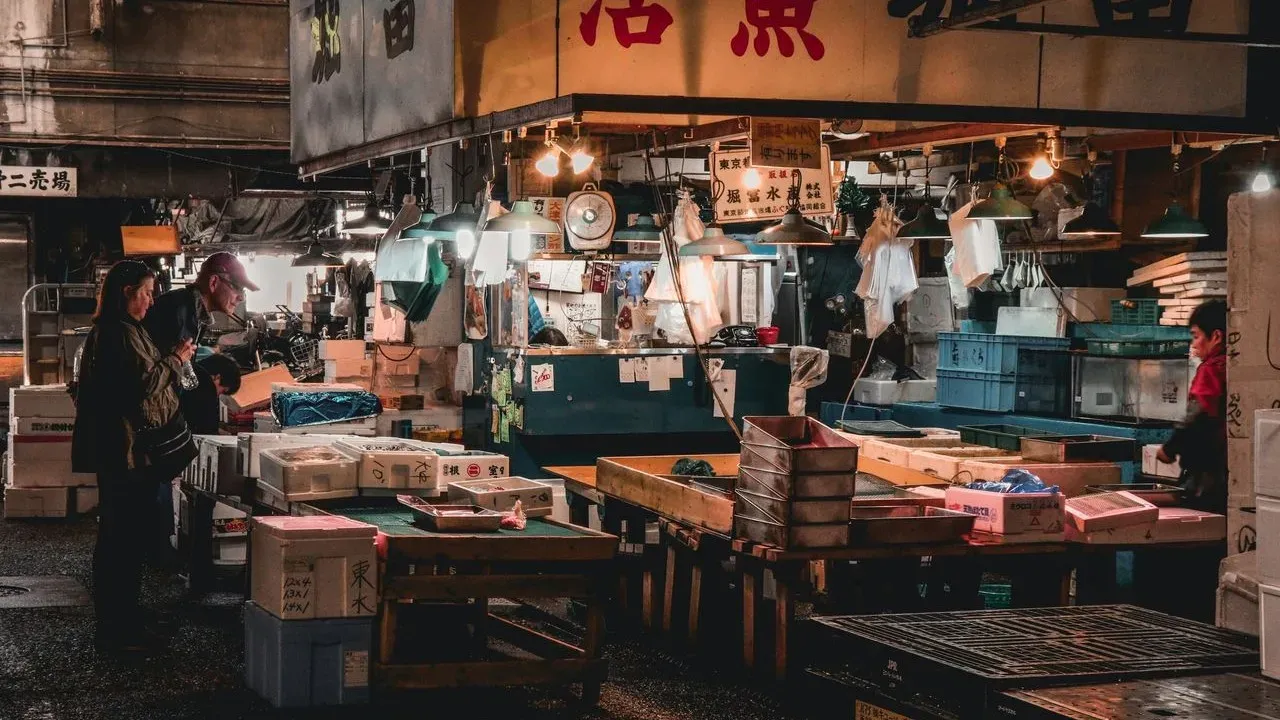

Tokyo has long drawn food enthusiasts to its renowned seafood markets, yet the 2018 relocation of the central wholesale operations created lasting distinctions between two sites that now serve different visitor needs. The move shifted the large-scale tuna auctions and distribution facilities to a new complex while preserving a vibrant street-level presence at the original location. Travelers planning a visit benefit from understanding how these changes affect access, atmosphere, and daily operations at each place.
The 2018 Relocation and Its Lasting Effects
In October 2018, Tokyo authorities transferred the main wholesale seafood market from its longtime Tsukiji site to a purpose-built facility in Toyosu. The decision addressed longstanding concerns over aging infrastructure, food safety standards, and logistical efficiency in a facility that had operated for decades. Wholesalers, auctioneers, and logistics teams adapted to the new environment, which features temperature-controlled halls and streamlined transport links.
Local vendors and small businesses tied to the historic market remained in place, sustaining a neighborhood economy centered on retail and prepared foods. Tourists who once navigated the crowded wholesale halls now encounter two separate destinations, each shaped by the relocation’s practical outcomes. The change clarified roles: one site emphasizes observation of modern distribution, while the other continues the street-level food culture that grew around the original market.
Tsukiji Outer Market: Street-Level Energy and Culinary Variety
The Tsukiji Outer Market continues to operate as a compact network of narrow lanes lined with shops selling fresh seafood, prepared dishes, seasonings, and kitchen tools. Visitors can sample small portions of sushi, grilled items, or tamagoyaki while moving between stalls, creating an experience built around spontaneous discovery rather than fixed schedules. The setting retains the dense, handwritten signage and constant activity that once defined the larger market area.
Shopkeepers and chefs work in full view, offering opportunities to observe traditional preparation methods up close. This environment suits travelers who value flexibility and the chance to combine eating with browsing for souvenirs such as knives or dried goods. The market rewards those who arrive with time to wander and an appetite for multiple light tastings throughout the morning.
Toyosu Market: Modern Operations and Structured Access
Toyosu functions as Tokyo’s primary wholesale seafood hub, with designated visitor pathways that allow observation of the daily distribution process without interfering with commercial activity. The tuna auction remains the most prominent draw, though viewing requires adherence to current registration procedures and early arrival times. The facility’s scale and organization reflect deliberate design choices made during the relocation to improve hygiene and workflow.
Beyond the auction, the complex includes dining options and a retail corridor known as Uogashi Yokocho, where visitors can purchase ingredients and cookware. A rooftop garden provides additional perspective on the surrounding bay area. The overall layout prioritizes efficiency for professionals while offering controlled access for interested outsiders.
Key distinctions for planning: Tsukiji favors unstructured exploration and immediate food access; Toyosu centers on scheduled observation of wholesale activity and requires advance checks for auction viewing.
Practical Guidance for Responsible Visits
Both locations operate primarily in the morning hours, when activity peaks and fresh items are most available. Comfortable footwear is essential, as walking distances add up across either site, and large bags can hinder movement in tighter spaces. Visitors are encouraged to respect working routines by staying within marked areas and seeking permission before photographing individuals.
Those with limited time can focus on one market based on priorities: Tsukiji for immediate culinary sampling and neighborhood atmosphere, Toyosu for insight into current industry practices. Travelers with more flexibility often combine both in a single morning, beginning at Toyosu and continuing to Tsukiji afterward. Checking official schedules and rules ahead of travel supports smooth, considerate visits that honor the markets’ ongoing commercial roles.
AI Disclaimer: This article was created with the assistance of AI tools and reviewed by a human editor.