


Most travelers spend hours researching the best restaurant in Rome or the perfect viewpoint in Paris. Very few spend even ten minutes thinking about who might be watching them from the crowd. Tour guides, however, think about it constantly.
Pickpocketing is the most common crime against tourists: it’s easy to commit in crowds and often goes unreported. The gap between how often it happens and how rarely it makes the news is part of what makes it so persistent. The following locations are where seasoned guides warn you to stay sharpest.
Rome’s Trevi Fountain and Colosseum: Beautiful, Busy, and Risky

Italy continues to dominate European pickpocketing statistics, maintaining its position as the continent’s most problematic destination for tourist theft. In 2024, there were over 2,000 reported robberies in Rome, a rise of more than half compared to 2019. Pickpocketing incidents surged to 33,455 cases in 2024, marking a nearly seventy percent increase.
The Trevi Fountain in Rome is ranked the worst place when it comes to pickpockets preying on distracted tourists. The logic is simple: thousands of people crowd around a single fountain, nearly everyone has their phone raised, and attention is fully directed upward and outward.
Hotspots include the Trevi Fountain, Colosseum, Pantheon, Termini station, and public transport. Rome has also seen a further twelve percent increase in reported pickpocketing incidents from 2024 to 2025, with Termini station being a particular hotspot.
Barcelona’s Las Ramblas: Europe’s Most Studied Pickpocket Corridor

Las Ramblas, the Gothic Quarter, Barceloneta beach, and the metro are the highest-risk areas in what many guides openly call Europe’s most challenging city for personal theft. The boulevard runs straight from a major transit hub to the port, meaning foot traffic rarely lets up.
In 2025, police identified 266 repeat offenders who had collectively accumulated 1,776 prior arrests between them. These are not casual opportunists: they are organised, professional thieves who treat tourist areas like a workplace.
The Pla Kanpai, launched in 2025 and extended to public buses in January 2026, cut pickpocketing in public transit by forty percent in the first half of 2026. That’s encouraging news, though guides still urge caution along the Ramblas itself, where street-level operations are harder to police than metro platforms.
Paris: The Eiffel Tower and the Metro

Paris is the pickpocket capital of the world, with nearly one in six of all theft-focused reviews from the last year, covering pickpocketing, fraud and related incidents, referring to the city. The volume of international visitors creates a nearly constant stream of new, unfamiliar faces for opportunists to assess.
The Eiffel Tower has earned a reputation as a pickpocket’s paradise, with hundreds of reviews on platforms like Google warning visitors to be extra cautious. The allure of the landmark, combined with the high volume of visitors, provides a prime opportunity for criminals to operate, as tourists often focus more on sightseeing than securing their valuables.
Common scams include the “friendship bracelet” trick, fake charity or petition approaches, and distraction thefts such as the “dropped ring.” The Paris Metro is another consistent flashpoint, with thieves known to time their moves precisely around closing train doors.
London: Westminster, the Tube, and a Sharp Rise in Phone Theft
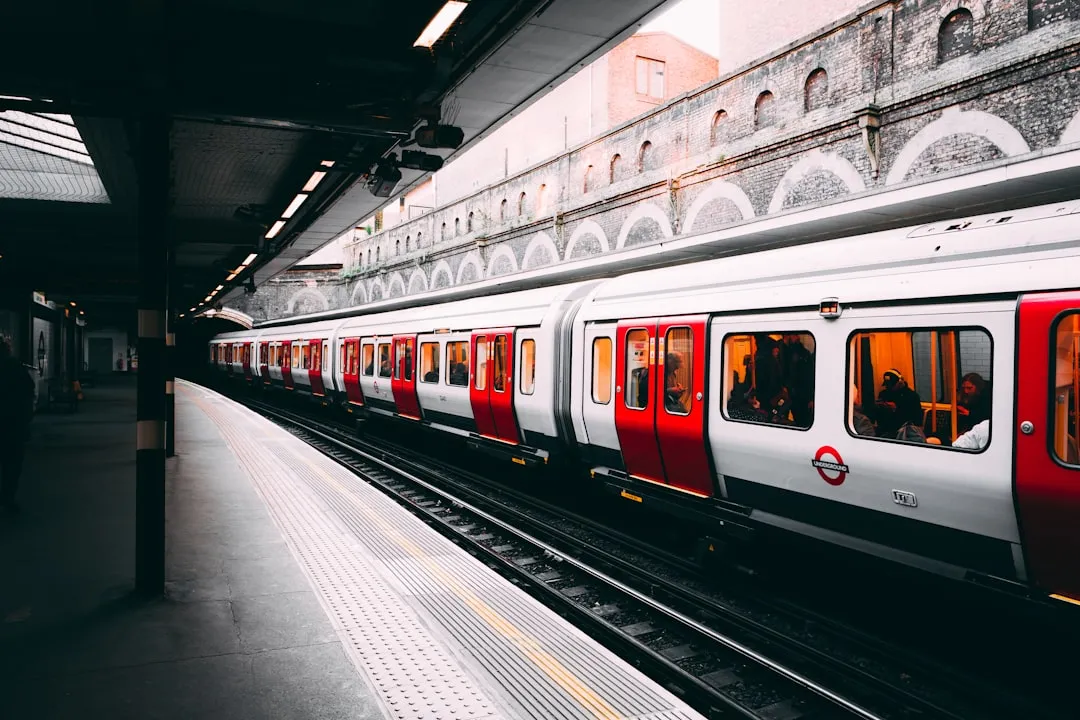
The Evening Standard reported in October 2024 that theft-from-the-person offences in London, including pickpocketing and phone snatching, were up thirty-eight percent over the previous year. That figure covers a broad category, but guides working in the city point to specific pressure points.
Westminster topped the list of London’s highest-risk areas, given the high number of tourist attractions that dot the area. Buses around the borough, where Buckingham Palace and Big Ben stand, are also highly prone to pickpocketing scams.
The London Underground sees around 7,000 passengers fall victim to theft every year. The Underground’s worst-offending stations are King’s Cross St Pancras, Leicester Square, and Oxford Circus.
Bangkok’s Grand Palace: The World’s Top-Ranked Scam Site

Bangkok recorded 9.82 scam and pickpocket mentions per 1,000 reviews, ranking it the world’s number one pickpocket and scam hotspot for 2025. The city’s enormous tourism rebound since 2022 has created environments where crowds are dense and visitor attention is constantly pulled in every direction.
The Grand Palace has been ranked as the worst site in the world for tourism crime, receiving more mentions of scams and theft in visitor reviews than any other destination globally. Other popular spots like Wat Pho temple complex and Chatuchak Weekend Market have also stood out for the number of pickpocketing and scam reports.
Prague’s Old Town and Charles Bridge

Prague ranked among the top cities globally, with 6.51 combined mentions for scams and pickpockets per 1,000 reviews. Research highlights that Old Town Hall and the Astronomical Clock remain the most targeted areas, where large crowds allow thieves to operate unnoticed.
Charles Bridge has become increasingly problematic for tourists, while the Prague Castle area and Wenceslas Square also see frequent pickpocketing incidents. Guides walking these routes regularly advise clients to keep bags in front and phones in inner pockets, particularly when stopping to photograph the view from the bridge.
Lisbon and Porto: A Quieter Destination with a Growing Problem

Porto recorded a thirty point six percent rise in pickpocketing complaints, even as general crime in Portugal fell 4.6% in 2024. That contrast is worth noting: overall safety improved while tourist-targeted theft specifically increased, which is a pattern guides in the city recognize clearly.
Pickpocketing and bag snatching are common in major cities like Lisbon and Porto, especially on public transport, in stations, restaurants, beaches, and tourist areas. In Lisbon specifically, travelers are advised to be extra cautious on trams 15, 25, and 28. Those tram routes pass through some of the city’s most scenic and most crowded neighborhoods.
Berlin’s Brandenburg Gate and Major Transit Hubs

Brandenburg Gate has a notorious reputation as that one spot in Berlin where you are most likely to be pickpocketed, given the steady flow of tourists at and around the historic landmark. The open plaza design, while visually striking, offers few natural barriers and creates long windows of opportunity for anyone working the crowd.
The Brandenburg Gate has become particularly notorious for pickpocketing, alongside other major landmarks like the Reichstag Building and the East Side Gallery. In 2024, Berlin police registered over half a million offences, roughly 1,500 per day across the city. Not all of that involves tourists, but guides operating landmark tours treat the Gate area with particular caution.
Public Transit Everywhere: The Universal Hotspot

Crowds anywhere, but especially on public transit and at flea markets, provide bad actors with plenty of targets, opportunities, and easy escape routes. Being on guard in train stations is especially important upon arrival, when you may be overburdened by luggage and overwhelmed by a new location.
Thieves have been known to operate in high-traffic areas such as mass transit stations, even boarding subway trains so they can use the distractions of crowds and sudden stop-and-go movements to steal from others. As soon as they have what they want, they simply get off at the next stop, leaving the victim unable to figure out who robbed them or when.
Metros, buses, and trams are common places for pickpocketing because people are standing close together. Bags, backpacks, coat pockets, and back pockets are easy to access in a packed train car. Guides almost universally give the same piece of advice here: bag in front, zipper facing your chest, before you board.
The Distraction Playbook: How Teams Actually Work

Pickpocketing is rarely a random or impulsive act. Most often, it is a calculated play, and it can be pretty involved. Understanding the mechanics helps, because once you can name a move, you’re already harder to catch off guard.
Thief teams create a disturbance such as a fight, a messy spill, or a jostle or stumble to distract their victims. Sometimes pickpockets even put signs up that warn tourists to watch for pickpockets. This causes people to worry and quickly check if their valuables are still on them, thereby showing pickpockets exactly where those valuables are. That detail alone is worth remembering.
Common warning signs include unexpected bumps, distractions, groups creating artificial congestion, overly helpful strangers, and individuals paying unusual attention to your belongings rather than their surroundings. Recognizing those signals is the first and most practical layer of defense any guide will offer you.
Practical Takeaway: What the Guides Actually Do

Experienced guides don’t walk through Rome or Barcelona on high alert, nerves frayed, clutching their bags. They’ve simply built a handful of habits that make them a poor target. On pants, front pockets are a much safer holding place than back pockets, which are a pickpocket’s specialty. Spreading out your valuables is a smart travel tactic; avoid having all your money in one location. Divide your cash into smaller amounts, keeping some in your wallet, leaving some at the hotel, and carrying some on your person.
To avoid pickpockets in Europe, prioritise situational awareness, especially in crowded areas, wear bags such as crossbody bags in front of your body, and keep valuables in front pockets or hidden money belts. Leave valuables in your hotel safe and carry only what you need for the day. Small adjustments, consistently applied, change your risk profile considerably.
The places on this list are genuinely worth visiting. None of them should be avoided, and knowing where to stay aware is far better than knowing where not to go. Travel confidently, stay observant, and let the local guides earn their reputation for keeping you one step ahead.
AI Disclaimer: This article was created with the assistance of AI tools and reviewed by a human editor.