
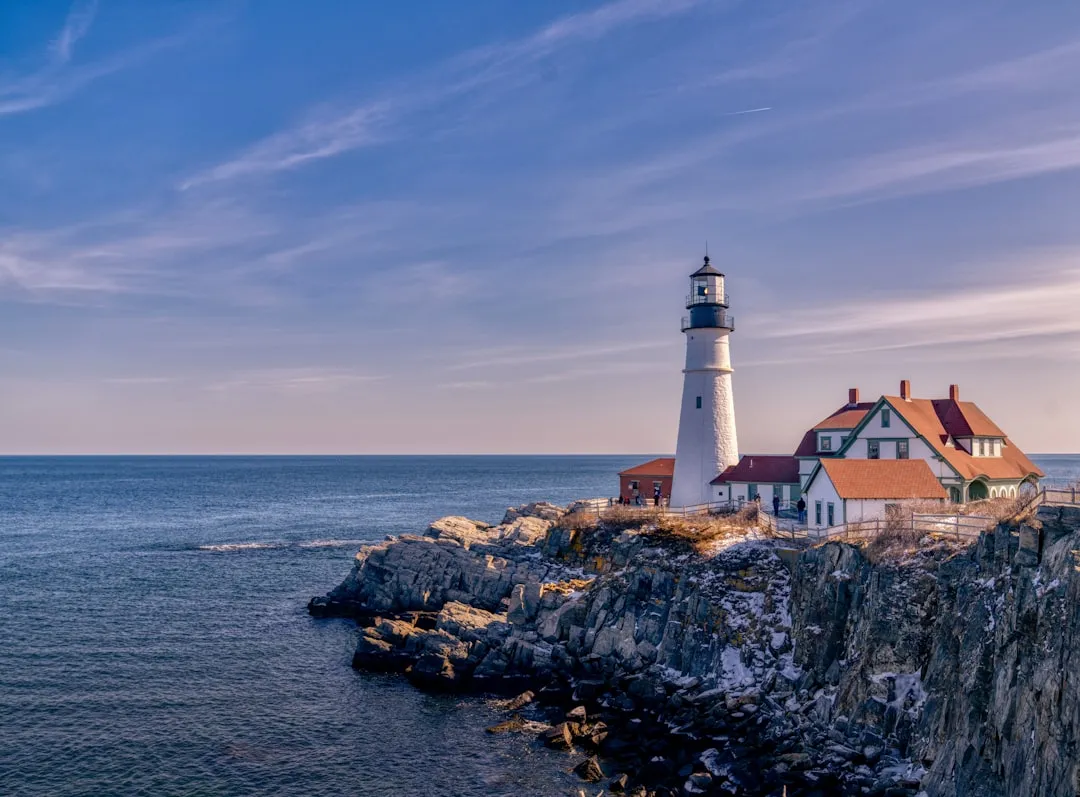

There’s a stretch of American coastline that doesn’t get the same flashy coverage as California’s Highway 1 or Florida’s A1A, yet serious food travelers keep coming back to it year after year. The coastal drive along U.S. Route 1 in Maine, running from the New Hampshire border all the way toward Bar Harbor, is quietly becoming one of the most talked-about food pilgrimages in the country. It earns that reputation not through hype, but through sheer, consistent, eat-until-you-can’t-move quality.
New England offers a broad spectrum of road trip opportunities, and coastal Maine’s shoreline is a perennial favorite, with breathtaking scenery, amazing seafood, quaint shops, and historic homes adding interest and variety to the U.S. Route 1 adventure. What makes it different from a typical scenic drive is that every stop along the way doubles as a dining destination worth planning your day around.
The Route: Portland to Bar Harbor on U.S. Route 1
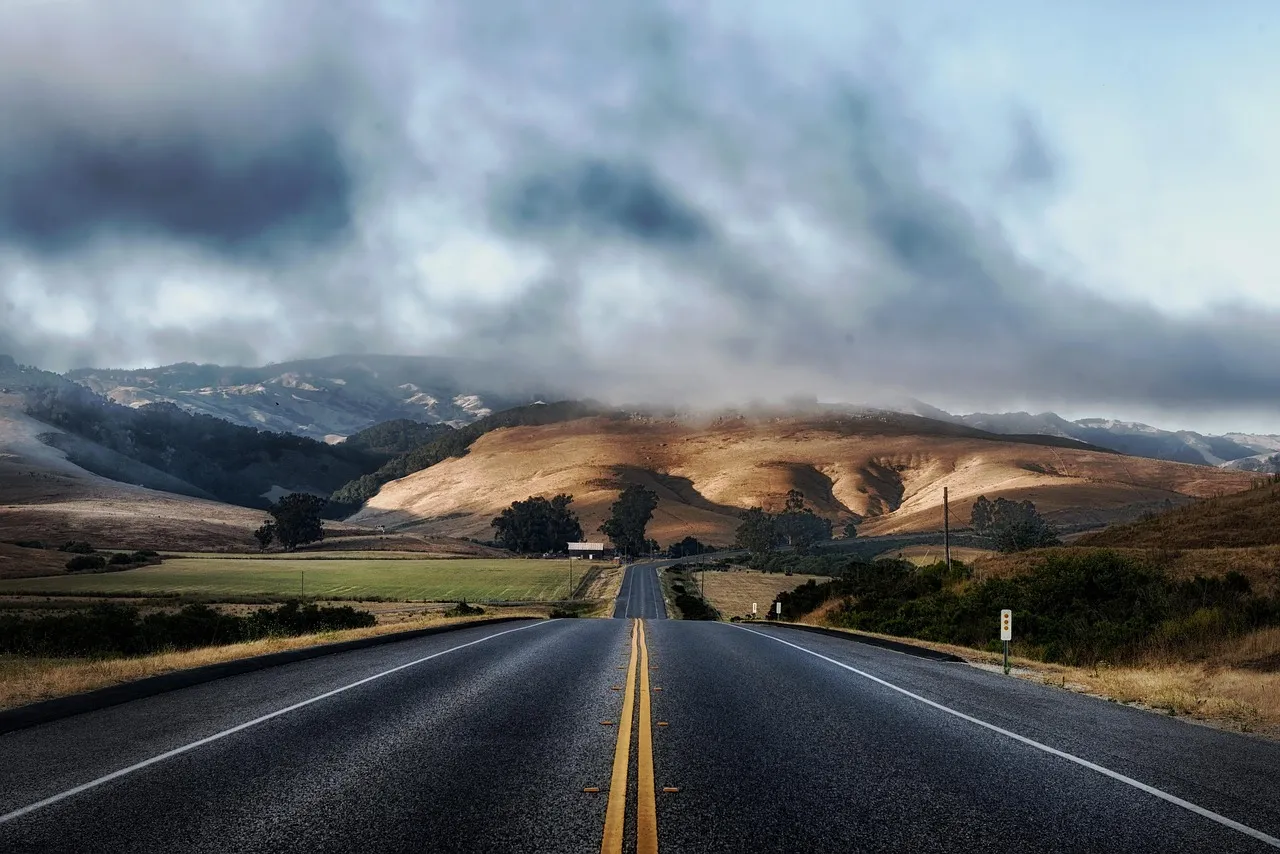
Maine’s breathtaking coastline is unlike any other. It’s only about 280 miles from the New Hampshire border to the New Brunswick, Canada, border if you follow the region’s principal road, U.S. Route 1. That sounds manageable, but the jagged shoreline and countless detours mean most travelers spend five to seven days doing it justice.
Along the full length of the coast, you can feast on incredible seafood, not just lobster but rock and Jonah crab, oysters, mussels, and myriad fish, alongside a dizzying variety of craft beers, and discover superb art museums and galleries. For food-focused travelers, this route essentially functions as a long, gorgeous tasting menu spread across hundreds of miles of rocky shoreline.
Portland: Where the Food Scene Starts Surprising You
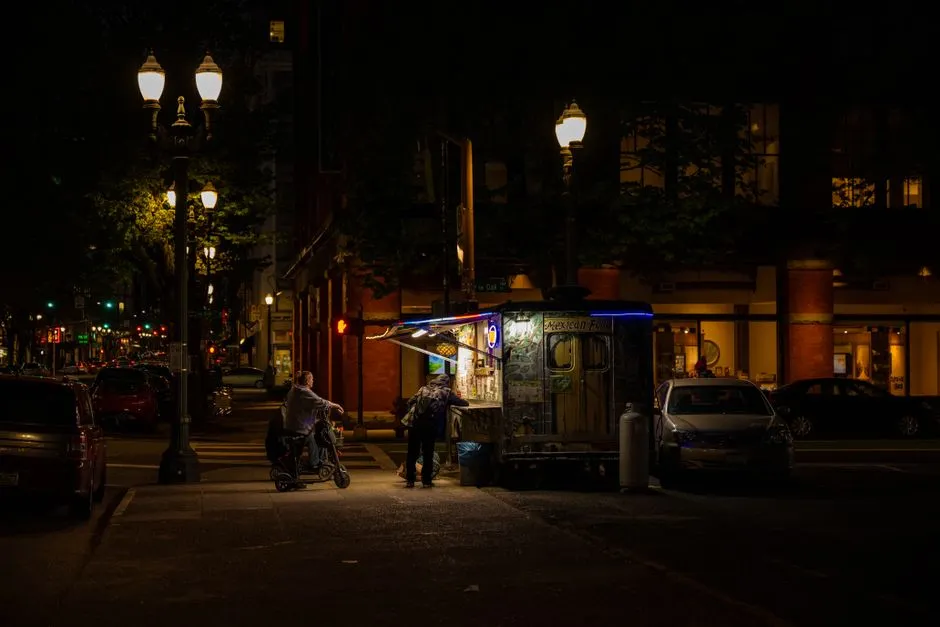
Portland is a vibrant seaport city filled with foodie-focused venues. That’s an understatement, honestly. This is a fishing town that turned itself into one of New England’s most serious food cities. The concentration of quality restaurants here per square mile rivals cities three times its size.
In 2024, two bakeries located just a ten-minute drive away from each other won James Beard Awards: Norimoto Bakery for Outstanding Pastry Chef, and ZUbakery for Outstanding Bakery. That kind of recognition doesn’t happen by accident. It reflects a food culture in Portland that’s been steadily building for over a decade.
Maine’s top rated restaurant on OpenTable’s list for 2025 is Fore Street, which has remained one of Portland’s most luxurious and upscale dining experiences for the last nearly three decades. For the second straight year, Scales in Portland is also featured amongst the top 100 restaurants in America by OpenTable.
Mr. Tuna and the New Wave of Portland Dining
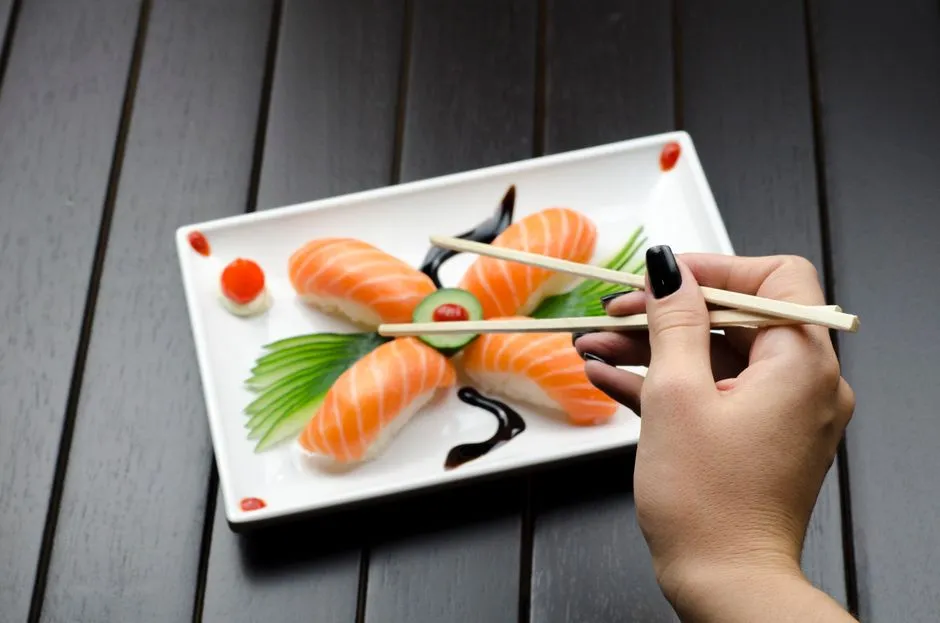
Jordan Rubin started Mr. Tuna as a sushi cart in 2017, moved into a brick-and-mortar on Middle Street in 2024, and turned it into one of Portland’s modern restaurant success stories, doing so with sustainably sourced seafood, a deep local bluefin program, hand rolls, and enough acclaim to bring a James Beard semifinalist nod and a Food and Wine Best New Chef honor in 2025.
The New York Times included Mr. Tuna’s Tuna de Tigre among The 26 Best Dishes Eaten Across the U.S. in 2024. That’s a meaningful benchmark for a restaurant in a city of roughly 70,000 people. It signals that Portland’s food scene has outgrown its regional identity and is competing nationally.
The Lobster Economy Behind Every Bite
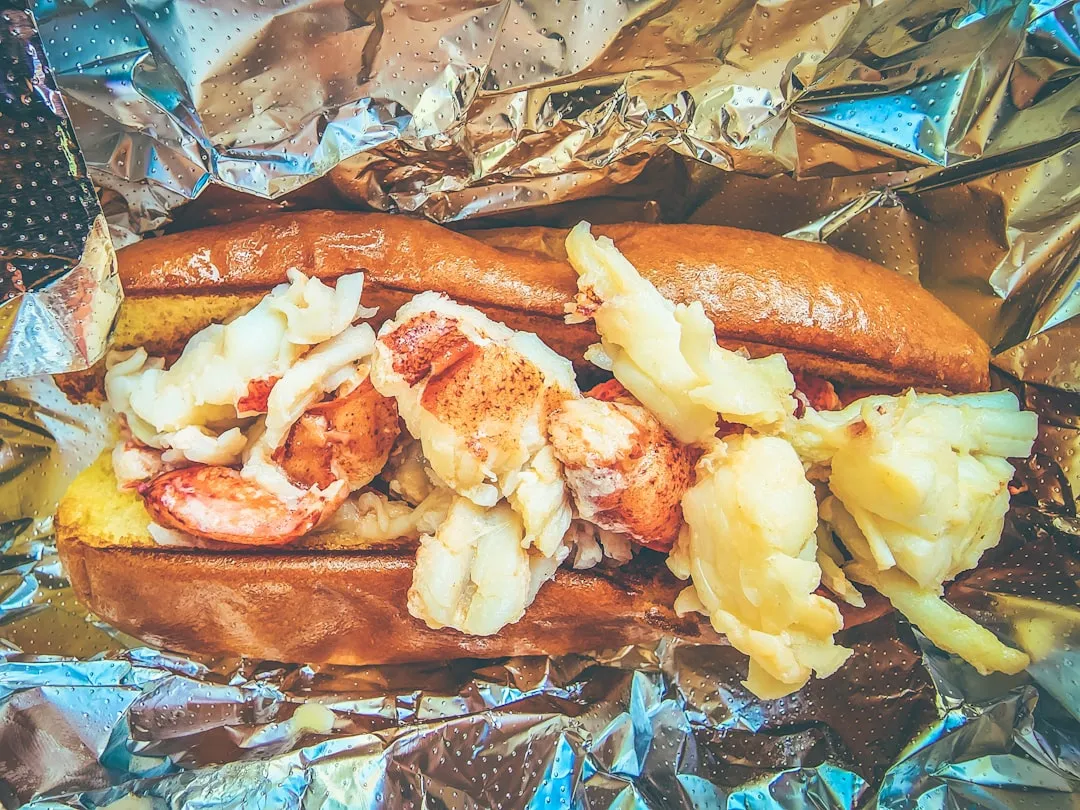
Maine’s commercial harvesters earned $74 million more in 2024 than in 2023, with landings valued at over $709 million, according to preliminary data released by the Maine Department of Marine Resources. That number frames the sheer scale of what’s happening in the water before a single dish reaches your table.
Maine lobstermen took home over $528 million in 2024 on the strength of a $6.14 per pound price, despite a catch that declined by greater than 10 million pounds. The higher price reflects strong demand even as supply tightens slightly, which means the lobster you’re eating on this drive carries real economic weight for the communities serving it.
Fishermen in Maine are responsible for catching more than 90 percent of the nation’s lobsters per year. That single fact explains why this coastline is so central to American food culture, and why no other road trip in the Northeast quite replicates the experience.
Red’s Eats in Wiscasset: The Legendary Lobster Roll Stop
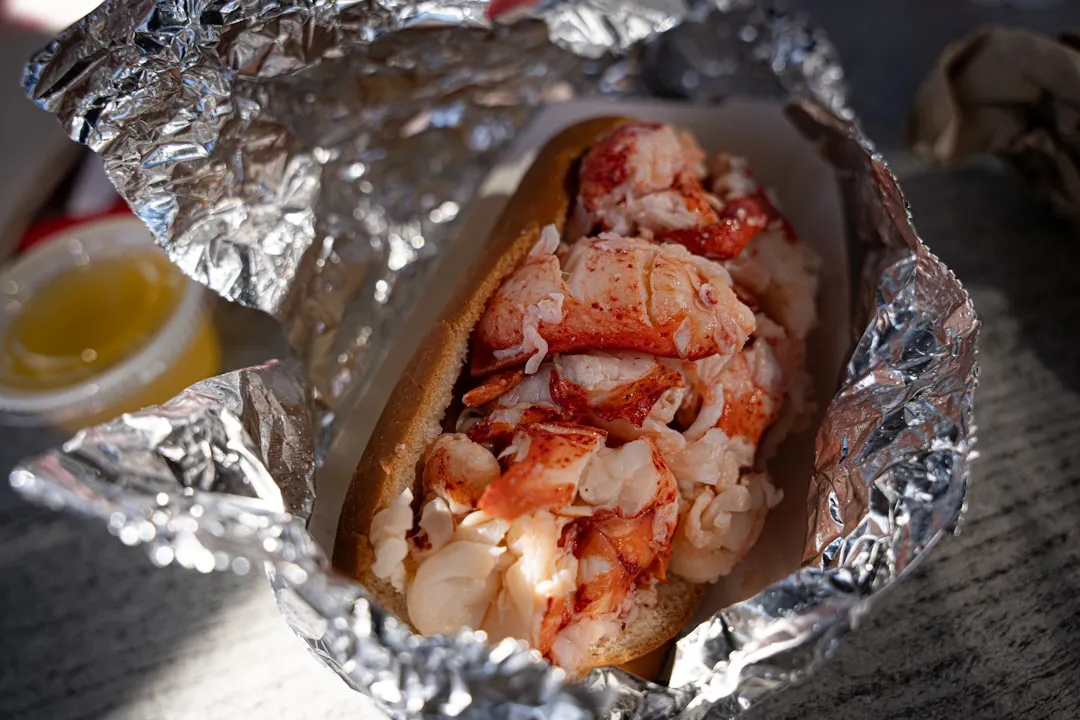
Red’s Eats earned Down East Magazine’s Best of Maine 2024 awards for Best Lobster Roll and Best Lobster Shack, back-to-back champions, and was once again voted Best Lobster Roll in all of New England. This tiny shack on the side of Route 1 in Wiscasset consistently draws lines that stretch down the block, and the wait is almost never regretted.
Maine lobsters are one hundred percent hand-harvested, hauled from the cold, clean waters of the Atlantic Ocean using age-old methods and sustainable seafood practices for a true tides-to-table dining experience, with preparations ranging from the classic Maine lobster roll to award-winning restaurants’ creative interpretations. At Red’s, the roll is the thing: a full lobster’s worth of meat, piled high, with minimal fuss.
Bob’s Clam Hut and the Southern Maine Shack Trail
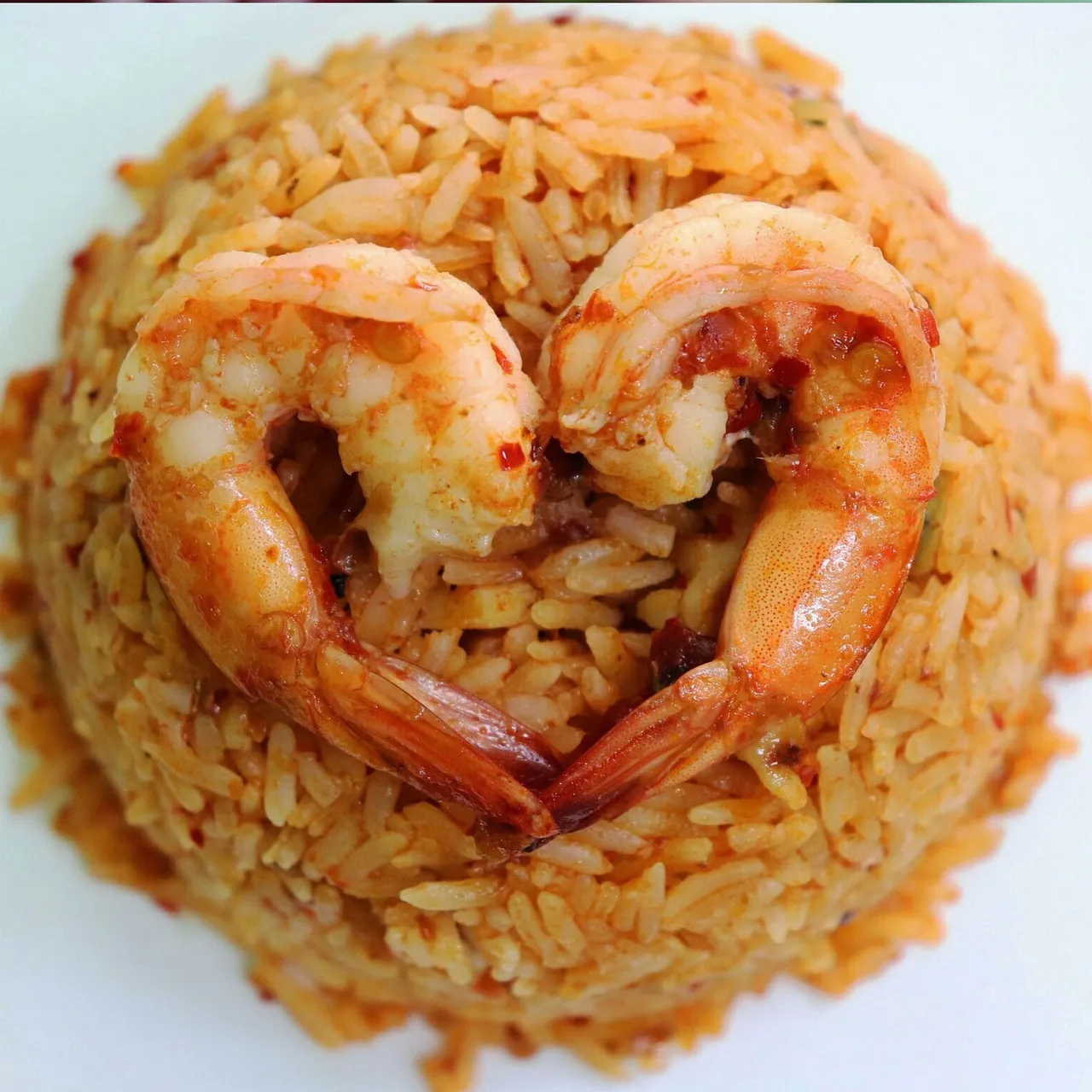
Open since 1956, Bob’s Clam Hut in Kittery is a local institution known for its fried clams, but also lobster rolls, fried scallops, fish sandwiches, and crab cakes, mostly outdoors where you grab a picnic table after placing your order at the counter. It’s the kind of place that defines what a seafood shack should feel like.
Whole belly fried clams come out fat and delicately fried, and pair well with a local draft beer like Allagash White. From Kittery to Ogunquit and Kennebunk to Cape Elizabeth, the drive from Portland south to the New Hampshire border is dotted with seafood shacks featuring some of the area’s best lobster rolls and fried clams.
The Lobster Shack at Two Lights: Seafood with a View
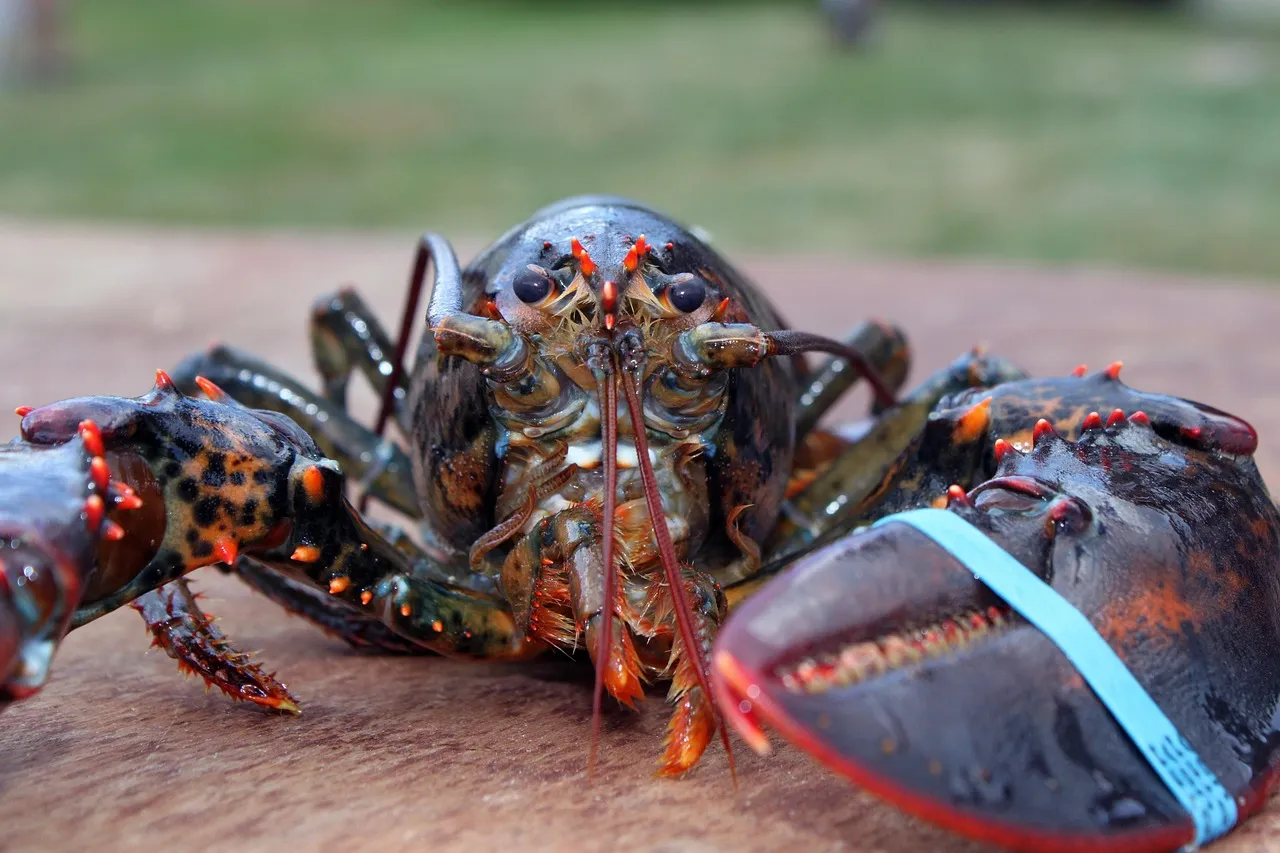
The Lobster Shack at Two Lights regularly tops best lobster roll lists, situated along the rocky shoreline of Cape Elizabeth where the incredible ocean vista shares top billing with your lunch order. It’s one of those rare places where the setting actually earns its reputation rather than coasting on it.
Farther up the coast toward the midcoast towns, the scenery shifts from developed shore to something wilder and quieter. Like most of Maine’s best lobster shacks, Pemaquid Seafood is a bit off the beaten path but well worth finding, with lobster and fried seafood dominating the menu, overlooking the Pemaquid River and the mouth of Pemaquid Harbor.
Maine Oysters: The Underrated Chapter of This Food Story
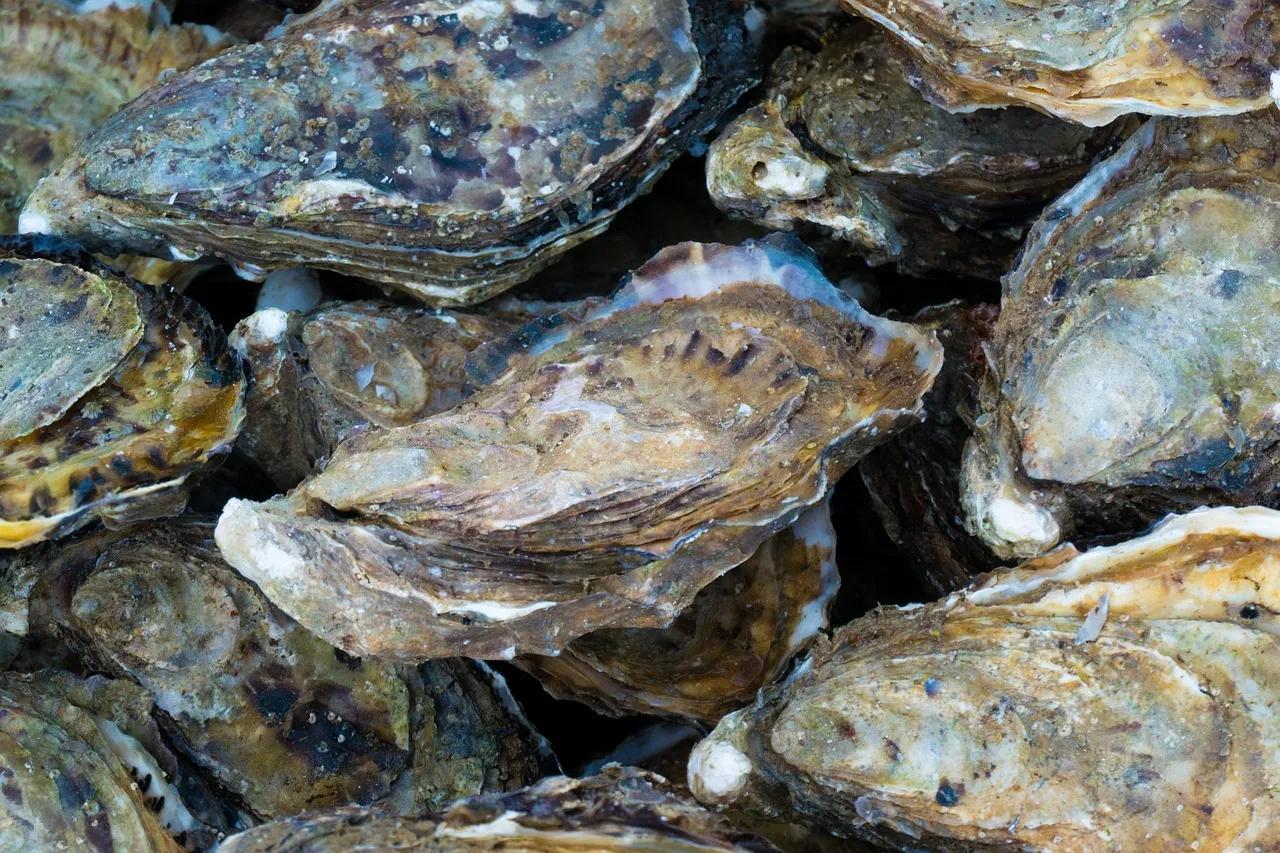
Beyond lobster, there’s shellfish to savor like briny Maine oysters, sweet mussels, and delectable Maine clams, as well as Maine crabs to crack into and a gourmet restaurant-worthy selection of local fish to sample, from Atlantic salmon to Arctic char. The oyster scene in particular has developed rapidly over the past decade along the midcoast.
Maine oysters were again in high demand in 2024, earning growers and harvesters $14.8 million on the strength of an eleven-cent price per pound increase for harvesters, which placed the oyster fishery as Maine’s third most valuable. That’s a significant economic indicator, and it shows up on menus all along the route, from casual raw bars to upscale tasting rooms.
Bar Harbor and Acadia: Where the Drive Reaches Its Peak
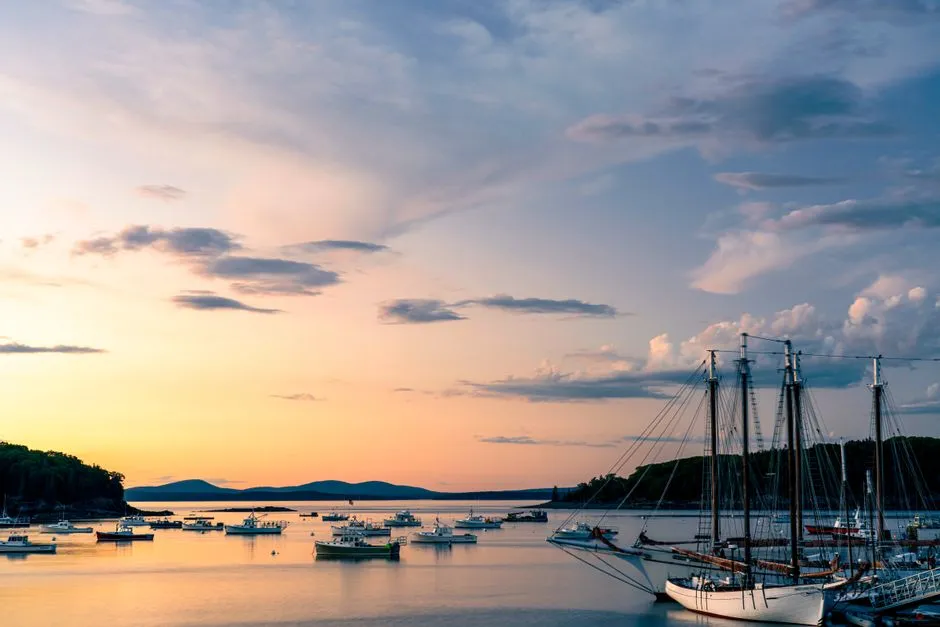
In Bar Harbor, Jeannie’s Great Maine Breakfast moved to 8 Cottage Street for the 2025 season, serving wild Maine blueberry pancakes, while Jordan’s Restaurant opens at 5 a.m. for pre-Cadillac sunrise hikers, with wild Maine blueberry pancakes also available, plus a modest upcharge for wild blueberry syrup that travelers consistently say is worth every cent.
Side Street Cafe in Bar Harbor offers lobster mac and cheese year-round with a dog-friendly patio. The town itself functions as a natural endpoint for this drive, a place where you can recover from a week of excellent eating by hiking Acadia National Park and then rewarding yourself with more excellent eating.
Why This Drive Works as a Foodie Experience
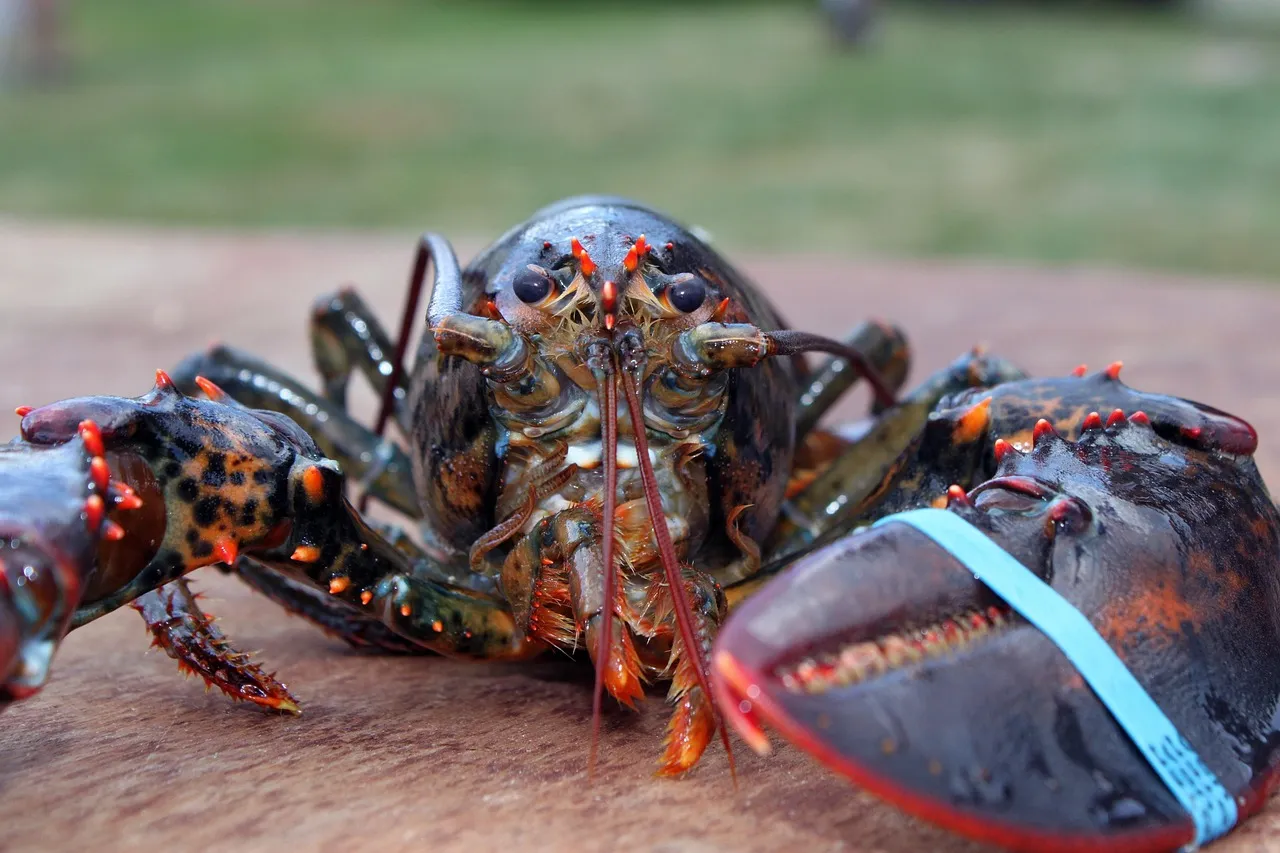
Lobster has been an integral part of Maine’s culture since colonial times, and besides beautiful coastlines, lighthouses, and quaint camping destinations, signature local fare is likely one of the main reasons why millions of tourists flock to Maine every year. The food here isn’t a side attraction. It’s structurally woven into the place itself.
These prized crustaceans are one hundred percent hand-harvested, hauled from the cold, clean waters of the Atlantic Ocean using age-old methods and sustainable seafood practices. That connection between the fishermen, the water, and the plate is something you feel at almost every stop on this drive, whether you’re eating at a picnic table beside a working dock or at a white-tablecloth restaurant in Portland’s Old Port.
The multiplier effect of Maine lobster supports billions in statewide economic activity annually, with tourist spending related to Maine lobster totaling hundreds of millions from visitors to waterfront festivals and coastal destinations. Supporting this industry by eating along the route isn’t just delicious. It’s a small act of participation in something much larger.
The coastal Maine drive has no single dish that defines it, and that’s precisely its appeal. It rewards curiosity. Stop at the shack with the handwritten sign. Order the chowder somewhere small and unassuming. Eat on a picnic bench with the Atlantic wind in your face. The food is the point, yes, but so is the unhurried pace of moving through a coastline that has been feeding people, and earning their loyalty, for centuries.
AI Disclaimer: This article was created with the assistance of AI tools and reviewed by a human editor.