
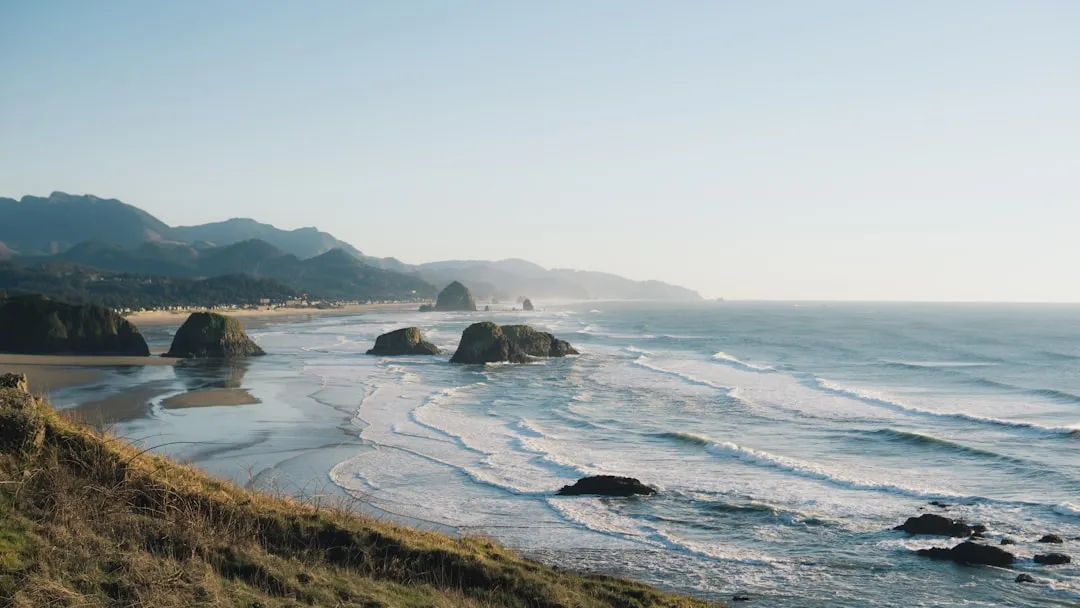

There’s a stretch of road in the Pacific Northwest that keeps showing up in travelers’ conversations, social media feeds, and road trip lists with unusual consistency. It’s not in California. It’s not the Blue Ridge Parkway. It’s Oregon’s Highway 101, threading 363 miles along one of the most dramatically untamed shorelines in the entire country.
The Pacific Coast Scenic Byway traces the entire Oregon coastline along Highway 101, bringing travelers to the sea and away again, winding past marshes, seaside cliffs, lush agricultural valleys, and wind-sculpted dunes. People come expecting a nice drive. They tend to leave a little stunned.
A Road Built to Show Off the Coast
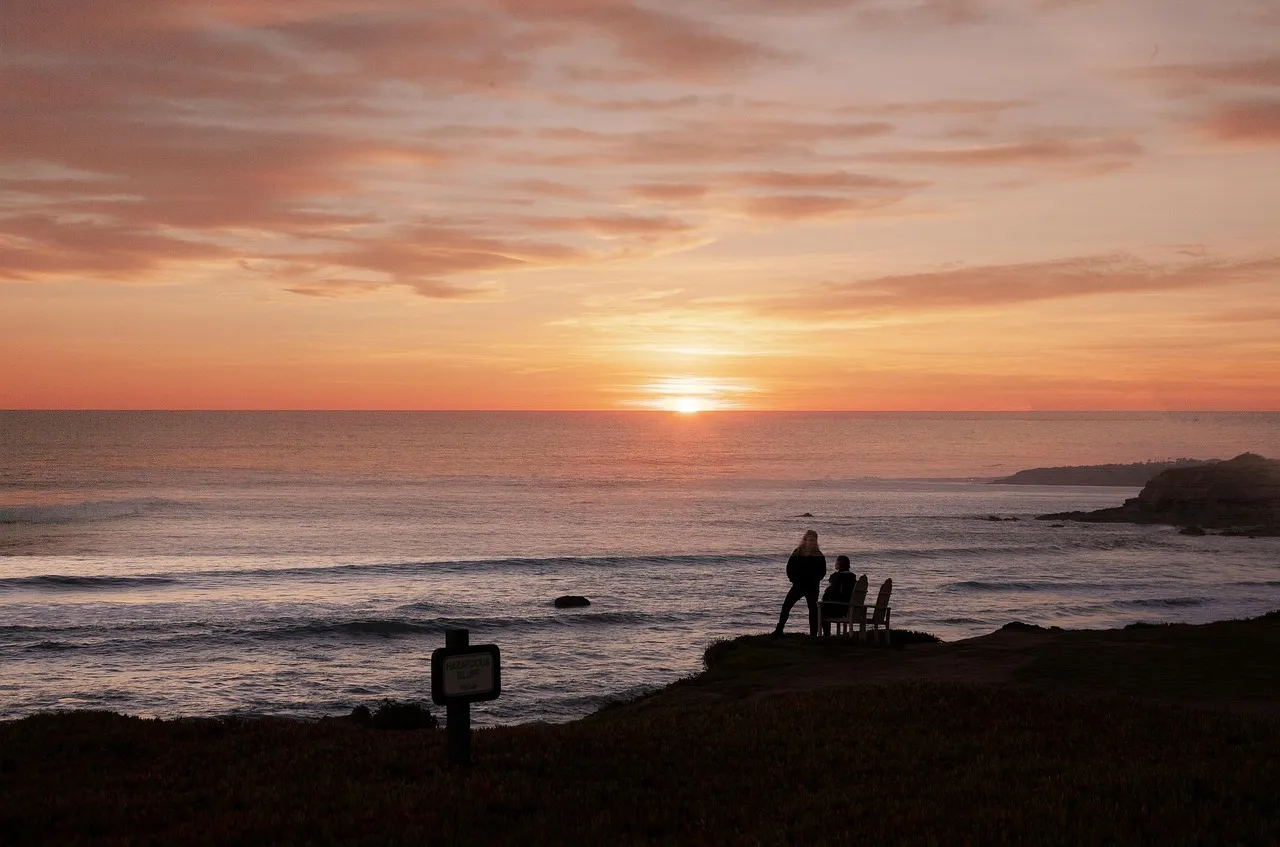
Stretching 363 miles from Astoria to Brookings, the coastal highway has been more than a route on a map: it has carried families to beaches and fishing towns, linked isolated communities, and helped define the Oregon coast. The road was not an accident of geography. Unlike many inland highways designed purely for speed, large stretches of Highway 101 were engineered to work with the coastal landscape and to showcase it.
Oregon formed its Highway Commission in 1913, launching an ambitious decade-long effort to construct a coast highway across seven counties. Completed through remarkable feats of engineering, the route was designated U.S. Highway 101 in 1926, permanently linking communities that had long faced geographic separation. In 2026, the highway marks its centennial as a federal route, which is no small thing.
The Numbers Behind the Popularity
A whopping 53,853,609 people made day trips to Oregon’s state parks in 2024, according to data released by the Oregon Parks and Recreation Department. The coast drove most of that figure. The record-setting numbers were fueled by an ever-growing number of people heading to the Oregon Coast.
The Oregon coast remains the system’s most popular destination, with 362 miles of publicly managed beaches. Day-use visits there reached 32.5 million in 2024. Even in 2025, when overall numbers dipped slightly, the coast held firm as the top destination in the state park system. The demand is real and sustained.
Cannon Beach: Where the Drive Begins
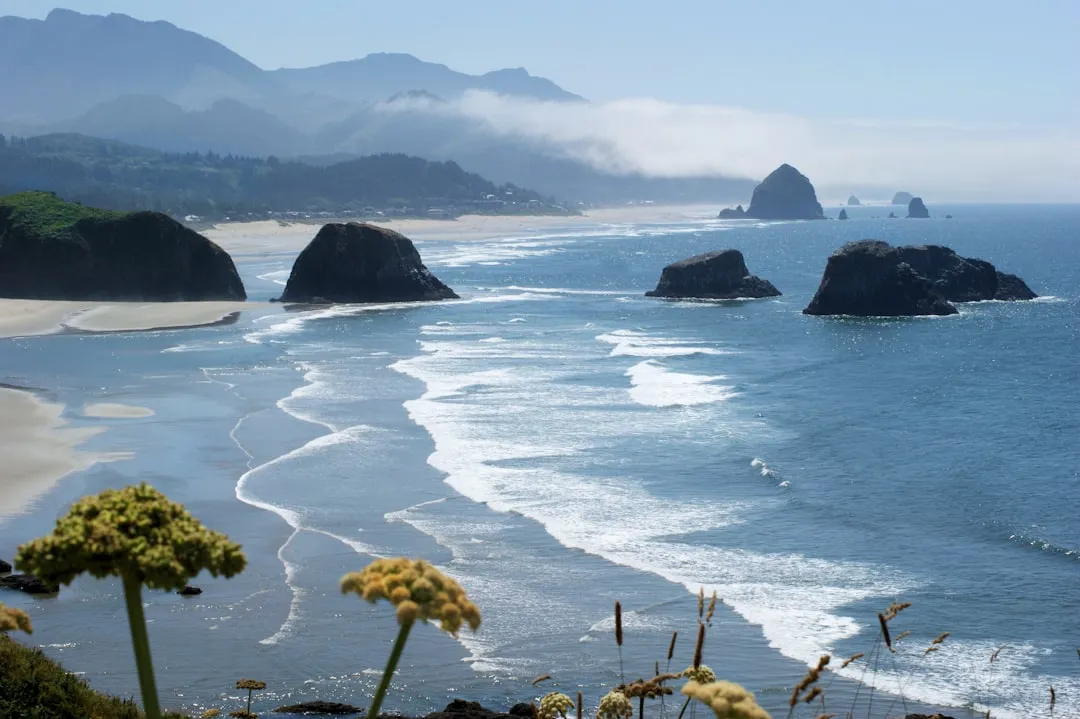
Begin your journey from the city of Cannon Beach, situated about 1.5 hours west of Portland. This gorgeous resort town was ranked one of the world’s most beautiful places by National Geographic in 2013. It earns the distinction every time. Make your way to the namesake beach, a four-mile-long serene shore with rocky surroundings amplifying its beauty. During the winter months, the Pacific roars wildly with massive waves crashing into the surroundings. The most incredible sight here is the 235-foot Haystack Rock, standing firm in the untamed ocean.
Hug Point in Cannon Beach was one of three coastal parks that saw greater than 100% increases in visitors in 2024. That kind of surge tells you something about how word is spreading.
Astoria: History at the Top of the Map
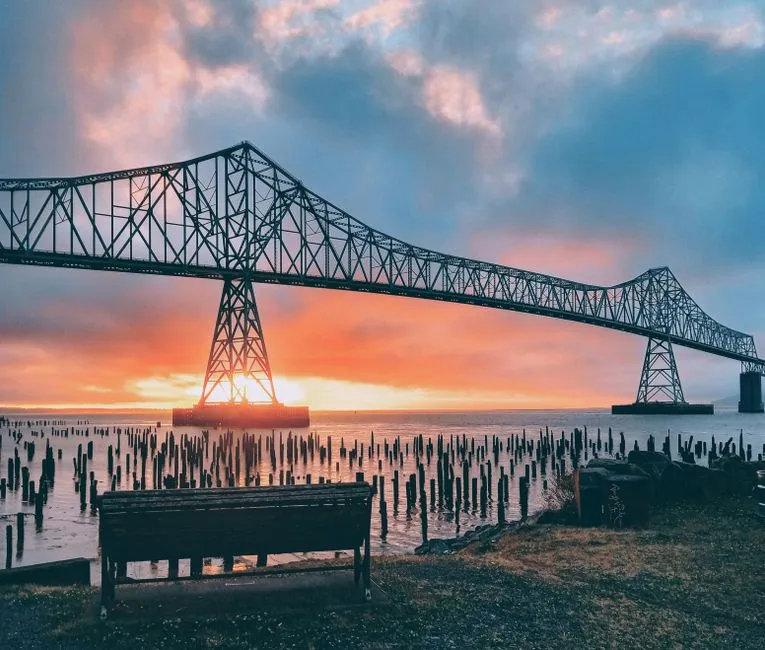
Three rivers converge with the Pacific Ocean in Astoria, the oldest settlement west of the Rocky Mountains. The city anchors the northern end of the drive with a weight that goes beyond scenery. Astoria, named for the fur trader John Jacob Astor, was the first permanent European settlement in the Pacific Northwest, established in 1811.
Astoria, Oregon, is perched on the northern tip of the state where the Columbia River meets the Pacific Ocean. Rich in maritime history, this charming town boasts Victorian architecture, a vibrant waterfront, and iconic landmarks like the Astoria Column, offering panoramic views. It’s a strong opening chapter for a long and rewarding drive.
Cape Perpetua: The Roof of the Oregon Coast
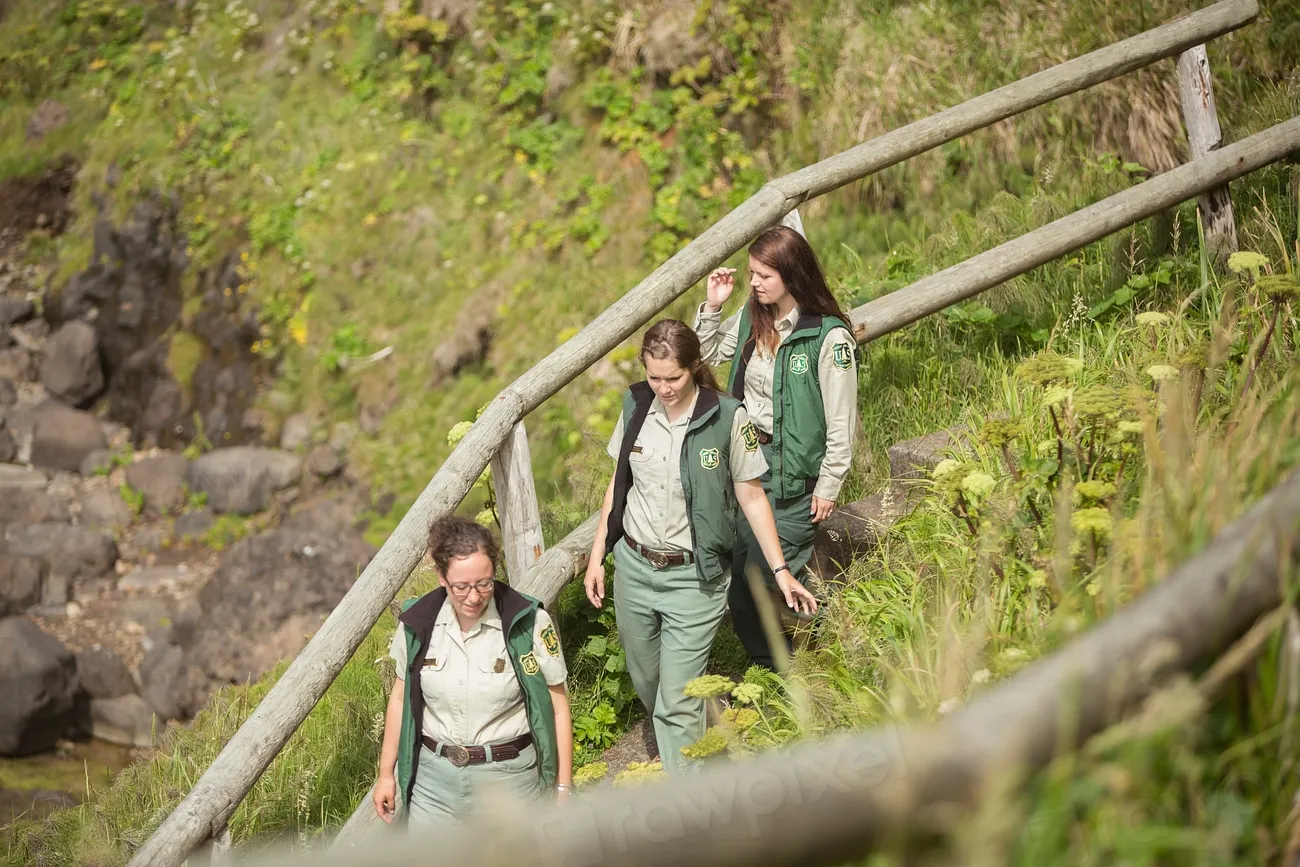
Cape Perpetua is a large forested headland projecting into the Pacific Ocean on the central Oregon Coast. The land is managed by the United States Forest Service as part of the Siuslaw National Forest. Most travelers don’t realize how high it gets. At its highest point, Cape Perpetua rises to over 800 feet above sea level. From its crest, an observer can see 70 miles of Oregon coastline and as far as 37 miles out to sea on a clear day.
The Cape Perpetua Scenic Area includes 26 miles of trails and over 2,700 acres of coastal rainforest. It’s one of those places that earns the stop every single time you make it.
Thor’s Well: The Drive’s Most Surreal Moment
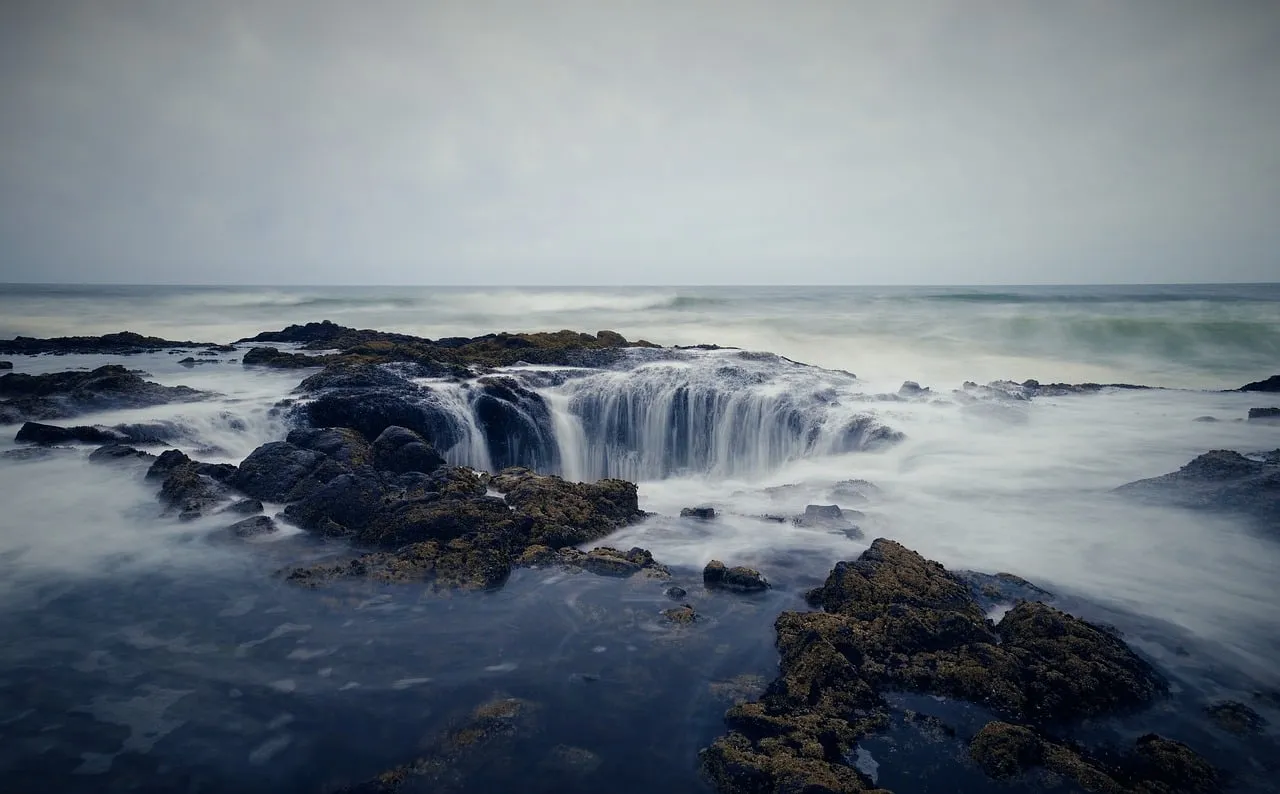
Sitting on the edge of the Oregon coast near Cape Perpetua, a gaping, seemingly bottomless sinkhole swallows the unbroken stream of seawater around it. Thor’s Well, as the natural wonder is known, is not actually bottomless. It just looks that way. Also known as the drainpipe of the Pacific, the well is actually a hole in the rock that only appears to drain water from the ocean. According to some researchers, the well probably started out as a sea cave dug out by the waves, before the roof eventually collapsed and created openings at the bottom and top through which the ocean sprays.
Thor’s Well is best seen approximately an hour before high tide to an hour after high tide. How spectacular the sights are is a function of the height of the high tide and the direction and size of the swells. Time your visit well and it’s genuinely unforgettable.
Samuel H. Boardman Corridor: The Southern Crown Jewel
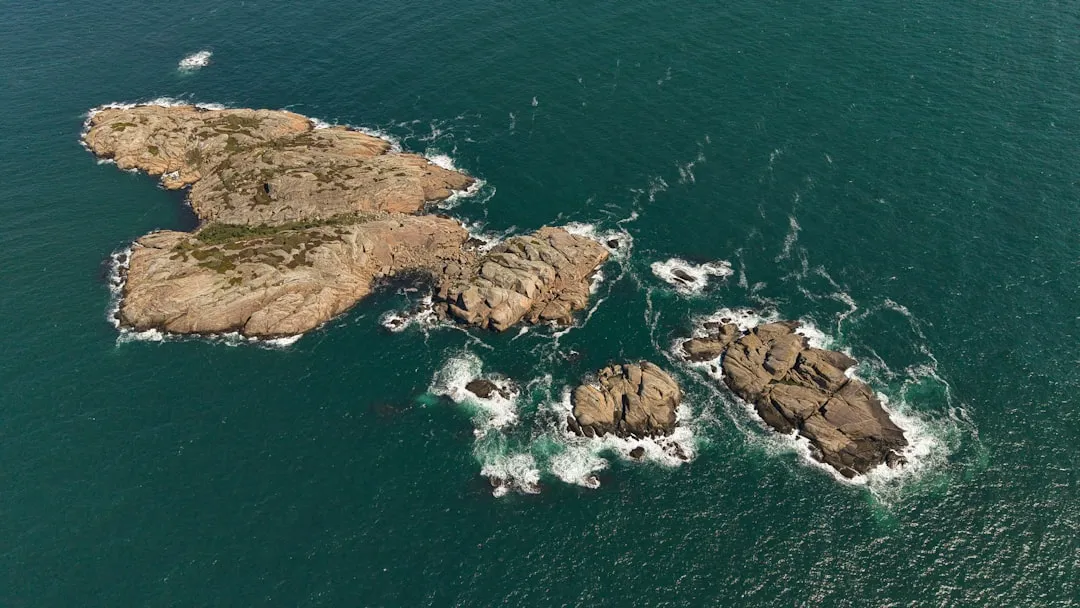
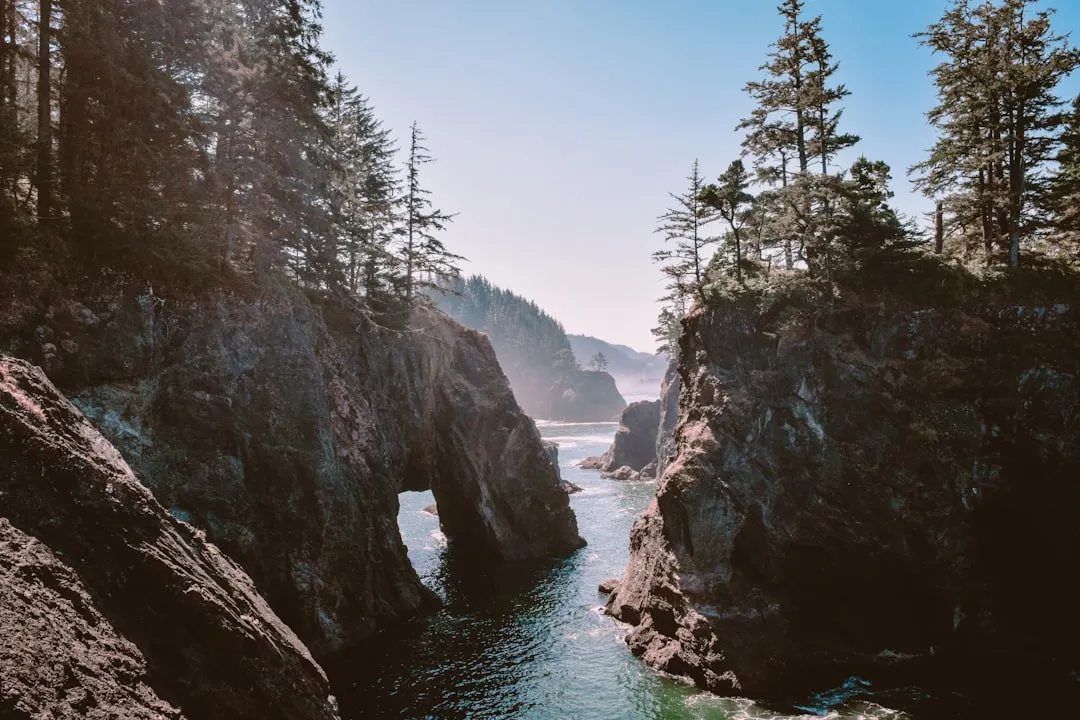
Welcome to Samuel H. Boardman State Scenic Corridor, a 12-mile stretch of sheer coastal drama. The numerous pull-offs provide a front-row seat to towering sea stacks and secluded beaches. This section of the drive, tucked into the far southern coast, is arguably the most photogenic of all. En route to Brookings near the California border, this 12-mile stretch of Highway 101 is so dramatic it warrants special signage. The highway serves up viewpoint after viewpoint, including Arch Rock, Whaleshead, and Cape Ferrelo, revealing clutches of craggy sea stacks and tiny cove beaches festooned with tangled driftwood.
Long considered a hidden gem, increasing awareness of parks such as Sam Boardman, Sunset Bay and Cape Arago brought big upticks in visitor numbers in 2024. The secret is clearly out.
Sea Lion Caves and Heceta Head: Central Coast Highlights
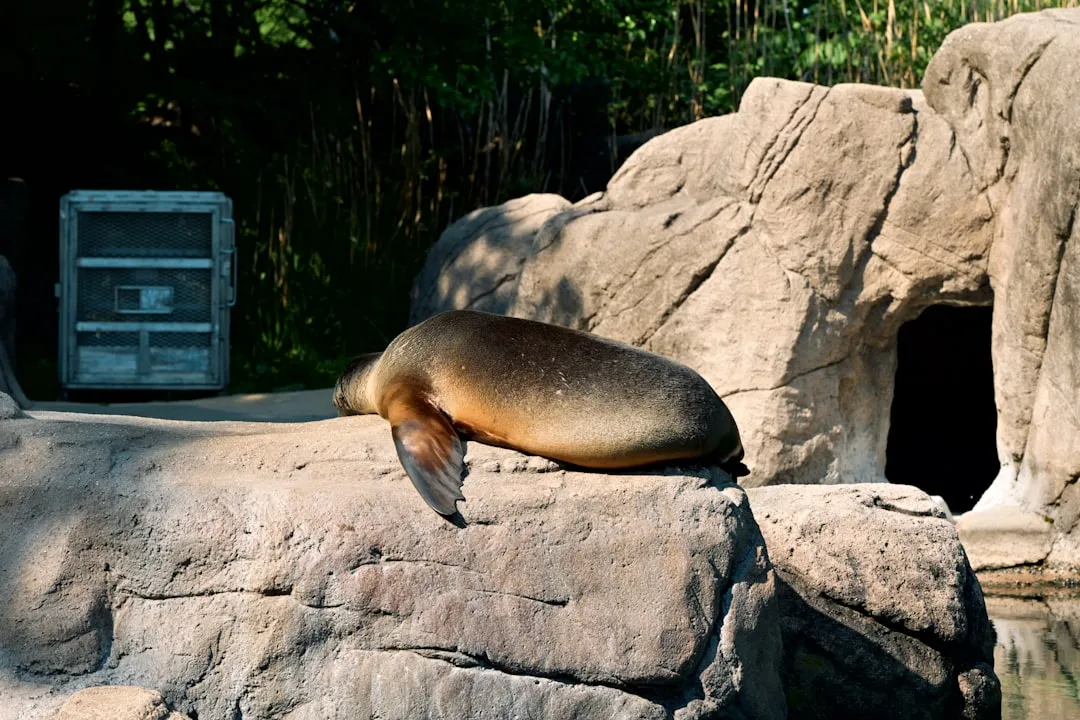
The 25-million-year-old Sea Lion Caves in Oregon is the largest basalt grotto in the country, teeming with marine life. Boasting a 125-foot high rock ceiling, the cave is full of Steller sea lions during the winter months. Just north of Florence, it’s one of the drive’s most unusual stops. Located north of Florence, Heceta Head Lighthouse was built by the U.S. Coast Guard in 1892. The lighthouse uses a Fresnel lens to shine a beam of white light for 21 miles.
These two landmarks sit just miles apart and together give the central coast a distinct identity. Few stretches of any American highway can claim a cave full of sea lions and a 130-year-old lighthouse in the same afternoon.
Oregon Dunes: Where the Landscape Gets Unexpected
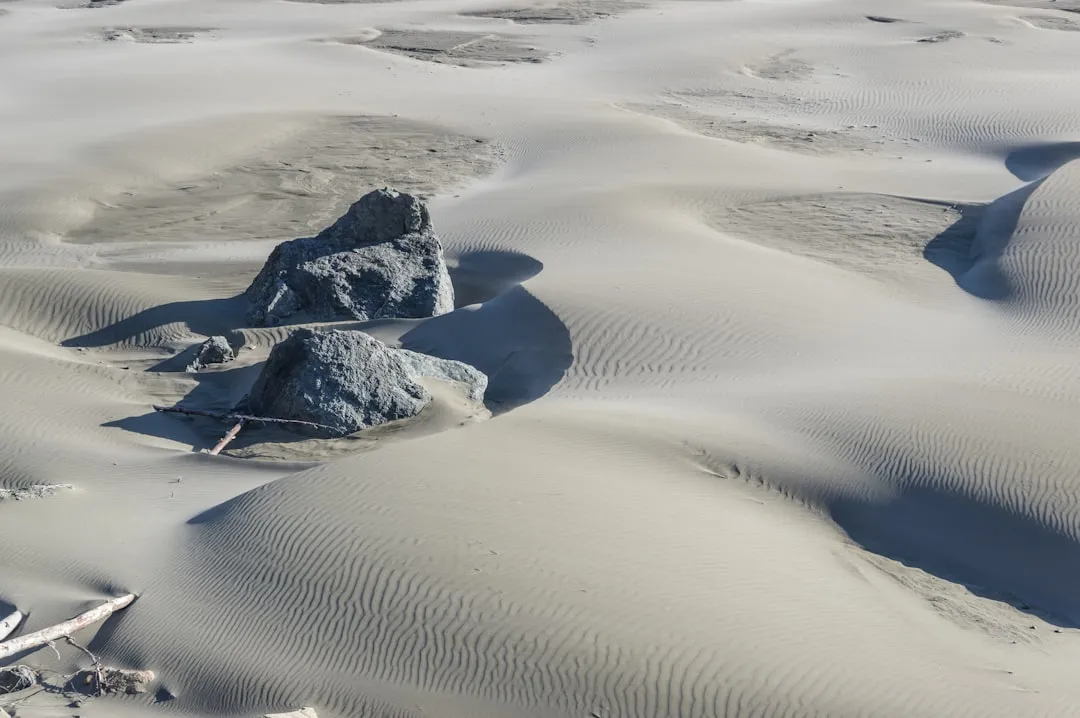
Dune country unfolds as a mesmerizing stretch along the coast where immense sand dunes meet the Pacific. The Oregon Dunes National Recreation Area, a sandy playground stretching over 40 miles, captivates with towering dunes and undulating landscapes. Most people don’t expect desert-scale dunes on a coastal road trip. Adventure seekers revel in dune buggy rides, sandboarding escapades, and tranquil hikes through the sandy expanse.
Oregon has one of the most stunning stretches of the Pacific Coast in the USA. Here you will find stunning natural attractions including sea stacks and sea arches, a rocky coastline often covered in fog, sand dunes that rise high into the air, pretty coastal towns, and historic lighthouses. The dunes are proof the drive never stays predictable.
The Best Way to Actually Drive It
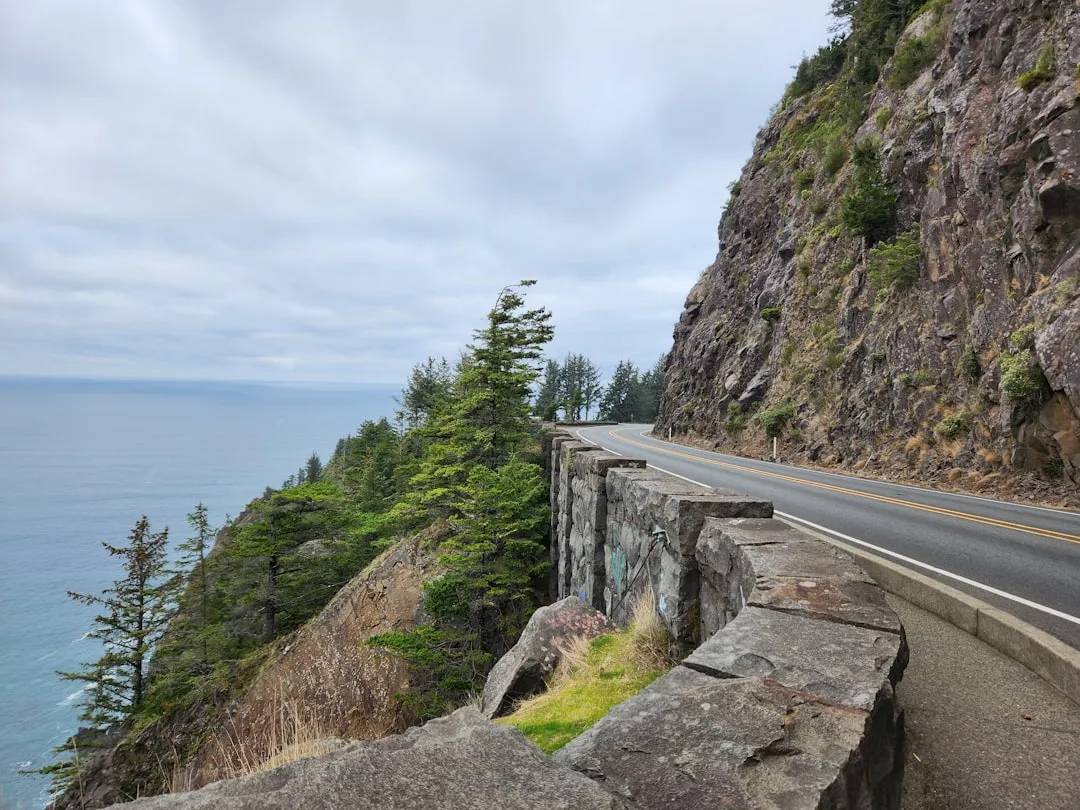
The drive of the total length of the coastline from Astoria to Brookings along Highway 101 takes eight hours without stopping. Add in the many attractions and scenic spots, and experts recommend devoting five to seven days for this road trip. That said, the rhythm matters. Driving southbound down Highway 101 means you’ll be driving along the coast the majority of the time, getting the best views along the way.
Late spring through early fall offers the best weather and daylight. September is ideal for fewer crowds and amazing sunsets. Winter, on the other hand, brings raw drama and whale migrations. Sojourners who visit between November and June will want to scan the horizon to catch a glimpse of migrating gray whales. There truly is no bad time, just different versions of the same great drive.
AI Disclaimer: This article was created with the assistance of AI tools and reviewed by a human editor.