
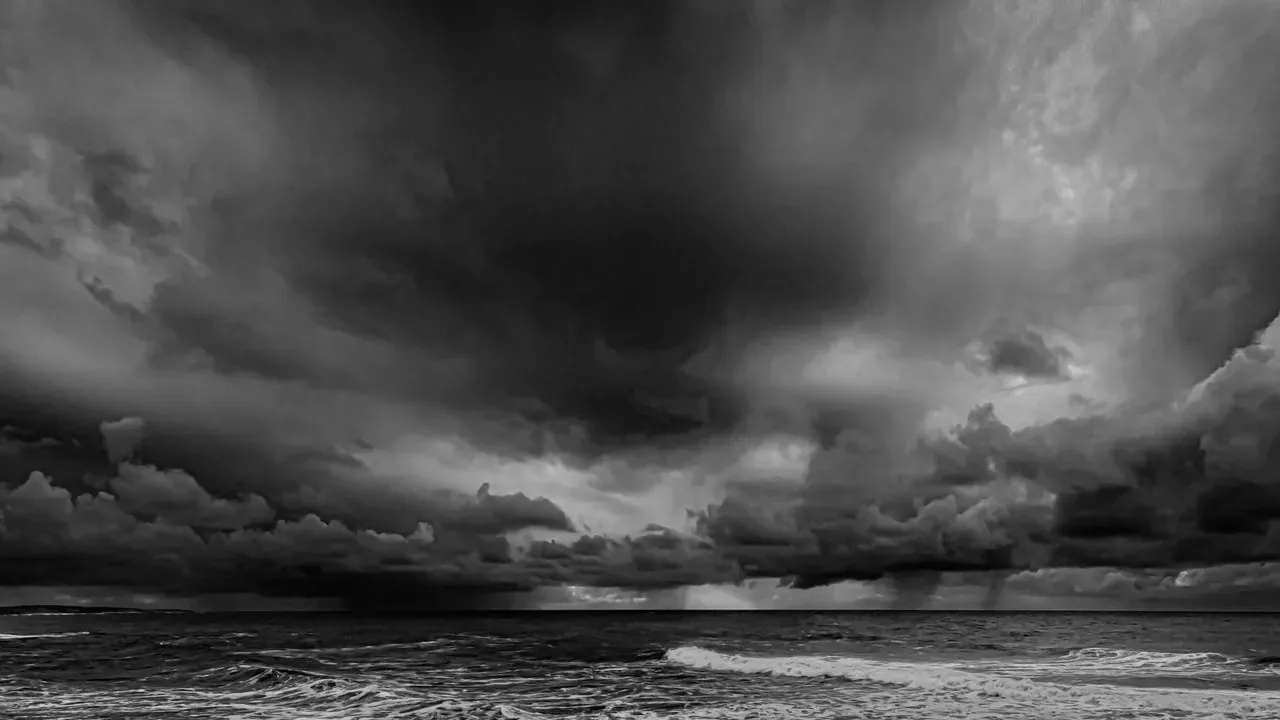

Tropical Storm Dolly took shape in the central Atlantic on the morning of August 27, 2026, becoming the fourth named system of an already active season. Positioned roughly 1,555 miles east of the Leeward Islands and moving steadily westward, the storm carries sustained winds near 40 miles per hour. Its appearance coincides, by pure chance, with the recent passing of country music legend Dolly Parton, whose name the rotating list happened to assign this year. For travelers eyeing Caribbean escapes or Southeast coastal getaways in the weeks ahead, the development invites measured attention rather than alarm.
Current Position and Expected Path
At formation, Dolly sat well out to sea, far from any immediate landfall concerns. Forecasters at the National Hurricane Center anticipate the system will continue its westward track over the coming days, though increasing wind shear and other environmental factors are likely to cause it to weaken into a tropical wave before reaching the northern Lesser Antilles this weekend. Even in a diminished state, the remnants could still deliver periods of heavy rainfall across parts of the Leeward Islands, the Virgin Islands, Puerto Rico, and Hispaniola beginning late Saturday into early next week.
Localized totals may reach several inches in higher terrain, raising the possibility of flash flooding in vulnerable spots. Travelers already in or bound for these islands will want to stay in close contact with local authorities and lodging providers for the latest updates.
Practical Steps for Travelers This Season
Late August and early September mark the heart of Atlantic hurricane season, a time when many visitors still enjoy warm waters and vibrant island culture while understanding that weather patterns can shift. Responsible planning begins with flexible itineraries and reliable sources of information. Checking the National Hurricane Center’s advisories each morning, signing up for local emergency alerts, and confirming travel insurance that covers weather disruptions remain wise habits.
Those heading to Florida or the broader Southeast coast should note that any moisture from Dolly’s remnants would likely arrive only as increased rain chances rather than organized storm conditions. Resorts and cruise lines in the region routinely monitor developments and adjust schedules accordingly, often with guest safety as the top priority. Packing a small kit with essentials such as a portable charger, medications, and copies of important documents adds peace of mind without overshadowing the joy of the journey.
Respecting the Rhythm of the Season
The Atlantic basin’s tropical systems have long shaped the cultural and natural landscapes of the Caribbean and the U.S. East Coast. Communities there have developed deep knowledge of preparation and resilience, turning potential challenges into opportunities for stronger local bonds and improved infrastructure. Travelers who approach the season with curiosity and care often find themselves welcomed into conversations about traditional forecasting methods, sustainable building practices, and the quiet beauty of post-storm renewal in coastal ecosystems. Dolly’s modest strength and short expected lifespan underscore how individual storms vary widely.
Many seasons pass with limited disruption to well-planned trips, while others remind everyone of nature’s unpredictability. Approaching each forecast with calm attention allows visitors to support local economies through thoughtful choices – opting for locally owned lodgings, respecting temporary closures when issued, and leaving destinations as they found them.
Looking Ahead with Thoughtful Preparation
As the 2026 season continues, additional systems remain possible through November. The most useful mindset for travelers combines appreciation for the region’s enduring appeal with a commitment to staying informed. Monitoring trusted meteorological updates, maintaining open communication with hosts and operators, and embracing flexibility all contribute to journeys that feel both meaningful and secure.
In the end, the story of any single storm serves as a gentle prompt to travel with intention. Whether watching waves from a shaded veranda in the islands or strolling along a quiet stretch of the Southeast shoreline, visitors who prepare responsibly often discover deeper connections to the places they visit and the people who call them home.
AI Disclaimer: This article was created with the assistance of AI tools and reviewed by a human editor.