
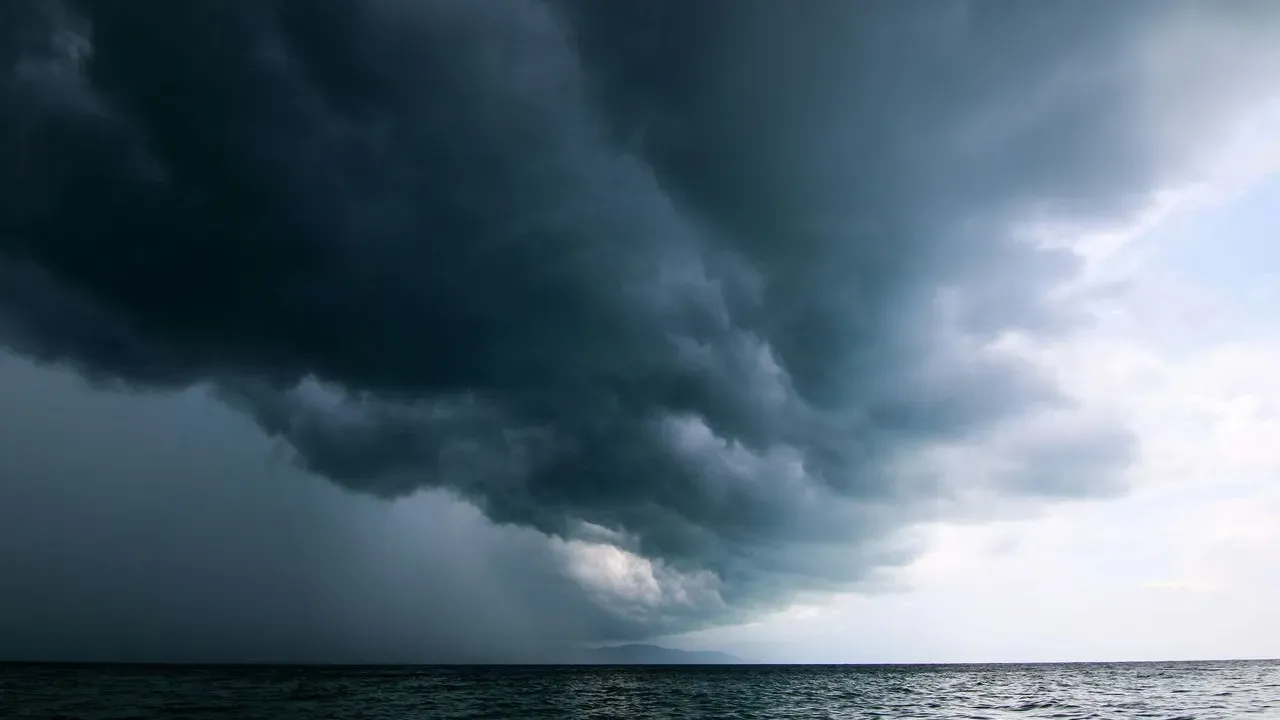

Southern California faces an uncommon weather development this weekend as Tropical Storm Rachel moves toward the coast. Forecasters anticipate landfall in northern Baja California or San Diego County as early as Saturday night, a track that stands out for the region. The situation calls for measured attention to coastal conditions and any adjustments to travel plans. ([1])
An Uncommon Route Across the Pacific
Tropical storms reaching this far north and east in October remain infrequent along the Southern California shoreline. Rachel’s path has drawn notice because it deviates from more typical patterns that keep such systems farther offshore or farther south. The result is a narrower window for preparation along the immediate coast.
Travelers who had planned coastal drives, beach outings, or ferry crossings may find conditions shifting more quickly than usual. The storm’s timing coincides with many weekend itineraries, prompting a closer look at forecasts rather than assumptions based on past seasons.
Coastal Conditions to Watch
Damaging coastal flooding stands among the primary concerns as the system approaches. Elevated surf and stronger onshore winds can affect low-lying areas, harbors, and beachfront access points. These factors often combine to limit visibility and create temporary disruptions along popular shorelines.
Even away from the immediate surf zone, heavier rainfall can lead to localized ponding on roads and in parking areas. Visitors who rely on scenic coastal routes or outdoor dining may encounter brief closures or detours. Monitoring real-time updates helps keep plans flexible without unnecessary alarm.
Practical Steps for Weekend Visitors
Checking official sources before departure remains the most reliable approach. The National Weather Service and local emergency management offices provide the clearest guidance on timing and intensity. Travelers can also review hotel or attraction websites for any operational changes.
Those already in the area might consider shifting indoor activities or cultural visits to the forefront of their schedule. Allowing extra time for ground transportation and confirming flight status through airline channels can reduce last-minute stress. Packing a small kit with water, snacks, and a portable charger supports comfort during any short delays.
- Review current advisories from the National Weather Service each morning and evening.
- Confirm reservations directly with hotels, restaurants, and tour operators.
- Identify alternate indoor options such as museums or markets if outdoor plans change.
- Keep a charged phone and note local emergency numbers for quick reference.
Traveling With Consideration for Local Communities
Coastal neighborhoods often balance tourism with everyday life, and respectful visitors help maintain that balance during weather events. Following posted guidance and avoiding restricted zones protects both people and sensitive shoreline environments. Simple choices, such as using public transit when available or supporting local businesses that remain open, contribute to a steadier recovery once conditions ease.
Many residents have long experience with seasonal weather shifts and appreciate visitors who stay informed rather than speculative. This approach aligns with the values of purposeful travel that respects both place and people.
Key points for the weekend: monitor official updates, allow schedule flexibility, and prioritize safety and community respect while enjoying the region’s enduring appeal.
AI Disclaimer: This article was created with the assistance of AI tools and reviewed by a human editor.