
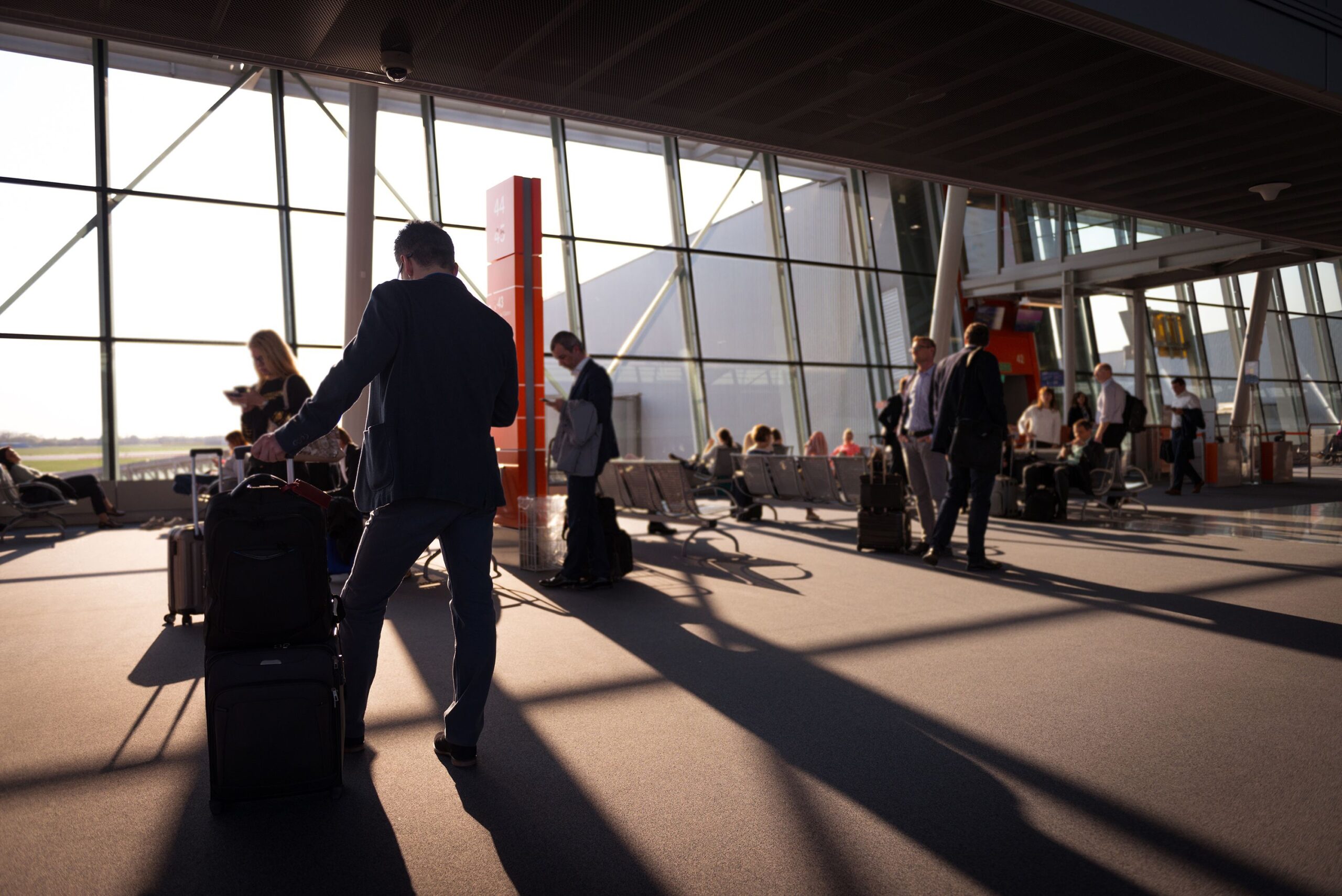

Every year, millions of travelers move through airport security convinced their bags are perfectly packed, only to get pulled aside for a manual search they never saw coming. It’s rarely the obvious stuff. It’s the protein powder, the tangled chargers, the half-full water bottle you forgot to empty.
In 2024 alone, the TSA screened 904 million passengers, a more than five percent increase from 2023, along with 494 million checked bags and over two billion carry-on items. With that kind of volume, agents rely heavily on X-ray imaging to catch anomalies fast. Understanding what trips those systems is genuinely useful knowledge for anyone who flies.
Overpacked, Cluttered Bags That Block the X-Ray
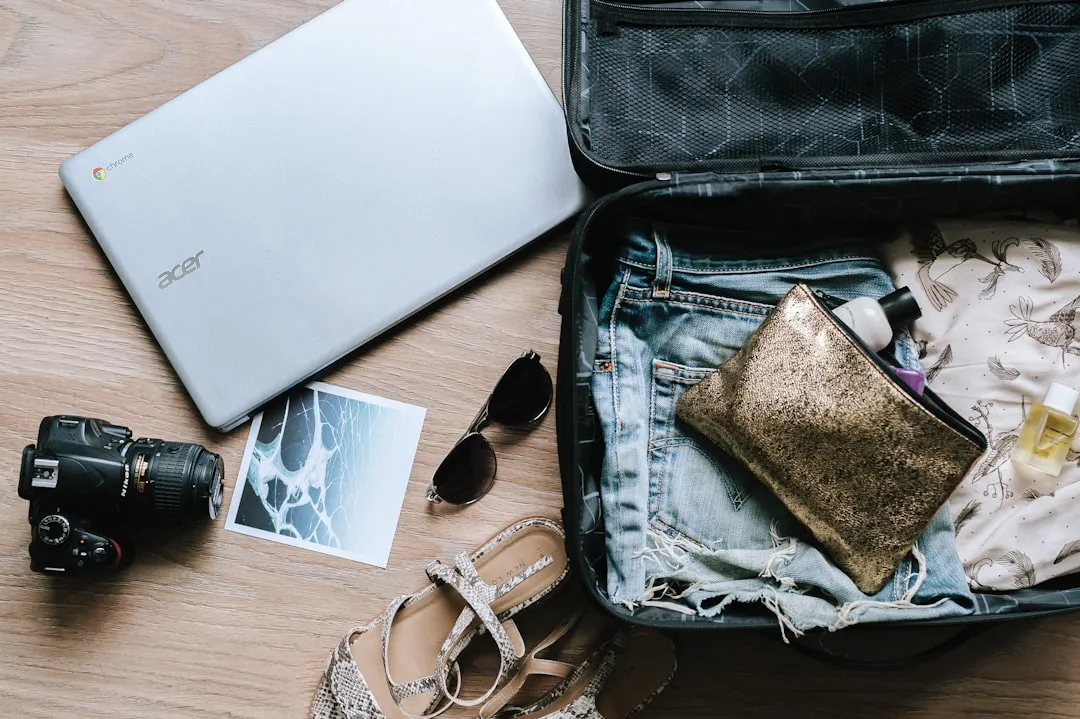
The TSA recommends keeping your bag organized to help ease the screening process, noting that it takes time for officers to make sure a jam-packed, cluttered, overstuffed bag is safe. This is probably the most common and least talked-about trigger. Most travelers stuff their bags as full as possible and assume volume is the issue. It’s actually opacity.
Dense objects such as a stack of books, large electronics, or tightly packed bags can appear opaque to scanners, and TSA explains that these dense masses can obstruct the visibility of other items, making it more difficult for officers to distinguish safe content from potential threats. Think of it like trying to read through a thick wall: the scanner just can’t see clearly enough to make a confident call.
Liquids That Violate the 3-1-1 Rule
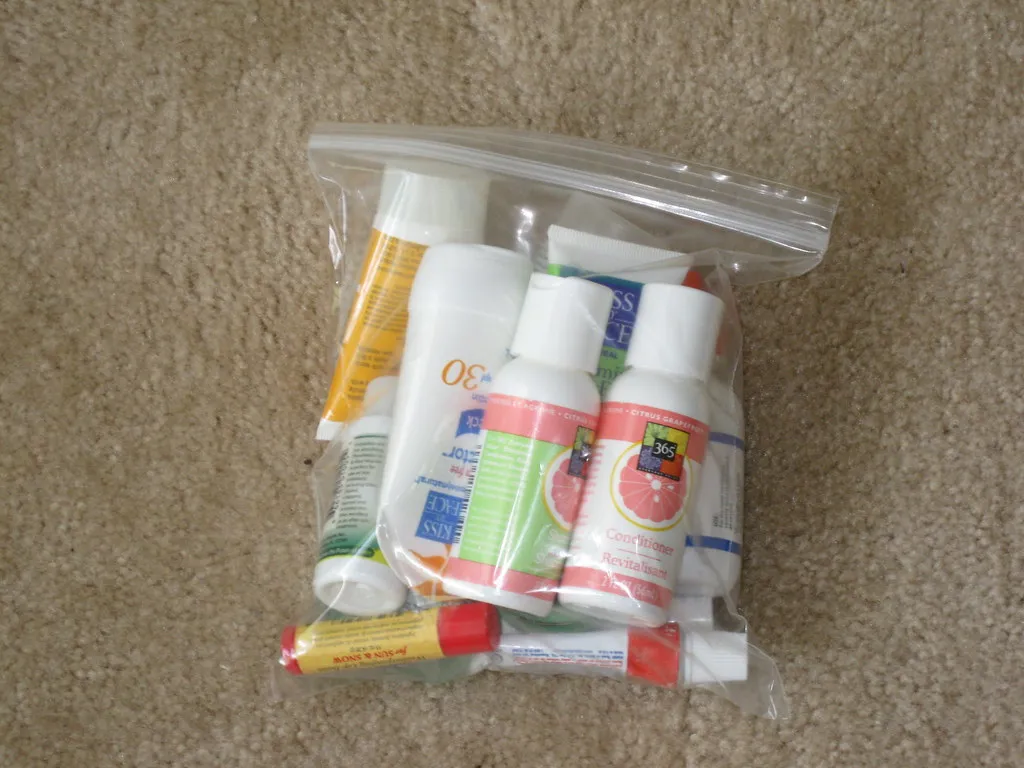
Liquids are the number one reason bags get pulled aside at security checkpoints around the world. The TSA enforces a strict 3-1-1 rule, which means any liquid container must hold 3.4 ounces or less. Even a bottle that is only a quarter full will be flagged because screeners cannot verify the liquid’s contents through the X-ray alone.
The TSA classifies anything spreadable as a liquid, which means you’re only allowed to carry on less than 3.4 oz of peanut butter. The same logic goes for any food used for spreading or dipping, including honey, salsa, soft cheese, yogurt, and guacamole. It catches people every single day.
Powders Over 12 Ounces
According to the TSA’s policy on powders, substances over 12 ounces, such as protein powders, baby formula, or ground spices, may require extra screening or even be prohibited from carry-ons if officers can’t identify them. The scanner reads these substances similarly to how it reads certain explosive materials, so the flag is essentially automatic.
Any powder-like substance over 12 oz can trigger additional screening, including protein powder, flour, pancake mix, baby formula, and powdered drink packets, because certain powders can mimic explosives under current scanner technology. To avoid delays, the TSA recommends separating large quantities of powders in a tray or packing them in checked luggage.
Tangled Wires and Cable Nests
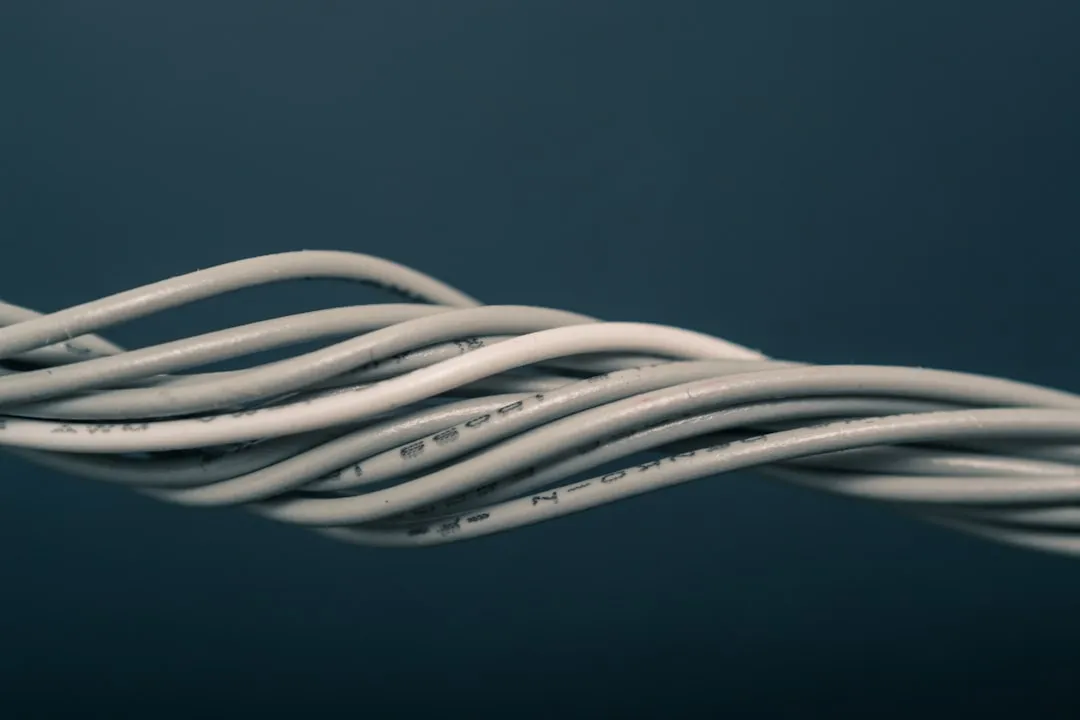
TSA agents confirm that large tangled piles of wires and chargers can obscure the X-ray view of everything else, making it necessary for them to open the bag and look manually. This is one of the most avoidable delays there is. A small cable organizer costs next to nothing and eliminates the problem entirely.
New CT scanners may flag dense objects like a tangled mass of electronics and wires for manual inspection, and officers are advised to avoid packing anything that resembles an explosive device or obscures X-ray images, such as tangled wires, since these items can easily trigger alarms. A few cables or wires usually won’t raise eyebrows, but a rat’s nest of wires is liable to attract scrutiny.
Dense Food Items That Confuse Scanners
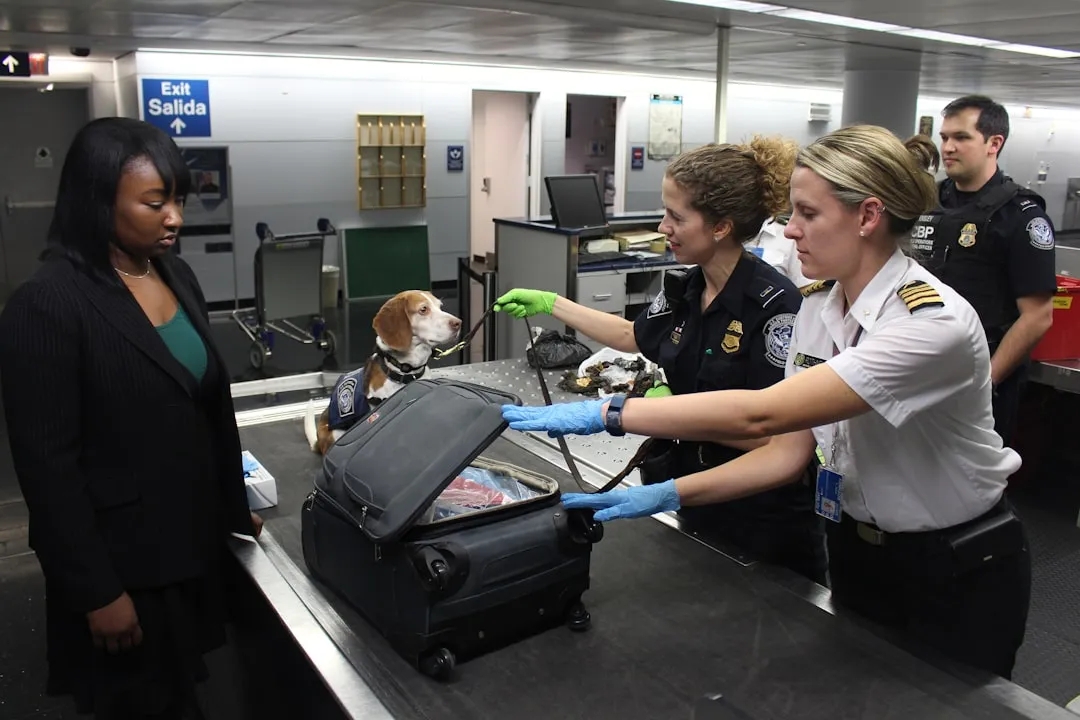
Dense items like cheese, nut butter, and baked goods often flag the scanner. This surprises a lot of travelers because food seems harmless, but the issue isn’t what the item is. It’s how the scanner reads its density signature. Food items often trigger alarms during the screening process, and separating the food from the carry-on bag lessens the likelihood that a TSA officer needs to open the bag and remove the food for closer inspection.
TSA officers may instruct travelers to separate items from carry-on bags such as foods, powders, and any materials that can clutter bags and obstruct clear images on the X-ray machine. Placing snacks in a clear bag on top of your carry-on, rather than buried beneath clothing, makes a real difference at the checkpoint.
Pre-Wrapped Gifts
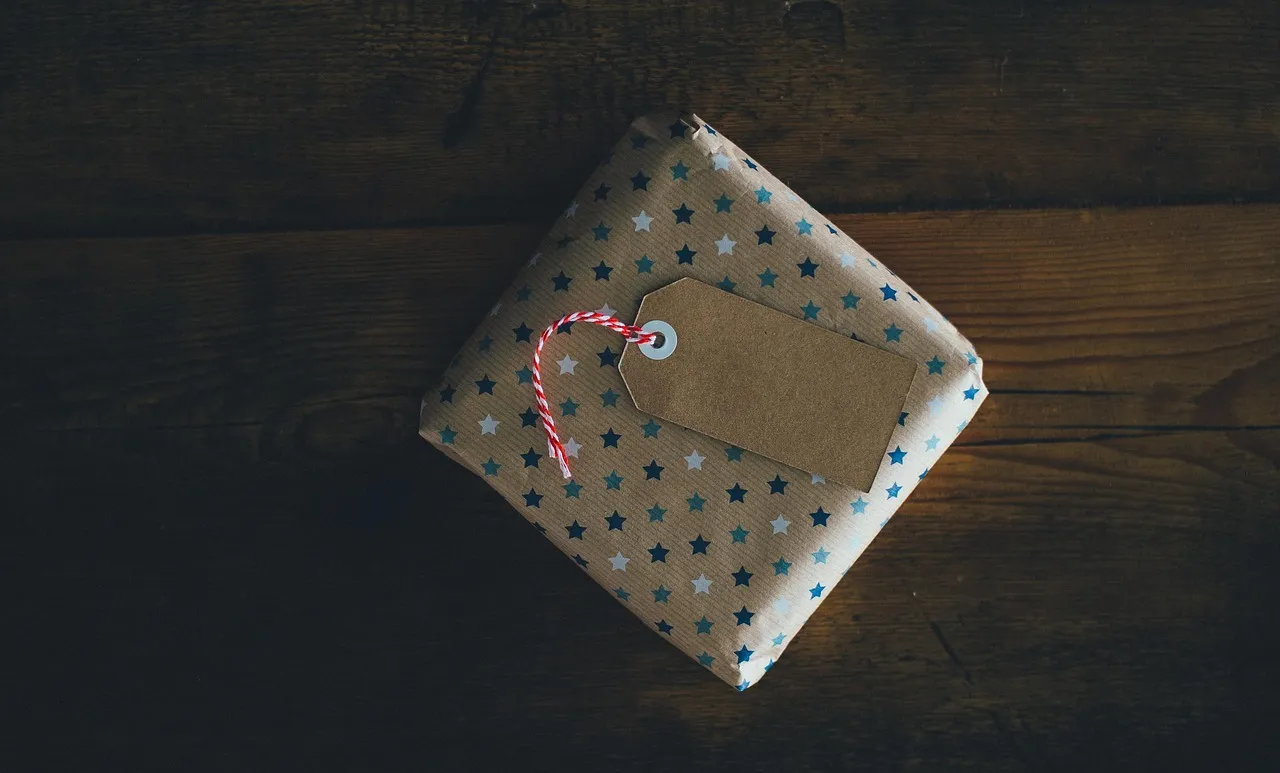
Wrapping a gift before your flight is one of the surest ways to get your bag flagged at security. If screeners cannot clearly identify what is inside a wrapped package on the X-ray, they are required to unwrap it themselves for a manual inspection, and this process takes extra time and almost always results in your careful wrapping job being torn apart.
If your wrapped gift triggers an alarm during X-ray screening or requires additional inspection for any reason, TSA officers have the authority to unwrap it, and TSA explicitly states they won’t rewrap your gift. The TSA officially recommends waiting to wrap gifts until after you arrive at your destination. That’s advice worth taking seriously, especially during the holiday rush.
Snow Globes and Liquid-Filled Souvenirs

Snow globes are almost guaranteed to get your bag flagged at security. Because the liquid inside cannot be easily measured, TSA treats the entire item as a liquid regardless of how small it appears, and even a palm-sized snow globe can hold more than the allowed 3.4 ounces, meaning it typically gets confiscated on the spot.
If you love bringing snow globes home as keepsakes, the safest move is to pack them in your checked luggage instead. It’s a small logistical shift that protects both the souvenir and your place in the security line. Many travelers only learn this the hard way, usually at the checkpoint, usually while running late.
Large Amounts of Undeclared Cash

Large amounts of cash, wires, electronics, or even powders and other dense items might get flagged by TSA scanners, as they can be associated with smuggling, money laundering, or other suspicious activity. Carrying cash is legal, but the way it appears on an X-ray, particularly if bundled or stacked, can draw immediate attention.
Carrying undeclared cash exceeding $10,000 through U.S. airports could lead to forfeitures, as it raises crime suspicions. If you are planning to bring a large sum of cash through a U.S. airport, make sure it follows CBP’s reporting requirement if it exceeds $10,000, and prepare proof of your money’s origins, including bank records, transaction receipts, or employment proof.
Smart Luggage With Non-Removable Batteries
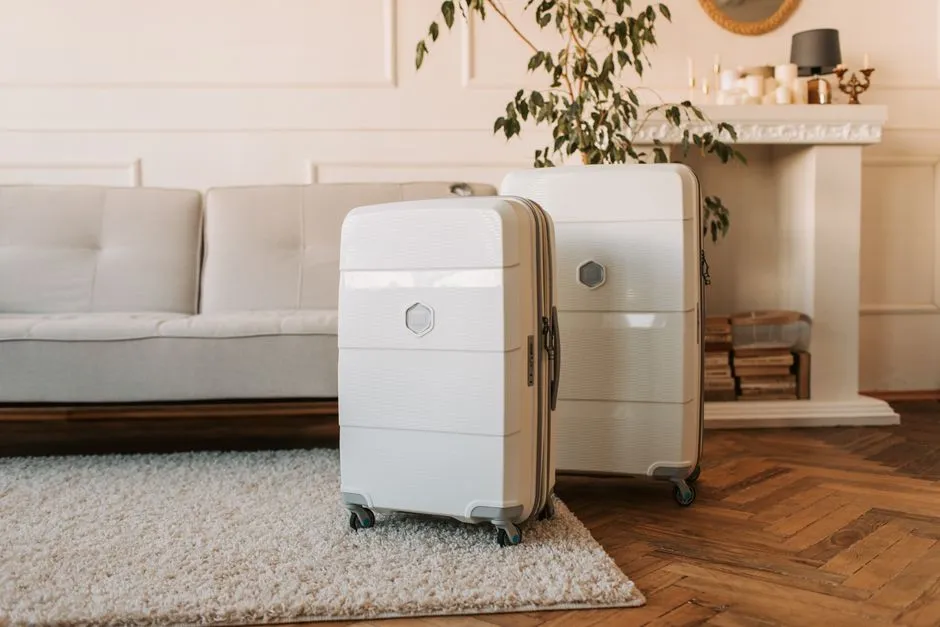
Smart luggage is still allowed, but only if the lithium-ion battery can be removed. TSA agents are cracking down on bags with built-in power banks that can’t be detached, as these batteries pose a fire risk in cargo holds, and airlines are enforcing the rule more strictly in 2026.
If the battery cannot be removed, TSA rules will apply to the entire bag, even at check-in, since non-removable lithium-ion batteries are banned in all luggage due to fire risk. If a power bank is found during screening, it will be removed and may lead to a search of your entire bag. It’s one of those rules that feels obscure until it isn’t.
Firearms and Prohibited Items Hidden in Everyday Objects
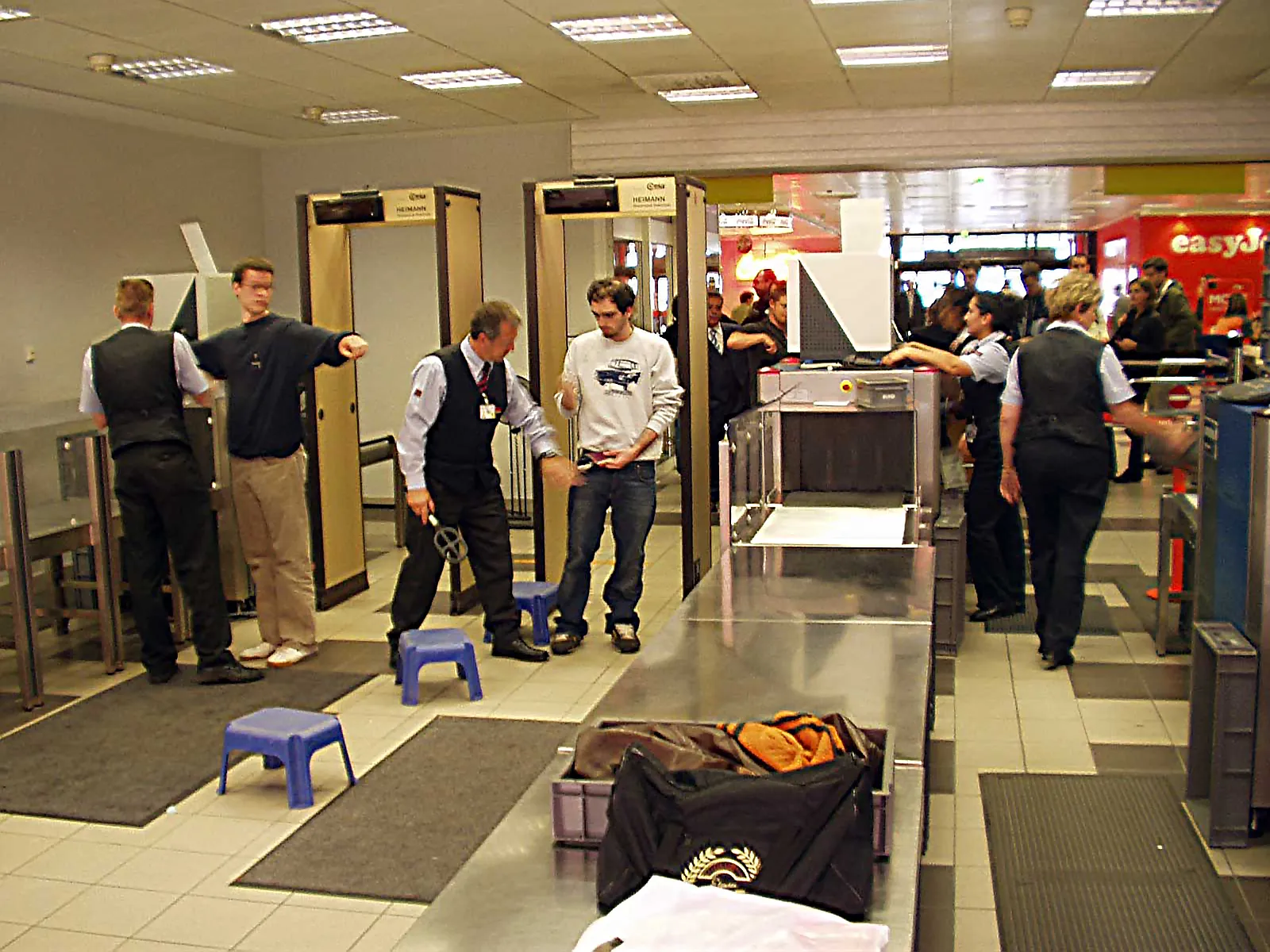
During 2024, the TSA intercepted a total of 6,678 firearms at airport security checkpoints, and approximately 94% of these firearms were loaded. Some of the intercepts involved genuinely inventive concealment, which is exactly why agents are trained to read X-ray density signatures with such care.
Even if an item is generally permitted, it may be subject to additional screening or not allowed through the checkpoint if it triggers an alarm during the screening process, appears to have been tampered with, or poses other security concerns. A TSA spokesperson confirmed that certain items “cause delays in checkpoints” even when they’re not outright prohibited, which is precisely why agent judgment and imaging technology work together at every lane.
The Takeaway
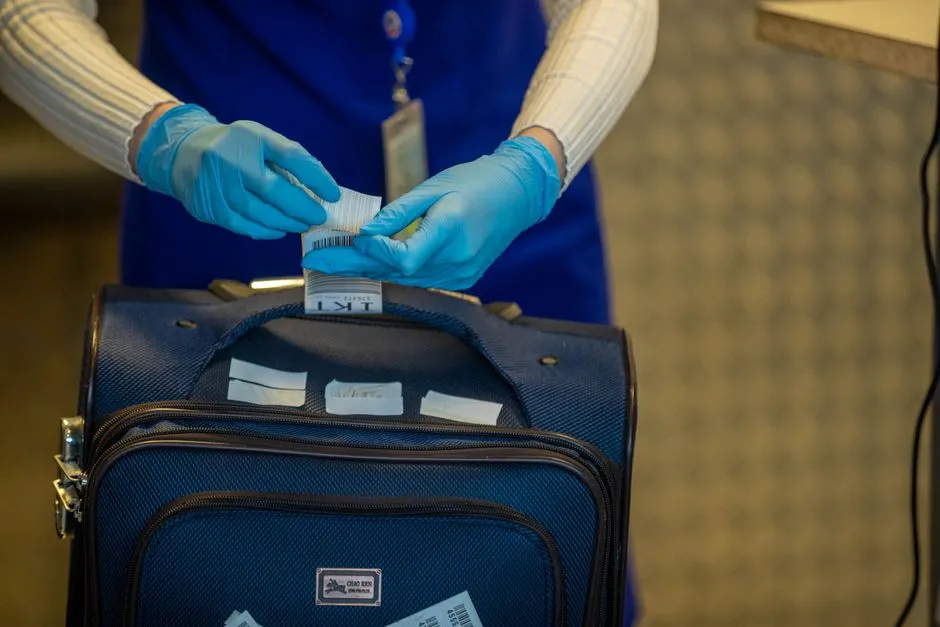
Most bag searches aren’t random, and they aren’t bad luck. They come down to specific, avoidable packing habits that make an X-ray image unclear or suspicious. The TSA’s screening process relies on advanced imaging technology that identifies anomalies rather than specific objects, and when scanners detect unclear shapes or unusually dense masses, agents must manually inspect the bag to ensure safety.
The good news is that once you know what actually trips the system, the fixes are simple. Clear pouches for food, a cable organizer, powders in checked luggage, and gifts unwrapped until you land. None of it requires a TSA PreCheck membership or a perfectly minimalist packing list. It just requires knowing what the scanner is actually looking for, and packing with that in mind.
AI Disclaimer: This article was created with the assistance of AI tools and reviewed by a human editor.