
Every few months, a headline claims the TSA is finally scrapping its tiny bottle rule, and every few months, travelers pack a full size shampoo bottle and lose it at the checkpoint. The gap between what people think is happening at airport security and what is actually written into federal policy has rarely been wider than it is right now. Understanding that gap, rather than just the rumors, is what actually saves you time and toiletries on your next trip.
The 3-1-1 Rule Is Still the Law of the Land
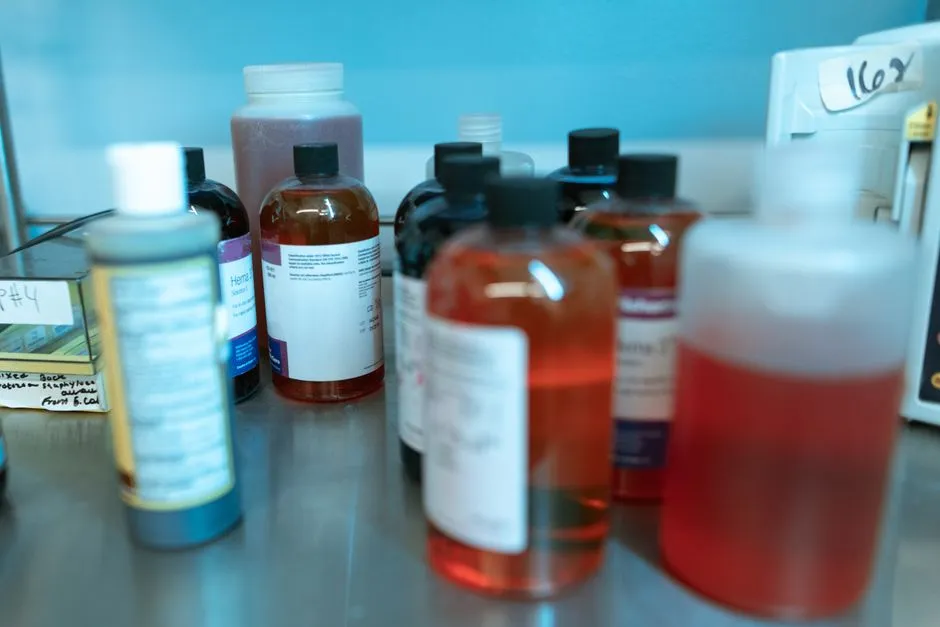
Despite years of speculation, the core liquid rule has not changed nationwide as of 2026. TSA still requires passengers to follow the familiar 3-1-1 rule for liquids, aerosols, gels, creams, and pastes in carry-on bags, where each container must hold no more than 3.4 ounces and all of those containers must fit inside one quart-size bag per traveler. That standard applies at every checkpoint in the country, whether you are flying out of a small regional airport or a massive international hub. Any story suggesting otherwise is usually describing a local pilot program, not a new federal policy.
Where the Rule Actually Came From
The 3-1-1 system was not an arbitrary bureaucratic choice. It was originally created to prevent liquid explosives from being smuggled on board, and it has been a standard part of air travel for years. The policy traces back to a foiled plot in 2006 involving liquid explosives disguised as ordinary drinks, which reshaped airport security almost overnight. Two decades later, the rule has become such a routine part of flying that most travelers never think about why it exists in the first place.
CT Scanners Are Quietly Changing the Checkpoint
The real story in 2026 is not a policy change but a technology upgrade. Computed tomography, or CT, is a type of X-ray scanning technology similar to the imaging used in medicine, capable of creating three dimensional images of carry-on items that can be rotated and viewed from any angle, giving officers a clear picture of a bag’s contents and the ability to automatically detect explosives, including liquids. That capability is the entire reason officials are even discussing loosening the rule. Older two dimensional X-ray machines simply cannot distinguish liquid threats as reliably, which is why the original restriction was so blunt in the first place.
How Many Airports Actually Have the New Machines
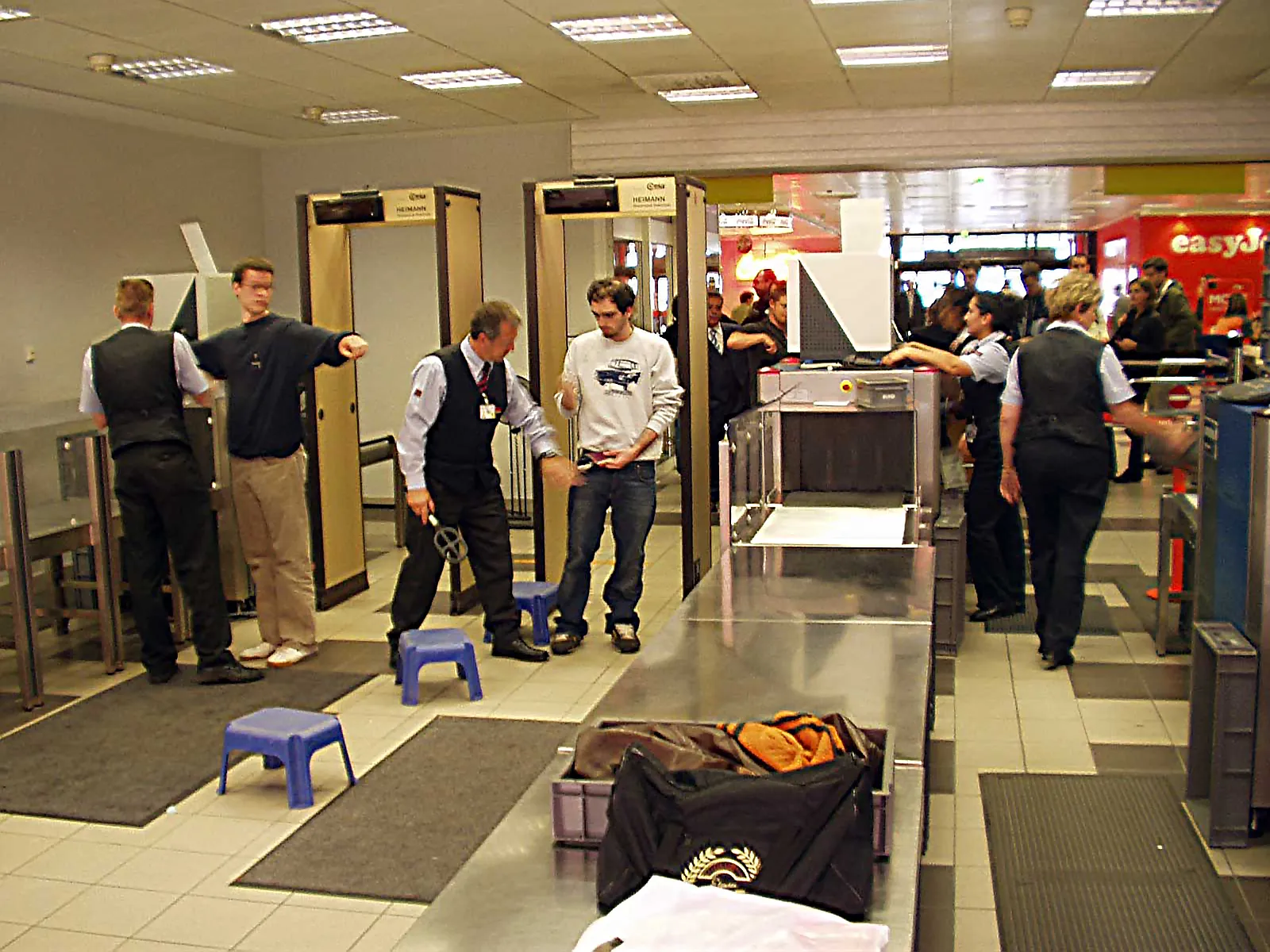
The catch is deployment speed. The TSA has installed CT scanners in 285 U.S. airports, roughly two thirds of the 435 airports with screening checkpoints, according to figures the agency gave Forbes. The agency has deployed 1,027 units across the country so far. TSA spent at least 2.2 billion dollars on CT scanners between 2021 and 2023 alone, which gives a sense of how expensive and slow a full nationwide rollout really is.
Officials Are Weighing a Bigger Change, Just Not Yet
Senior officials have hinted that a larger policy shift could eventually happen. Homeland Security leadership suggested in mid 2025 that a change to the liquids limit could be the agency’s next major announcement, though no specific size increase or nationwide timeline was ever confirmed. A TSA deputy administrator later told an aviation industry conference that the agency was actively studying whether to revise the rule now that CT technology has matured. Aviation security experts who have advised the agency note that a partial rollout is risky, since inconsistent rules across airports can create gaps that someone determined to exploit the system might notice.
Eleven Items That Already Skip the Small Bottle Rule
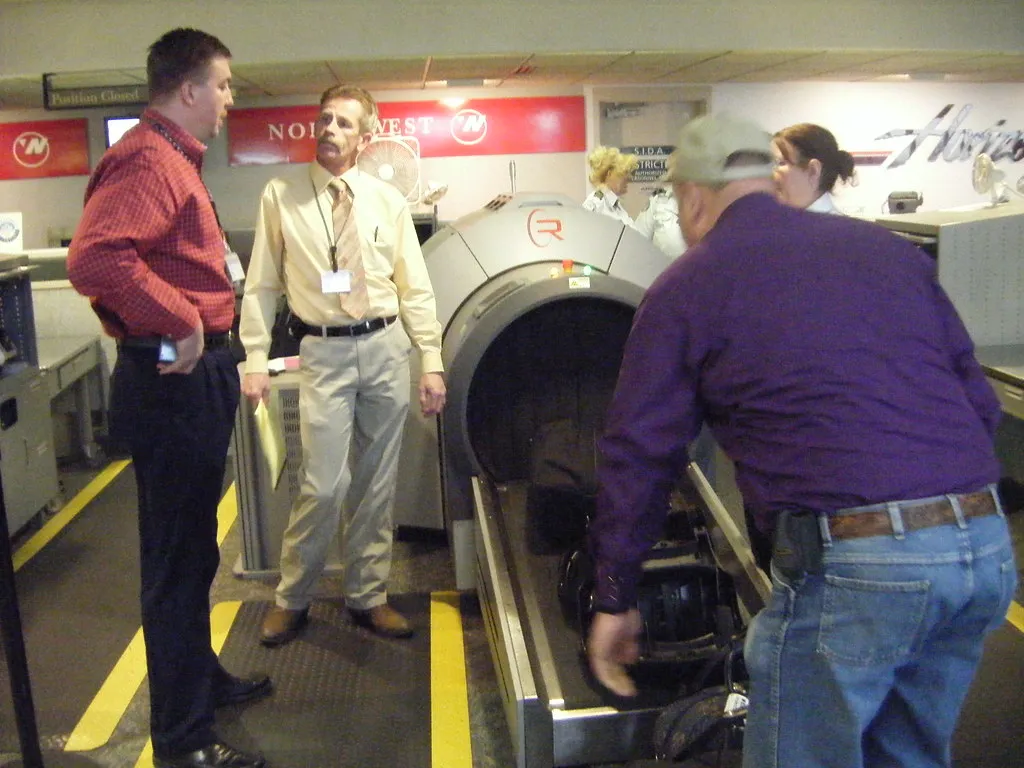
Even without a nationwide overhaul, exceptions already exist at airports equipped with the new scanners. At airports equipped with CT scanners, TSA has exempted eleven specific items from the 3-1-1 rule, including baby formula and breast milk in any quantity, liquid medications with documentation, hand sanitizer up to 12 ounces, contact lens solution, and other medical necessities. These exemptions only apply at checkpoints that already have the equipment installed, so the same item might be treated differently at two different airports. It is a reminder that airport security in 2026 is less a single national system and more a patchwork that varies by terminal.
Duty Free Purchases Get Their Own Exception
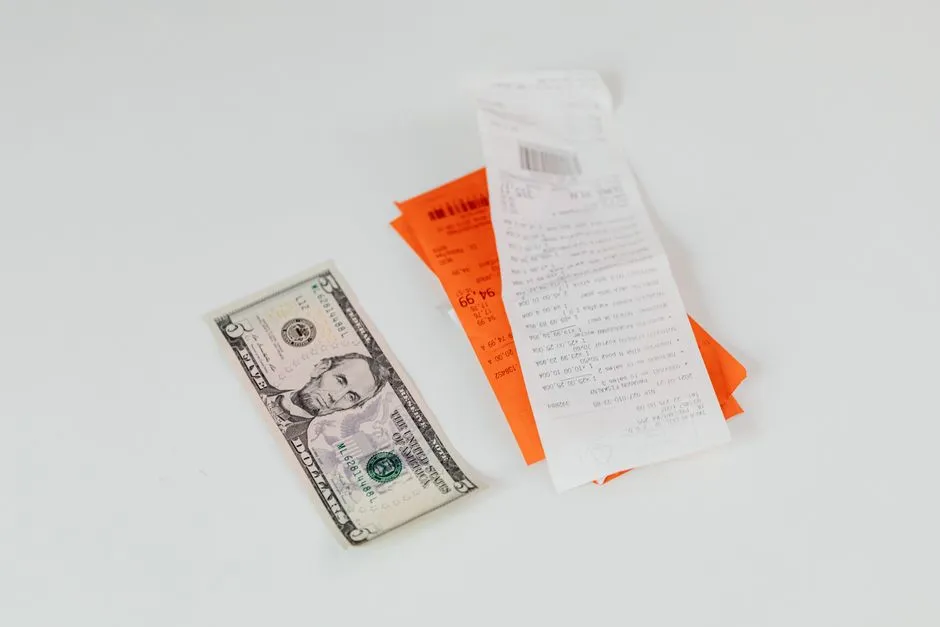
One of the oldest and least confusing exceptions involves items bought after security. Liquids purchased at international duty free shops may exceed the standard limit, provided they are sealed in a tamper evident bag and accompanied by proof of purchase showing they were bought after the security checkpoint, though this is a narrow exception that should not be relied on for domestic purchases. That means a bottle of wine or perfume bought at your departure gate usually sails through, but the same bottle bought at a regular store before you left home will not. Keeping the receipt and the sealed bag intact until you land is essential, since a broken seal can void the exception entirely.
Europe Is Moving Faster on the 100 Milliliter Limit
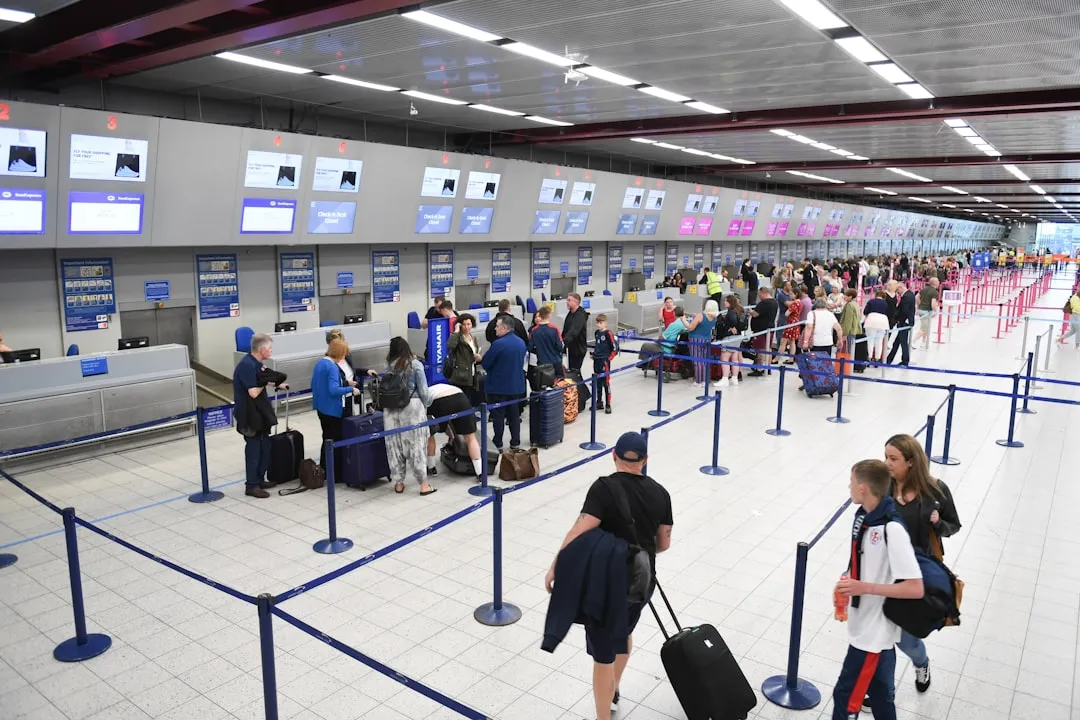
International travelers researching liquid rules often stumble on news from across the Atlantic, and it can be genuinely confusing. Several UK airports, including Bristol, Gatwick, Leeds Bradford, and Luton, now allow liquids up to two liters at CT scanner checkpoints, and as of July 2025 airports such as Birmingham and Edinburgh officially adopted the two liter limit for liquids in carry-on bags, meaning passengers there no longer need to remove liquids or laptops from their bags during screening. These changes reflect the fact that some European airports achieved full CT coverage before their American counterparts. It is a useful case study for what full deployment could eventually look like in the United States, though it says nothing about when that might arrive here.
Other Checkpoint Changes Worth Knowing About
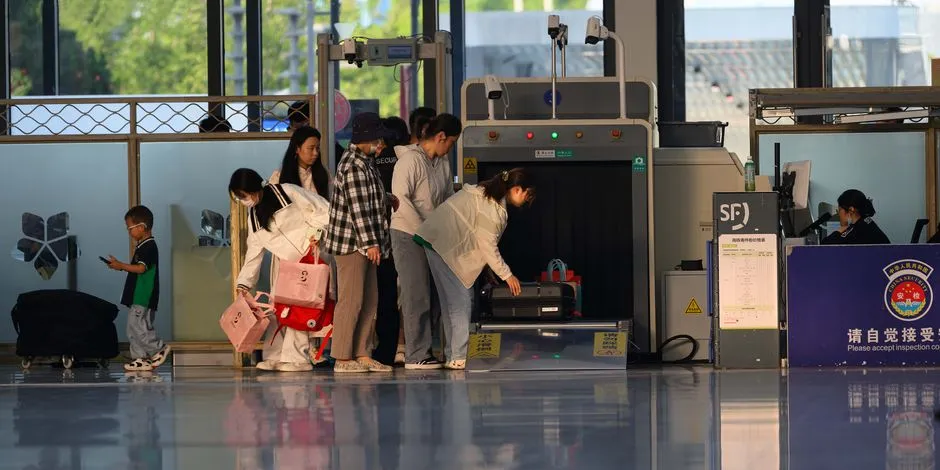
Liquids are not the only thing that changed at security in the past year. Homeland Security Secretary Kristi Noem announced a shoes on policy on July 8, 2025, ending a long running TSA practice that had required most travelers to remove footwear during airport screenings. Separately, TSA rolled out a modernized identity verification system called TSA ConfirmID starting February 1, 2026, giving travelers without a REAL ID or other acceptable identification the option to pay a 45 dollar fee to verify their identity and still fly. Neither change directly affects what liquids you can pack, but both reshape the overall checkpoint experience and are worth planning around before you head to the airport.
How to Pack Smart for Your Next Flight
Given all this, the safest approach for most travelers is to plan as if the traditional rule still applies everywhere, because in practice it does. The deciding factor at the checkpoint is the container size printed on the bottle, not the amount left inside, so a large bottle holding only a small amount of product will still get stopped. Pack medically necessary liquids and baby items in an easily accessible pocket and declare them to the officer before your bag goes through the scanner, since this simple step prevents most delays. Checking the specific airport and terminal you are departing from can also help you understand which lane rules apply, since CT equipped checkpoints and older X-ray lanes can sit within the same building.
The liquid rule has outlived plenty of predictions about its demise, and it will likely keep doing so for a while yet. What has genuinely shifted is the machinery behind the checkpoint, not the number on the bottle. Pack for the rule that exists today, keep an eye on official TSA updates before you travel, and you will spend a lot less time arguing with a security officer about your sunscreen.
AI Disclaimer: This article was created with the assistance of AI tools and reviewed by a human editor.