
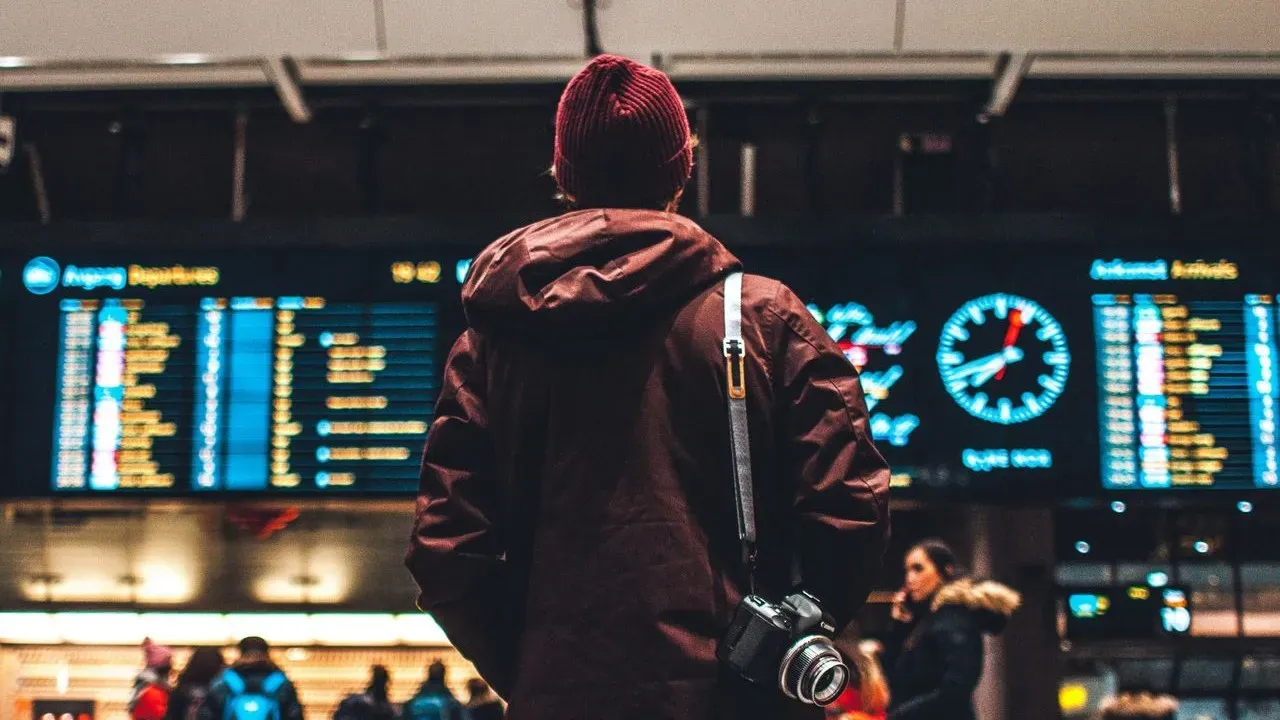

More than two decades after the September 11 attacks reshaped airport routines, a quiet but meaningful shift is underway for some travelers. The Transportation Security Administration has introduced a limited pilot that lets approved non-ticketed visitors accompany passengers through security and all the way to the departure gate. The change restores a small piece of the pre-2001 experience at a carefully selected group of airports across the country. ([1])
A Return to Familiar Moments
For years, the final goodbye or welcome at the gate belonged only to those holding boarding passes. Families often parted at the security checkpoint, sometimes with little time for last-minute reassurances or shared cups of coffee. The new Gateside by TSA PreCheck program opens that space again for approved companions, allowing them to linger in the secure area, visit restaurants and shops, and be present when a flight departs or arrives. The practical value is clearest for travelers who need extra support. Elderly relatives, first-time flyers, or parents sending children on a journey can now have someone walk with them until the very last moment. Airport officials note that these small extensions of time can ease anxiety and strengthen the sense of connection that travel sometimes strains.
How the Program Works
Participation requires advance planning and eligibility through TSA PreCheck or a Known Traveler Number. Applicants submit requests one to three days before the visit and, if approved, receive a pass that routes them through the PreCheck lane with standard identification. The pass grants access to the secure side but does not permit boarding any aircraft. Once inside, visitors may accompany departing passengers to their gates, greet arriving travelers, or simply spend time together in the terminal. The program remains a pilot, so availability can vary during peak periods, and participating airports are monitoring how the additional foot traffic affects screening lines and overall operations.
The Airports Taking Part
The initial rollout is limited to thirteen locations chosen for their operational profiles and willingness to test the concept. They represent a mix of major hubs and smaller facilities:
- Mesa Gateway Airport (AZA) in Mesa, Arizona
- John Glenn Columbus International Airport (CMH) in Columbus, Ohio
- Dallas Fort Worth International Airport (DFW) in Texas
- Detroit Metropolitan Wayne County Airport (DTW) in Michigan
- Wichita Dwight D. Eisenhower National Airport (ICT) in Kansas
- Indianapolis International Airport (IND) in Indiana
- Harry Reid International Airport (LAS) in Las Vegas, Nevada
- Los Angeles International Airport (LAX) in California
- Bill and Hillary Clinton National Airport (LIT) in Little Rock, Arkansas
- Will Rogers World Airport (OKC) in Oklahoma City, Oklahoma
- Eppley Airfield (OMA) in Omaha, Nebraska
- San Diego International Airport (SAN) in California
- Salt Lake City International Airport (SLC) in Utah
Travelers planning to use the program should confirm current status directly with their airport, as the list may expand or adjust based on early results.
Looking Ahead
Airport leaders involved in the pilot have welcomed the opportunity to restore some of the social fabric of air travel. The program is framed as an exclusive benefit for trusted travelers that still preserves rigorous screening standards. By starting small, TSA can observe real-world effects before considering broader changes. For many families, the ability to share those final minutes or first embraces at the gate represents a modest but welcome return to an earlier way of moving through airports. As the pilot unfolds, it offers a reminder that even longstanding security measures can evolve when balanced against the human side of travel.
AI Disclaimer: This article was created with the assistance of AI tools and reviewed by a human editor.