
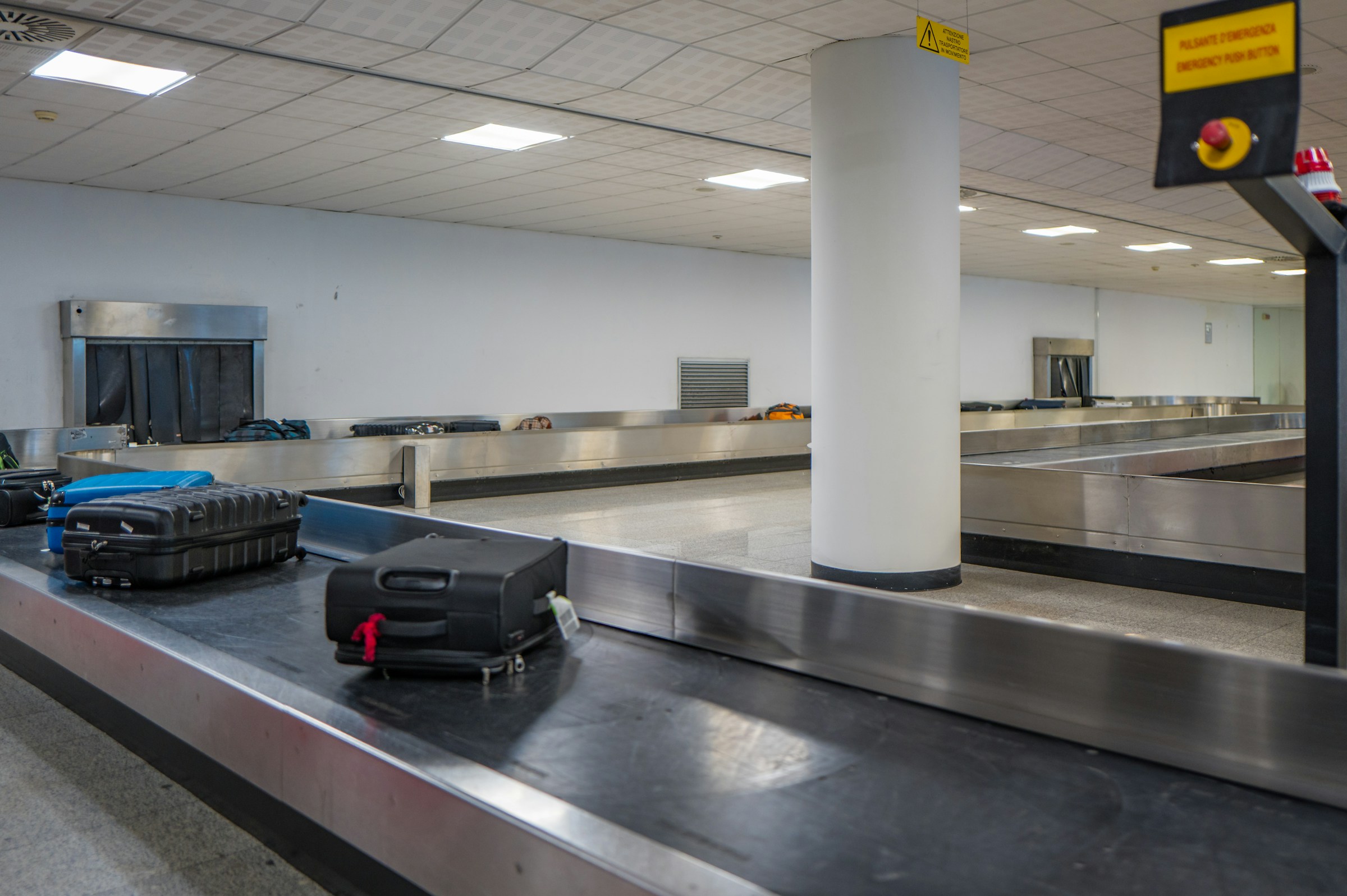

Most people pack a granola bar, maybe a bag of chips, and call it a day. They leave a lot of surprisingly good food behind – not because it’s banned, but because they simply didn’t know it was allowed. The TSA’s food rules are broader and more nuanced than the average traveler realizes, and the gap between what people assume is prohibited and what’s actually permitted is quite wide.
Making things even more confusing, some foods that you’d typically think of as solids are actually considered liquids by the TSA. That confusion cuts both ways, though. Plenty of items travelers nervously leave at home sail right through security with zero issues. Here’s a closer look at 10 snacks and food items the TSA officially allows in your carry-on that most travelers don’t know about.
1. Whole Pies and Cakes – Yes, the Whole Thing
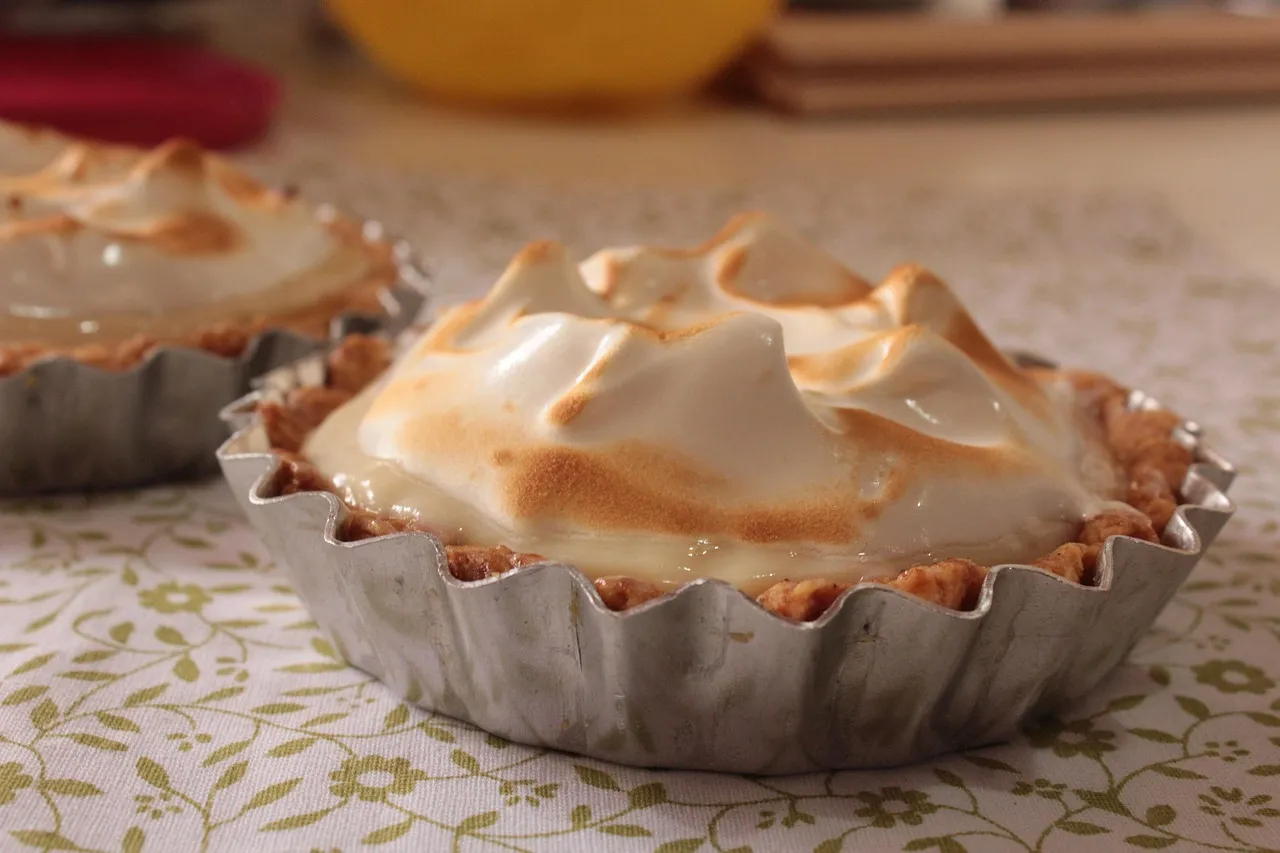
Most travelers would never dream of packing grandma’s pie through a security checkpoint, assuming it would be confiscated on sight. In reality, it’s completely fine. Pumpkin pies and gingerbread houses are fine to bring, as are cakes, cookies and other baked goods.
Cakes may require additional inspection from TSA agents, but as long as it’s not an ice cream cake or some type of Jell-O mold, you can bring a cake along to your final destination. The key is good packaging. Your baked goods should be secured in a box or container to keep them safe.
It’s also worth knowing that TSA agents may swab your baked item. Be prepared to put food items into a bin when passing through airport security, and don’t be surprised if the TSA takes a quick swab of your cake or pie to ensure there are no traces of explosives on them.
2. Pizza – Including Leftover Slices From the Night Before
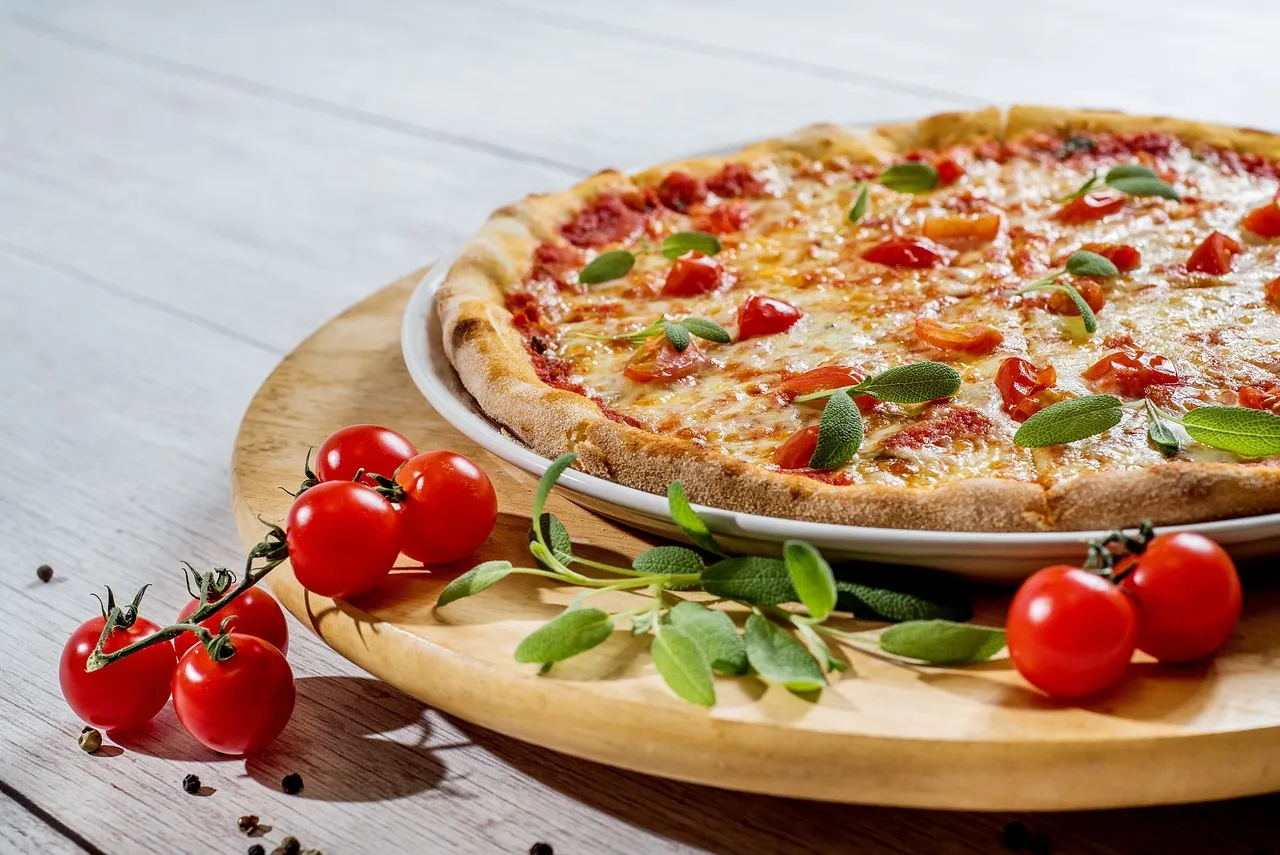
Surprisingly, pizza is good to fly, although we assume you’ll eat your slices before you get to the gate. This catches a lot of travelers off guard. The logic is simple: pizza is a solid food, and solid foods pass through security without restriction.
It should be wrapped up or in a box to pass TSA inspection, rather than being on a paper plate or dish. Presentation matters more than the food itself in this case. Travelers may pack pies, cake, pizza, solid cheese and chocolate, cooked meat, cookies, crackers, candies and cereal, according to the TSA.
3. Frozen Food That Is Completely Solid
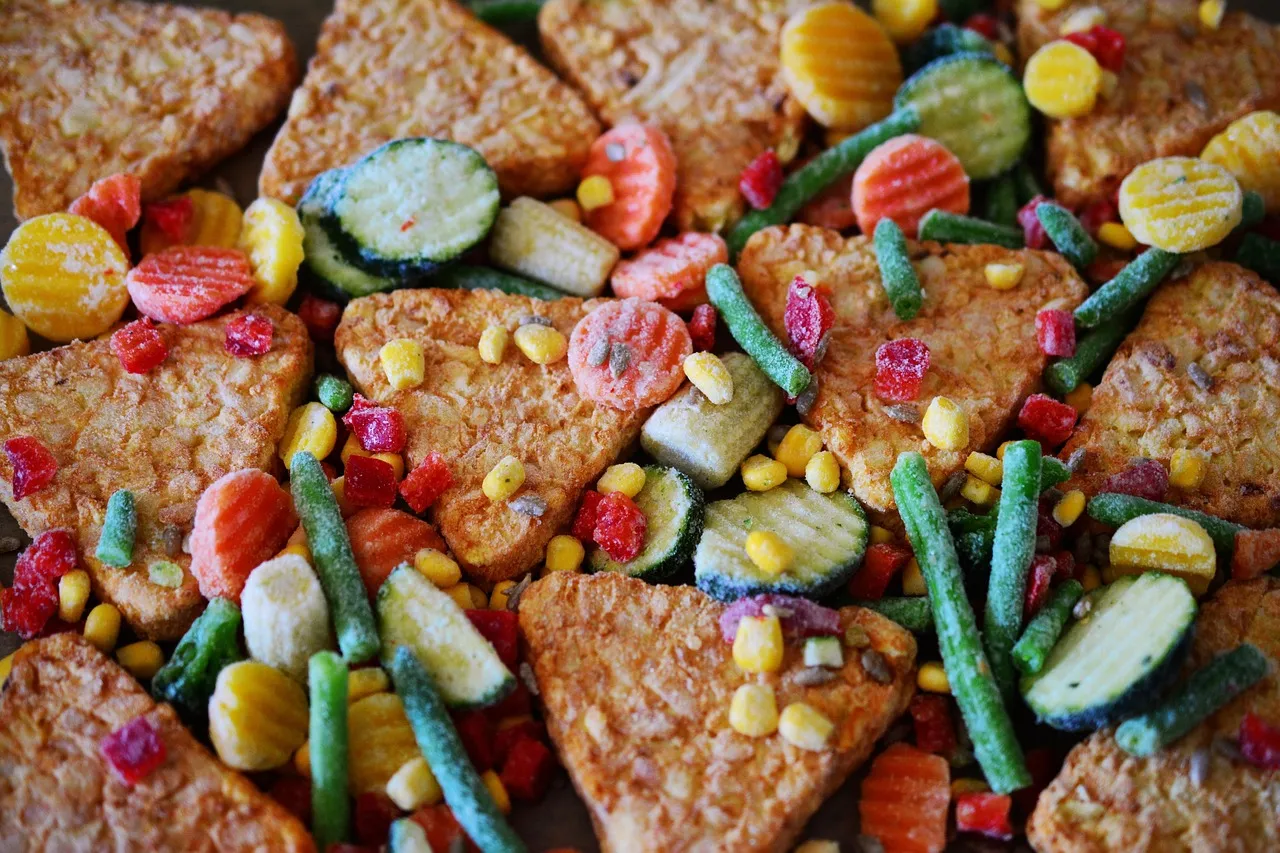
Here’s a rule that genuinely surprises people: frozen food is allowed in your carry-on, as long as one condition is met. Frozen foods and freezer blocks are permitted through TSA checkpoint in carry-on bags as long as they are completely frozen during screening. If they have started to thaw before you go through the security checkpoint, then they must be compliant with TSA’s 3-1-1 liquid rule.
Frozen items like meat, seafood, vegetables, and other non-liquid food items are permitted in carry-on bags. Likewise, frozen liquid items are allowed through the security checkpoint as long as they are frozen solid when presented for screening. This means that frozen soup or a frozen smoothie, if completely solid, technically qualifies.
A clever packing tip: keep food items cold with frozen grapes in a small ziplock when packing food in your hand luggage. This avoids the potential complications that arise with standard freezer blocks.
4. Baby Food and Puree Pouches in Any Quantity

Parents traveling with infants are often unaware of just how generous the TSA’s exception is for baby-related food. According to the TSA, formula, breast milk, toddler drinks and baby/toddler food (to include puree pouches) in quantities greater than 3.4 ounces or 100 milliliters are allowed in carry-on baggage and do not need to fit within a quart-sized bag.
This also applies to breast milk and formula cooling accessories, such as ice packs, freezer packs and gel packs (regardless of presence of breast milk). Your child or infant does not need to be present or traveling with you to bring breast milk, formula and/or related supplies. That last part surprises even seasoned parents.
Special consideration is given to baby food (including puree pouches) and medically necessary food. Baby food and baby formula are allowed in carry-on bags, even in quantities over 3.4 ounces. Just be sure to declare these items at the checkpoint before screening.
5. Hard-Boiled Eggs and Cooked Meats
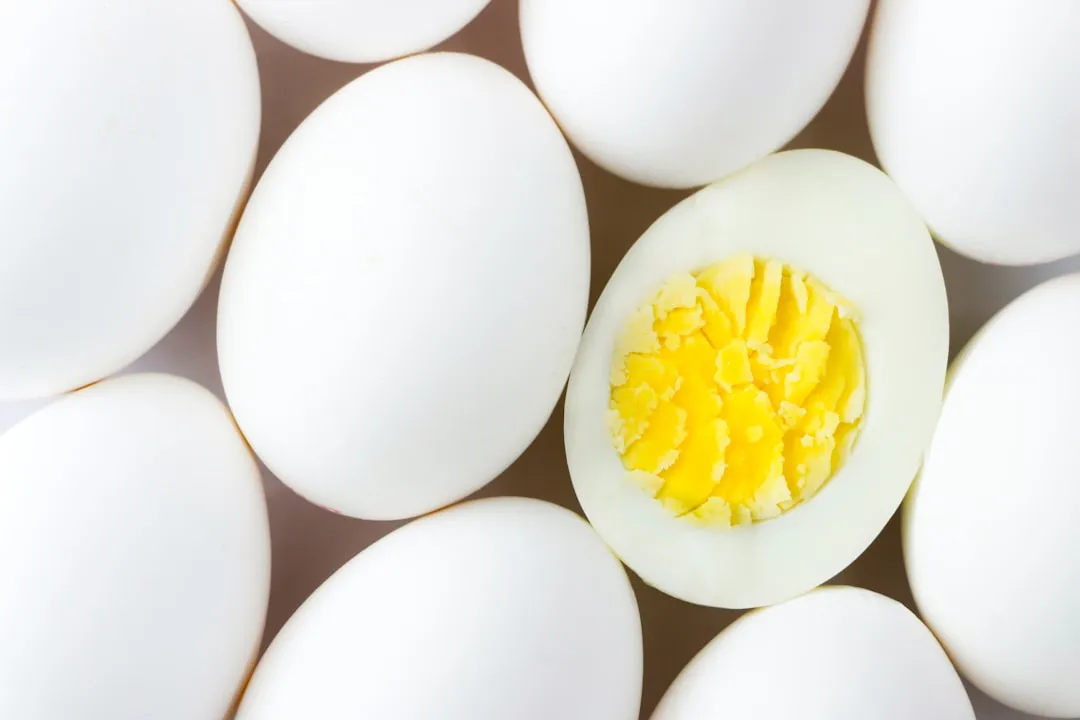
Protein-rich snacks for long flights are completely achievable, and travelers rarely know it. Cooked meats, hard-boiled eggs, and even cold pizza make it through security. These are all solid foods, and the TSA’s classification is clear on that front.
Examples of approved food allowed in the cabin of a plane are sandwiches, granola bars, hard cheeses, candy, baked goods like muffins or cookies, dry snacks like chips and cereal without milk, meat and fast food like pizza or fried chicken, per the TSA’s website. Fried chicken makes the list too, which still shocks most people who hear it for the first time.
6. Fresh Fruit and Vegetables (on Domestic Flights)
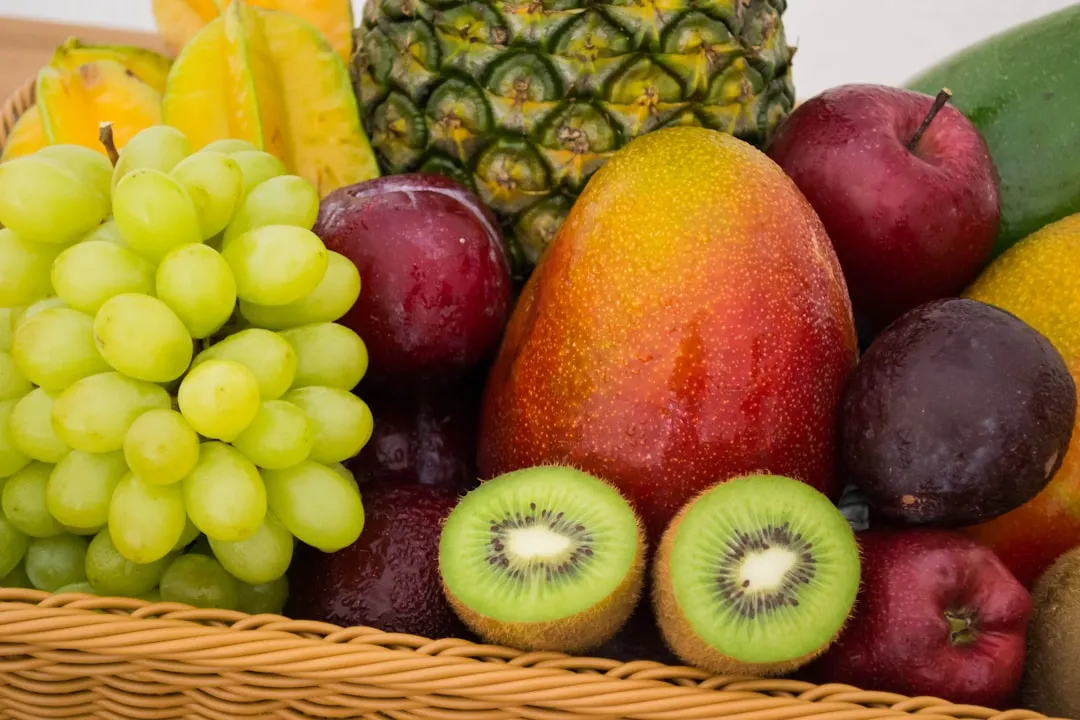
Fresh produce is allowed in your carry-on, though the rules differ depending on whether you’re flying domestically or internationally. Fresh fruits and vegetables, while healthy and refreshing, are best consumed during domestic flights since international regulations may restrict them.
Fresh fruits and vegetables are allowed on domestic flights, but international flights could vary depending on the country. Some countries could restrict fruits, vegetables, meats and dairy products. If you’re heading abroad, always check the destination country’s customs rules before packing produce.
For domestic travel, though, there’s real freedom here. Fresh fruits and veggies within the continental United States, and stuffing, are all permissible. A whole apple, a bag of grapes, or a container of sliced vegetables all make excellent travel snacks that most people never think to pack.
7. Solid Cheese – Even a Large Block
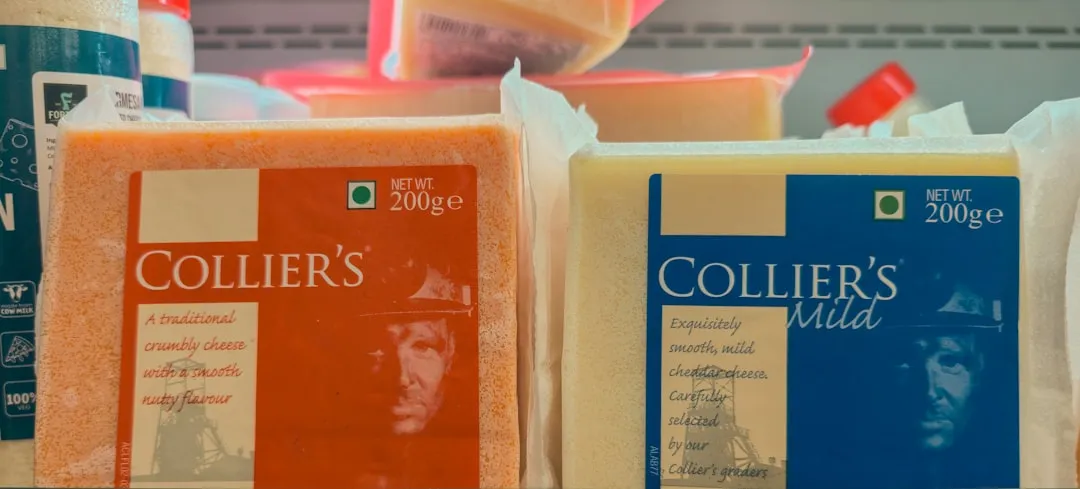
Cheese lovers, take note. You could technically bring a block of cheddar as big as you like, but anything on the creamier side like brie, blue and cream cheese, needs to be less than 3.4 ounces to be in your carry-on bag. The distinction comes down to consistency, not the food itself.
Hard cheeses like cheddar, Swiss, and Parmesan blocks travel without restrictions, but soft cheeses like Brie can melt into liquid – so be choosy with your cheeses. This is one of the clearest examples of the TSA’s solid-versus-liquid logic at work. All types of cheese may require additional security screening at the discretion of the TSA agent.
8. Homemade Sandwiches and Full Meals
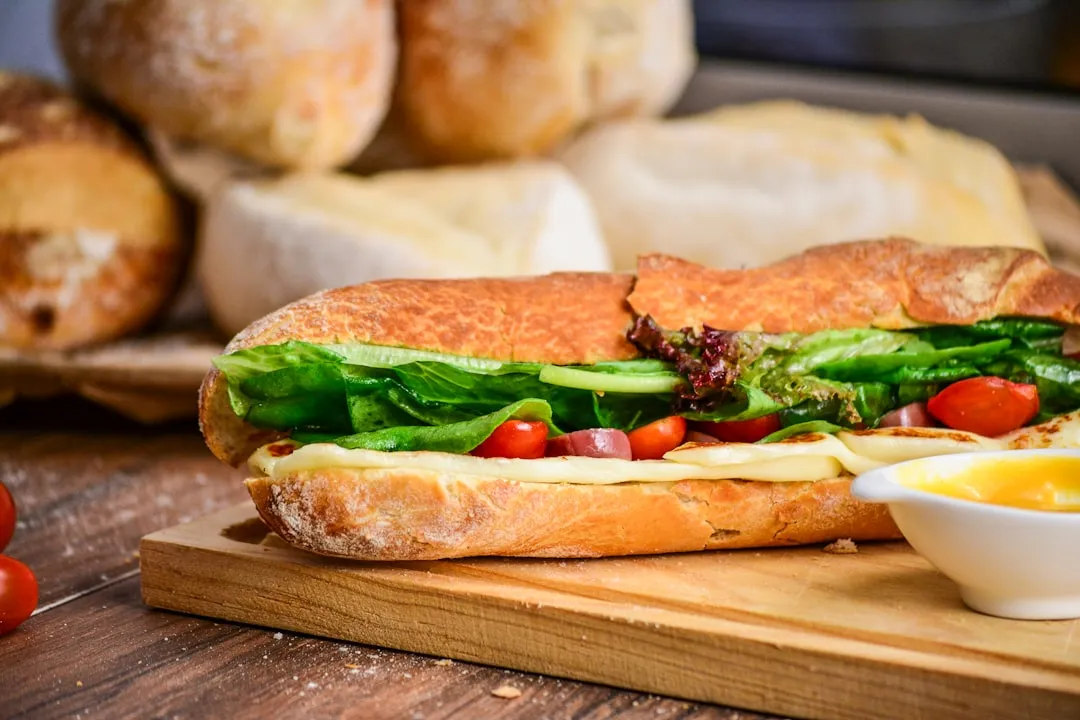
Packing a proper meal from home is not only allowed, it’s one of the smartest ways to travel. Homemade snacks, like sandwiches or wraps, are also permitted. The financial case alone is compelling, given airport food prices. Airports are notorious for extortionately priced foods, not to mention lackluster options.
According to the TSA snacks page, solid food items (not liquids or gels) can be transported in either your carry-on or checked baggage. This includes homemade food, fresh fruit, canned food, and even fresh eggs. There’s one packaging tip worth remembering: refrain from packaging things in foil and try to use transparent containers, because it’s easier for the officer to look and see what’s going on.
9. Single-Serve Nut Butter Packets
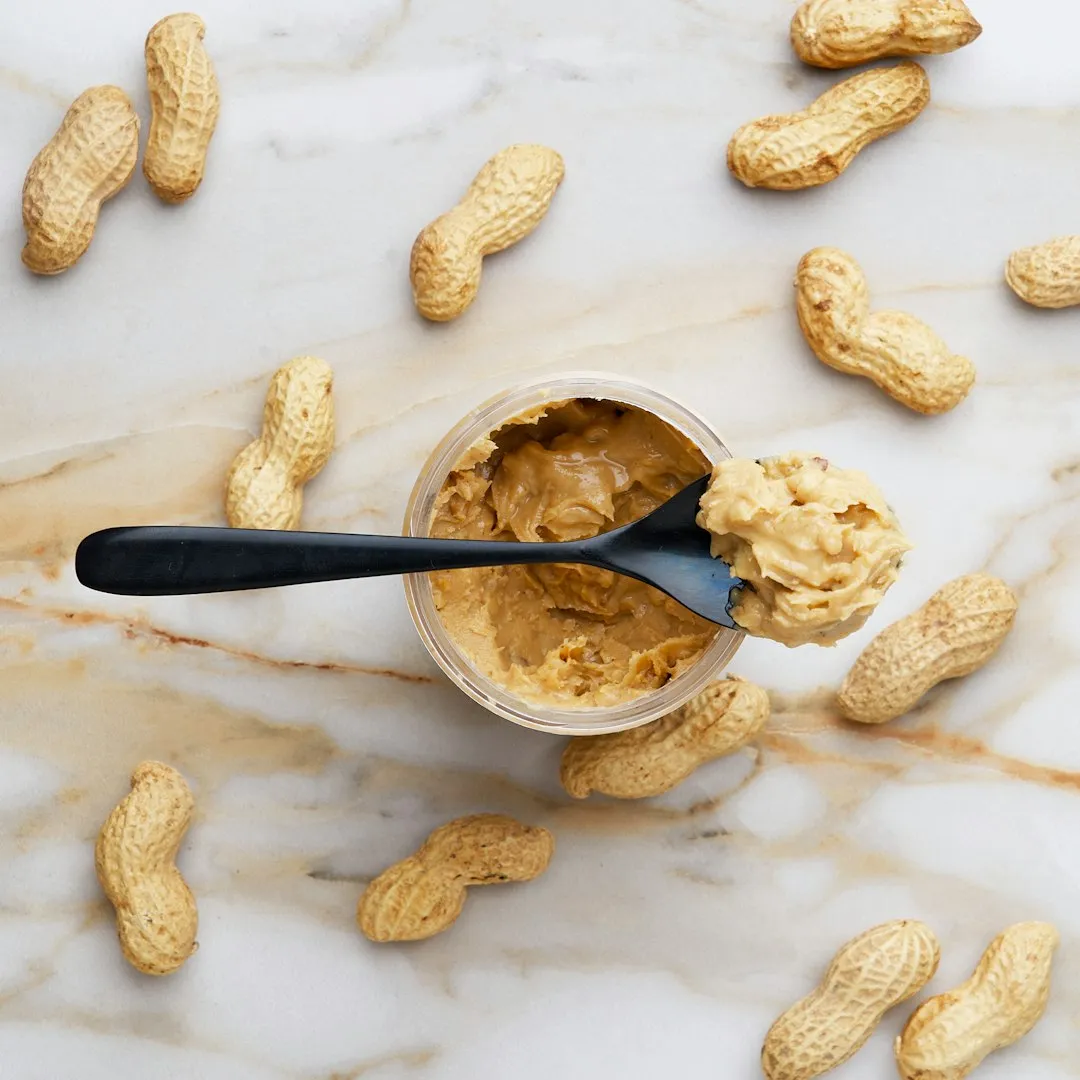
Peanut butter in a regular jar is classified as a liquid by the TSA, which surprises nearly everyone. This also applies to things like jelly, jams, honey, and peanut butter. So while your PB&J sandwich is allowed in the cabin, jars containing the individual ingredients won’t make it through TSA security unless they weigh 3.4 ounces or less.
The workaround is simple and effective. Single-serve packets of nut butters are perfect as they adhere to the TSA 3-1-1 rule and are nutrient dense. These small, squeezable packets have become a staple among frequent flyers who want the protein without the checkpoint drama. They pair well with the fresh fruit or homemade bread you’ve already packed.
10. Donuts, Chocolate, and Candy – No Restrictions at All
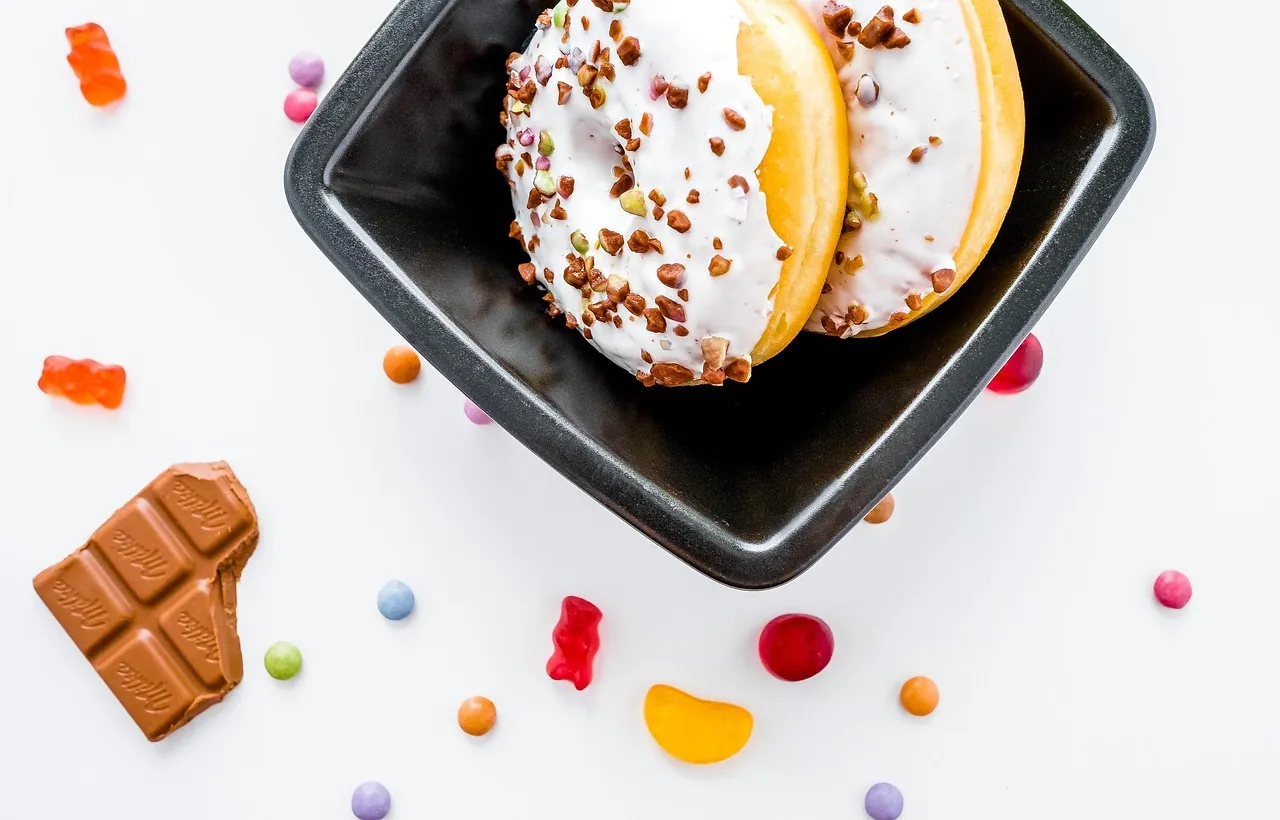
In June 2025, the TSA itself took to social media to remind travelers about this one. The Transportation Security Administration issued a reminder to flyers about the foods they can and cannot bring on board planes, posting a “breakfast travel tip” on its X account. The subject was donuts.
The post confirmed that donuts are good to go in carry-on or checked bags, no matter what toppings you choose. Candy and chocolate won’t cause problems either. These are some of the most fuss-free snacks you can bring through security, yet plenty of travelers still second-guess them at the checkpoint.
The TSA lists sixty different food items in terms of what travelers may pack in their carry-on bag or checked luggage, with some restrictions on particular items. Sweets and confections are among the most straightforwardly allowed, requiring no special handling or declarations.
The One Core Rule That Unlocks All of This
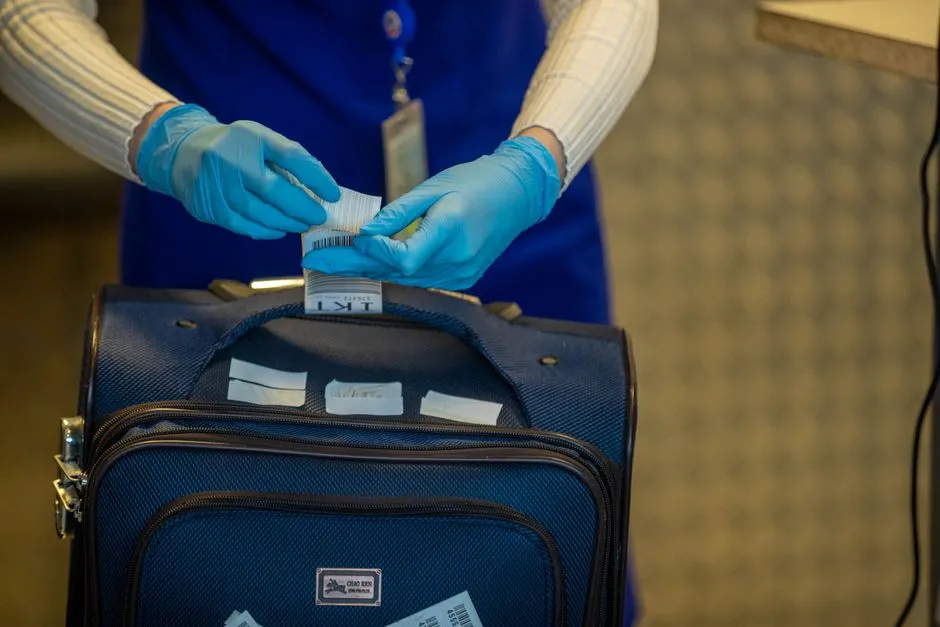
All of the above comes back to one foundational principle the TSA applies consistently. The deciding factor on whether a food item can go through the TSA checkpoint is usually the food item’s consistency. Solid foods are good to go through security, both in carry-on and checked bags.
Here’s a handy trick for determining whether the TSA liquid limit applies to items: if they hold their own shape, they count as a solid. Other questionable items, like toothpaste and peanut butter, count as liquids because they take the form of their container. If it globs, it’s a liquid. Once you internalize that, most food decisions become much easier.
A good rule of thumb when it comes to packing food in your carry-on luggage is that solids are usually fine, and liquids, spreadables, or gels are also permitted but cannot exceed 3.4 oz. Understanding this distinction turns the security checkpoint from a source of anxiety into something you navigate with confidence. And with a well-packed bag of real food, the journey starts tasting considerably better before you even board the plane.
AI Disclaimer: This article was created with the assistance of AI tools and reviewed by a human editor.