
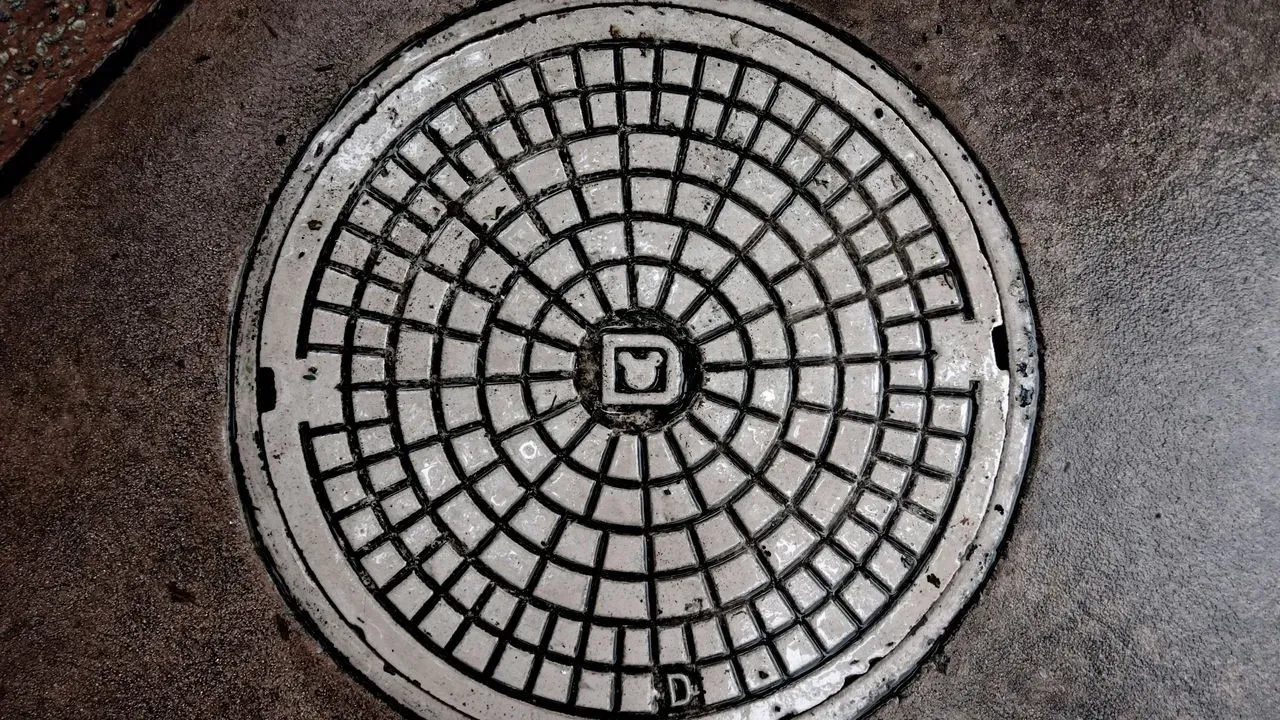

In a brief encounter that drew attention from the New York Police Department, two men identified as Martinez and Briceno surfaced from a manhole in the city and explained to officers that they had descended in search of jewelry. The New York Post reported the details of the exchange, which unfolded on the streets above the extensive network of tunnels and pipes that support daily life in one of the world’s most layered urban environments. Such moments offer a fleeting reminder of the hidden infrastructure that runs beneath the sidewalks and avenues residents and visitors navigate each day.
Hidden Infrastructure Beneath Everyday Streets
New York City rests atop a vast and intricate system of tunnels, pipes, and chambers that carry water, manage waste, and house utilities essential to millions of people. These passages remain largely out of sight, yet they form the quiet foundation that allows the city above to function smoothly. Occasional glimpses into this world, such as the one involving Martinez and Briceno, highlight how much activity occurs just below the surface without disrupting the rhythm of street-level life. The men’s emergence drew a swift response from the NYPD, underscoring the department’s role in monitoring access points to these restricted areas. Their stated purpose, as shared with officers, centered on the possibility of recovering small items that might have been lost over time. This simple explanation invites reflection on the countless objects that slip through grates or fall into openings across any large metropolis.
The Quiet Allure of What Gets Left Behind
Cities accumulate stories in unexpected places, and the idea of searching for jewelry speaks to a long-standing human interest in items that once held personal value. Rings, chains, or other small treasures can disappear into drains or crevices during ordinary moments, only to spark curiosity later. Martinez and Briceno’s account frames their descent as an attempt to locate such objects rather than any broader exploration. The sewers and utility corridors of New York hold fragments of the city’s daily history, from forgotten tools to personal belongings that slipped away unnoticed. While the men’s effort remained limited in scope, it echoes the quiet fascination many feel toward the overlooked corners of familiar places. Their brief interaction with police brought this particular search into public view without revealing further outcomes.
Appreciating the City’s Many Layers
New York rewards those who notice its vertical and subterranean dimensions as much as its skyline. Sidewalks cover generations of construction, repair, and adaptation that keep the metropolis running. A single manhole cover marks the boundary between the visible world of pedestrians and the unseen systems that sustain it. Travelers drawn to the city often find satisfaction in guided tours of historic sites or elevated viewpoints that reveal its scale. The incident involving Martinez and Briceno serves as a gentle prompt to consider how much remains unseen yet vital. Respect for these boundaries allows everyone to enjoy the urban landscape responsibly while leaving its infrastructure undisturbed. The episode closed as quickly as it began, leaving behind a small story about two men, a manhole, and the enduring pull of lost objects beneath New York’s streets.
AI Disclaimer: This article was created with the assistance of AI tools and reviewed by a human editor.