

Some places win you over slowly. Others do it the moment you arrive. That was true of both Mahone Bay and Lunenburg for me.
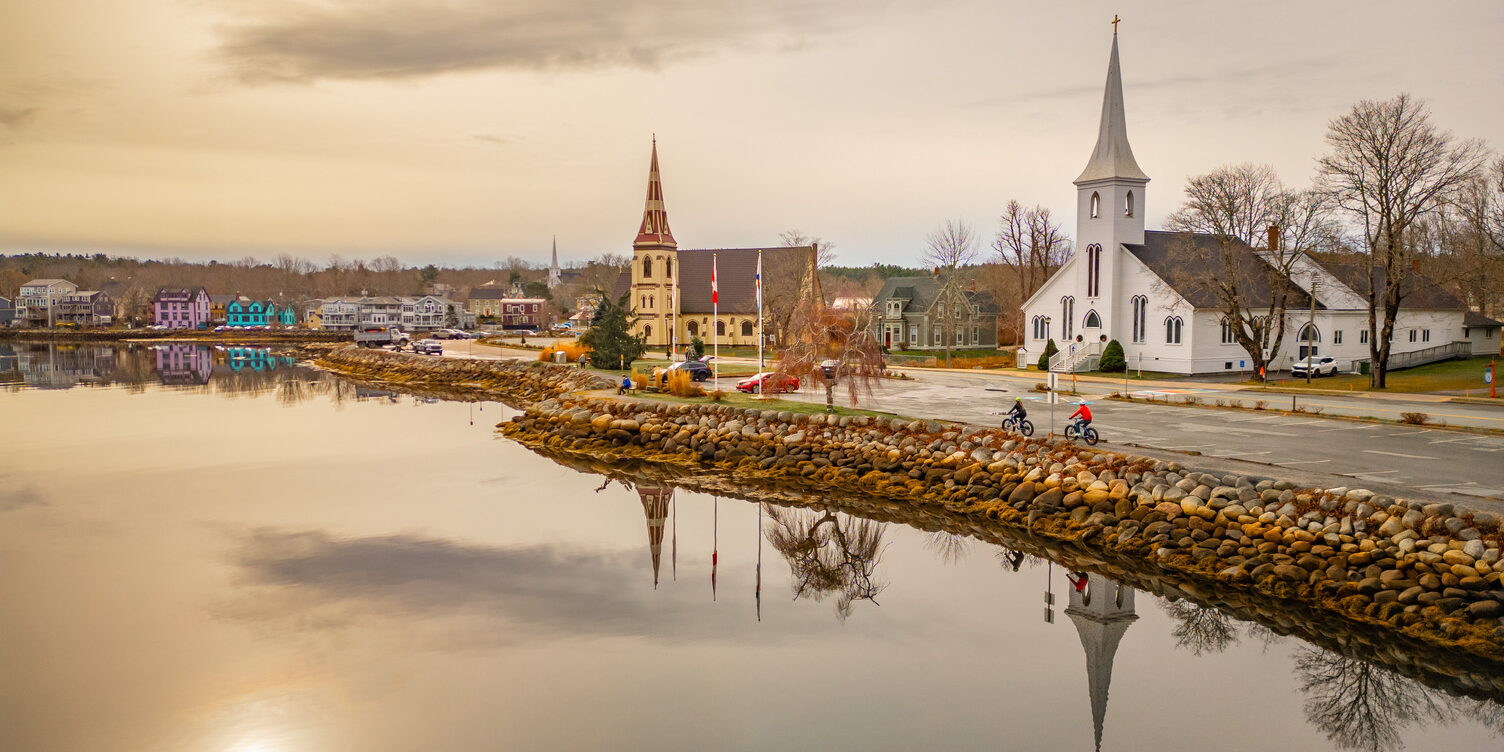
On this South Shore jaunt, I spent time in both Mahone Bay and Lunenburg, and each made its own distinct impression – even in the winter! The minute I drove into Mahone Bay, my face lit up. It was breathtaking — picture-perfect in a way that felt almost cinematic. Mahone Bay really does look like the set of a Hallmark Christmas movie, but in the best possible sense. It is beautiful, yes, but it also feels welcoming, the kind of place that invites you to slow down and stay a little longer than planned.
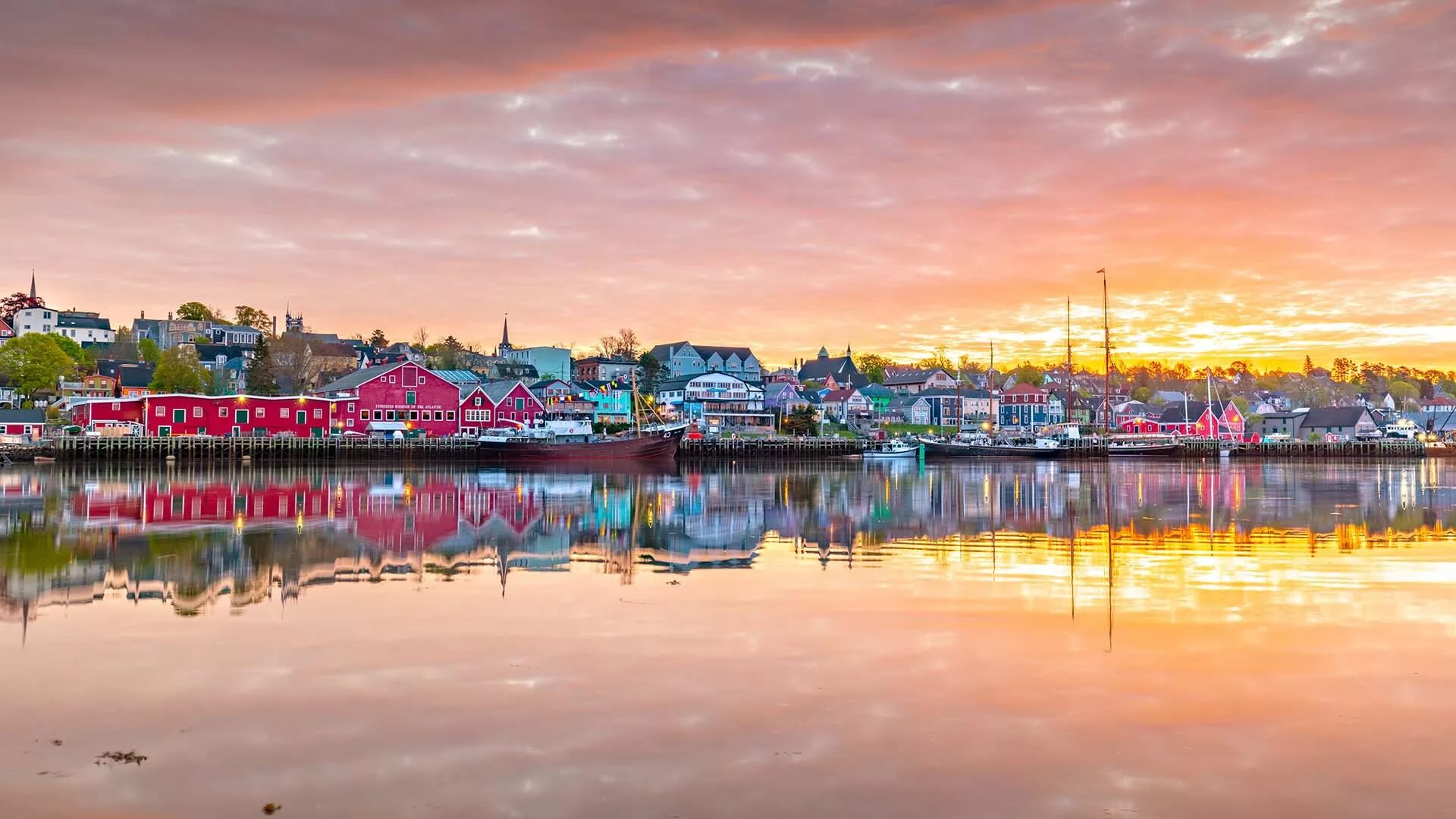
Later that same day, I made my way to Lunenburg, and the mood shifted from charming to captivating. With its colourful homes, steep streets, and perfectly organized grid, this UNESCO World Heritage Site has an entirely different kind of pull. Seen together, Mahone Bay and Lunenburg make an ideal South Shore pairing: one gentle and storybook pretty, the other vivid, historical, and full of character.
Mahone Bay is as Lovely as People Say
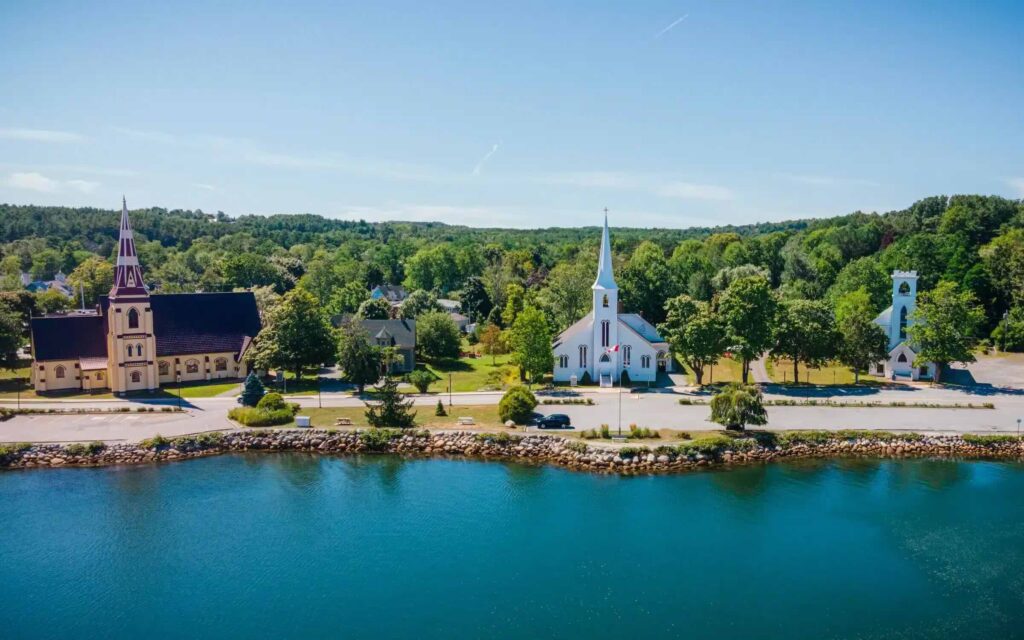
Mahone Bay is the kind of town that rewards a gentle arrival. I first drove through Main Street and the surrounding neighbourhoods just to take it in before parking the car and walking around properly. That felt like the right approach. It is a town worth seeing both from a distance and up close.
The architecture is stunning, the streets are beautifully kept, and the whole place feels composed in a way that is almost unbelievable. In a town this small, even three churches rise into the skyline, adding to Mahone Bay’s storybook charm and giving it one of the most recognizable views on Nova Scotia’s South Shore. Yet it never feels cold or overly polished. It feels warm and welcoming.
The shops add to that feeling. They are quaint in the best way, the sort that naturally pull you in one after another. You find yourself wandering, browsing, looking through windows, and wanting to take your time. I can only imagine how magical Mahone Bay must feel during the Christmas season, when it is styled to look even more like a holiday town. It is the kind of place I would gladly return to just to experience in a different season.
Amos Pewter Keeps Craft in Plain Sight
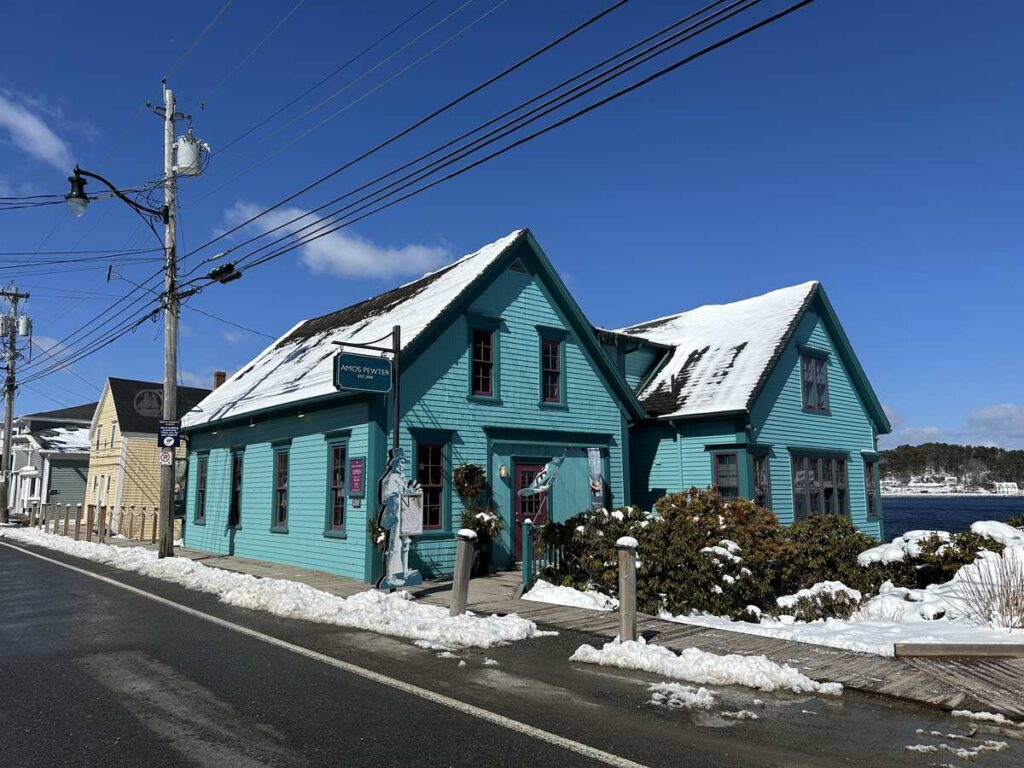
A Main Street institution in Mahone Bay, Amos Pewter began in 1974 when Greg and Suzanne Amos, after studying pewtersmithing in New Brunswick, set up shop in a former late nineteenth-century boatbuilding workshop. Today, the studio remains rooted in the visible, tactile process of making. They began by crafting pewter bowls, mugs, jewellery, and giftware by hand, gradually building a brand inspired by the natural forms of the East Coast, from shells and starfish to sail shapes that feel especially at home here. In 1999, the business expanded to include an interpretive workshop, allowing visitors to watch artisans at work and better understand how each piece is made. That commitment to visible craft remains one of the most compelling reasons to visit. I spent just over an hour here, and it became the heart of my Mahone Bay stop.
What I appreciated most was that Amos Pewter is not simply a shop. It is a worthwhile visitor experience and, to me, a wonderful East Coast business story. After 32 years, the founders sold the company in 2006 to Don and Lynn Sheehan, whose family has since grown the brand beyond Mahone Bay while keeping its roots in craftsmanship and place. Even so, the original location still carries a palpable sense of continuity. There is longevity not only in the craft itself, but in the people. The staff have been there a long time, and you can feel it the moment you step inside.
Carving Experience for Only $15 CDN
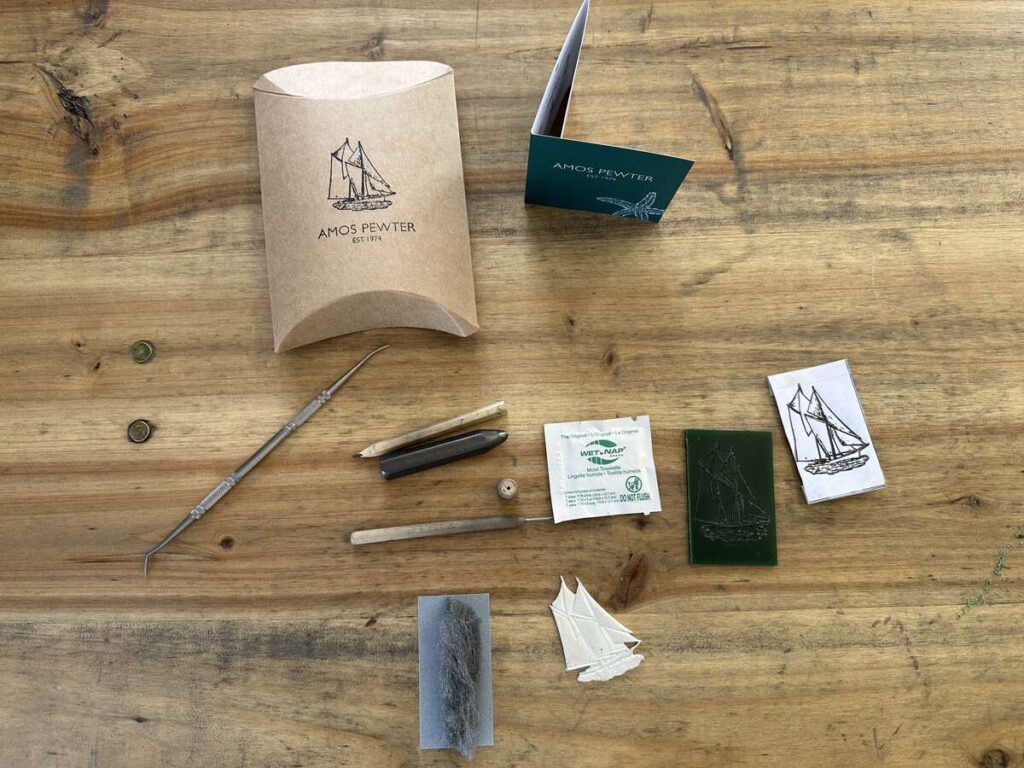
The space gives visitors a chance to understand pewter-making as a process rather than simply admire it as a finished product. Through displays and demonstrations, you are introduced to the many stages involved, from design and mould-making to casting, trimming, polishing, and finishing. That makes the visit feel more grounded and more memorable. I also did the $15 Bluenose wax-carving experience, and it was genuinely fun. More than that, it gave me a new appreciation for what goes into creating even a small object. There is something satisfying about getting your hands involved, even briefly, in a process rooted in skill and patience. It turns the visit from passive observation into participation.
Interior of Amos Pewter
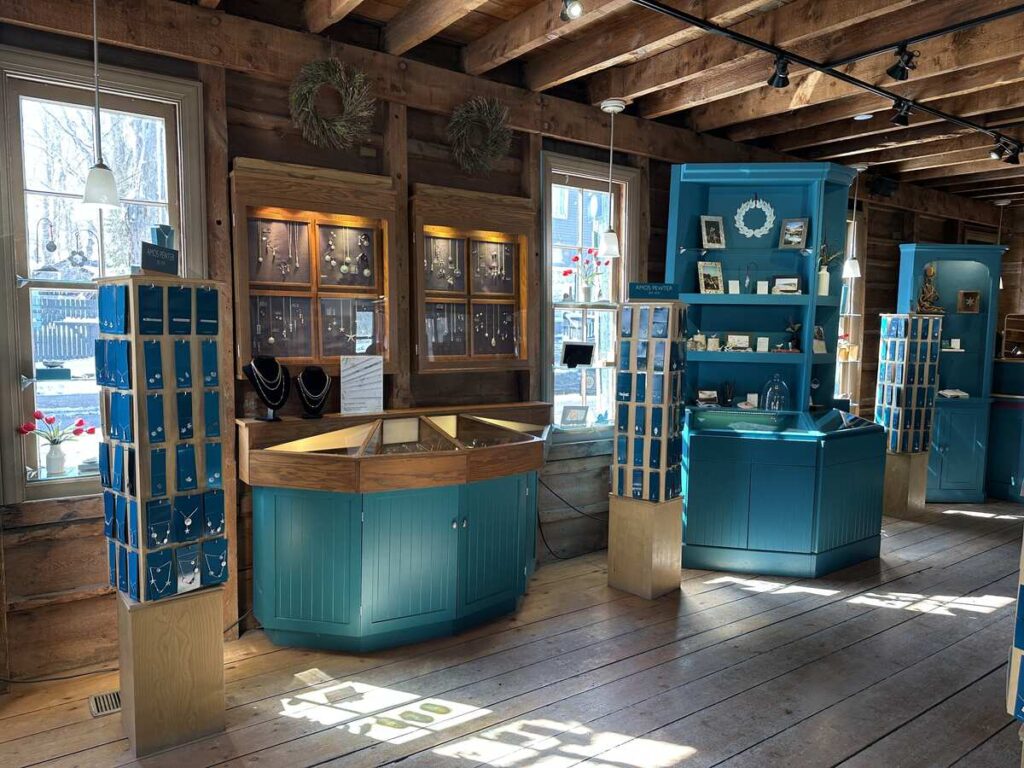
That is what makes Amos Pewter such a strong stop for travellers. You leave with more than something to buy. You leave with a better understanding of the craft, the process, and the value of things made carefully.
Lunenburg Changes the Pace
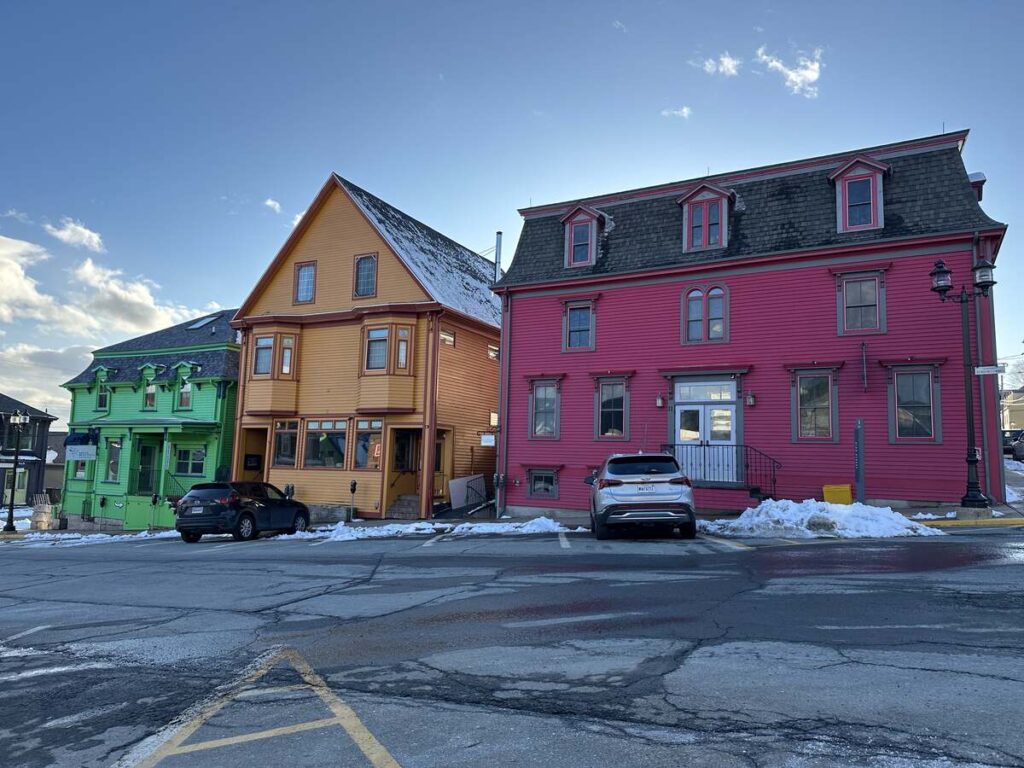
What makes Lunenburg so satisfying is that it does not rely on one single landmark. The whole town works together. The colourful homes, church towers, heritage plaques, harbour views, steep streets, and orderly grid all support one another, creating a place that feels visually striking from the outset but never superficial. It is easy to understand why Lunenburg holds UNESCO World Heritage status. There is enough beauty to impress you immediately, but enough substance to keep you interested once that first impression settles.
Where Mahone Bay feels soft-edged and picturesque, Lunenburg feels crisp and vivid. Its appeal is not just aesthetic. The town is inseparable from Nova Scotia’s maritime story. It is the home of the Bluenose, the famous racing schooner that became a national icon and still appears on the Canadian ten-cent piece. That heritage of shipbuilding, seafaring, and waterfront life gives Lunenburg much of its identity. Even when you are simply walking the streets, you can feel that the sea shaped this place in every sense.
That balance is not easy to achieve. Some places are lovely but thin. Others are historically important but feel heavy. Lunenburg manages to be both attractive and meaningful, and that is one reason it lingers in the mind.
Walking Tour of Lunenburg
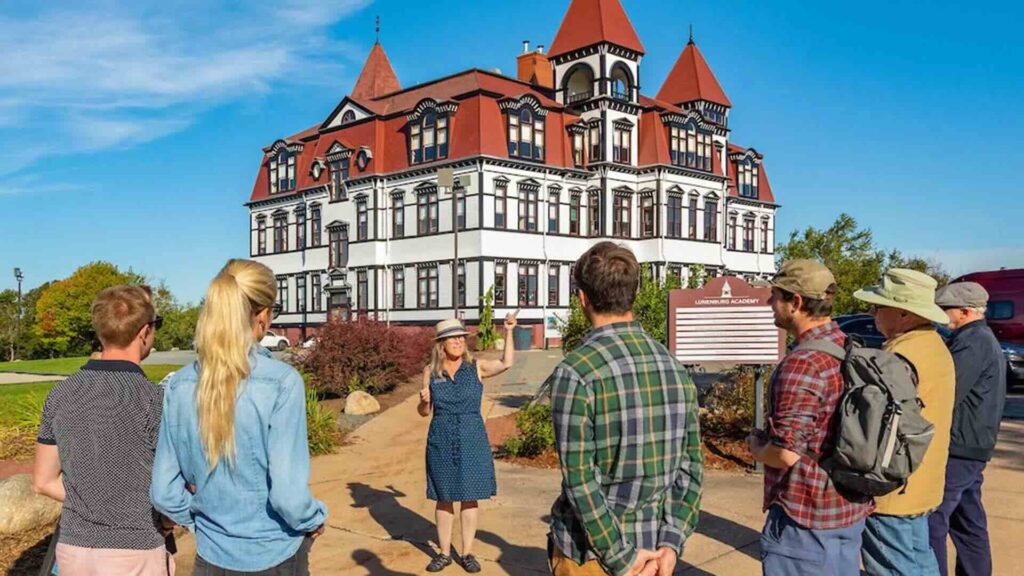
Lunenburg is beautiful at first glance, but it becomes even more rewarding when someone helps you see what lies beneath the surface. That is what Liz Powers did for me. A longtime local who has lived in Lunenburg for 45 years and raised her family there, she brought the town into sharper focus through her walking tour. With her, the streets did more than charm. They started to speak. Architectural details, local traditions, church histories, and the everyday life of the town all emerged more clearly, and Lunenburg began to feel not only lovely, but deeply known.
What’s a Lunenburg Bump!?
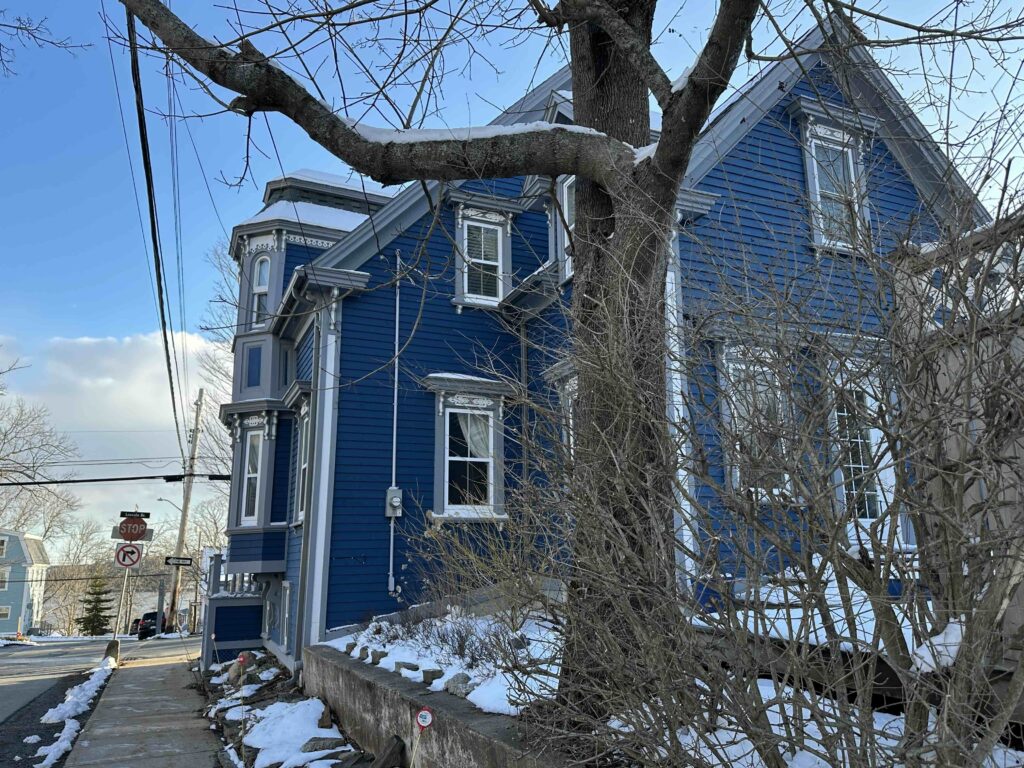
Her tour offered more than information. It gave the town context. With Liz, Lunenburg became more than a pretty UNESCO designation. She drew attention to the 18th-century and Victorian architecture, local lore, small details, and architectural quirks such as the well-known “Lunenburg bumps” that might otherwise slip past unnoticed. She helped make the town legible in a deeper way.
That is what a good local guide does. They do not simply tell you what you are seeing. They help you understand why it matters.
The Churches Opened the Town Up
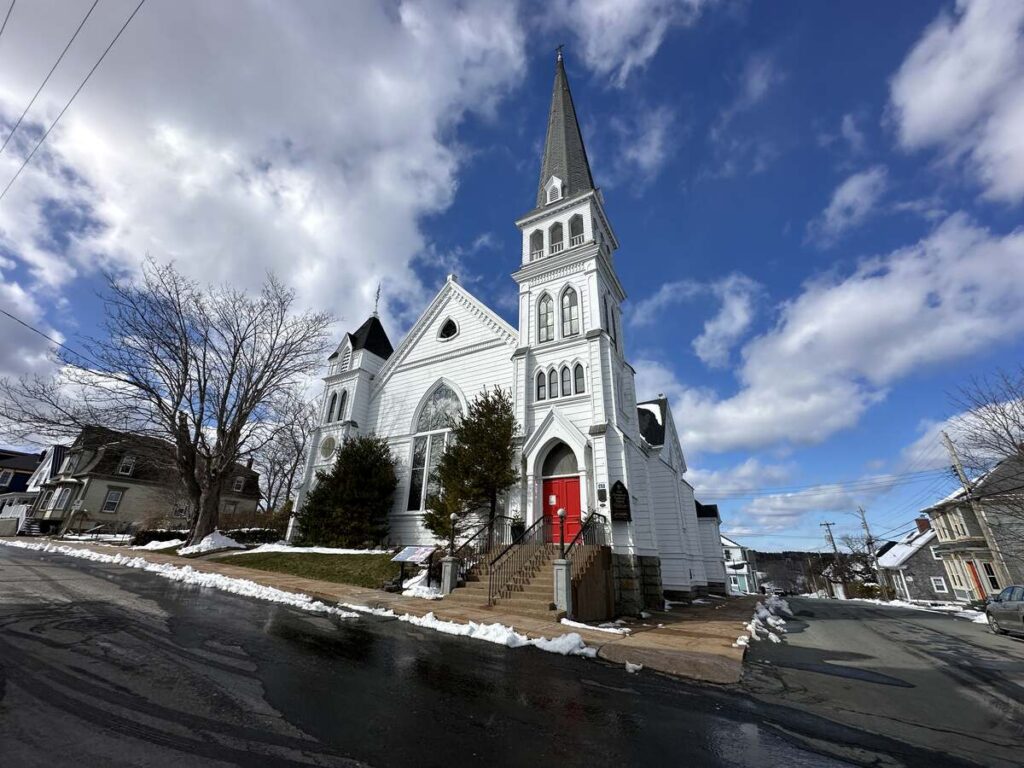
One of the most memorable parts of the walking tour was that Liz had the keys to the churches we visited. That detail changed the experience completely. Seeing a church from the street is one thing. Being able to step inside it, quietly and without rush, is something else. It turned the walk from an exterior appreciation of heritage into something more intimate.
The interiors were among the highlights of my time in Lunenburg. The woodwork, stained glass, scale, and stillness all added another layer to the town’s character. These were not just attractive historic buildings. They were spaces that revealed craftsmanship, continuity, and care.
Christmas Sky Fresco has an Interesting Story
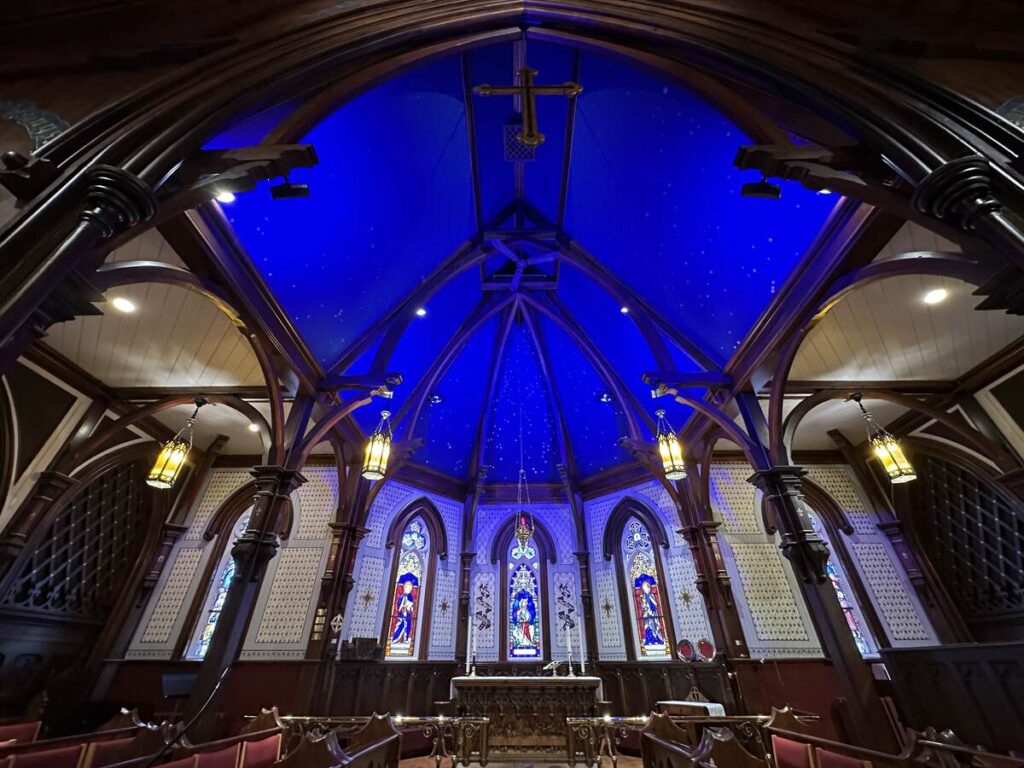
One especially notable detail was the painted ceiling known as the Christmas Sky. According to research by Dr. David Turner of Saint Mary’s University, the stars depict the exact night sky over Lunenburg at sunset on Christmas Eve in 1 B.C., the traditional birth date of Jesus Christ. It is the kind of detail that stays with you, not because it is showy, but because it reflects how much meaning can be built into a place. Without Liz, I would have admired Lunenburg. With her, I understood it better.
Ending the Day at the Ivy House Inn
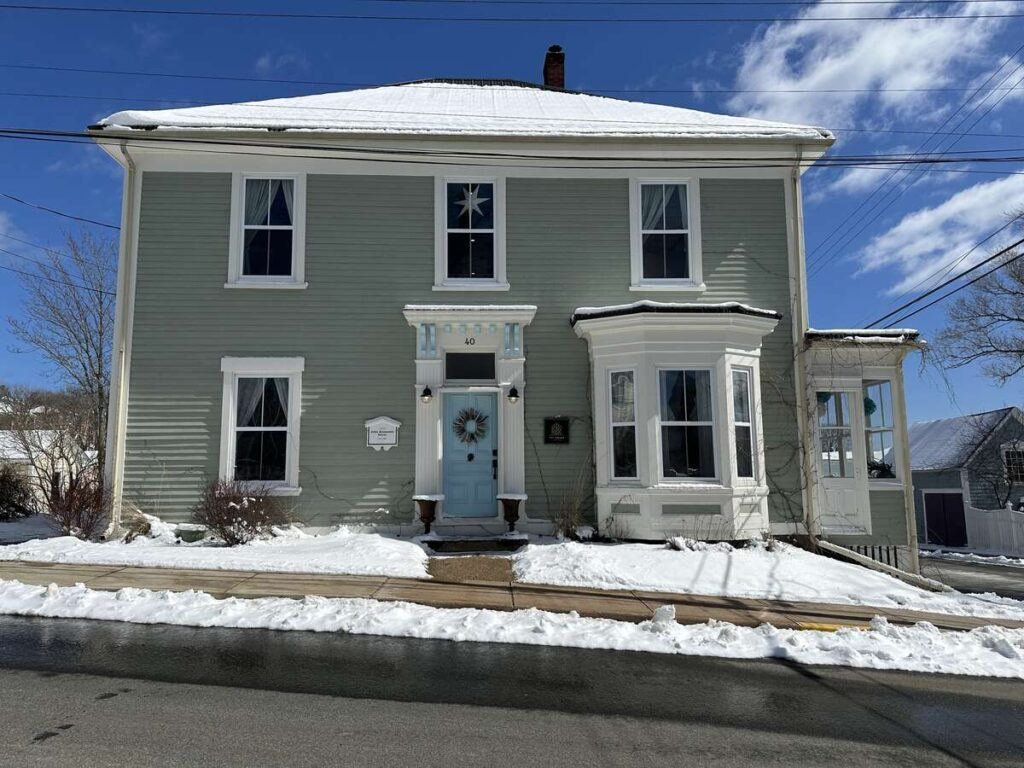
By evening, I arrived at Ivy House Inn, and it was exactly the right place to land.
Cosy and stylish, the Ivy House Inn has the kind of calm that immediately sets the tone. You walk in and there is a lovely parlour on the left, which makes the house feel welcoming from the start. Set inside a heritage home just a short walk from the waterfront, shops, and dining, it is especially well placed for anyone wanting to settle into Lunenburg rather than simply pass through it.
Ivy’s Touch
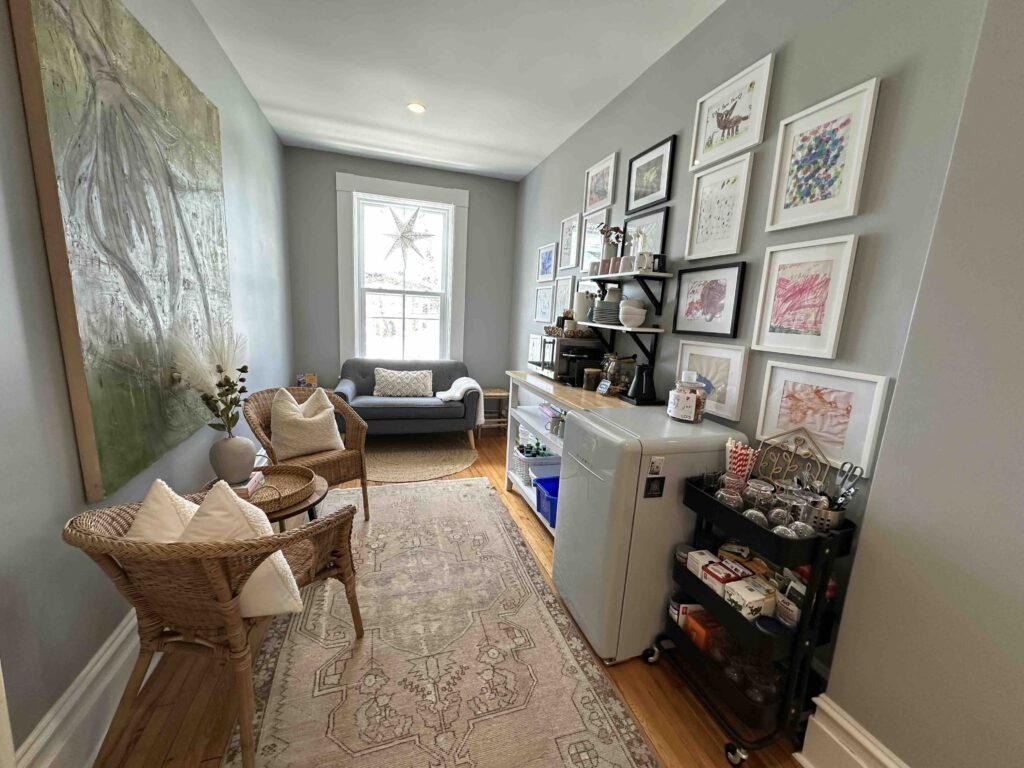
The inn is named after the proprietor’s daughter, and that family note carries through the stay in a way that feels natural rather than forced. The common area separating the suites includes artwork by little Ivy herself, which adds warmth and personality. It feels like a place shaped by family life as much as hospitality.
Quaint and Cozy
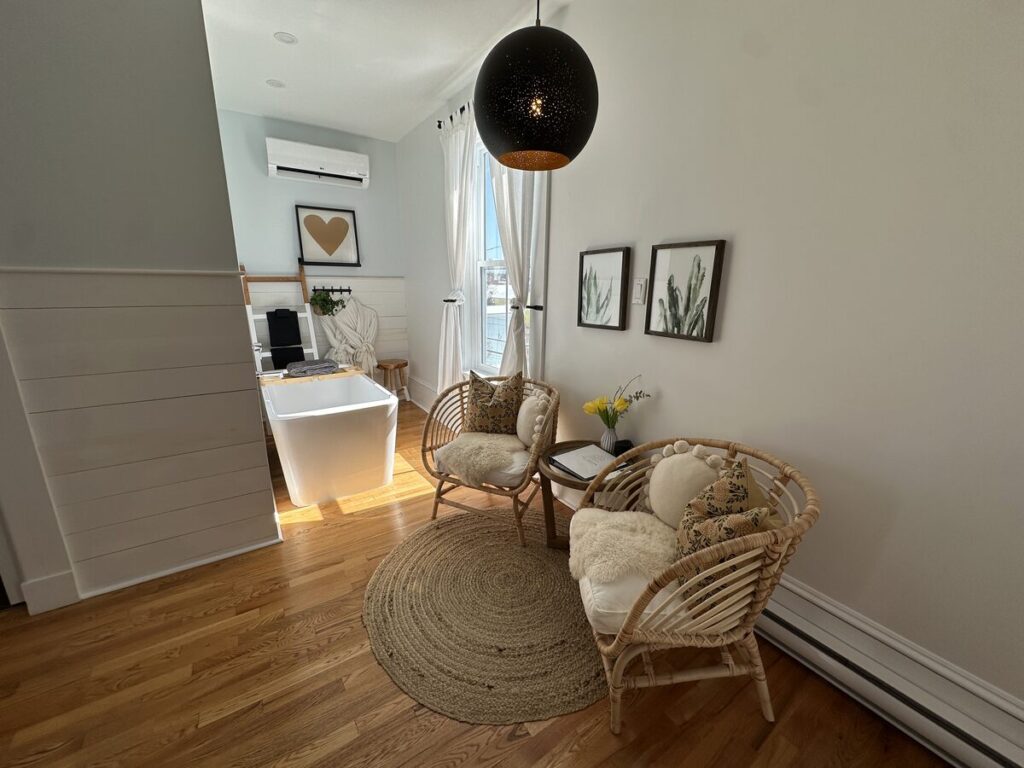
The layout is also well considered. With the family on the main floor and the suites upstairs, it works nicely for couples, friends, or even family travelling together. The two suites face one another across a shared common area stocked with generous amounts of coffee, tea, cold drinks, fresh-baked scones made by the proprietor, and a large bowl of candies that somehow makes the whole experience feel even more personal.
Quiet and Restful
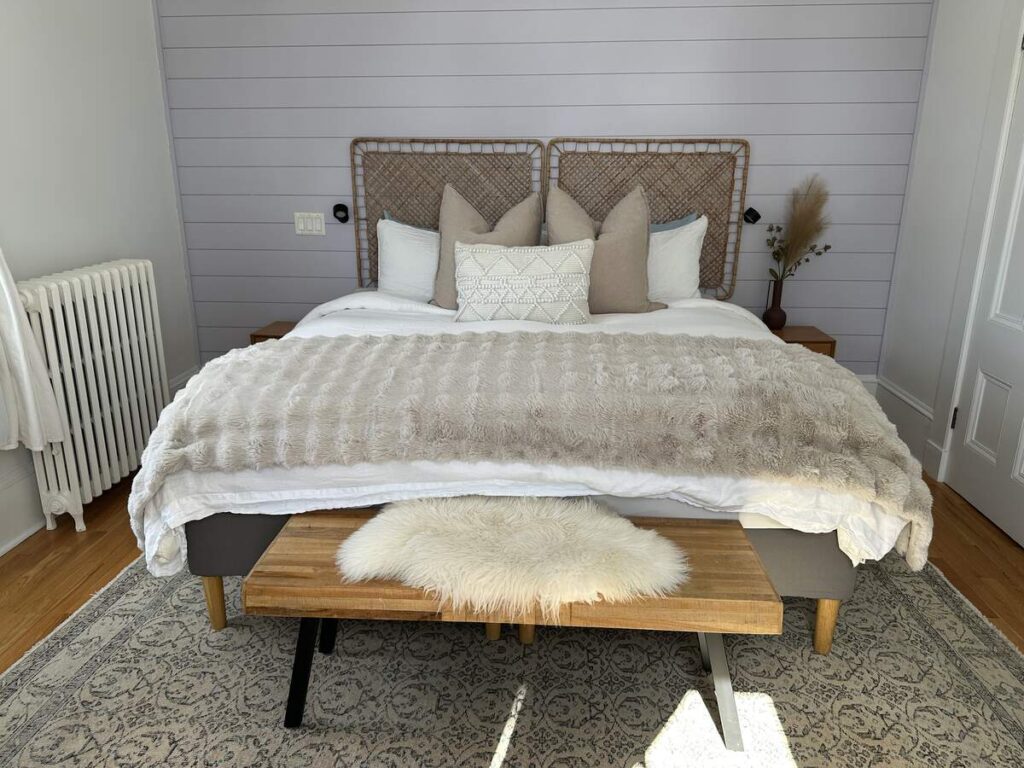
What stayed with me most, though, was the quiet. The Ivy House Inn is peaceful, and so is the town. After a day spent taking in so much beauty and detail, it felt good to end somewhere that made rest feel easy. A deep sleep in Lunenburg feels almost guaranteed. The setting allows for it.
The Takeaway
Mahone Bay and Lunenburg make a South Shore pairing worth slowing down for. One draws you in with charm, craftsmanship, and an easy sense of welcome. The other holds your attention with colour, history, and a stronger sense of place. Together, they offer the kind of travel day that feels both beautiful and well rounded.
Some places are easy to admire. These two are easy to love.
Tips
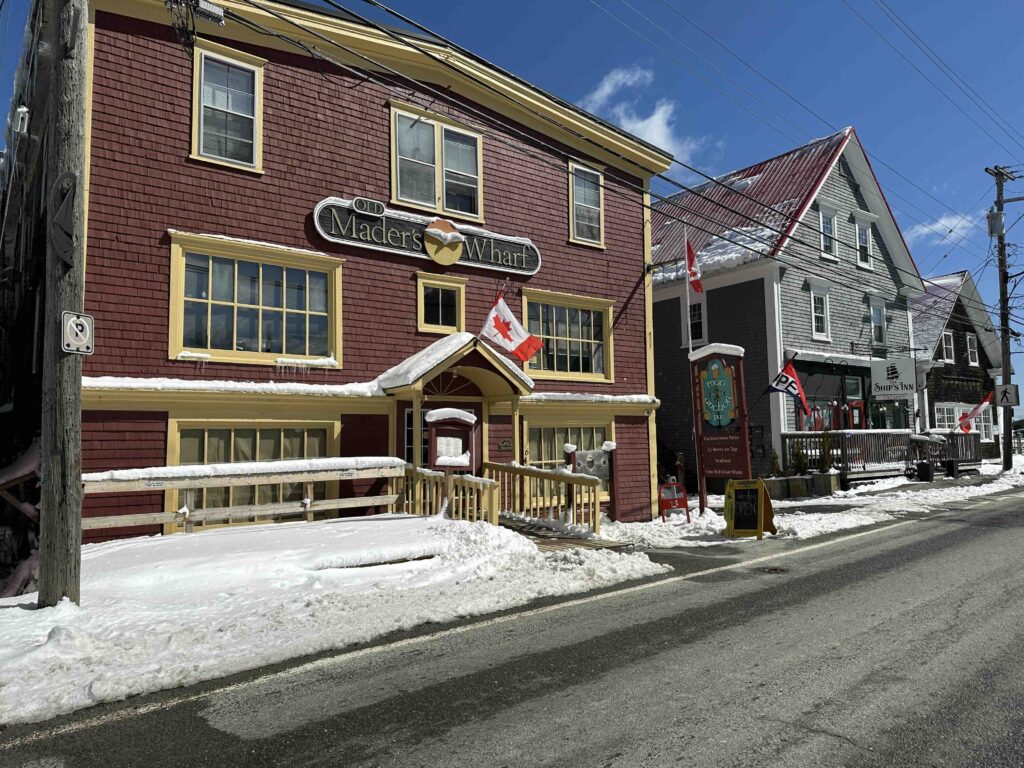
- Drive through Mahone Bay first, then park and walk. It is worth taking in both Main Street and the surrounding neighbourhoods.
- Set aside real time for Amos Pewter. The Bluenose wax-carving experience is fun and genuinely adds to the visit.
- In Lunenburg, a walking tour with Lunenburg Walking Tours adds real depth.
- If you have the chance to step inside the churches, take it.
- Stay overnight if you can. Lunenburg suits a slower pace.
Every journey leaves a mark, and small choices can make a big difference. Choosing eco-friendly stays, supporting local communities, and being mindful of plastic use help preserve the beauty of the places we visit. Respecting wildlife, conserving resources, and travelling sustainably ensure future generations can experience the same wonders. By treading lightly and embracing responsible travel, we create meaningful connections and lasting memories. Here’s to adventures that inspire and footprints that honour our planet. Safe and mindful travels!
This trip was hosted by Tourism Nova Scotia. All editorial content and opinions are my own.