
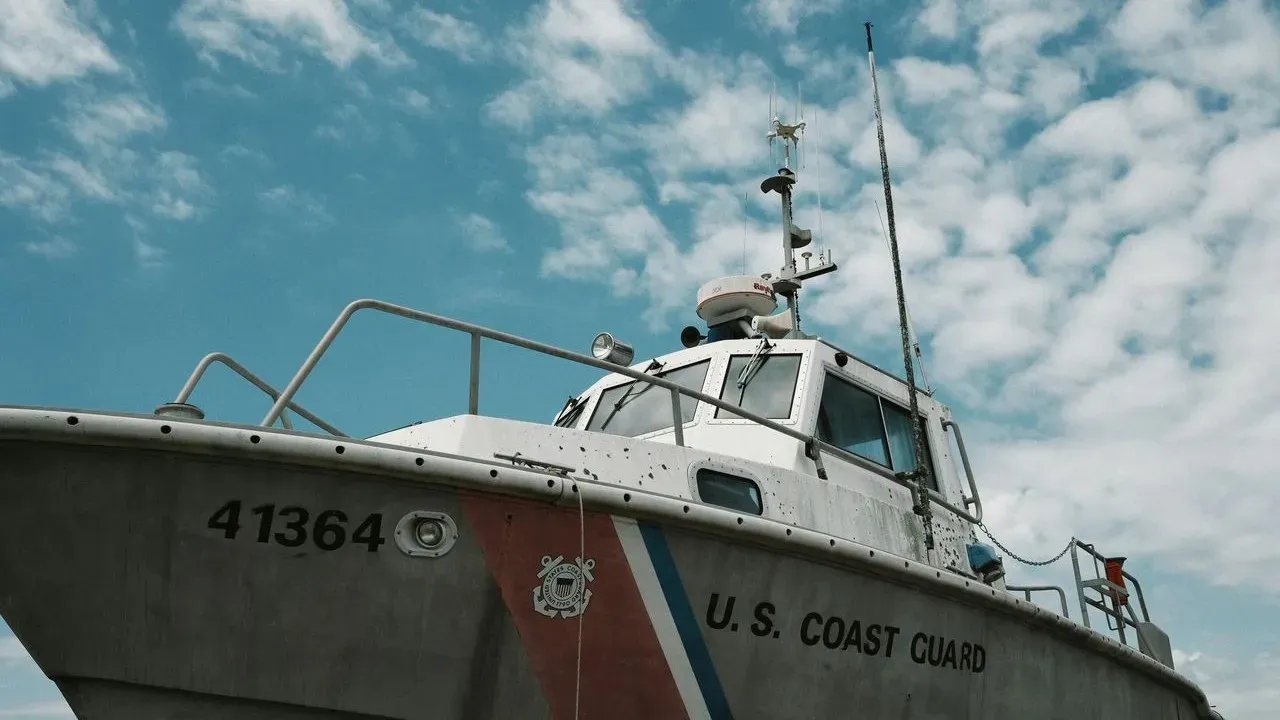

Off the waters north of Puerto Rico, a coordinated response by the U.S. Coast Guard brought an 81-year-old man safely ashore after he experienced a medical emergency while traveling aboard a cruise ship. The vessel was located nearly 150 miles from the island when the call for assistance came in. Crews moved quickly to transfer the passenger by helicopter to a hospital in San Juan for continued care. The incident highlights the steady presence of maritime rescue teams that support travelers on the open sea. ([1])
A Swift Response at Sea
The rescue unfolded when the cruise ship contacted authorities about the passenger’s condition. Coast Guard personnel located the vessel and prepared for an at-sea transfer under challenging conditions. Video shared by the service shows the careful lift of the man from the deck into a waiting helicopter. The operation concluded with his arrival at a medical facility on land, where treatment could continue without interruption. Such missions rely on precise coordination between ship crews, air assets, and ground teams. The distance from shore added complexity, yet the response remained focused and methodical. Passengers and crew alike benefit from knowing that established protocols exist for these situations. The outcome in this case allowed the individual to reach professional care promptly.
Maritime Safety and Traveler Preparedness
Cruise travel often takes passengers far from immediate land-based services, which makes advance planning especially valuable. Many lines maintain onboard medical facilities staffed by trained professionals who can stabilize patients until further help arrives. Travelers are encouraged to carry detailed medical histories, current prescriptions, and emergency contact information in accessible formats. Travelers with known health conditions may also consult their physicians before departure and review the medical capabilities listed by their chosen cruise line. Travel insurance that includes medical evacuation coverage provides an additional layer of support when situations arise far from home. These steps do not eliminate risk, yet they contribute to a more informed and resilient journey.
The Role of Dedicated Rescue Teams
The U.S. Coast Guard maintains a continuous presence across vast ocean regions to assist vessels in distress. Their work encompasses search-and-rescue operations, medical evacuations, and support for commercial and recreational mariners alike. Each mission draws on specialized training, equipment, and interagency cooperation that has been refined over decades. In this instance, the helicopter crew executed a precise transfer that minimized further strain on the passenger. Public releases from the service often emphasize the teamwork required to complete these operations safely. The dedication of these personnel ensures that help remains available even when land is many miles away.
Looking Ahead for Responsible Travelers
Incidents like this one serve as quiet reminders that thoughtful preparation enhances the enjoyment of sea travel. Reviewing health needs, understanding ship resources, and maintaining appropriate insurance represent practical steps that align with responsible exploration. The swift action of rescue teams demonstrates that support systems stand ready when needed. Travelers who approach cruises with awareness and care often find the experience both rewarding and secure. The focus remains on the human element: crews who respond with skill and passengers who plan with intention. This balance supports continued appreciation for journeys across the water.
AI Disclaimer: This article was created with the assistance of AI tools and reviewed by a human editor.