
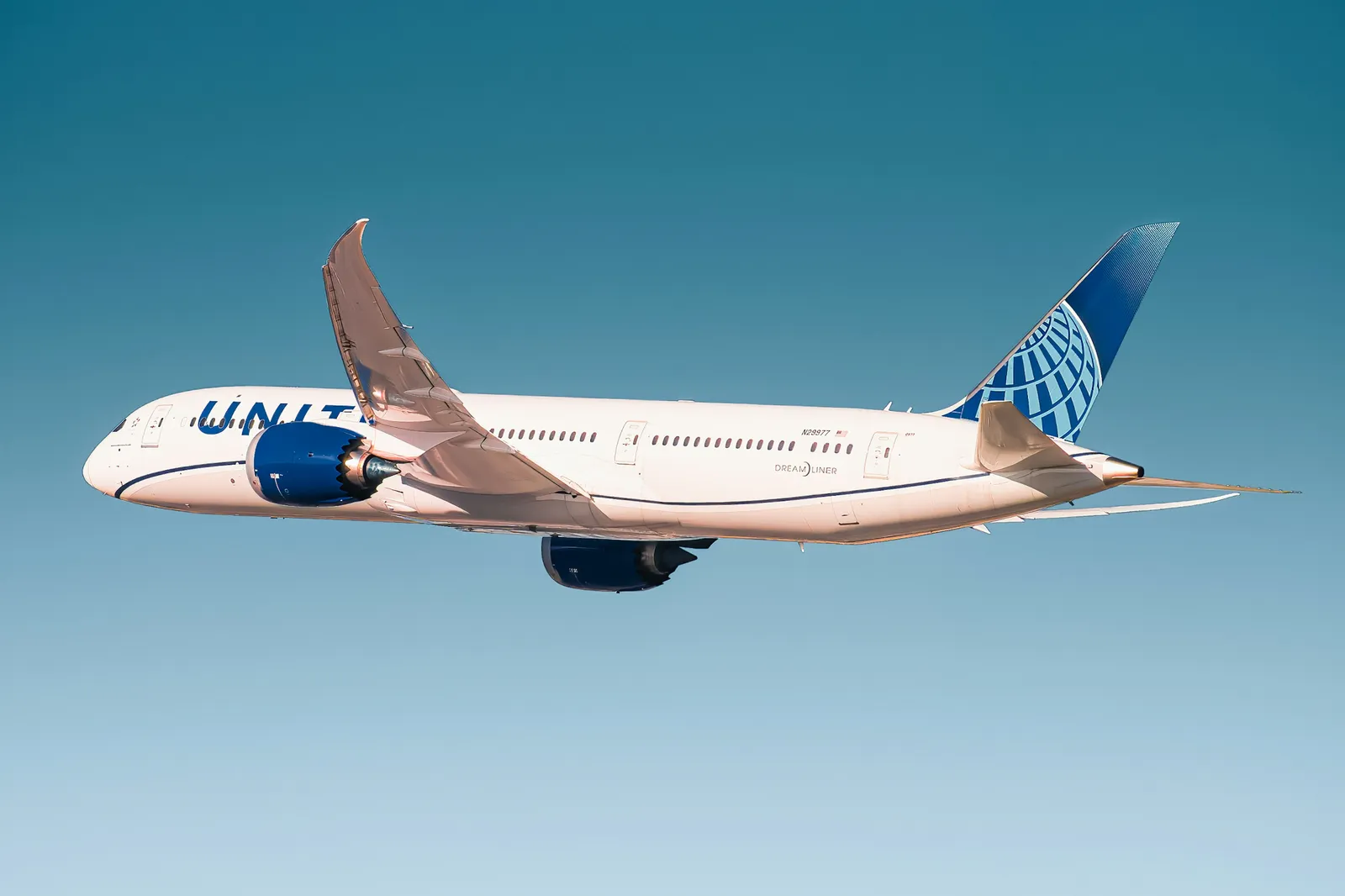

United Airlines has closed the door on any near-term consolidation moves, with Chief Executive Scott Kirby describing merger speculation involving JetBlue as “idiotic.” The Chicago-based carrier’s stance follows a brief but unsuccessful effort to explore a combination with American Airlines earlier this year. Travelers now face a clearer picture of limited industry upheaval in the months ahead, even as fuel costs and route networks remain under pressure.
American Talks End Without Progress
Kirby confirmed in late April that he had approached American about a possible merger. The proposed tie-up would have created the largest U.S. airline by a wide margin and raised immediate antitrust questions among regulators and industry observers. American quickly signaled it had no interest, effectively ending the discussion before formal negotiations advanced.
The failed overture came amid broader speculation that United might be testing the waters for other deals. Industry watchers wondered whether the American approach served as a signal to prepare regulators for a different transaction. Those questions have now been answered directly by United’s leadership.
Blunt Rejection of JetBlue Speculation
Kirby addressed the JetBlue rumors directly during public appearances this week. “Just idiotic,” he said of the idea that United would pursue the smaller carrier. He added that he wished JetBlue well but had no intention of acquiring a network that has posted losses in recent years, including more than $300 million in the first quarter alone.
JetBlue has recorded annual losses since 2019, a track record that Kirby cited as a clear deterrent. The comments remove any lingering doubt about United’s plans and underscore the carrier’s focus on organic growth rather than acquisitions. This position stands in contrast to earlier industry chatter that suggested United might still seek partners after the American discussions cooled.
Existing Partnership Continues
United and JetBlue maintain their Blue Sky partnership, launched last fall. The arrangement provides reciprocal loyalty benefits for members of United’s MileagePlus and JetBlue’s TrueBlue programs. It will also bring United back to New York’s John F. Kennedy International Airport next year, expanding options for passengers traveling through that hub.
Kirby emphasized that the partnership represents the full extent of the carriers’ current relationship. No further integration or ownership changes are planned. The collaboration allows both airlines to offer customers more seamless connections without the regulatory and financial risks of a full merger.
Implications for Travelers and Competition
With United stepping back from major deals, the U.S. airline landscape is likely to see fewer immediate ownership changes. This could preserve current levels of competition on many routes, potentially supporting fare stability and service options for passengers. A larger combined United-American entity never materialized, avoiding the service disruptions and route overlaps that often accompany such transactions.
Other carriers continue to monitor conditions. Delta Air Lines CEO Ed Bastian has noted that high fuel prices echo the environment that drove earlier waves of consolidation. One smaller transaction has already closed this year, with Allegiant Air completing its acquisition of Sun Country Airlines. United’s decision, however, signals that the largest players are not rushing into similar moves.
United’s Longer-Term View
Kirby has long believed that only a major transaction would deliver meaningful economic benefits. He acknowledged that any such deal requires a willing partner, which United does not currently have. The carrier therefore plans to focus on its existing network and partnerships rather than pursue additional consolidation.
For passengers, the message is one of continuity. Route networks and loyalty programs are unlikely to undergo sudden, large-scale shifts from United-led mergers. The emphasis remains on operational improvements and the Blue Sky collaboration, which continues to deliver incremental benefits without the complexities of ownership changes.
AI Disclaimer: This article was created with the assistance of AI tools and reviewed by a human editor.