
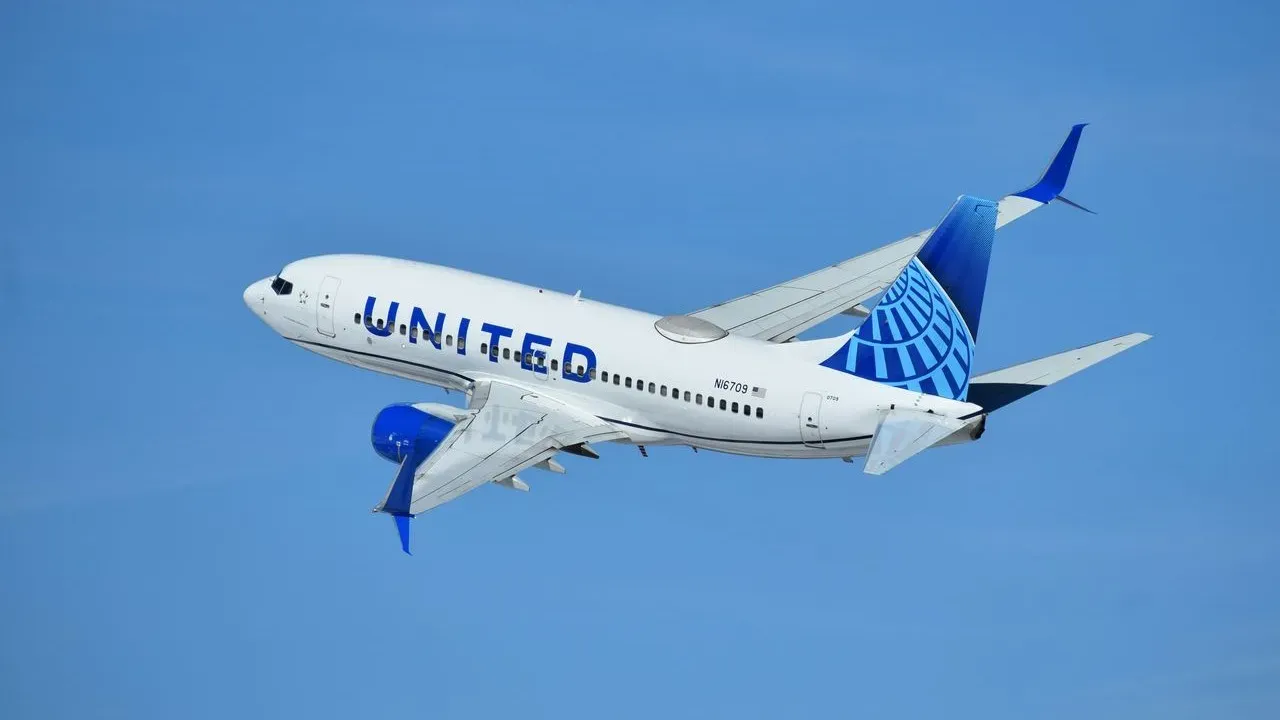

United Airlines plans to introduce a new “Base” fare option in its domestic first-class cabin, extending the unbundled pricing model already in place for other premium products. The change follows similar moves the carrier made earlier for long-haul Polaris business class and Premium Plus seats. Tickets are expected to become available in the coming weeks.
Restrictions That Define the New Fare
Passengers who select the basic first-class option will give up several standard perks. Seat selection at booking will no longer be complimentary, and changes to the itinerary after purchase will not be permitted. The fare also includes one free checked bag rather than the usual two, along with reduced MileagePlus earning rates compared with full-fare tickets. Cancellation will carry a fee, and flight credits will be more limited. These rules mirror the trade-offs already familiar to basic-economy travelers in coach.
Industry-Wide Shift Toward Choice
United is not alone in testing this approach. Delta Air Lines and JetBlue have introduced comparable unbundled fares in premium cabins in recent months. The broader trend reflects carriers offering a spectrum of price points within each cabin so travelers can match payment to the flexibility they need. United described the move as giving customers the ability to select the experience that best fits their needs. Industry analyst Henry Harteveldt has noted that many travelers view the option as an indirect adjustment to pricing structures they previously took for granted.
Short-Haul International Business Class Also Affected
A parallel basic “United Business” fare will apply to short-haul international flights to Canada and Latin America. Passengers in this cabin will face similar limitations on changes and seat selection. They will, however, retain access to United Clubs, preserving one key benefit even under the restricted fare. The rollout keeps the same philosophy of tiered pricing across both domestic and select international routes.
How Travelers Can Decide
Those who value flexibility and full earning potential may continue to choose standard first-class or business fares. Travelers whose plans are fixed well in advance and who prioritize the lowest available price in the cabin now have an additional option to consider. Comparing the two fare types side by side at the time of booking will clarify the exact differences in cost and restrictions for any given itinerary. This added layer of choice encourages passengers to weigh their priorities carefully before purchase.
AI Disclaimer: This article was created with the assistance of AI tools and reviewed by a human editor.