
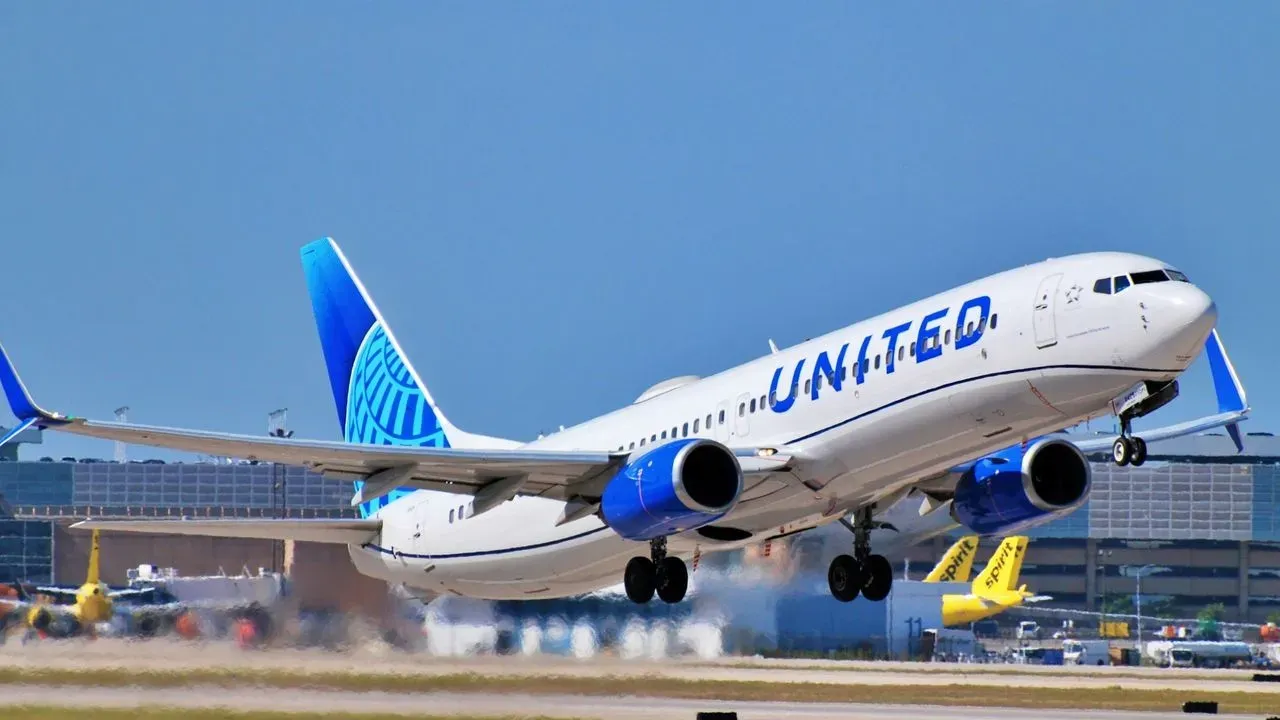

San Francisco International Airport handled a routine yet notable aviation event when a fully loaded United Airlines flight bound for Mexico experienced a tire blowout during its takeoff roll. The aircraft returned to the airport without further incident, allowing passengers and crew to disembark safely. Such occurrences, while uncommon, illustrate the layered safety systems that govern commercial aviation and the coordinated response of airlines and airport authorities when issues arise on the runway.
The Incident Unfolds
The flight, carrying a full complement of passengers, had begun its departure sequence when one of its tires failed. Crew members followed established procedures, aborting the takeoff and guiding the plane back to the terminal area. The entire sequence remained under control, with no reported injuries or damage beyond the affected tire.
Airport operations continued with minimal disruption as ground teams assessed the situation. The event took place at one of the busiest gateways on the West Coast, where precise coordination between pilots, air traffic control, and maintenance staff is standard practice. Passengers remained on board during the return and were later assisted with rebooking or onward travel arrangements.
Practical Consequences for Stakeholders
Travelers on the affected flight faced delays as the airline arranged alternative departures or accommodations. United Airlines typically manages such situations through its customer service channels, offering rebooking options and support for those whose plans were interrupted. The airport itself maintained normal operations for other flights, demonstrating the resilience built into major hub facilities.
Airline staff and ground crews worked methodically to inspect the aircraft and clear the runway. This measured approach reflects the priorities of commercial aviation, where safety checks take precedence over schedule recovery. Affected passengers gained firsthand experience of how carriers address mechanical issues without compromising operational integrity.
Context on Aviation Safety Standards
Commercial aircraft undergo rigorous pre-flight inspections and are equipped with redundant systems designed to manage tire or landing-gear anomalies. When a blowout occurs, pilots are trained to execute controlled returns that protect everyone on board. Regulatory oversight from bodies such as the Federal Aviation Administration ensures these protocols remain current and effective.
Incidents of this nature are documented and reviewed to refine procedures across the industry. The outcome in San Francisco aligns with the broader record of high reliability in U.S. commercial aviation, where the vast majority of flights conclude without mechanical interruption. Travelers benefit from this continuous improvement cycle, which supports confidence in air travel for both leisure and business purposes.
What Matters Now
Airlines continue to emphasize transparent communication with passengers during any operational change. United’s response in this case followed established channels for updates and assistance, reinforcing the value of clear information when plans shift. Airports like San Francisco maintain dedicated teams ready to support rapid yet thorough assessments after runway events.
For those planning trips through major hubs, awareness of these safety layers can provide reassurance. The focus remains on reliable service and the professional execution of contingency plans that keep travel moving forward responsibly.
AI Disclaimer: This article was created with the assistance of AI tools and reviewed by a human editor.