
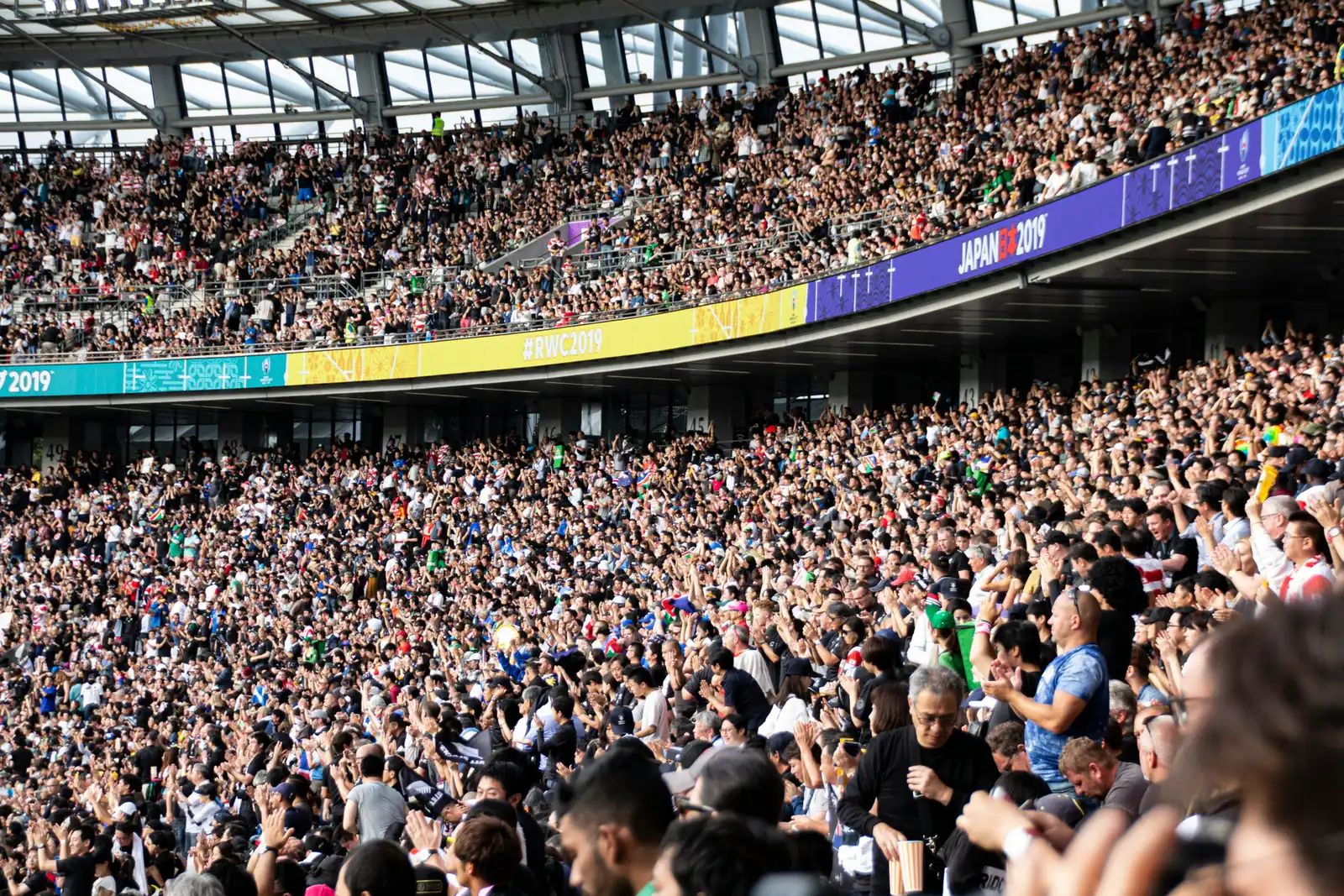

With the 2026 FIFA World Cup set to unfold across multiple U.S. host cities alongside venues in Canada and Mexico, American supporters are preparing for an influx of international fans and their distinctive way of describing the action on the pitch. These expressions, drawn from decades of play in leagues and national teams worldwide, add color and precision to conversations about goals, tactics, and tense moments. Familiarity with the terms can help local attendees follow discussions in stadiums and fan zones more easily.
Phrases That Capture Tension in the Closing Stages
One expression that often surfaces when matches reach their decisive moments refers to the nervous energy felt by players and spectators alike. Coined by former Manchester United manager Alex Ferguson, it evokes the restless shifting on plastic seats during tight finishes and has even earned a place in the Oxford English Dictionary. The phrase highlights how pressure builds in the final minutes of a contest, whether in a league match or a World Cup showdown.
Another term describes an opportunity so straightforward that missing it draws immediate frustration. It typically applies to a clear shot from close range that a forward fails to convert, leaving the player visibly disappointed. The word traces some of its roots to cricket, where it once described an easy catch that required little effort beyond sitting down to secure it.
Tactical Approaches That Shape Matches
Coaches and analysts frequently discuss formations that deviate from traditional roles. A player listed as the central striker may instead drop deeper into midfield areas, creating space and confusing defenders who expect a fixed target up front. This approach gained prominence through players such as Lionel Messi during his time at Barcelona and has appeared in major tournaments since.
Defensive setups also receive colorful labels when a team prioritizes protection of its goal over forward movement. The phrase emerged after a notable complaint by Jose Mourinho during his Chelsea tenure, when he suggested an opponent had effectively blocked the path to goal with an entire vehicle. It now applies broadly to underdogs or sides reduced in numbers that adopt a compact, low block to frustrate stronger opponents.
Skill Moves and Memorable Goals
Individual brilliance often earns its own shorthand. A precise pass or dribble that sends the ball between an opponent’s legs carries a name shared across languages, from French references to small bridges to Spanish terms for pipes or tunnels. The move embarrasses the defender and can shift momentum instantly.
Exceptional strikes from distance receive special recognition as well. The British slang term applies to shots that find the upper corners with precision and power, elevating them above routine finishes. Similar praise extends to penalty techniques that involve a soft chip down the center, a method first executed successfully by Czech player Antonín Panenka in a 1976 European Championship shootout.
Team Performance and Supporter Influence
Goalkeepers and defenders measure success partly through periods without conceding. The expression for such a performance dates to an era when match reports relied on paper notebooks, leaving a blank page when no goals were recorded against a side. American audiences may recognize the equivalent concept as a shutout.
Fans themselves receive acknowledgment for their role in creating atmosphere. The idea of supporters functioning as an unofficial extra player on the field underscores how vocal crowds can affect opposing teams through noise and presence. This concept appears regularly in discussions of home advantage during international tournaments.
These phrases reflect the sport’s evolution across continents and eras, offering American attendees a window into the shared language that unites global followers of the game. As matches unfold in 2026, the expressions will likely surface in real time, enriching conversations both inside stadiums and in surrounding fan areas.
AI Disclaimer: This article was created with the assistance of AI tools and reviewed by a human editor.