

Most hikers who end up stumbling around in the dark didn’t plan for it. They just kept going a little longer than they should have. What separates hikers who make it back safely from those who trigger a search and rescue call is often a single, repeatable habit built before they even lace up their boots.
Research on lost hiker patterns shows that those departing around 2 to 3 in the afternoon on weekends are among the most at risk, largely because they leave early enough to think they’ll make it back in time, yet getting lost for even a couple of hours can leave them stumbling around in complete darkness. The problem isn’t always poor judgment. Sometimes it’s the absence of one practical system.
The Single Habit That Changes Everything: Setting a Firm Turnaround Time

A turnaround time is the latest point in your hike where you must reverse direction and head back to the trailhead to return safely before dark, calculated by subtracting half your total hiking time and a safety buffer from sunset. Setting a firm turnaround time before leaving and respecting it is widely considered the single most important hiking safety practice.
Most mountain rescues happen because hikers continued past the point of safe return. This habit isn’t about limiting adventure. It’s about protecting every future adventure you want to take.
The strongest mountain hiking habit you can build is to set a turnaround time before you start and honor it, even if you’re just 200 feet from the summit. The trail will be there again. Darkness, on the other hand, does not negotiate.
Why Late Afternoon Departures Are So Dangerous

Hikers who depart around 2 to 3 in the afternoon on weekends are the most statistically likely to get lost, and weekend hikers tend to be less experienced than those who hike during the week. That combination of inexperience and a late start quietly sets the stage for a crisis.
Daylight dictates your schedule far more than fitness does, and new hikers frequently underestimate how long trails actually take once photo stops, snack breaks, and navigation checks are factored in. What looks like a two-hour trail on paper can stretch to four in practice.
Even hikers generally familiar with an area can get lost in darkness, since the lack of light becomes very disorienting when navigating, potentially causing them to miss specific landmarks or trail turnoffs. Familiarity with a trail in daylight offers little protection once the sun drops.
How to Actually Calculate Your Turnaround Time

The formula is straightforward: turnaround time equals sunset time, minus half the total hiking time, minus your safety buffer. For a six-hour hike with a 5:30 p.m. sunset and a one-hour buffer, the math puts your turnaround at 1:30 in the afternoon.
A useful rule of thumb for mountain terrain specifically is that if it took four hours to go up, plan for two and a half to three hours to come down, since descending takes longer than flat-terrain math would suggest. Gravity helps your feet but taxes your knees and your pace.
Aim to finish at least one hour before sunset, and download a sunrise and sunset app that lets you set an absolute turnaround time regardless of how close you are to your destination. The destination isn’t worth the dark walk back.
Announce the Plan Before You Leave the Trailhead
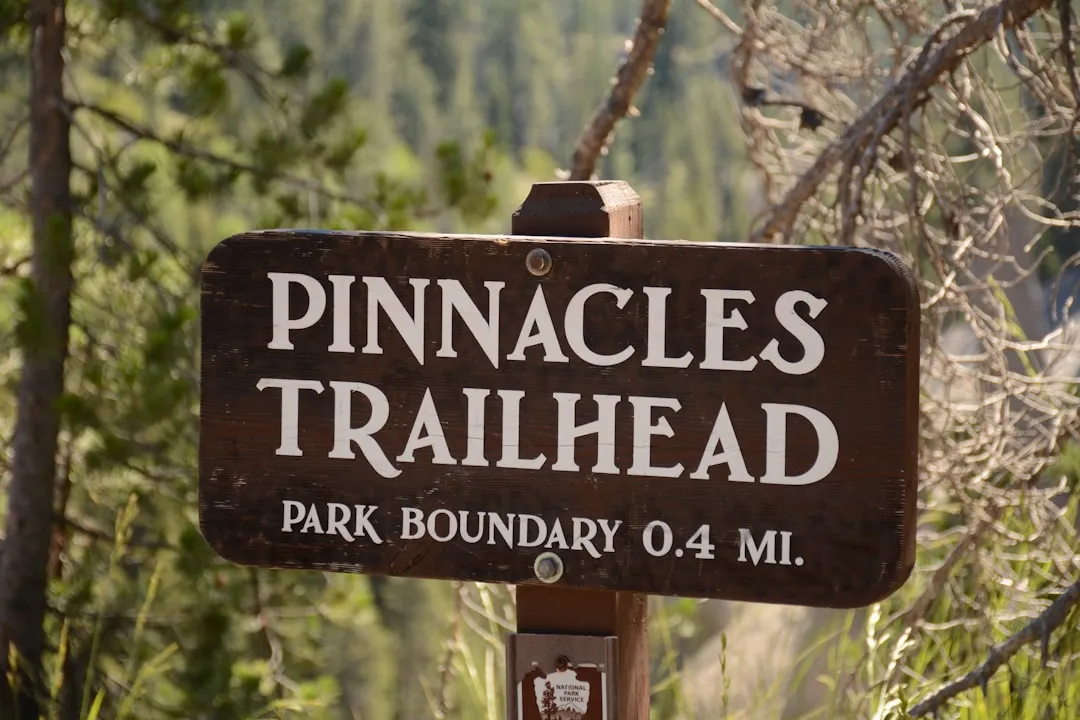
Share the turnaround plan with your group and announce the deadline at the trailhead, ensuring everyone understands and owns the decision before the journey even begins. Group dynamics have a quiet but powerful pull. Someone always wants to go a little further.
Always tell someone where you’re hiking and when you plan to return, sharing the trail name, parking area, and expected finish time. This simple habit could save your life if something goes wrong. It costs nothing and takes about thirty seconds.
Let someone know where and when you’re going and when you plan to return so that, in the event you get lost, they can tell rescuers where to find you. Some hikers even leave a note on their car’s dashboard as an extra safety measure.
Read the Trail Behind You, Not Just Ahead
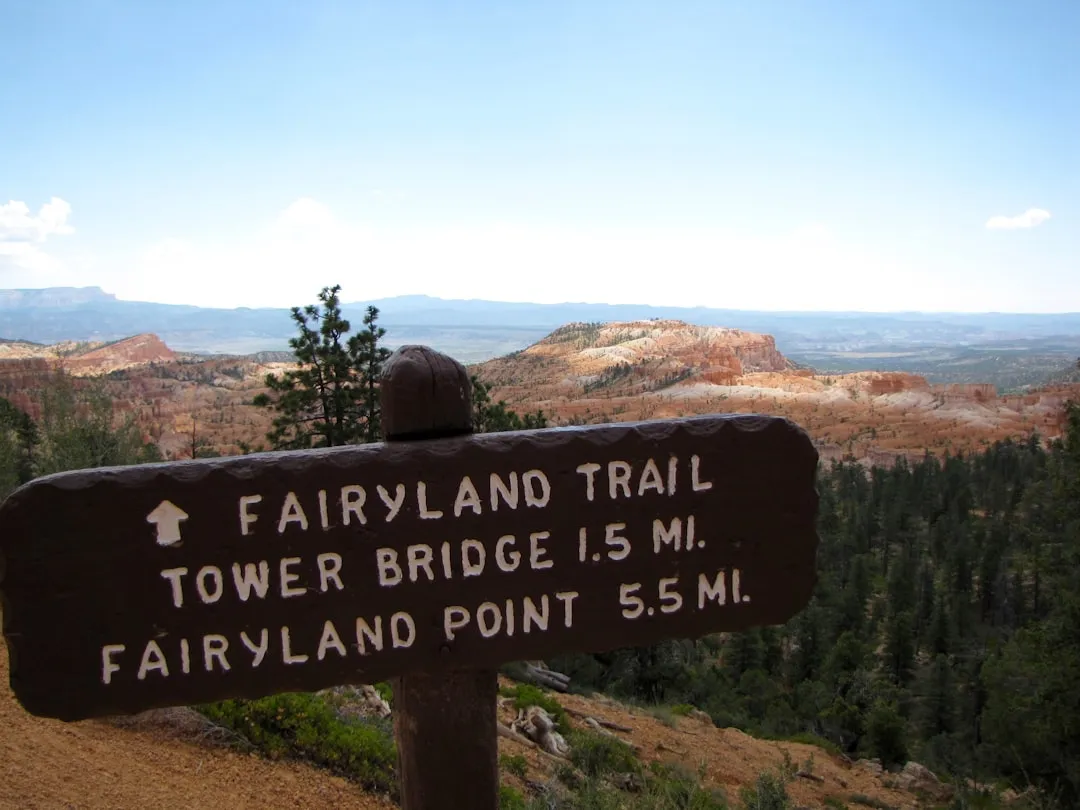
Make a habit of looking back often while hiking so you’ll recognize the trail on your return journey. It sounds almost too simple, but the trail looks completely different when you’re walking in the opposite direction.
Form the deliberate habit of checking what the trail looks like in the direction you’ll be returning, making a mental note of interesting features such as oddly shaped trees, split rocks, or patches of bright flowers. These visual anchors become critical reference points as light fades.
Watching for the landmarks you identified before getting on the trail, including water crossings, trail splits, cliff faces, and the number of switchbacks, helps you gauge how far you’ve traveled and confirms you’re still on route.
Check Your Position Every 10 to 15 Minutes

Developing the habit of checking your map every ten to fifteen minutes, or more frequently in complex terrain, ensures you maintain awareness of your position and can immediately identify when you’ve strayed off course.
Tracking your progress systematically by noting distinctive features as you pass them, such as stream crossings, rock formations, or trail junctions, creates mental waypoints that confirm you’re on route and help you gauge your pace and position.
Carrying a paper map and compass, downloading offline GPS maps, checking your position every fifteen to twenty minutes, and confirming directions at every junction are among the most effective strategies to avoid losing the trail. These aren’t just beginner tips. Experienced hikers use them consistently.
Never Rely on a Single Navigation Tool

Smartphones and GPS watches are incredible tools, but batteries die, signals fade, and apps crash. Download offline maps before you go, using apps like AllTrails, Gaia GPS, or CalTopo that allow offline access, and always carry a compass and a physical map as backup.
Relying on a cell phone for navigation is particularly risky: batteries die, coverage is limited or spotty, and unforgiving rocks are merciless when a phone is dropped. Don’t put your safety in that basket without a solid backup plan.
For those who frequently venture into remote areas with limited cell service, personal locator beacons or satellite messengers can be invaluable safety devices that summon emergency services directly to your location when other communication methods fail, potentially saving crucial hours in a rescue scenario.
Understand What Getting Lost Actually Looks Like

A study by SmokyMountains.org found that nearly half of people who became lost (around 41 percent) had wandered off the trail, with bad weather as the second most common cause at roughly 17 percent, followed closely by falling off the trail.
On average, lost hikers are found just 1.8 kilometers from their starting point, which is less than a mile. They are also typically found only 58 meters from the nearest trail or road. These numbers are a quiet reminder that most people don’t get catastrophically far off course. They just lose the thread slightly, and darkness does the rest.
Lost hikers often keep moving when they should remain still, experiencing substantially reduced cognitive function, losing the ability to recognize landmarks, and sometimes even walking past other people without asking for help. The panic response is real and it’s worth understanding before you ever experience it.
What Search and Rescue Teams Actually Face After Dark

If you’re lost off trail, you will most likely have to spend the night. Search and rescue teams don’t want to create an incident within an incident by sending team members on an off-trail search at dark or near dark, and the standard protocol is to wait until morning.
Thousands of hikers get lost every year, and while most are found, there are currently 29 cold cases of hikers who have gone missing in national parks. National parks often don’t release official numbers, meaning the true figures may be much higher than public data suggests.
According to Survival Dispatch, roughly 48 percent of those who go missing in the wilderness are hikers and trail runners, making this the single activity category with the highest rate of lost individuals. Knowing that is sobering, but it also means this is a preventable pattern.
Build the Turnaround Habit Before You Need It
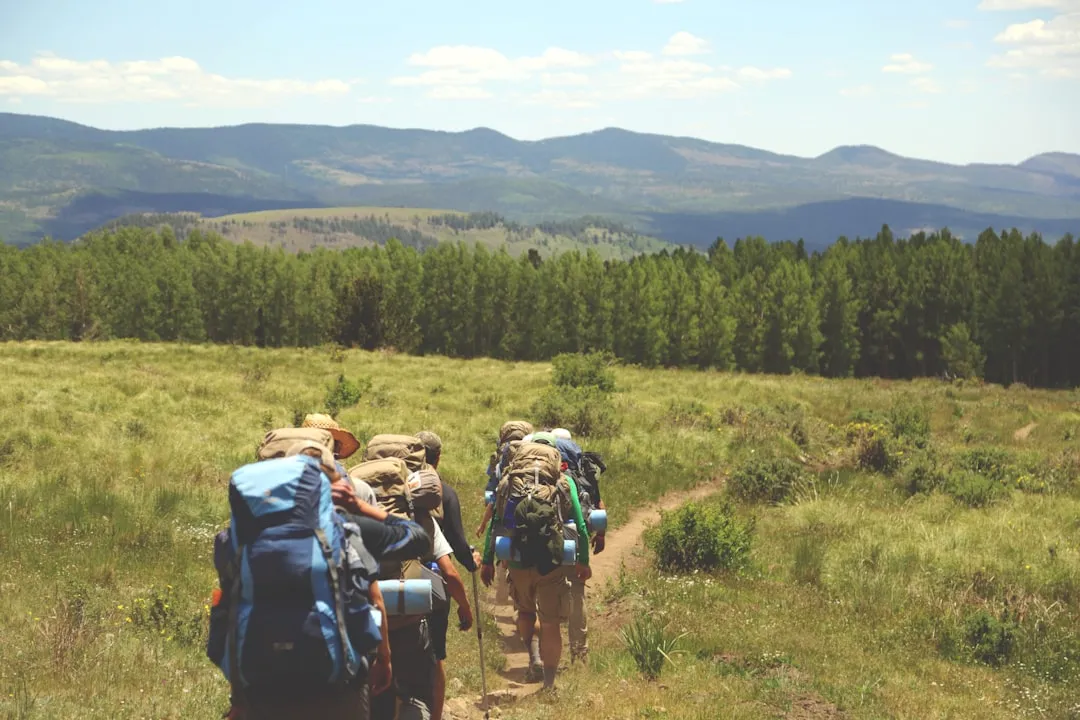
Mastering hiking safety habits does more than protect you on a single trip. It builds a foundation for a lifetime of confident and responsible adventure, where every hike you return from safe reinforces these practices and allows you to gradually take on more challenging terrain.
Experienced hikers understand that the decision to turn back on a mountain builds more self-trust than reaching any peak. That’s a perspective worth carrying on every trail you walk.
Avoiding getting lost while hiking comes down to preparation, awareness, and strong navigation skills. By studying your route ahead of time, carrying reliable tools, and checking your position regularly, you greatly reduce the chances of losing the trail. Small habits like stopping at junctions, tracking landmarks, and turning back before dark can make a significant difference, and with practice, these skills become second nature.
A Quiet Commitment That Every Hiker Can Make
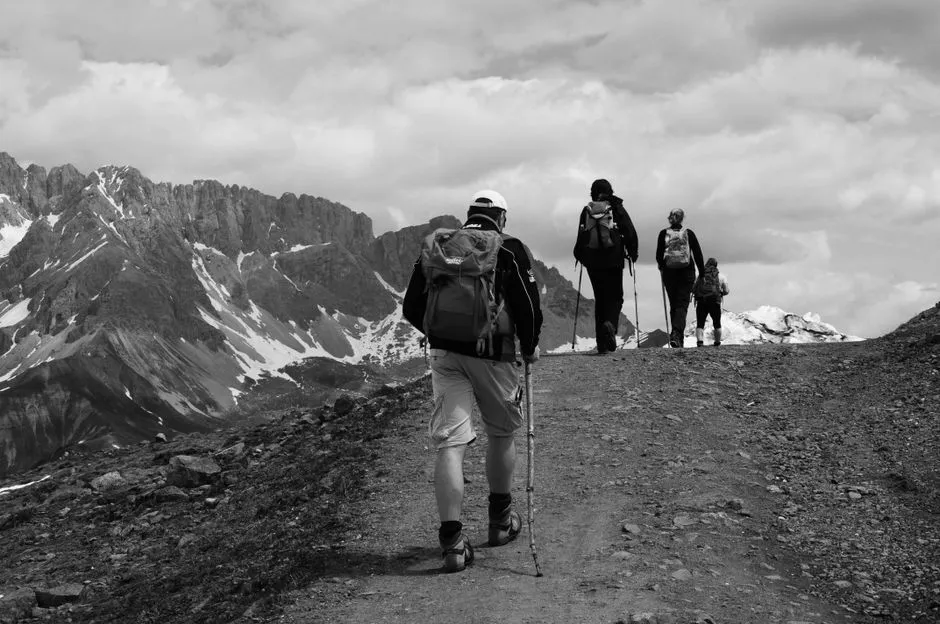
The turnaround habit isn’t glamorous. It doesn’t require expensive gear or technical training. It’s just a time, written down or spoken aloud, that you agree to honor no matter how good the trail feels.
The most valuable skill you carry isn’t in your pack. It’s the confidence to make a smart choice when conditions shift. Finishing your day safely is the real summit, and this simple idea transforms risky ambition into a series of clear, manageable decisions.
Every trail you love is worth coming back to. The habit of turning around while daylight remains isn’t a concession to caution. It’s an investment in every hike still ahead of you.
AI Disclaimer: This article was created with the assistance of AI tools and reviewed by a human editor.