
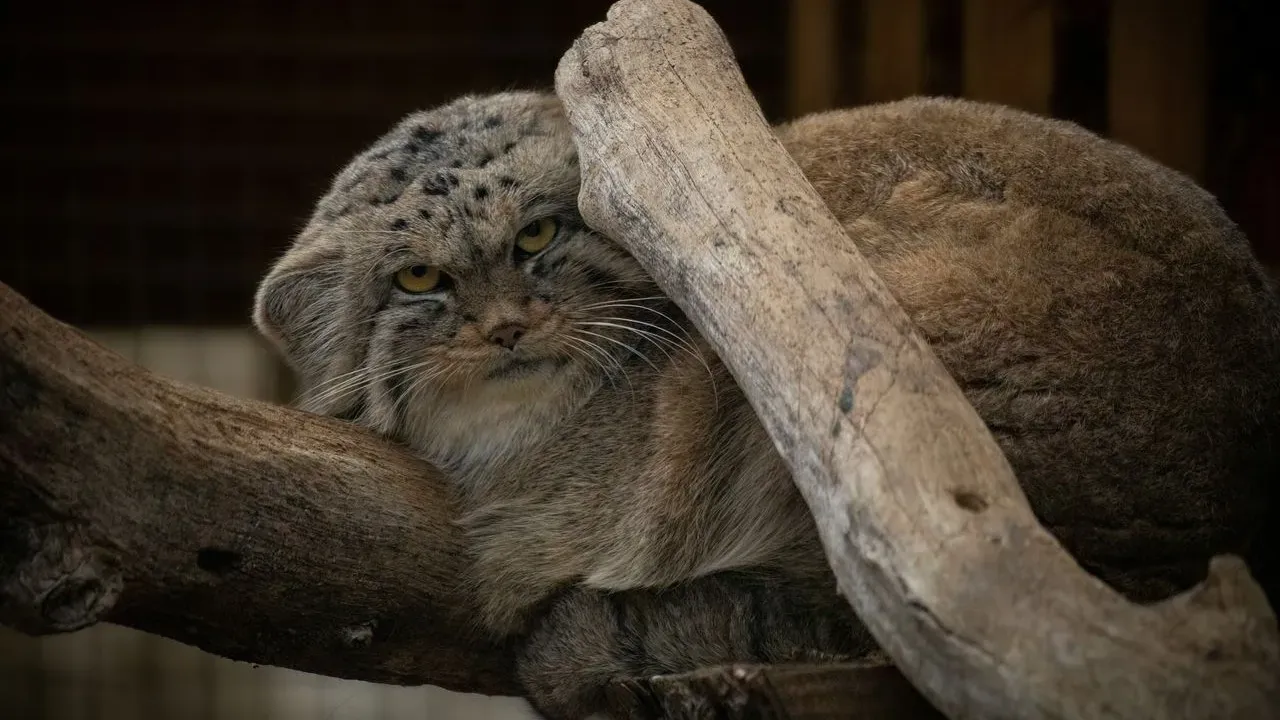

Among the nearly 200 species cared for at a wildlife hospital in Glen Ellyn, a bobcat is an unusual patient. The DuPage Wildlife Conservation Center took in the injured animal this month after a likely collision with a vehicle near downstate Oregon, Illinois ([1]). The cat’s arrival marks a notable moment for a center that has not treated one of the animals since 2018, and its care now unfolds in a quiet suburban setting far from the open country where bobcats typically live.
A rare patient at a suburban hospital
The young female, estimated to be less than a year old, weighed 16 pounds when she arrived. Other coverage put her weight at nearly 17 pounds, a small difference that does not change the scope of her care. Wildlife officials in the region have also described the species as more common south and west of the Chicago area, which helps explain why a bobcat in DuPage County is a rare event.
The 27,000-square-foot hospital is designed to handle a wide range of patients, and this admission tested that capacity in a new way. One regional expert has linked the case to a broader trend, pointing to the species’ gradual comeback across Illinois as a sign that bobcat populations are growing again.
Why sedation and diagnostics came first
The cat’s journey began at Oaken Acres Wildlife Center in DeKalb County, which lacked the on-site sedatives needed to treat her safely. Staff there had described the animal as too defensive to remove from a trap without drugs, so she was transferred to Glen Ellyn, where veterinarians could work with a more complete set of tools.
Once she was anesthetized, the medical team carried out a detailed assessment. Their work included:
- An X-ray and ultrasound to look at internal injuries
- Blood work, which showed a normal red blood cell count
- Diagnosis of head trauma, a broken canine tooth and an older fracture of the shoulder blade that had already healed
- Tooth extraction, a procedure that can be difficult because removing the tooth may require drilling into bone
Those findings helped the staff plan a path toward recovery that prioritized rest over handling.
A defensive animal and a careful plan
Head veterinarian Sarah Reich has described the cat as “very sassy,” a phrase that captures the animal’s spirit in the middle of a stressful stretch. Reich also noted the species’ instincts, saying that bobcats are very defensive creatures by nature. For a wild patient, that wariness is not a flaw. It is a sign that the animal has not grown accustomed to people, which is important for eventual release.
The center’s approach reflects that principle. Staff aim to limit handling as much as possible and move the cat into an outdoor enclosure as soon as it is practical, reducing contact with people and easing the stress of captivity. Dr. Reich’s team has said the bobcat is expected to make a full recovery, and the center intends to keep her in a larger space while she heals.
What to do if you find injured wildlife
- Keep your distance and avoid trying to handle the animal yourself.
- Contact a licensed local wildlife rehabilitation center for guidance.
- Report the animal’s location so trained staff can respond safely.
Why these stories matter close to home
Most of the center’s patients arrive because of human activity, according to Stelford, who has worked at Oaken Acres since 1984. Stelford said that growing urban areas push wildlife into new territory, which can raise the risk of vehicle strikes. That context gives the bobcat’s case broader meaning, since it reflects the everyday pressures wild animals face as the suburbs expand.
For residents, the lesson is practical rather than dramatic. Drivers can watch for animals near roadsides and wooded edges, and anyone who finds a hurt animal can rely on trained rehabilitators rather than attempting a rescue on their own. The coverage so far has not set a release date for the bobcat, and her future will depend on how well she recovers. For now, the case shows how a regional network of rescuers, transport partners and veterinarians can give a wild animal a second chance.
AI Disclaimer: This article was created with the assistance of AI tools and reviewed by a human editor.