


1. The Full Physical Exam: Where Every Good Trip Starts
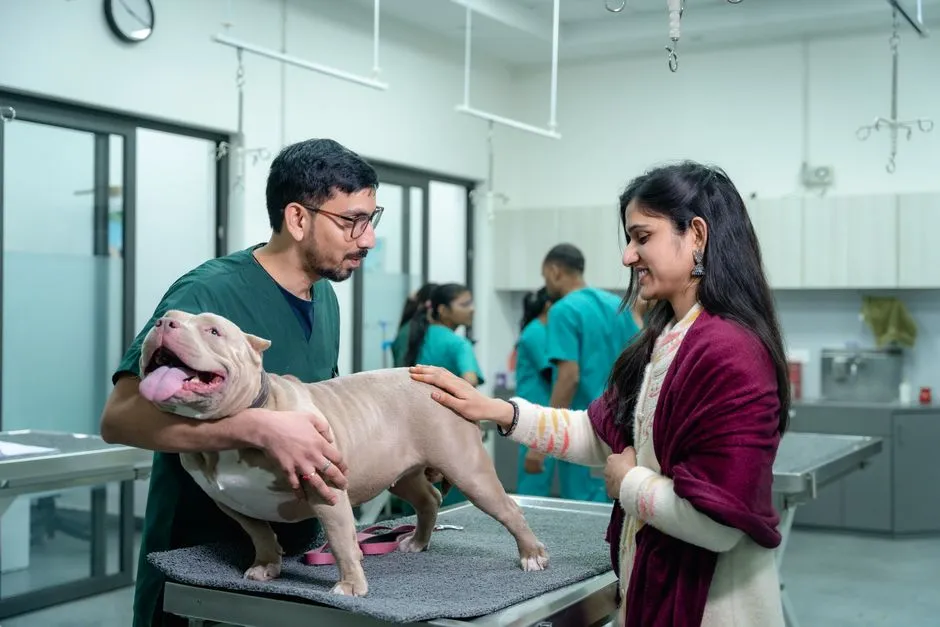
Before any trip, a check-up with your veterinarian is a good idea to ensure your pet is in good health for the journey. The visit is more comprehensive than it might sound. A vet will check your dog’s heart, lungs, joints, teeth, eyes, and overall body condition, looking for anything that could become a bigger problem under the stress of travel.
The exam is also a chance to raise health concerns that travel could make worse. Heart or respiratory conditions, anxiety, recent surgery, and advanced age all affect how well an animal handles long days in a car or on a plane.
A vet who knows the pet’s history can say whether the trip is reasonable and what precautions make sense. That honest assessment is worth more than any checklist.
2. Timing the Visit Right: Earlier Than You Think

Most states accept an interstate health certificate issued within 30 days, many airlines want one issued within 10 days, and international or Hawaii travel needs months of lead time. These windows matter more than most owners realize, and missing them can mean your dog cannot board the flight.
Booking at least twelve weeks before travel allows time for any necessary vaccinations, diagnostic tests, or additional treatments, and at least six months is recommended for international travel.
Some requirements must happen up to six months prior to travel, so it’s important to discuss this with a veterinary professional well in advance. Planning ahead is not optional here. It is the whole strategy.
3. Vaccination Status: Know What’s Current and What’s Not
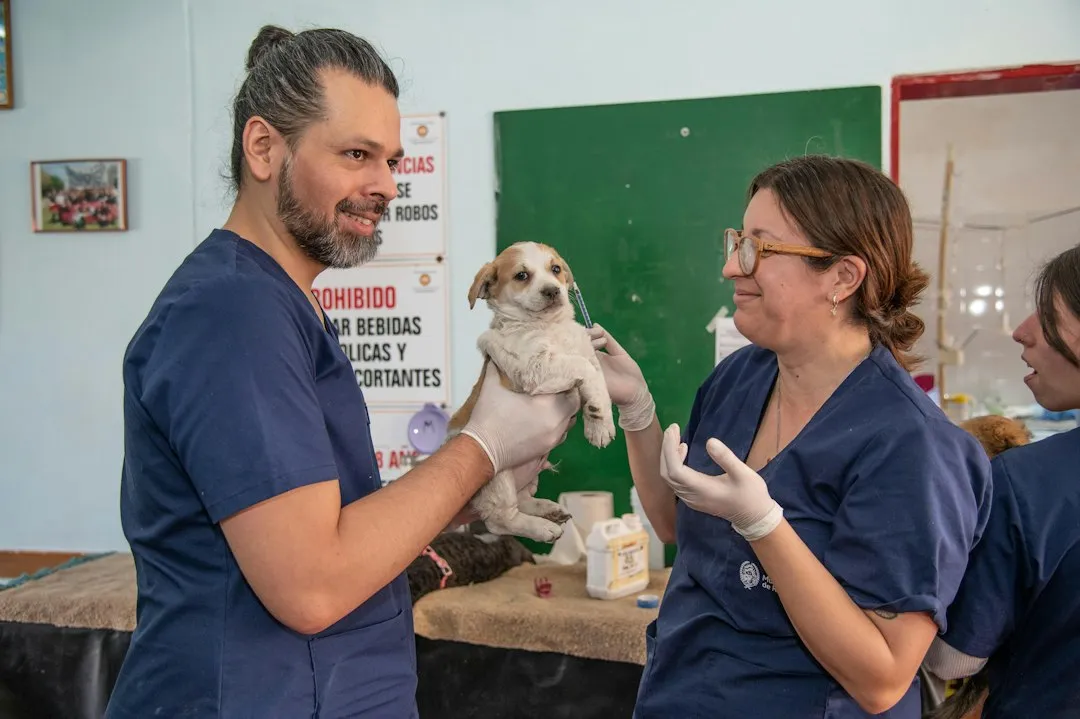
A veterinary visit ensures your pet is up-to-date on their vaccinations and flea, tick, and heartworm prevention. Rabies is the most commonly required vaccine for travel, but it is far from the only one that needs attention.
Common vaccination requirements for dogs include rabies, distemper, parvovirus, and leptospirosis. The American Animal Hospital Association now considers leptospirosis vaccination core for all dogs, so make sure it is current, especially before a trip involving hiking, lakes, or wildlife exposure.
Not being up to date with the correct vaccines or lab work might delay your ability to travel. A simple phone call to your vet before booking the trip can prevent that frustration entirely.
4. The Health Certificate: A Document That Does a Lot of Work
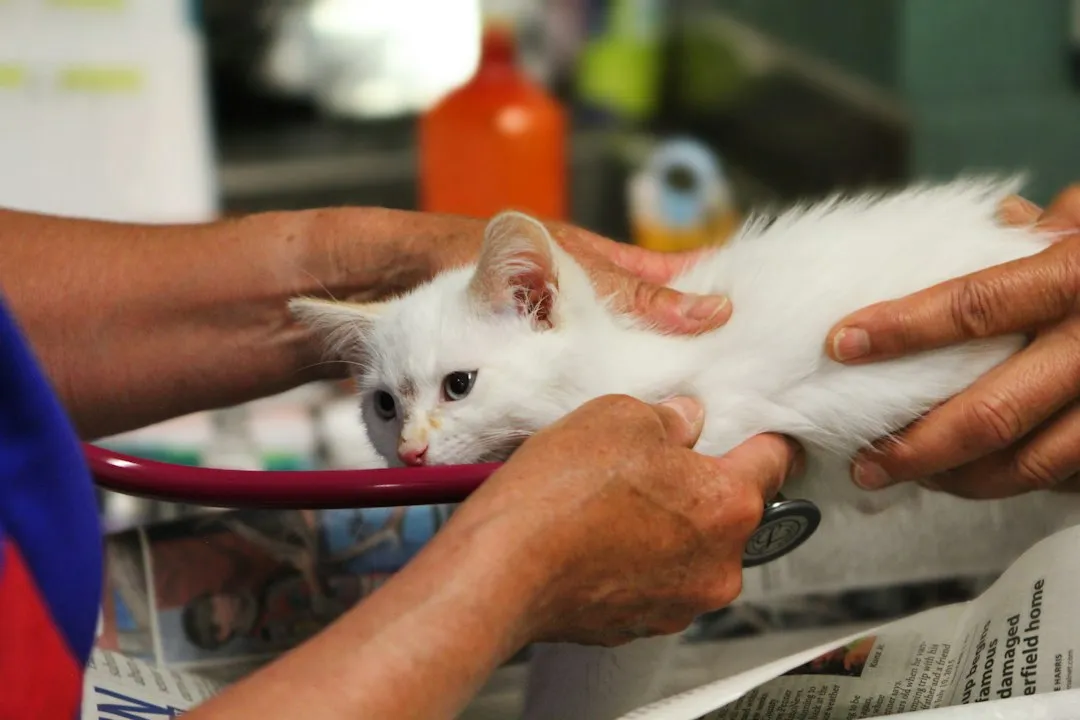
A pet health certificate is an official document issued by a licensed veterinarian confirming that your pet is healthy, up to date on vaccinations, and free from contagious diseases. It also serves as proof that your pet has undergone a thorough medical examination and meets the health standards necessary for travel.
If you are traveling to another state or country, you will need a Certificate of Veterinary Inspection issued within 10 days before any air travel or, generally, within 30 days before any other type of travel. This certificate needs to be signed by a federally accredited veterinarian, and not all veterinarians meet this requirement.
Airlines will sometimes ask to see a health certificate stating that your pet is healthy, free of disease, and considered safe to travel by airplane, and your vet can’t give you that certificate without an exam. So the exam and the paperwork are really the same thing.
5. Microchip Check: Small Chip, Big Peace of Mind
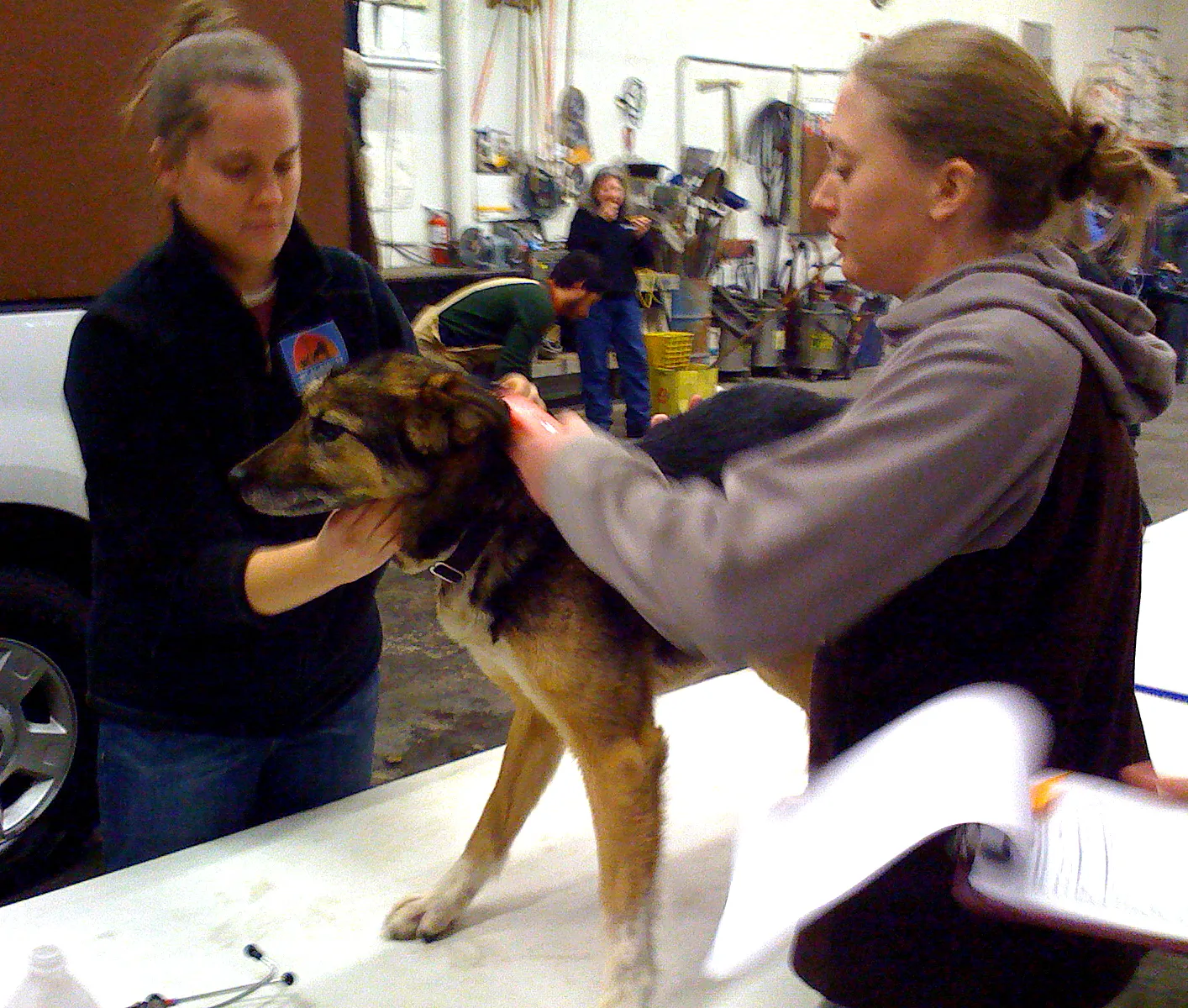
A microchip is a small implant, roughly the size of a grain of rice, placed under the skin between the shoulder blades. It stores an identification number that a scanner reads when a lost animal is brought to a vet clinic or shelter.
At the pre-travel vet visit, ask for a microchip scan to confirm the chip still reads, and a check that the registry has your current cell number. Chips can migrate or stop scanning, and an outdated phone number on the registry is as useless as no chip at all.
As of August 1, 2024, dogs entering or returning to the United States must be at least six months old, have an ISO-compatible microchip, and be vaccinated against rabies. For international travel in particular, verifying the microchip standard your destination country requires is not a step you want to skip.
6. Parasite Prevention: Matching Protection to the Destination

Parasite risks such as ticks, fleas, and heartworm vary by region. A vet can confirm whether the pet’s preventive medication covers what it may encounter there. What works at home may not be enough in a different climate or geography.
Ask about parasite prevention matched to the destination. Heartworm prevention is year-round everywhere, but tick prevention matters most in the Northeast and Mid-Atlantic. Destinations in the southern United States and the tropics carry their own distinct risks.
Dogs over seven months of age should be tested for heartworms before starting prevention. The American Heartworm Society recommends annual testing for dogs, even when they are on heartworm prevention, so that any breakthrough infections can be caught early. A pre-trip checkup is the natural moment to tick this off the list.
7. Motion Sickness: More Common Than Owners Expect

Motion sickness is most common in puppies and young dogs because the inner-ear structures that manage balance are still maturing. Many outgrow it by about one year of age, though some dogs keep a conditioned association between the car and nausea that needs desensitization.
Feed a light meal three to four hours before departure, face the dog forward, and ask your vet about prescription anti-nausea medication, which works far better than over-the-counter options for most dogs.
If that is not enough, veterinarians can prescribe anti-nausea medication that is given before the trip and works well for most dogs. Ask at the pre-travel visit rather than the morning you leave, as dosing depends on the dog’s weight and health.
8. Travel Anxiety: When Calm Is a Medical Matter
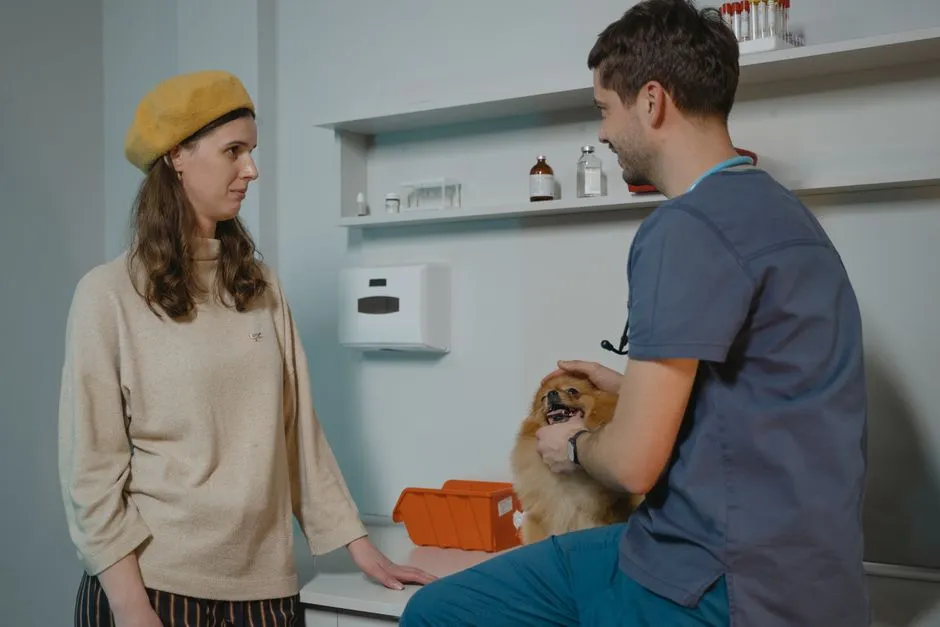
If a pet is anxious in new situations, gets stressed during car rides, or has health issues that might become a problem, a checkup and conversation with your veterinarian to make sure the pet is otherwise healthy and to discuss how to minimize those concerns is a great idea.
The AVMA advises against sedating dogs for air travel because sedatives impair temperature regulation and balance inside a moving crate, and many airlines refuse a visibly sedated animal at check-in. This is a common misconception worth addressing directly with your vet beforehand.
For anxious dogs, a veterinarian may prescribe a situational anti-anxiety medication that calms without heavy sedation, always tested at home one to two weeks before travel to check the dog’s response. Never try a new medication for the first time on travel day.
9. Breed and Age Considerations: Not Every Dog Travels the Same Way

Flat-faced breeds such as bulldogs, pugs, and French bulldogs face a genuinely different set of risks during travel. Their shortened airways make heat buildup and breathing difficulty more likely, especially in cargo holds or warm vehicles. Many airlines already restrict or ban brachycephalic breeds in cargo for this exact reason.
Health issues that might become a problem, such as renal disease or arthritis, are worth discussing with your veterinarian before any long journey. Senior dogs and those managing chronic conditions deserve a particularly careful assessment, not just a quick once-over.
Your vet can flag whether a specific trip is genuinely suitable for your dog’s age and breed, and in some cases, a frank conversation might lead to a different travel plan altogether. That honesty is a gift, not a setback.
10. Regional and International Entry Rules: The Requirements That Can Derail Everything
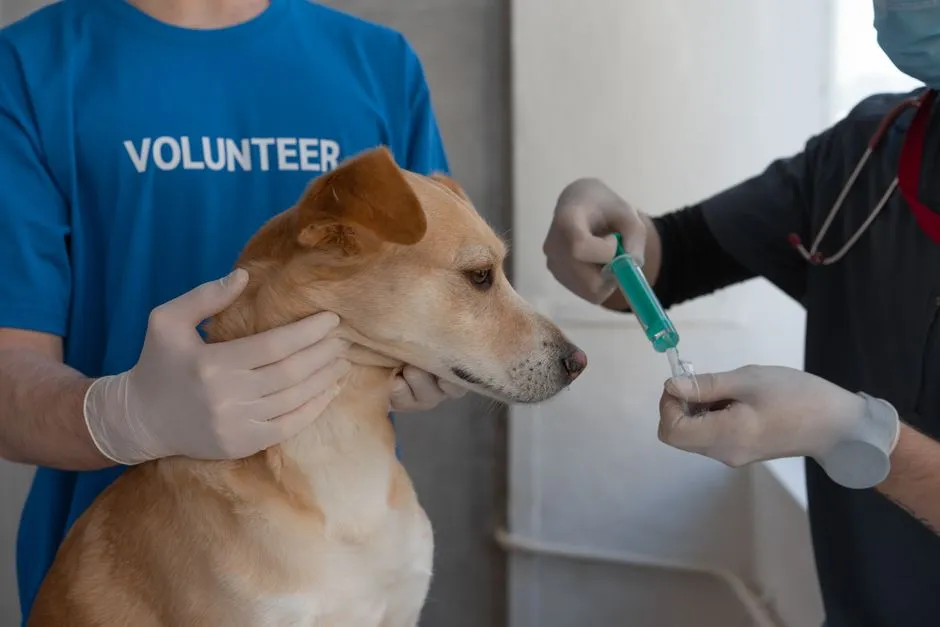
Starting August 1, 2024, dogs entering or returning to the United States must meet new CDC requirements. The CDC requires all U.S.-vaccinated dogs that have traveled to a high-risk country for rabies within the past six months to have a “Certification of U.S.-Issued Rabies Vaccination” form.
If you are planning to take your pet from the United States to another country, contact a USDA-accredited veterinarian as soon as you decide to travel. They will help you determine your destination country’s pet entry requirements, including any needed vaccinations, tests, or treatments, and assist you through the process of obtaining a USDA-endorsed pet health certificate or other needed paperwork.
Hawaii and international destinations have quarantine programs with requirements that start months before travel. Missing a single step in those sequences can result in your dog being quarantined upon arrival, sometimes for weeks. That is not the vacation anyone had in mind.
The Takeaway
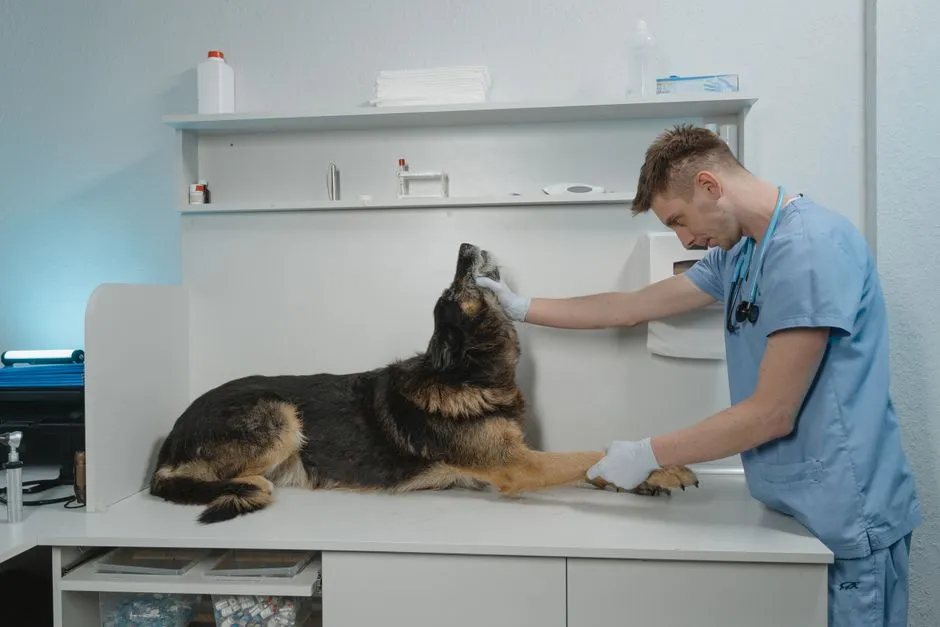
A long trip is genuinely exciting for many dogs. The world gets bigger, the smells get richer, and your company matters more than the destination. Giving your dog a proper pre-travel health check is simply how you make sure the journey goes as well for them as it does for you.
The vet visit is not a formality. It is the foundation the whole trip rests on. Book it early, ask the right questions, and travel well.
AI Disclaimer: This article was created with the assistance of AI tools and reviewed by a human editor.