
The One Question That Opens Everything: “What’s the Story Behind This Vintage?”
More than any technical inquiry, asking a guide or host about the story behind a specific vintage signals genuine curiosity rather than casual consumption. It shifts the dynamic from a transaction to a conversation, and that shift is noticed immediately.
Tasting room hosts love it when guests are genuinely interested in their wines. Before they pour your selection, they’ll often tell you the wine’s story first, drawing on a strong education in the wines they represent. When you ask them to go deeper into that narrative, most hosts respond by taking the experience to a place they rarely go with standard visitors.
Tasting room professionals and winemakers can reveal insights that no label could ever capture. They’ll explain why certain vintages taste particularly bold or how specific techniques contribute to unique aromas, transforming casual sipping into informed appreciation. That depth of conversation is precisely what tends to end with an invitation downstairs.
Why Cellar Access Is Never Guaranteed (But Often Possible)
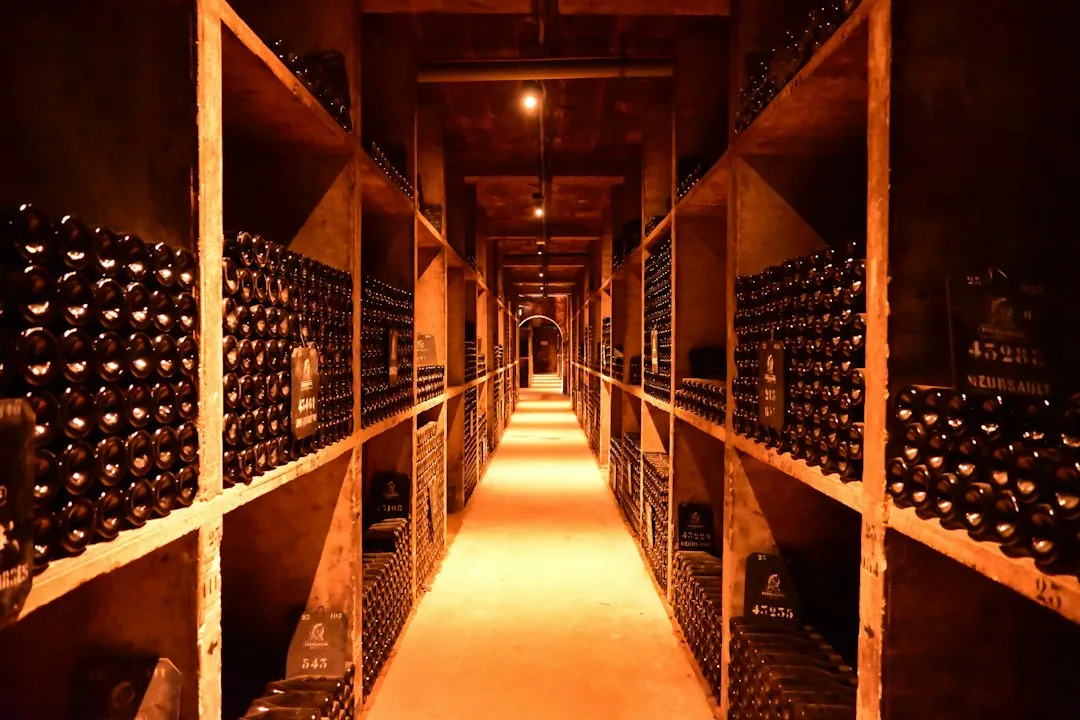
Large wineries typically have set hours for tours and an appointment is usually required, often with a fee attached. Most wineries limit tours to mailing club members and special guests. Understanding this structure before you arrive removes the awkwardness of expecting access that was never on offer.
Confirming appointments in advance, especially with smaller producers where visits are often limited and hosted personally, tends to offer deeper access: quieter cellars, private tastings, and conversations that go well beyond the superficial. The cellar isn’t withheld out of secrecy; it’s simply reserved for those who demonstrate real intent.
Many wineries operate a drop-in cellar door, but appointment-based experiences usually deliver far more personal attention and richer access. Treating the booking process with care sends a signal before you even walk through the door.
The Numbers Behind Cellar Door Culture
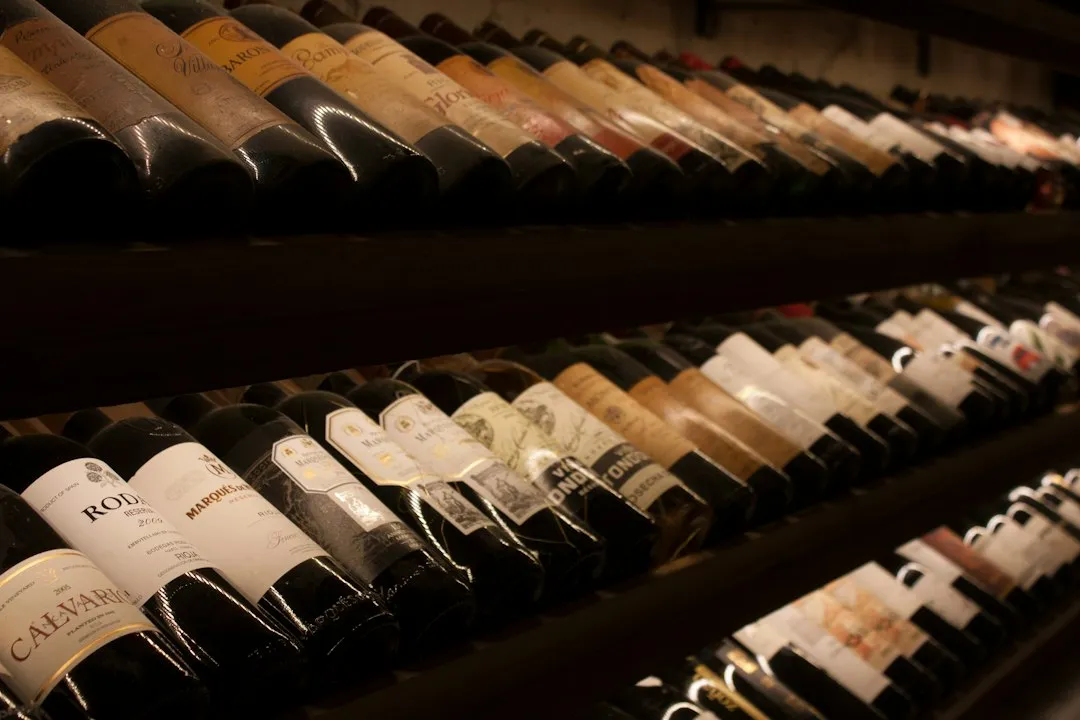
Roughly nine in ten wineries worldwide now offer some form of wine tourism activity, with tastings leading, followed by cellar tours at nearly seven in ten wineries, and vineyard tours at about six in ten. The cellar experience is genuinely available at the majority of properties worldwide, which makes the barrier more about approach than access.
Wine tourism now generates around a quarter of overall winery revenue globally, and two out of three wineries describe it as profitable or very profitable. This gives wineries a real incentive to elevate the guest experience rather than restrict it.
Visitor expectations are shifting toward deeper and more meaningful encounters, reflecting a desire for immersive experiences that connect visitors emotionally with the people and stories behind the winery. The wineries that understand this shift are increasingly willing to open their cellars to guests who match that energy.
Ask About the Terroir, Not Just the Taste
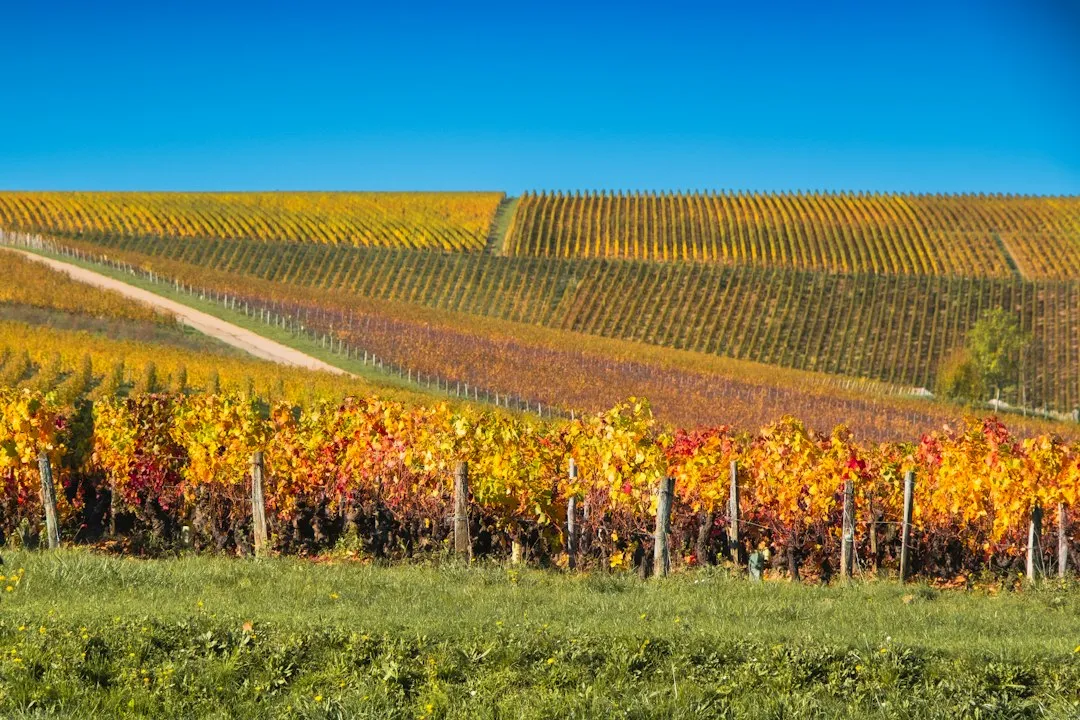
The story of wine often begins in the vineyard. Discovering where the grapes are sourced adds layers to your appreciation of the wine’s flavor and aroma, since terroir plays a significant role in each wine’s unique profile, shaped by soil, climate, and location. Asking a guide about terroir demonstrates that you understand how wine is made, not just how it tastes.
When talking to tasting room staff, asking about the conditions of the growing season can further illuminate the subtleties of the wine. That kind of question opens a dialogue that hosts are genuinely enthusiastic about, and it often pulls the conversation away from the counter and toward the production floor.
Guides who spend their days answering surface-level questions about grape varieties are often visibly energized when someone asks about soil drainage or a difficult harvest year. Those are the moments when the cellar door swings open, sometimes literally.
Being Honest About What You Love (and What You Don’t)
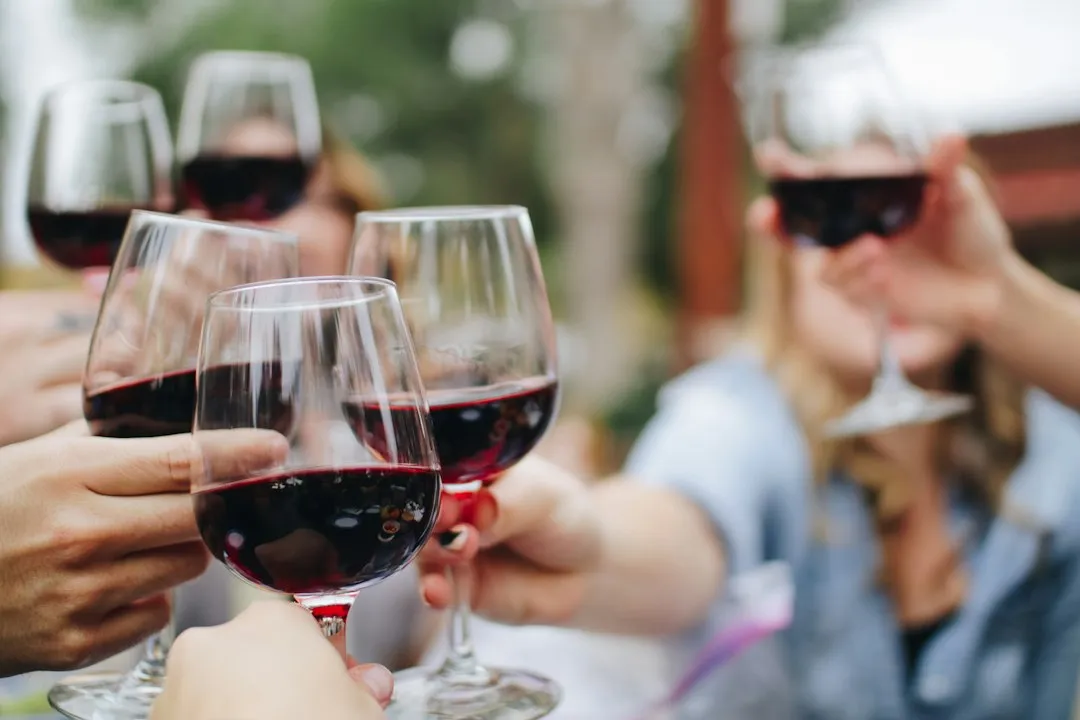
Being honest with your wine steward matters more than most guests realize. When they ask whether you enjoyed a wine, sharing a genuine reaction can influence which bottles come next, or even lead to being able to try something truly special if the steward is so inclined. Authenticity is more disarming than any amount of wine knowledge.
Hosts can tell, within a few minutes, who is genuinely engaged and who is going through the motions. The guests who admit they don’t understand a term, or who say “this isn’t quite what I expected but I’m curious why” tend to earn the most rewarding experiences. It’s an honest signal that you’re there to learn, not just to drink.
Pretending to know more than you do rarely leads anywhere interesting. Wineries have welcomed enthusiastic beginners into their barrel rooms for exactly the opposite reason: genuine enthusiasm is infectious, and guides respond to it generously.
Reserve Tasting Experiences: The Structured Path In
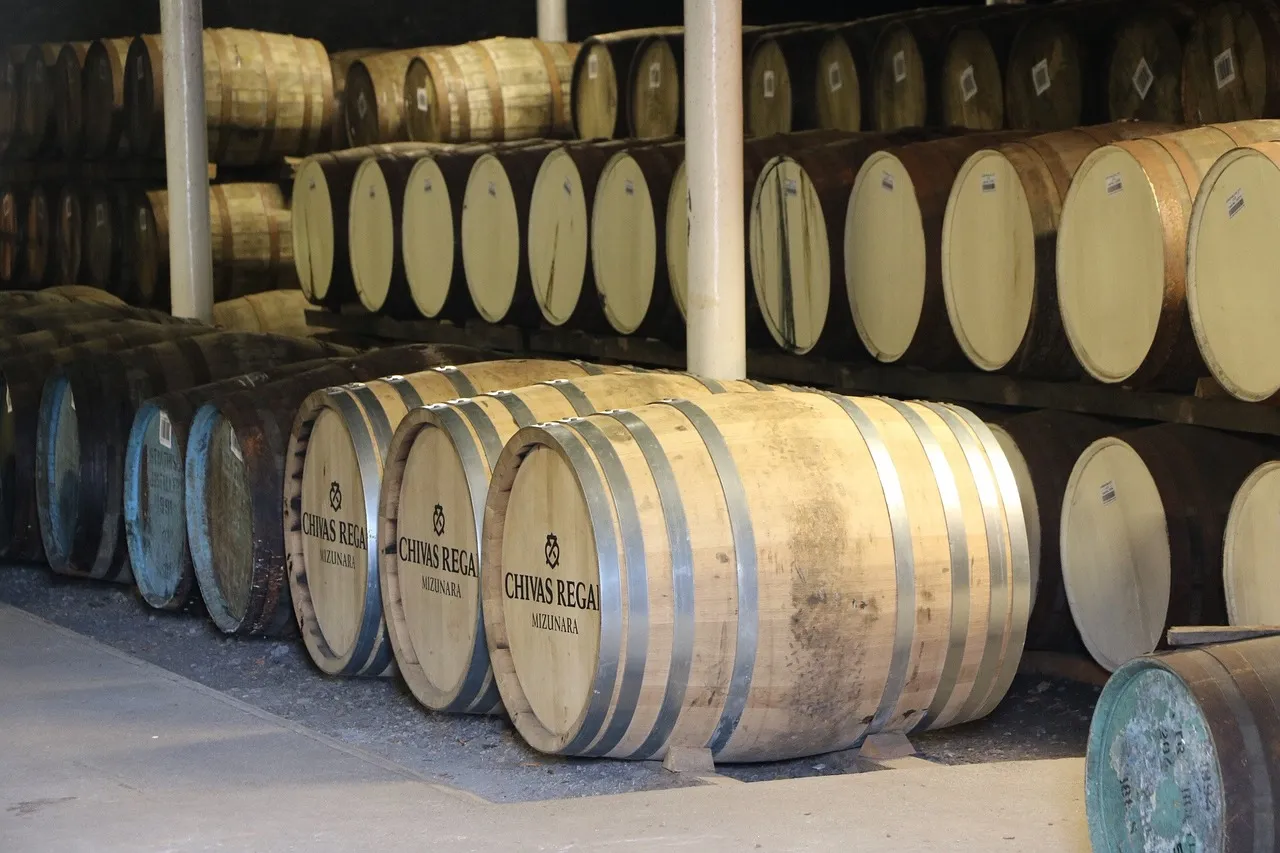
Some wineries offer immersive journeys that take guests through vineyards and cellars, featuring reserve wines and elevated food pairings. Designed for those who appreciate serious wines, these exclusive tours go beyond the tasting room for an intimate, behind-the-scenes look at the winemaking process, including the crush pad and cellar.
Guests on these experiences often taste limited release and reserve wines, including exclusive selections unavailable in any other tasting, each paired with thoughtfully curated food to enhance the wine’s character. Booking this kind of structured experience is the clearest and most reliable path to guaranteed cellar access.
Library wines, experimental lots, and pre-release vintages often appear exclusively in winery tastings, with many wineries reserving their most special bottles for on-site guests and offering rare opportunities to taste directly from barrels. These experiences almost always involve the cellar, by design.
Special Events: When the Cellar Opens to Everyone
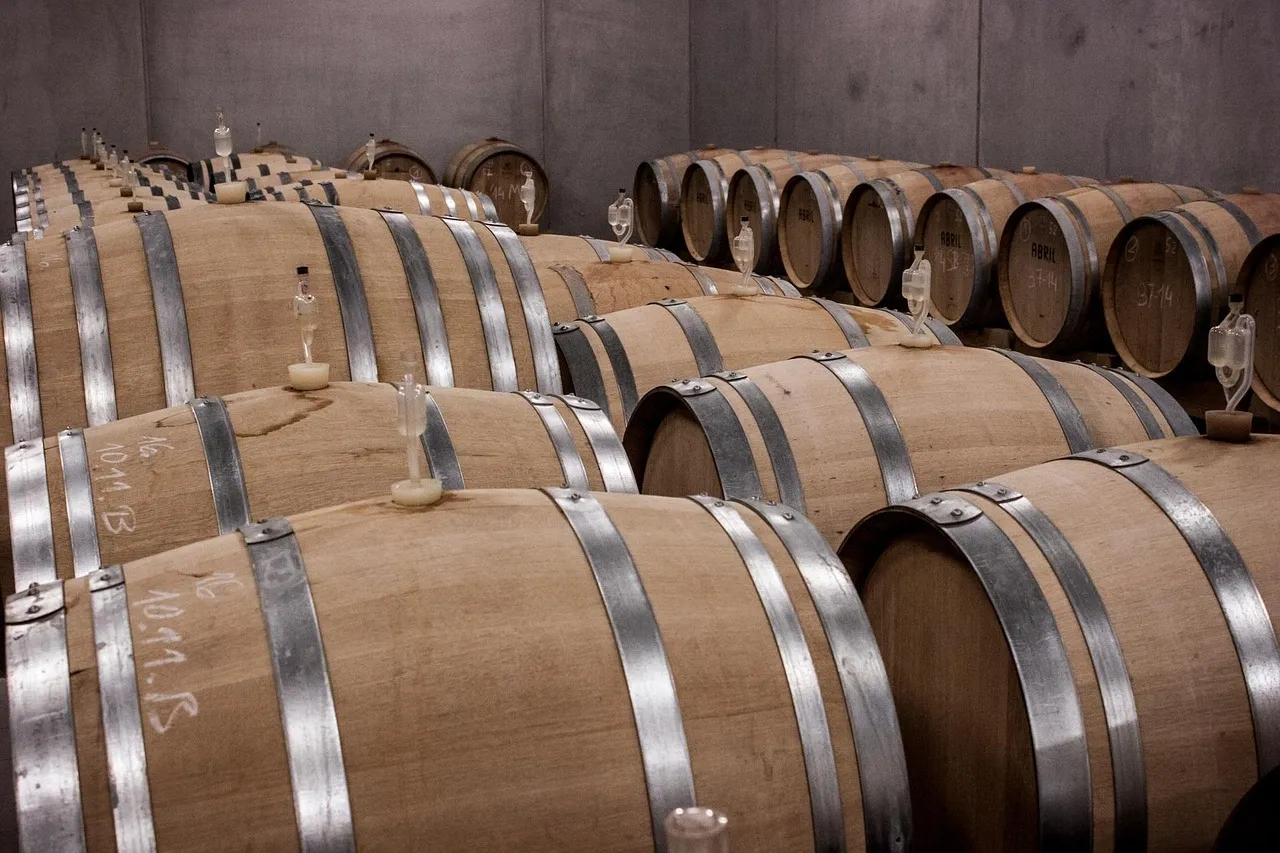
Select wineries periodically invite guests to step behind the cellar door for exclusive access to wine caves, the chance to craft a unique wine blend, and winemaker-led experiences, with some events featuring up to twenty-one wineries opening spaces normally closed to the public.
During these special occasions, guests can taste wines directly from the barrel, try futures, experience rare library wines, step inside production spaces, and connect directly with the winemakers who bring each vintage to life. Tracking these regional events is one of the most underrated strategies for deep winery access.
Many wineries are expanding into food-and-wine pairings, cultural events, and meet-the-winemaker experiences precisely because demand for this kind of depth has grown so sharply. Attending these events places you exactly where the cellar conversation begins naturally.
What to Wear, and Why It Actually Matters
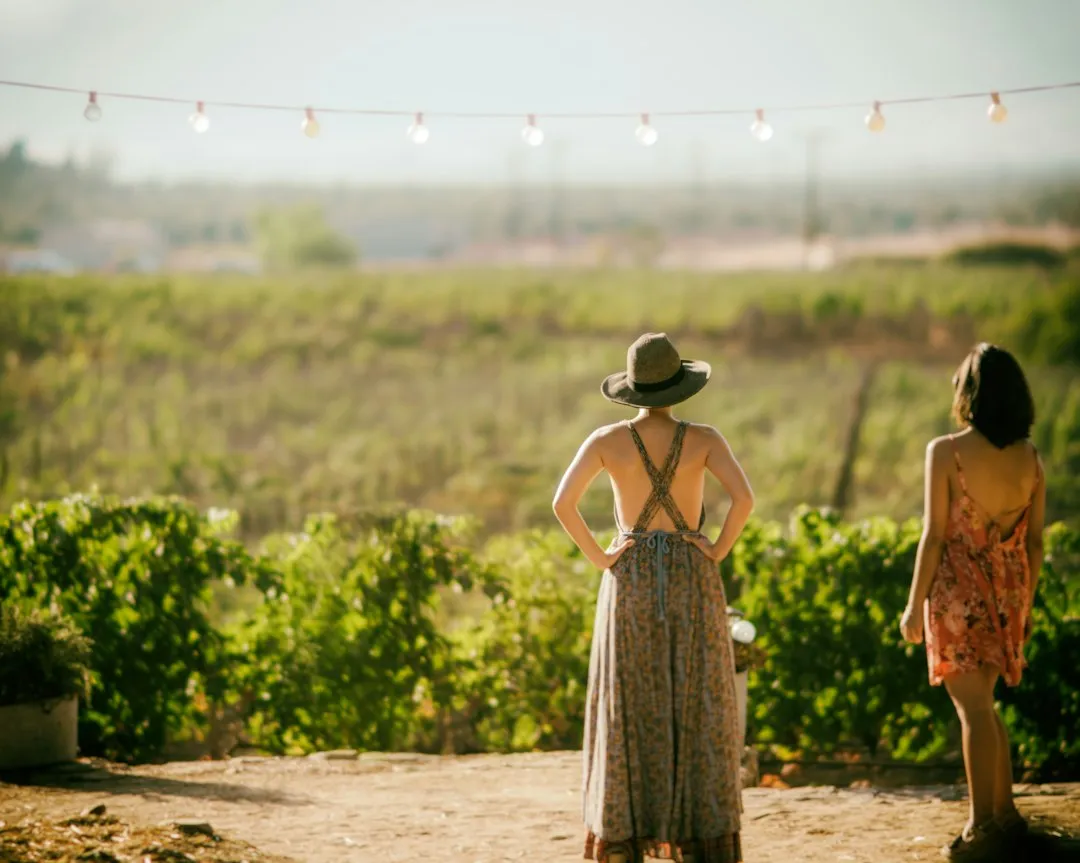
This might sound trivial, but it’s genuinely relevant to cellar access. If you’re going to be doing a tasting in a cellar in Champagne or any traditional barrel room, you’ll want to pack a light jacket or sweater since the temperature can hover around 55 degrees Fahrenheit. Arriving prepared for that environment signals to guides that you’ve done your homework.
Even when it’s warm outside, heading into a cold, temperature-controlled production facility or barrel room during a tour means layers are genuinely needed. A guest who shivers their way through a cellar visit and asks to leave early is rarely invited back to the barrel.
Comfortable, closed-toe shoes are equally important. Vineyard tours often involve gravel, dirt paths, and uneven ground, and the same goes for working cellars. Practical dressing tells a host you’re ready for the real thing, not just the Instagram moment.
Timing Your Visit to Work in Your Favor
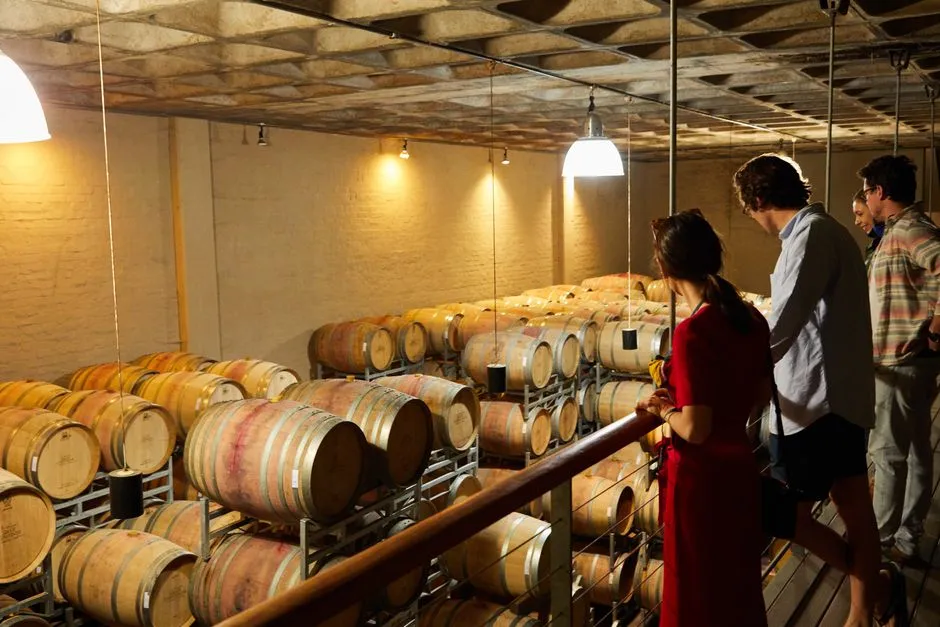
Avoid cramming your day with back-to-back winery visits so you have ample time to enjoy the full tasting experience. Guides can sense when someone is on a checklist mission, and that energy rarely leads to extended conversations or spontaneous cellar invitations.
Booking 48 to 72 hours ahead, especially for weekends and specialty experiences, is a practical step that makes a genuine difference. It gives the winery time to assign the right person and to prepare something more considered than a walk-in pour.
Morning visits also tend to favor deeper access. Guides are fresher, cellars are quieter, and the conversation has room to breathe. By mid-afternoon on a busy weekend, even the most enthusiastic host is managing a full room. Arriving early is a quiet advantage that many visitors simply overlook.
The Role of Younger Travelers in Reshaping Cellar Culture
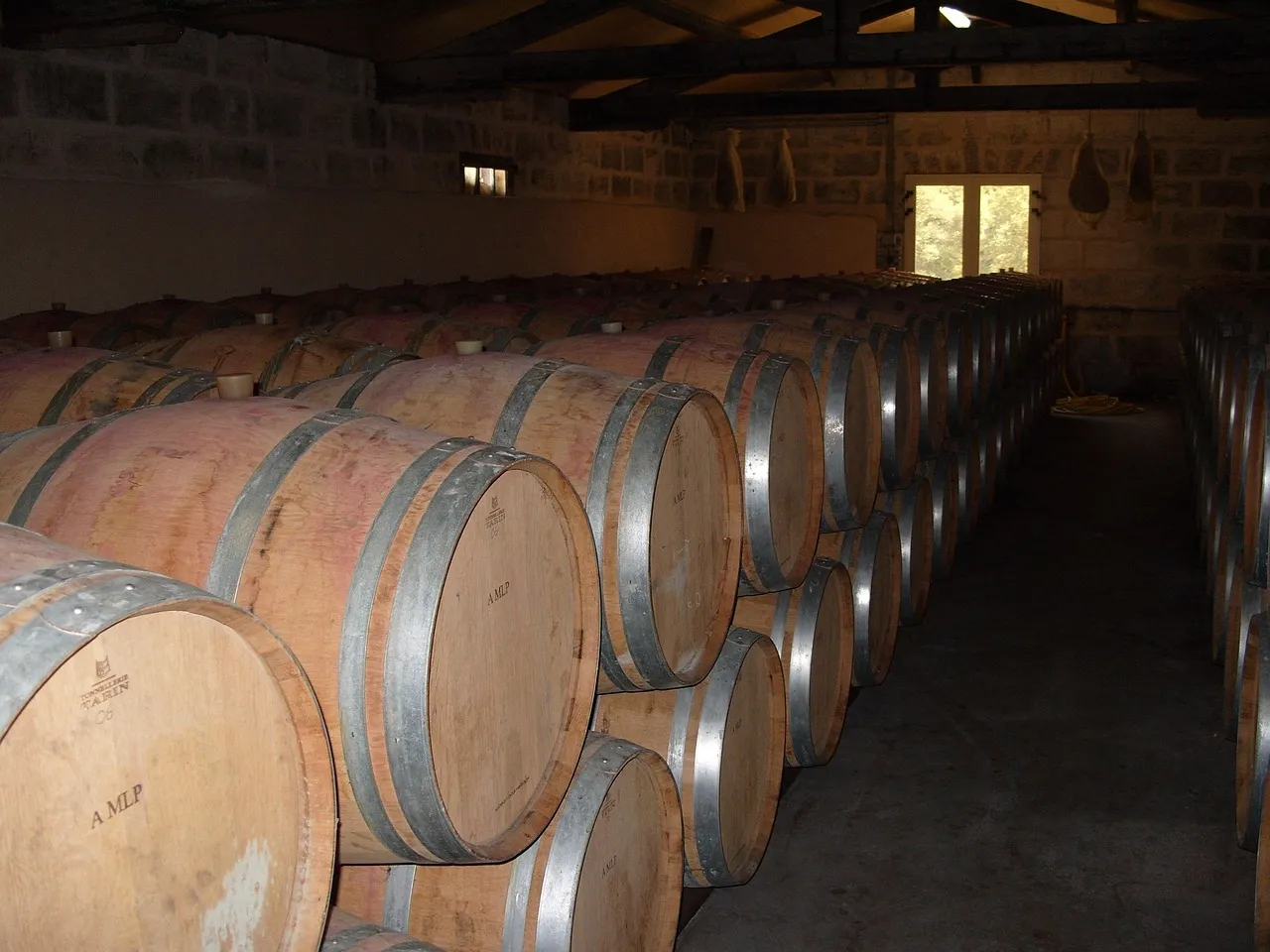
Younger travelers in the 25 to 44 age group are gaining significance in wine tourism, driven by interest in education, sustainability, and gastronomy, and their presence is quietly changing the expectations of what a winery visit can be. They tend to ask more questions, push for more context, and respond enthusiastically to the kind of access older models of wine tourism reserved for collectors.
Smaller wineries that produce fewer than 1,000 cases showed tasting room growth for the third year in a row, entertaining an average of nearly 10,000 tasting room guests in 2024, representing close to half again as many visitors as the previous year. These intimate producers are far more likely to offer spontaneous cellar access to curious, engaged guests.
This growth is driven by tourists seeking immersive and educational experiences, and investment in cellar tours, local varietals, and storytelling has helped wineries differentiate their offerings. The guests who benefit most are exactly those who show up ready to learn and willing to ask.
The Takeaway: One Good Question Is Worth More Than Any App
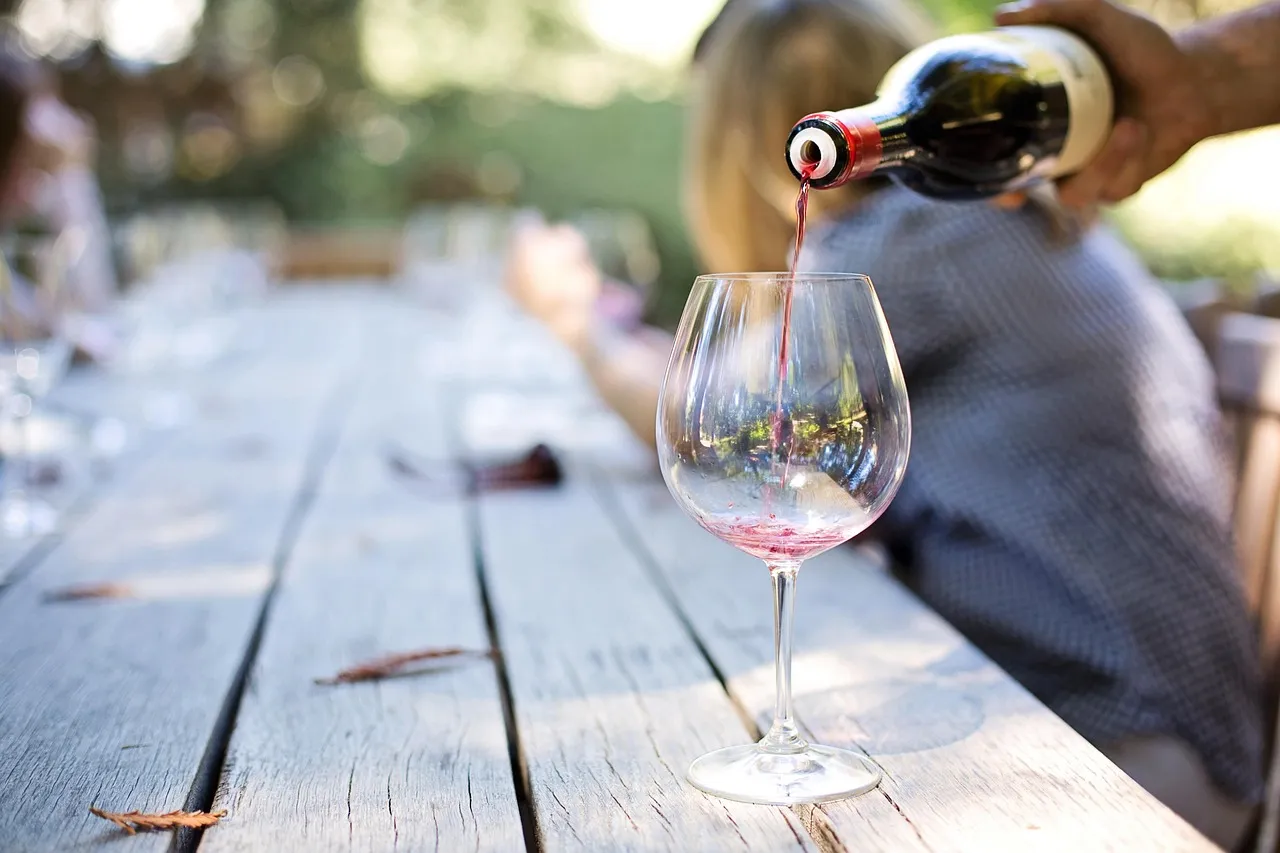
All the booking platforms and wine apps in the world won’t get you into a cellar the way a genuine conversation will. The guests who see the barrel room, who taste the wine that hasn’t been released yet, who end up chatting with the winemaker long after the formal tasting ends, share one common trait: they engaged with real curiosity rather than consuming a checklist experience.
When a journey is thoughtfully approached, tastings become conversations, cellar doors open more easily, and regions unfold with context rather than noise. That applies equally whether you’re visiting a storied Bordeaux estate or a small family producer in a region you’ve never heard of.
The question that gets you into the cellar isn’t a trick or a code. It’s whatever honest, specific, curious thing you genuinely want to know about the wine in your glass. Ask that, and the door tends to find a way to open.
AI Disclaimer: This article was created with the assistance of AI tools and reviewed by a human editor.