
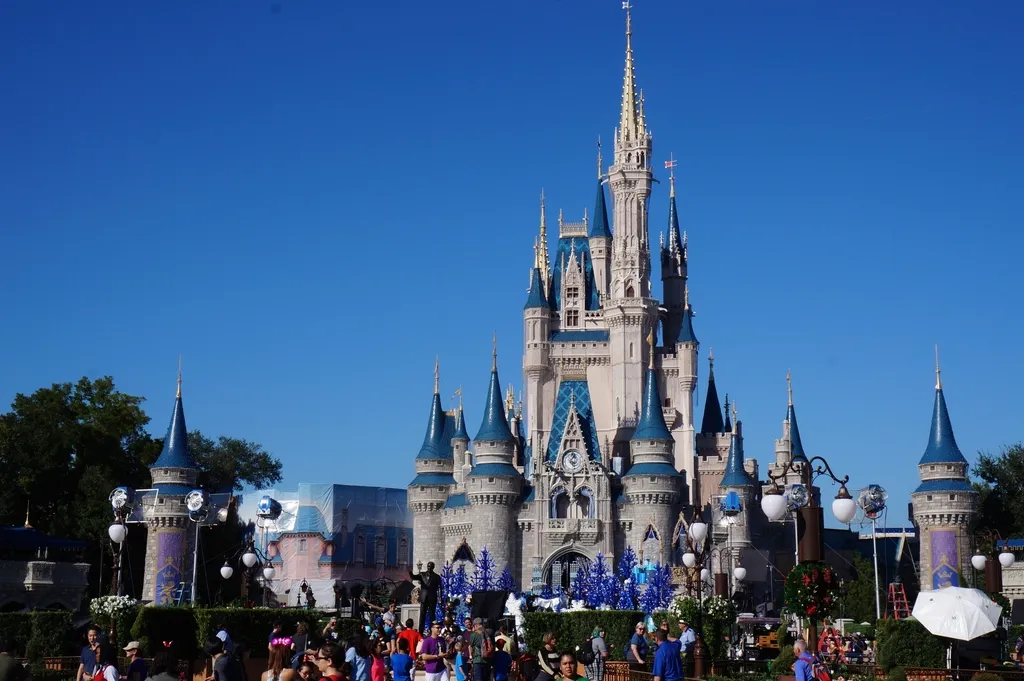

Disney World remains one of the most visited theme park resorts on the planet, drawing tens of millions of families every year. The magic is real – but so are the costs. When you combine tickets, hotels, Lightning Lane access, and food, the total cost of a typical Disney World vacation has quietly climbed by around 15% compared to just a year or two ago, and 2026 isn’t defined by one major price hike but rather several smaller ones hitting all at once.
The parks themselves are worth visiting. The question is what you’re paying for once you’re inside. Several widely marketed add-ons and services are genuinely expensive without delivering proportionate value, and knowing which ones to skip can save a family of four hundreds of dollars on a single trip.
1. Lightning Lane Multi Pass: The Line-Skip That’s Quietly Become a Budget Wrecker
What used to be a free FastPass system is now a paid add-on that families feel pressured to buy the moment they walk through the gates. In July 2024, Disney Genie+ was rebranded and restructured as Lightning Lane Multi Pass. The cost isn’t trivial.
The price per person has varied from $27 to $39 since the switch to Multi Pass pricing in July 2024. For a family of four, that’s easily between $108 and $156 per day, on top of already expensive admission tickets.
As of November 2025, higher peak prices are more common, and the lowest prices have essentially vanished. You can expect to pay prices closer to the highs on most dates in 2026, and if you’re visiting during school breaks and holidays, expect to pay the maximum. The smarter move for many families is to arrive at rope drop, stay late, and be strategic about which attractions to prioritize without paying the surcharge at all.
2. Lightning Lane Single Pass: Paying Extra on Top of Extra
If buying Lightning Lane Multi Pass feels steep, Lightning Lane Single Pass is a whole other layer of cost stacked on top. These are individual per-ride, per-person charges for the park’s most in-demand attractions, sold separately even if you’ve already purchased Multi Pass.
The cost of Lightning Lane Single Pass varies by ride, day, and Disney’s own algorithm, which makes it genuinely difficult for budget-conscious visitors to plan around. In late 2025, Lightning Lane Single Pass prices increased further.
Lightning Lane Single Pass has been selling out regardless of price, so Disney has little incentive to charge less. For a family paying peak-season rates on multiple Single Pass tickets per day, costs can spiral quickly. Consider whether a slightly longer standby wait is really worth that much extra per person, especially for attractions with more moderate wait times.
3. Lightning Lane Premier Pass: The Most Expensive Line-Skip of All
At the top of the tier structure sits Lightning Lane Premier Pass, marketed as the ultimate convenience upgrade for guests who want one-time access to every Lightning Lane in the park with no scheduling restrictions. The price point is staggering.
Premier Passes range in price from $129 to $449 per pass per park at Walt Disney World. Notably, Premier Passes are only available to guests staying at Disney hotels or other select hotels. That access restriction alone should raise eyebrows.
Analysts estimated Disney could add $220 million to $230 million in revenue from Premier Pass sales in 2025 alone. That tells you something important: this product is engineered primarily to be a revenue driver, not necessarily a guest value proposition. Unless you’re visiting during peak holiday crowds and money is genuinely not a concern, this one is easy to skip.
4. On-Site Hotel Rates That Sound Magical Until You See the Bill
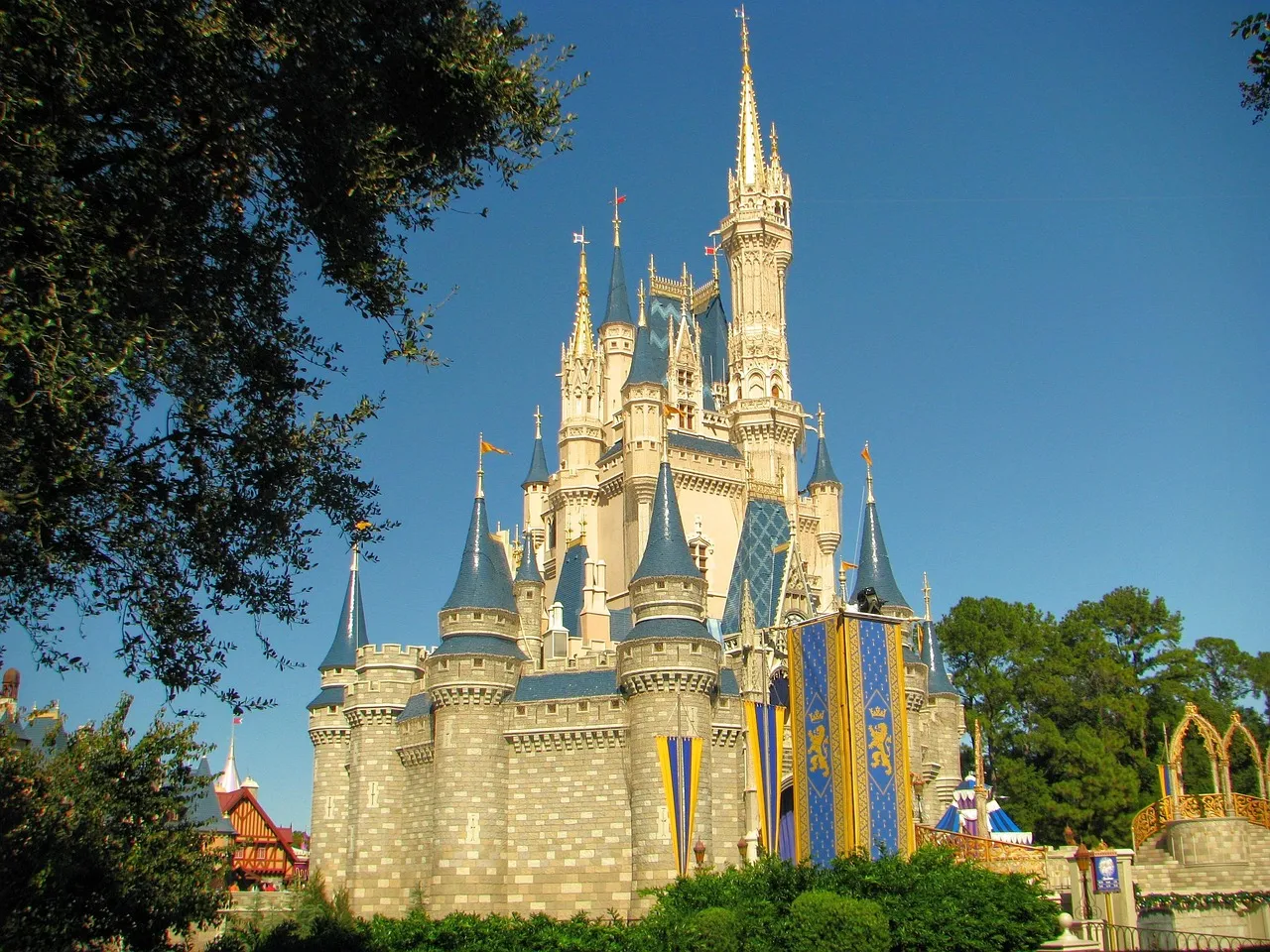
Disney resort hotels are beautifully themed and undeniably convenient. They also come with prices that have risen sharply heading into 2026. Across the board, Disney resort rates have climbed in 2026, and even value resorts are noticeably more expensive than they were just a year ago, with taxes pushing typical stays roughly $150 higher compared to similar dates in 2025.
The tax-included average across all resort categories now sits at around $1,515 per night, up roughly $152 from previous averages – the kind of increase that can add $700 to $800 to a five-night vacation without changing anything else about your trip.
That said, the math isn’t always simple. Off-site rooms always look cheaper on booking platforms at first glance, but once you stack parking fees, rental cars, and resort fees, that price gap shrinks fast, and when comparing a Disney Value Resort to a moderate off-site hotel, the Disney resort often wins on total price once transportation and parking are factored in. Run the full numbers before assuming an off-site option is the obvious choice.
5. Memory Maker Photo Package: A Genuine Maybe, Not a Must-Have

Disney’s Memory Maker photo package is heavily promoted at the parks and online, positioned as an essential souvenir of the trip. The pricing, however, has steadily climbed. The advance purchase option currently costs $185, while buying it during or after your vacation bumps the price to $210.
The break-even math works out to roughly 11 individual photo purchases at $16.95 each, which means Memory Maker pays for itself at just 11 downloads. For larger families doing multiple character meets and riding several attractions over many days, it can genuinely offer value.
The honest reality is that it depends almost entirely on how you visit. Only you know the value you personally place on photos of your trip, and budget and frequency of visits both factor into the decision. Families on a one-day visit, or those who rarely stop for photographers, are likely to walk away having paid $185 for a handful of images they could have captured on their own phone.
6. Park Hopper Add-On During Busy Season
The Park Hopper ticket upgrade lets you visit multiple parks in a single day, and Disney markets it well. In practice, though, the value depends heavily on timing. During peak season, crowds at the second park are often just as dense as the first, meaning you’re paying for the privilege of waiting in more lines at a different location.
For the first ten months of 2026, the cheapest single-day tickets at the cheapest park start at $119, while the most expensive days at Magic Kingdom reach $199, with most days falling in the $145 to $175 range without park hopping. Adding Park Hopper to that base price increases the total admission cost further per person.
Unless you have a very specific plan for what you want to experience at a second park, and ideally an early arrival time to maximize it, the Park Hopper during peak seasons can become an expensive impulse decision made in the excitement of planning. On lower-crowd days, when spontaneous movement between parks is actually enjoyable, it makes far more sense.
7. Character Dining at Premium Prices

Character dining experiences, where costumed Disney characters visit your table while you eat, are a staple of the Disney World itinerary for families with young children. The problem is that the food quality often doesn’t match the price tag. Restaurant and merchandise prices have continued to increase, unabated, since 2022.
Late 2025 saw some of the most widespread dining price adjustments in recent memory, with snacks and beverages – including pretzels, Dole Whips, popcorn, and bottled water – all creeping upward by small but cumulative amounts that add up fast over a week-long trip.
The character interaction itself is genuinely memorable for kids, and that part has real value. The meal attached to it, though, is often standard buffet or prix-fixe fare at table-service prices well above comparable food outside the parks. If characters are the priority, look for free character greetings in the parks themselves rather than building the entire dining budget around paid character meals.
8. Overpriced Snacks and In-Park Food Without a Plan
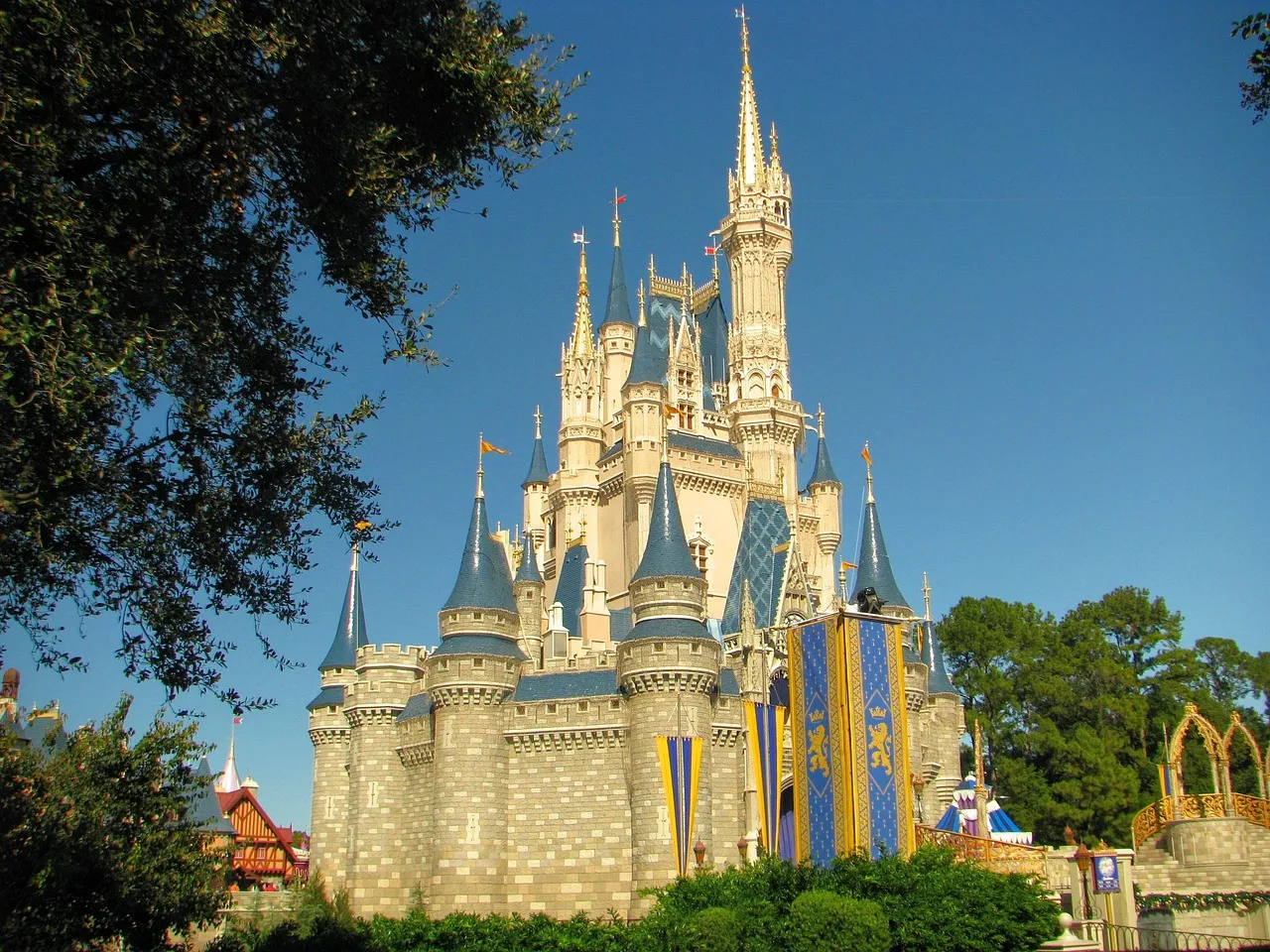
Walking into Disney World hungry and without a food strategy is one of the fastest ways to blow a budget. Snacks that used to feel like easy add-ons are now noticeably more expensive, and while an extra dollar or two on a pretzel or popcorn bucket doesn’t sound dramatic, over the course of a full vacation it accumulates rapidly.
Disney World food prices have risen roughly 18% in the last five years, even as nationwide food costs jumped about 30% during that same period. So Disney’s food pricing, while high, has at least stayed somewhat below general food inflation. It still doesn’t make a $7 bottle of water feel reasonable.
The most effective countermeasure is simple: bring your own snacks and a refillable water bottle into the parks. Disney permits outside food for personal consumption with very few restrictions. A morning spent fueling up at a grocery store before the park opens can reduce mid-day food spending by a meaningful amount without sacrificing any ride time.
9. Parking Fees That Surprise First-Time Visitors
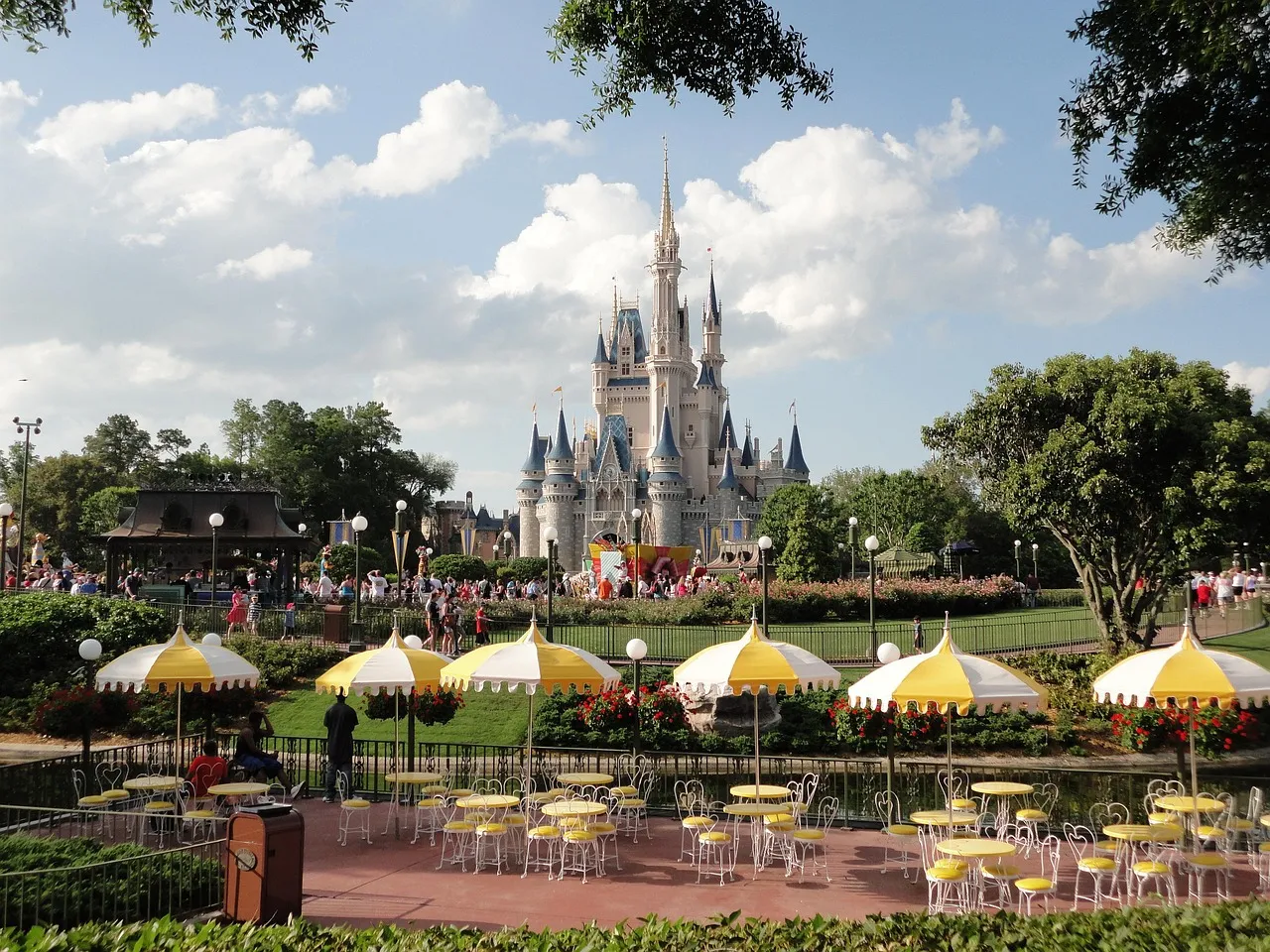
If you’re driving to Disney World and staying off-site, parking fees are one of the most consistently overlooked expenses in trip planning. As of late 2025, standard daily parking costs $35 per vehicle, while preferred parking ranges from $50 to $60 depending on the season.
Parking fees increased since the prior year, with standard parking jumping from $30 to $35 per day. Over a five-day trip with daily driving, that’s a significant line item that many visitors simply don’t see coming when budgeting based on ticket prices alone.
Disney Resort hotel guests do receive complimentary parking at the theme parks, which represents a savings of up to $60 per day for a family visiting multiple days – a perk that can actually make staying on property more cost-effective than it initially appears. If you’re weighing off-site savings against on-site costs, factor parking into the full calculation.
10. Impulse Merchandise Inside the Parks
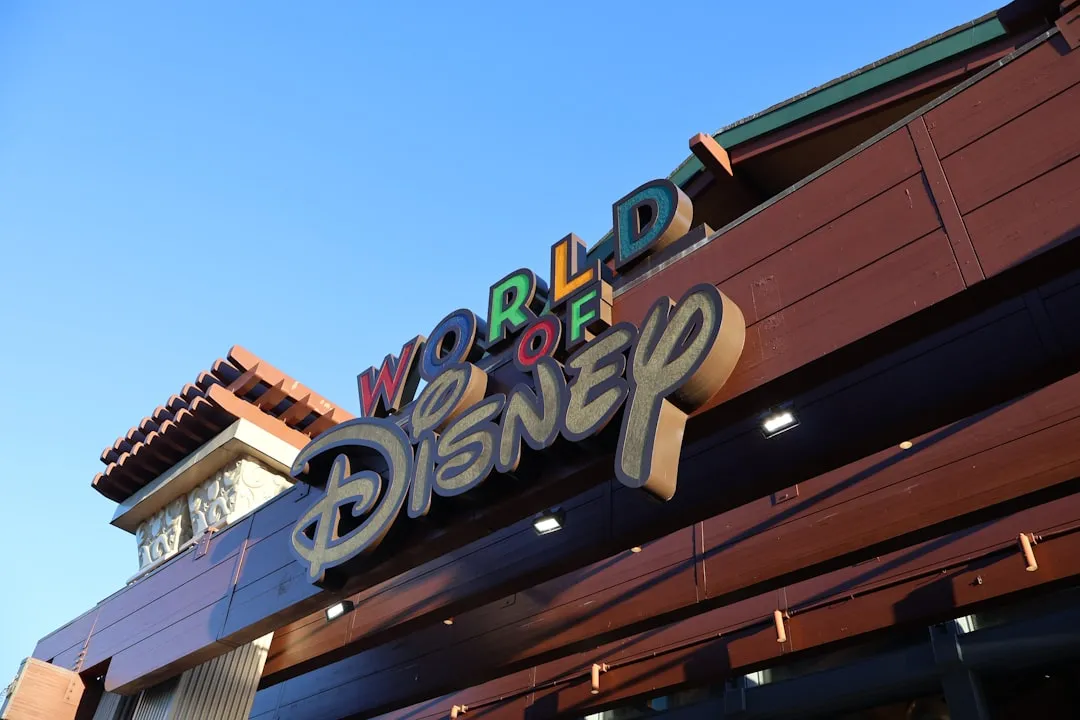
Disney merchandise is everywhere inside the parks, and it’s designed to be irresistible, especially for children who’ve just met their favorite character. The pricing, though, is calibrated to the captive audience. Hotel rates, merchandise, and food have all gone up, and it isn’t one area driving the change – it’s everything at once.
One practical tip from Disney planning resources is to use the Merchandise Mobile Check-Out feature in the My Disney Experience app, which lets you scan barcodes and check prices before you commit to a purchase, since Disney doesn’t always include price tags on merchandise items.
The more effective strategy is setting a per-person merchandise budget before arriving and sticking to it. Many Disney-branded items, from plush toys to apparel to ornaments, are also available through Disney’s official online store at the same or lower prices after the trip, meaning the impulse buy inside the park often costs more than a considered purchase made later. Deciding what truly matters beforehand removes the pressure of in-park temptation entirely.
The Bottom Line: Disney Is Worth It. Everything Else Is Negotiable.
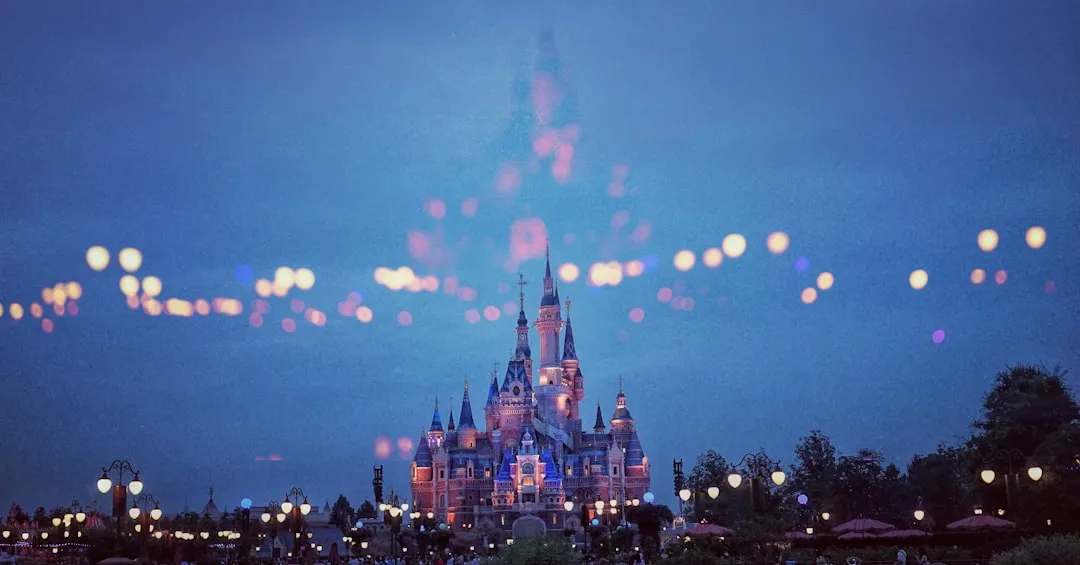
Disney World itself, the rides, the atmosphere, the storytelling, the cast members, is a genuinely extraordinary place. The problems arise from the expanding ecosystem of paid add-ons, premium tiers, and optional extras that have multiplied dramatically over the past few years. Disney has long been known for testing the elasticity of guest spending, measuring how much fans are willing to pay before they push back.
The periods that typically carry the lowest prices for hotels, tickets, and Lightning Lanes are late January, early February, early May, late August, and September, and avoiding major holidays, holiday weekends, and common vacation seasons like Spring Break and summer can make a significant difference.
The families who get the most out of Disney World are usually not the ones who buy every upgrade. They’re the ones who planned carefully, made deliberate choices, and spent their money where it genuinely added to the experience. The pixie dust costs the same whether you’re standing in a standby line or a Lightning Lane.
AI Disclaimer: This article was created with the assistance of AI tools and reviewed by a human editor.