
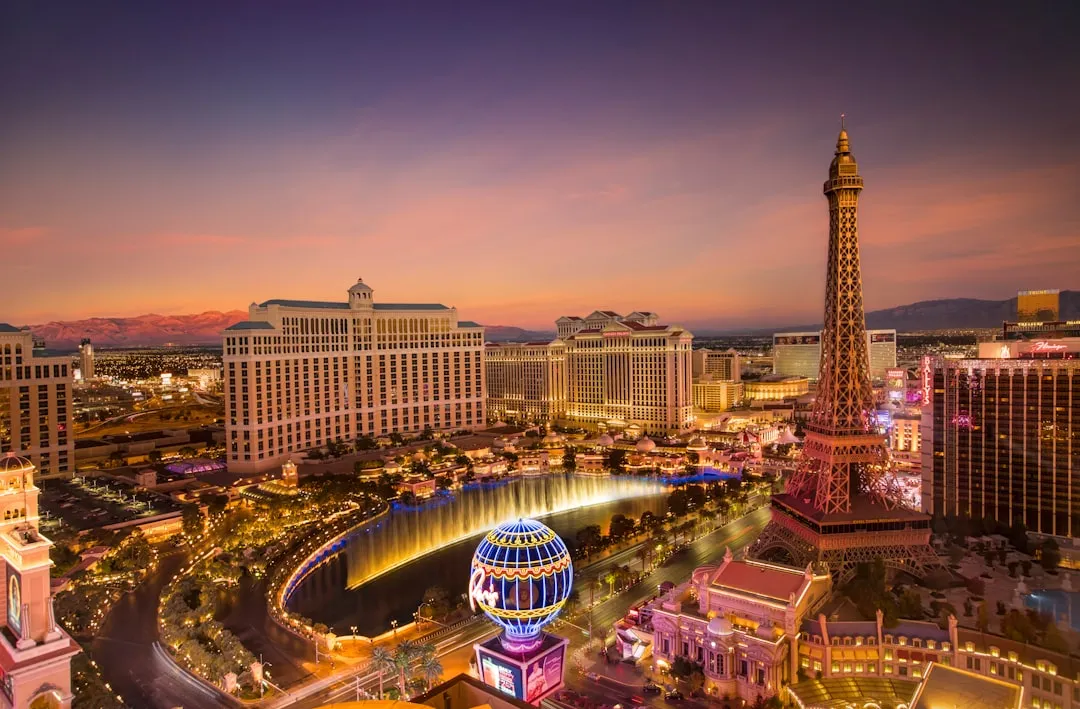

Las Vegas has always been a city built on spectacle. The lights, the noise, the promise of a good time around every corner – it works. Las Vegas attracts more than 40 million visitors a year, but not all of them leave with the experience they expected. Many arrive with a rough budget in mind and leave wondering where it all went.
The truth is, the city has gotten significantly more expensive in recent years, and some of that cost comes from places visitors simply don’t anticipate. Knowing which traps to sidestep before you land could save you a few hundred dollars and a lot of frustration.
The Hidden Hotel Resort Fee You Never Agreed To Out Loud

What travelers often don’t realize until check-out is the “resort fee” – a mandatory add-on that can turn advertised deals into sticker shock. These aren’t optional charges you can wave off at the desk. Resort fees are mandatory charges that you must pay regardless of whether you use the included amenities. They are charged per room, per night.
In 2026, Nevada hotel resort fees at lots of Strip hotels run about $40 to $55 per night before tax. Once the usual 13.38% tax hits, that’s roughly $45 to $62 per night. Multiply that across a three-night stay and you’re looking at a quietly added bill of well over $150 on top of whatever rate you booked.
Several luxury properties now charge $55 per night before tax, including ARIA, Bellagio, Caesars Palace, Wynn, Encore, Venetian, Palazzo, Fontainebleau, and Waldorf Astoria. The smarter move is to look beyond the Strip. A growing number of Las Vegas hotels charge zero resort fees, including Best Western Plus Casino Royale on the Strip, Marriott’s Grand Chateau, Wyndham Desert Blue, and Hampton Inn and Suites Las Vegas Convention Center. Many no-fee properties sit off-Strip or in the Downtown area, where hotels traditionally compete on value rather than amenity markups.
Strip Parking Charges That Add Up Faster Than the Gambling
Parking is another added expense, as several major resorts have transitioned away from free parking. Daily parking rates for both hotel guests and visitors can add to overall trip costs. This catches a lot of road-trippers off guard, especially those who drove in expecting parking to be a non-issue at a place they’re spending money to stay.
Today, nearly every property on the Strip charges for parking, with daily rates often $20 or more. At Caesars Entertainment properties specifically, self-parking for non-hotel guests runs $18 for one to three hours and $23 for three to twenty-four hours. Valet adds another layer on top of that.
There are a handful of exceptions worth knowing about. Free self-parking is a rare perk on the Strip in 2025. Resorts World joins Treasure Island, Sahara, Circus Circus, and Casino Royale as the only Strip casino properties with free parking for all. If you’re driving in, routing your stay around one of these properties alone can save you real money.
The “Free Photo” Hustle on the Strip
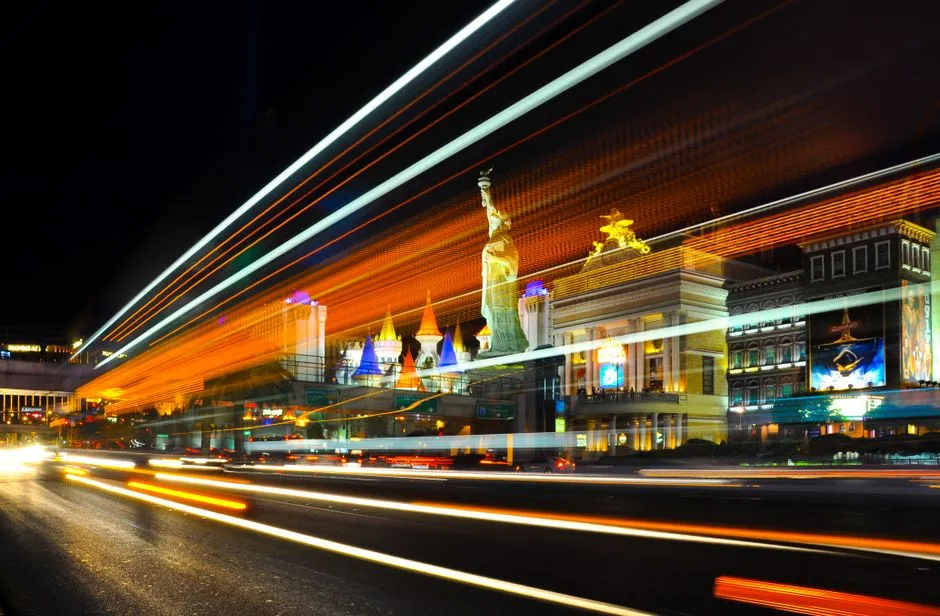
Showgirls, superheroes, and mascot characters positioned along the Las Vegas Strip pose for photos with tourists and then demand $20 to $50 per person afterward – never disclosing a price upfront. The lack of any price disclosure before the photo is taken is the core of how this works. Once the shot is taken, many visitors feel trapped.
Some performers work in pairs to physically surround tourists, and a number of incidents involve performers grabbing a tourist’s phone and refusing to return it until paid. The behavior is especially aggressive between Planet Hollywood and The LINQ. It’s one of the most consistently reported irritants for first-time visitors to the city.
Performers expect a tip for photos taken with them, but they’re not legally allowed to set a price. You’re free to tip what you want, though the performer will often ask for an astronomical amount, like $50 per person. If you do want a photo, the practical advice is simple: generally, five to ten dollars total – not per person – for a picture is sufficient, and always discuss compensation before striking a pose. Lead with something like “I only have a ten – will that be enough?”
Hotel Minibars and In-Room Convenience Store Pricing

That bottle of water in your room’s minibar might cost $12 – and you could be charged even if you don’t drink it. Many hotels now use sensor-equipped minibars that automatically bill your account the moment an item is moved. This one is especially jarring because the charge happens without any deliberate act of purchase on your part.
Hotel lobby convenience stores look harmless, but they’re one of the most consistent money drains in Las Vegas. Many don’t display prices on shelves, so you only find out the cost when the cashier rings up your purchase. The numbers can be startling. Vegas visitors face $25 cocktails, $100 buffets, high resort fees, and price-gouging in-room charges, like $26 bottles of water and $10 travel-size toothpaste in hotel shops.
The fix is genuinely easy. Shop at CVS, Walgreens, or ABC Stores located right on the Strip, where you’ll find the same items at normal retail prices. Stocking up on water, snacks, and basic toiletries before you head back to your room each night is one of the highest-return habits you can build on a Vegas trip.
Overpriced Strip Dining When Off-Strip Options Are Better
Strip properties command premium pricing, with casual lunches averaging $100 for two and fine dining dinners consistently exceeding $300 without wine, while off-Strip venues offer substantially lower pricing. The gap between what you pay on the Strip and what you’d pay a few blocks away for the same quality of food is genuinely significant.
Strip and downtown Las Vegas dining costs show substantial differences, with off-Strip establishments offering significantly more accessible pricing. Many on-Strip fine-dining venues and celebrity chef restaurants produce per-person checks in triple digits, while neighborhood gems provide exceptional value.
Timing also matters if you’re committed to eating on the Strip. The best times to find fine dining discounts in Las Vegas are during Restaurant Week, happy hours, and lunch service periods. Typical happy hours run about 3pm to 6pm and include notable discounts, such as seafood towers discounted from $85 to $40 during happy hour at certain casino steakhouses. Going for the lunch service at a celebrity chef spot instead of dinner can cut your bill dramatically while offering the same kitchen and the same room.
Casino ATMs That Quietly Drain Your Budget
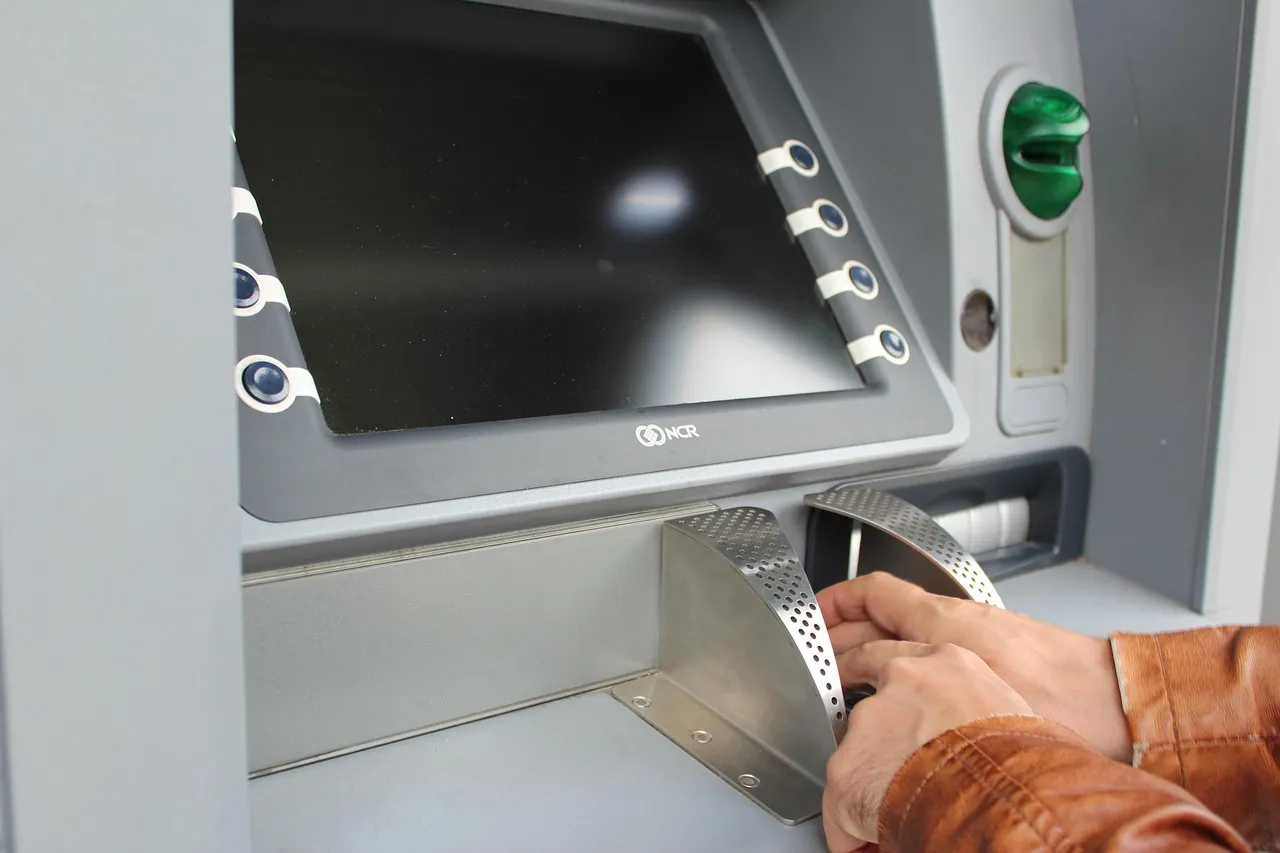
Convenience comes at a cost in Las Vegas, especially when it comes to withdrawing cash. ATMs inside casinos, clubs, and Strip locations routinely charge $6 to $12 per transaction. Visitors making multiple small withdrawals quickly see fees pile up, sometimes costing more than a meal.
For international visitors, the situation gets worse. For international visitors unfamiliar with U.S. tipping norms, this can be especially confusing and costly. On top of ATM fees, dynamic currency conversion at the point of withdrawal often adds another layer of cost that most people miss entirely.
The workaround is to plan ahead. Withdraw larger amounts less often, bring cash with you, or seek out bank-affiliated ATMs off the Strip where fees are much lower. It takes a little planning, but the savings over a multi-night trip are real and easy to pocket.
Timeshare Pitches Dressed Up as Freebies

Booths on the Strip and in hotel lobbies offer free show tickets, meals, or casino credits in exchange for attending a “90-minute” timeshare presentation. The free gift is real. The ninety-minute part is not. The presentations run four to six hours with high-pressure sales tactics making it very difficult to leave.
Most timeshares use high-pressure sales tactics, so go prepared to endure all sorts of mental anguish. Touts need to qualify you to get their fees for referring you – so be prepared for questions like “How long are you in Las Vegas for?”, “Are you married?”, “Are you on honeymoon?” These questions aren’t small talk. They’re screening criteria.
The value equation rarely makes sense when you do the math. You’re trading half a vacation day for a gift that a discount booking site would happily beat in price. Timeshare representatives lure tourists with free gifts, show tickets, or meals in exchange for attending a presentation. While these offers are most likely real, the presentations can be high-pressure and lengthy, often lasting several hours. The goal is to sell you a timeshare. The sales tactics can be very aggressive, and the deals often aren’t as good as they seem.
Inflated Taxi and Cab Routes From the Airport
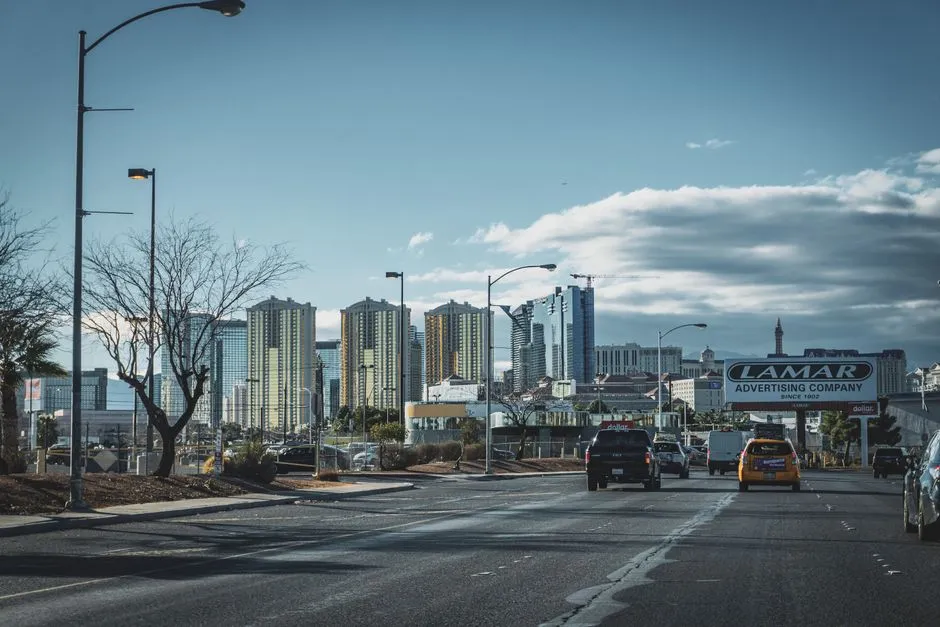
One of the oldest Las Vegas scams is the “long haul,” where cab drivers take tourists on unnecessarily long routes to inflate fares. The airport-to-Strip ride is the most common target: instead of taking the short route via Paradise Road or Swenson Street, some drivers will head onto the highway and circle around, turning a $20 to $25 trip into $40 or more.
Some taxi drivers at Harry Reid International Airport take tourists on longer freeway routes to the Strip instead of the faster tunnel route, adding $15 to $20 to the fare unnecessarily. Drivers primarily target first-time visitors who do not know the geography.
Rideshare apps like Uber and Lyft largely solve this problem since the route is tracked in real time and visible on your screen. Still, rideshare drivers sometimes pull similar tricks, or they recommend restaurants, clubs, or strip clubs where they get kickbacks for dropping off passengers. Knowing the basic airport-to-Strip route before you land takes about thirty seconds and can save you from being an easy mark.
The Pressure-Tipping Spiral at POS Terminals
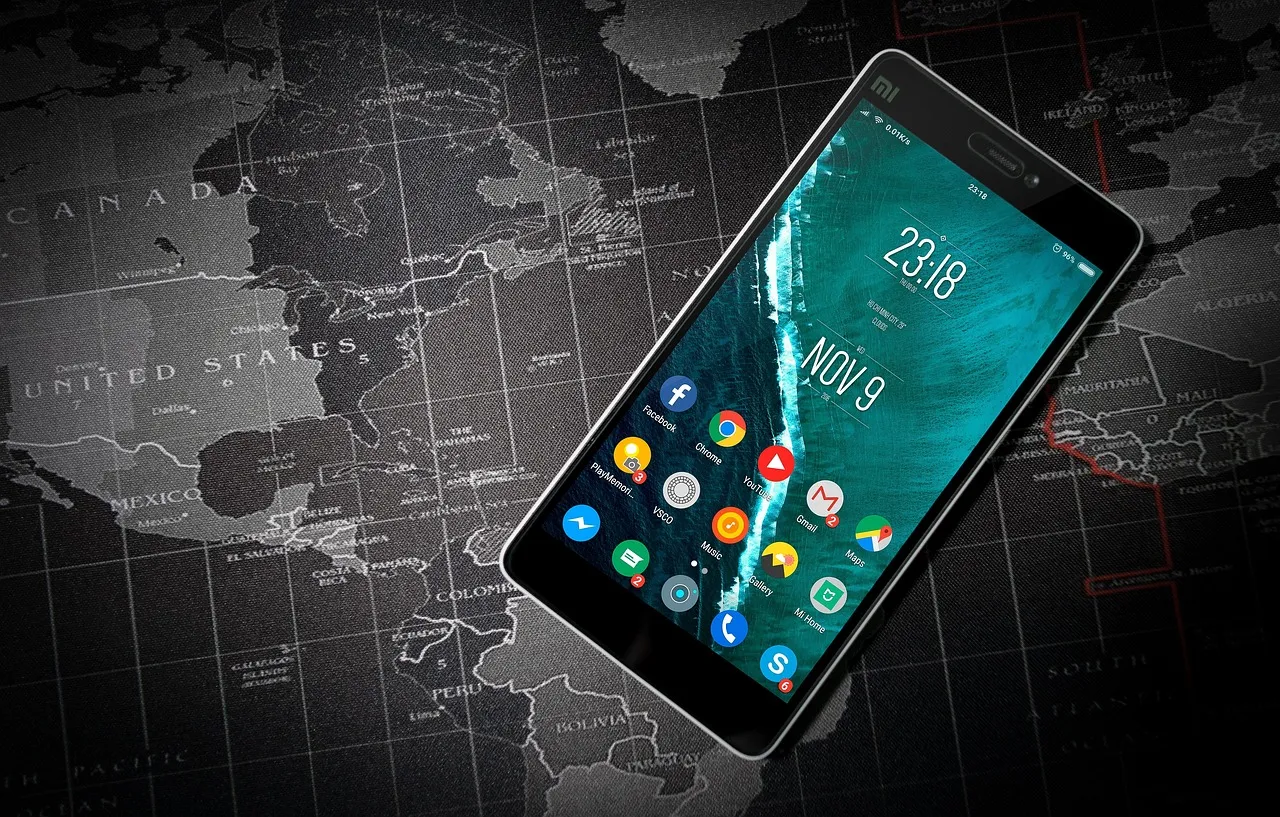
In Las Vegas, tipping is customary, but some businesses take advantage of visitors by programming point-of-sale systems to prompt for tips on even the simplest purchases like bottled water. The screens often default to high percentages, making tourists feel pressured into paying gratuities that aren’t expected in similar situations elsewhere.
Additional costs may include early check-in or late check-out fees, along with gratuities and service charges at restaurants, dayclubs, and nightlife venues. When you stack automatic service charges on top of aggressive tipping prompts, it’s possible to pay a tip on a tip without fully realizing it. This is especially common at nightclub and dayclub bars.
The practical counter is simply to review every payment screen before you tap or insert. Review the payment screen carefully and adjust tips based on the service received; don’t feel obligated to tip for counter service or basic retail. Tipping well for genuine service is a normal part of Vegas culture. Tipping because a screen defaulted to twenty-two percent on a bottle of water is something else entirely.
Vegas Is Still Worth It – If You Know Where the Traps Are
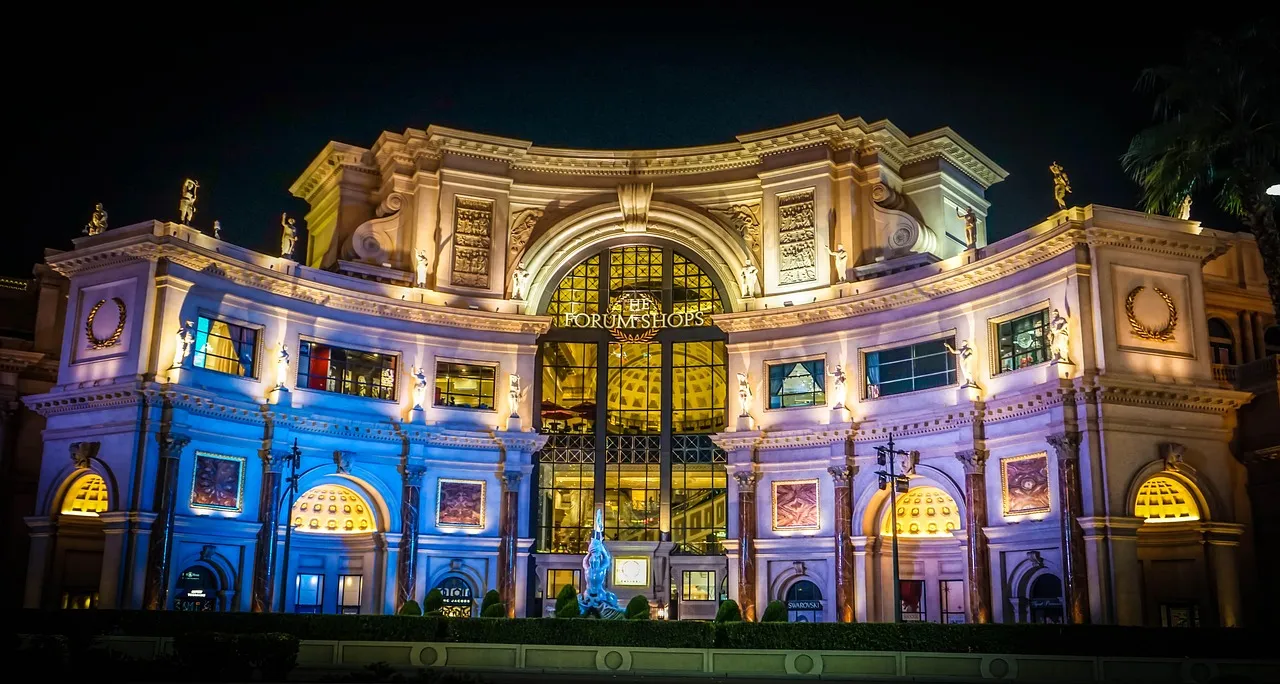
Las Vegas hasn’t lost its appeal. The shows, the food when you find the right spots, the sheer visual spectacle of the place – none of that has gone away. What has changed is the pricing environment. Las Vegas Strip resorts, restaurants, and experiences have been raising prices almost across the board. That’s not a secret anymore, and it’s increasingly affecting visitor numbers.
Las Vegas is so notorious for fraud that the city is ranked fourth in the country for fraud reports. Nevada even ranked third for fraud and theft reports in 2022. That doesn’t mean the city is dangerous or dishonest at its core. It means paying attention matters more here than in most places.
The visitors who come away feeling like Vegas delivered on its promise are almost always the ones who did twenty minutes of homework before they arrived. Know the resort fee before you book. Know the parking situation. Know that the photo on the Strip isn’t free, and that the minibar will bill you before you’ve even finished unpacking. The city rewards the prepared and charges the distracted. That’s been true for decades, and it’s still true now.
AI Disclaimer: This article was created with the assistance of AI tools and reviewed by a human editor.