
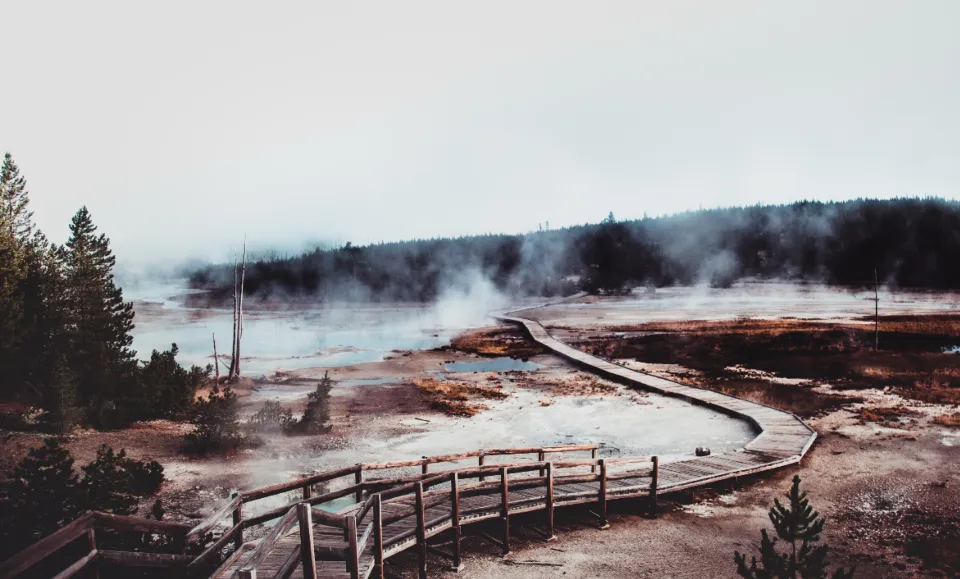

Yellowstone draws people in with a kind of pull that’s hard to explain unless you’ve stood next to a geyser as it erupts or watched a bison cross the road without so much as glancing your way. In 2024, the park welcomed nearly 4.74 million visitors, a jump of more than five percent from the year before. That’s a lot of people moving through one of the most geologically active and wildlife-dense landscapes on the planet.
Most of them leave unharmed. Some don’t. The difference usually comes down to a handful of decisions made in the first few minutes of arriving. Here is what the data actually shows, and what you need to know before you set foot on the trail this month.
Mistake #1: Stepping Off the Boardwalk Near Thermal Features
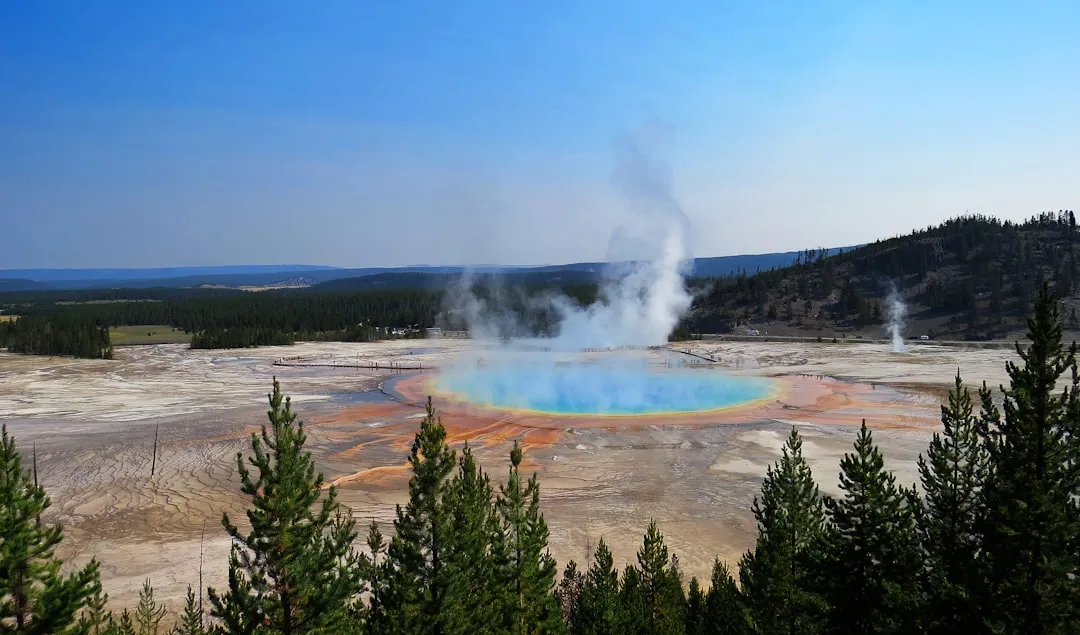
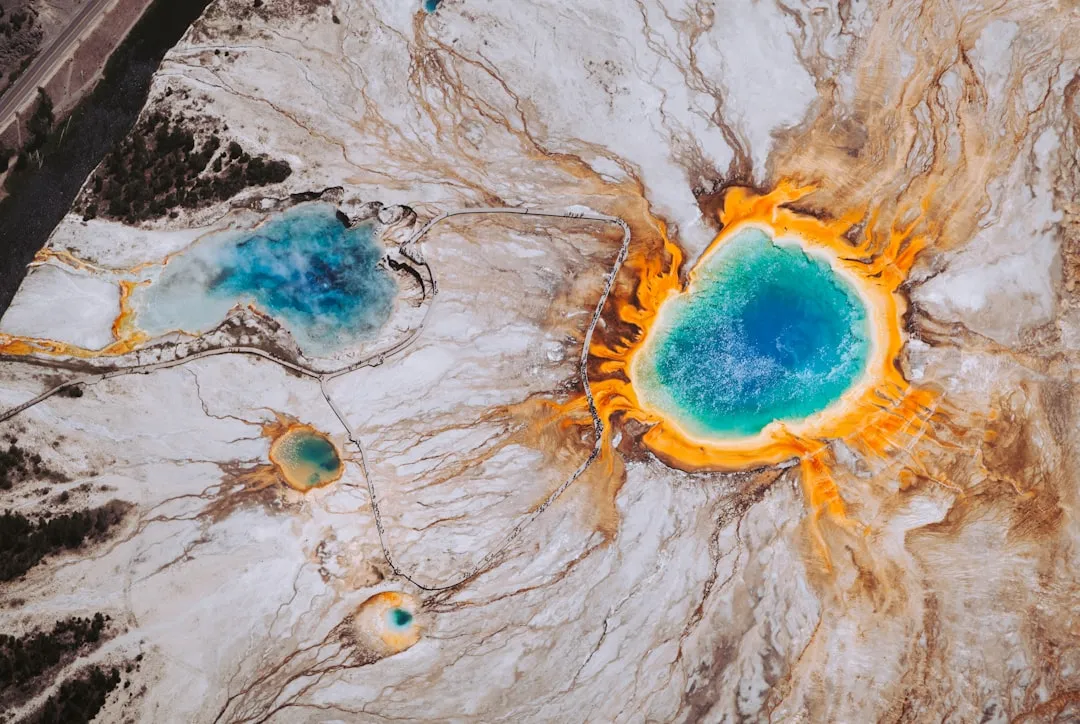
This is the one that keeps park rangers up at night, and for good reason. Water in Yellowstone’s hot springs can cause severe or fatal burns, and more than 20 people have died from burns after entering or falling into one of its hot springs. The danger isn’t always obvious from where you’re standing.
Almost all of the park’s geothermal features are surrounded by a thin crust that might look like solid ground, but is not. The same extremely hot water that gushes through geysers is just below the surface, and stepping off the boardwalk can result in serious or fatal injury.
In July 2025, a 17-year-old male suffered significant thermal burns to his foot and ankle near Lone Star Geyser. His foot broke through the thin crust of the thermal area, and he was transported to a hospital for treatment. Thermal pools at Yellowstone can reach temperatures between 160 and 200 degrees.
Even a few steps off the boardwalk in a geothermal zone are illegal, both because of the ecosystem’s fragility and the dangers people face when walking into it. Yellowstone’s safety page also notes that toxic gases may accumulate to dangerous levels in some hydrothermal areas. If you feel lightheaded or nauseated near a geyser basin, leave immediately.
Mistake #2: Getting Too Close to Bison and Other Wildlife
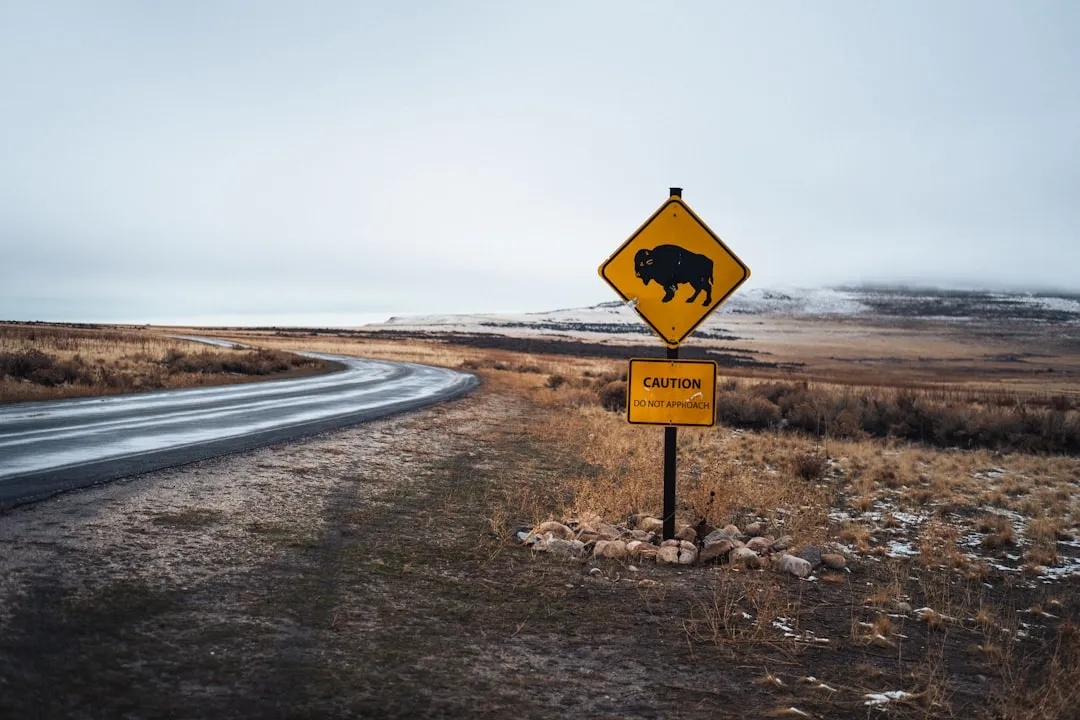
Bison are unpredictable and will defend their space when threatened. These massive animals can run three times faster than humans and have injured more visitors in Yellowstone than any other species in the park. The distances feel large until they don’t.
In May 2025, a 47-year-old man from Cape Coral, Florida, was gored by a bison after getting too close to the animal near the Lake Village area. He sustained minor injuries and was treated by emergency medical personnel at the scene. This was the first reported bison-related injury in the park that year, following two similar incidents in 2024 and one in 2023.
In June 2024, an 83-year-old woman near Storm Point Trail suffered serious injuries when a bison, defending its space, came within a few feet and lifted her off the ground with its horns. Mid-July marks the start of bison mating season, when the animals can become more unpredictable and aggressive. Bison can weigh up to 2,000 pounds and run up to 35 miles per hour.
Visitors should stay at least 25 yards from large animals such as bison, elk, and moose, and at least 100 yards from predators like bears and wolves. If an animal approaches, back away to maintain a safe distance.
Mistake #3: Driving Too Fast on Park Roads
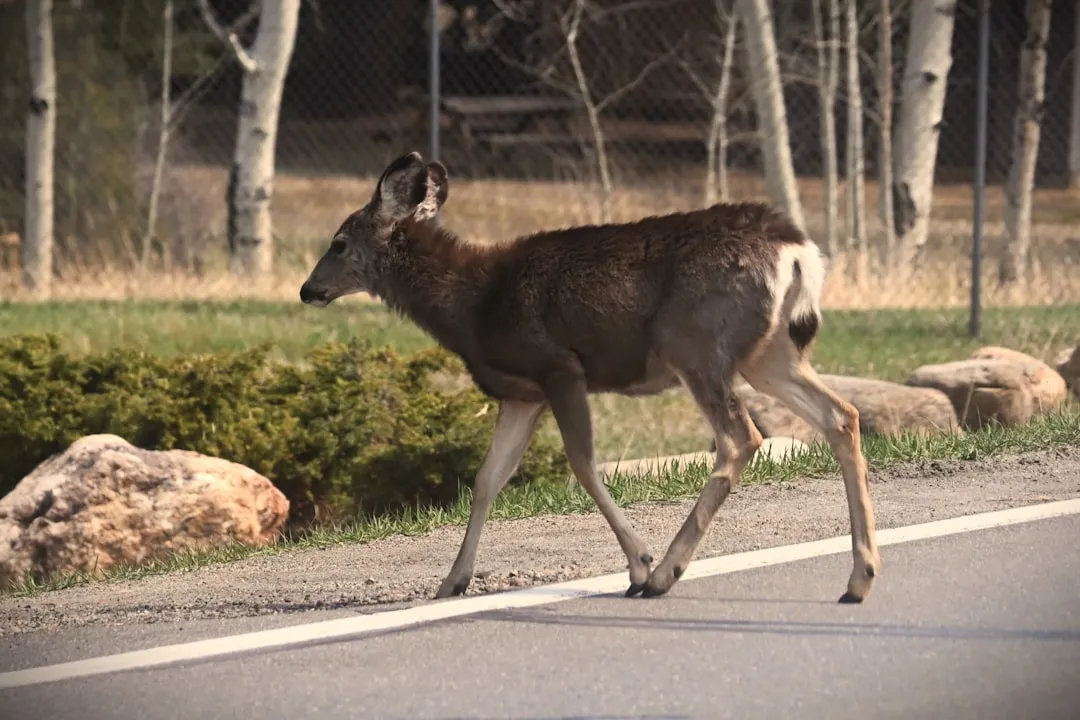
Motor vehicle crashes are the greatest cause of death in Yellowstone. The treacherous and winding roads contribute to a high risk of accidents, specifically head-on collisions between RVs, cars, and motorcycles. It’s easy to underestimate how quickly conditions shift on a narrow mountain curve.
The speed limit in the park is a maximum of 45 mph, with the exception of Highway 191 on the west side. Many sections drop to 35 or even 25 mph. Wildlife crossings are frequent and unpredictable, particularly during early morning and evening hours when animals are most active.
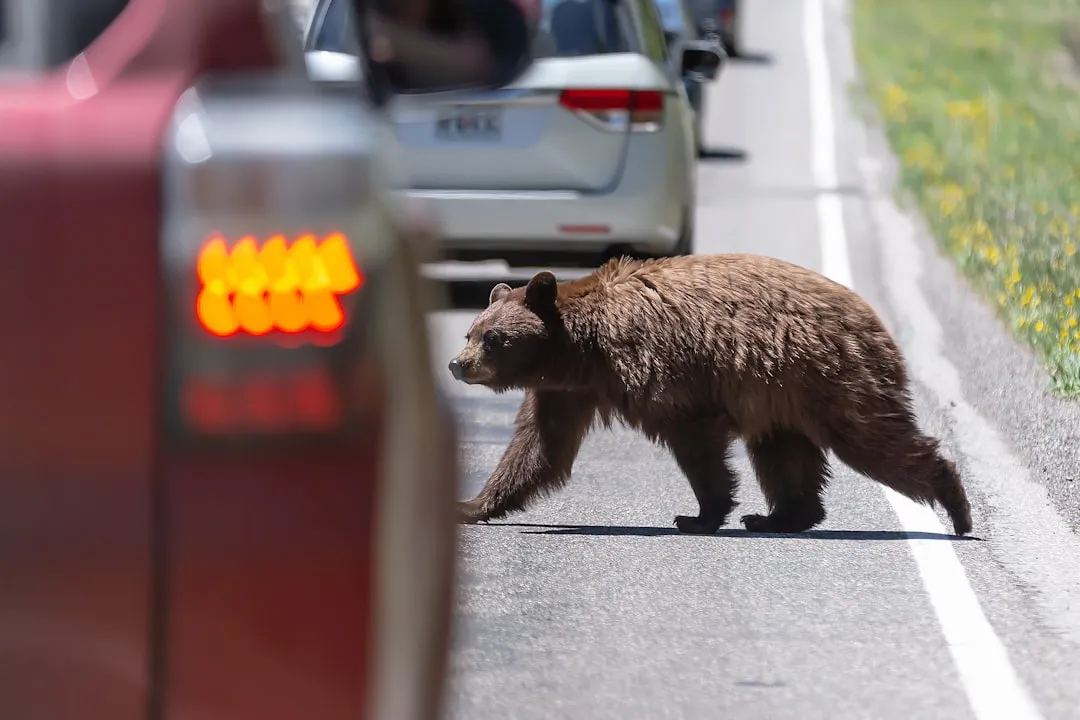
On US 89 between Livingston and Gardiner, just north of the park, there are roughly 160 wildlife-vehicle collisions each year. Half of all accidents on that stretch are wildlife-related, which is ten times the national average. That statistic alone should change how you approach every bend in the road.
Drivers have hit bison, grizzly bears, elk, deer, moose, and more. These interactions pose a serious threat to human safety and local livelihoods. Slowing down is not just a courtesy to the animals. It’s a survival decision for everyone in the vehicle.
Mistake #4: Ignoring Bear Safety Protocols in the Backcountry
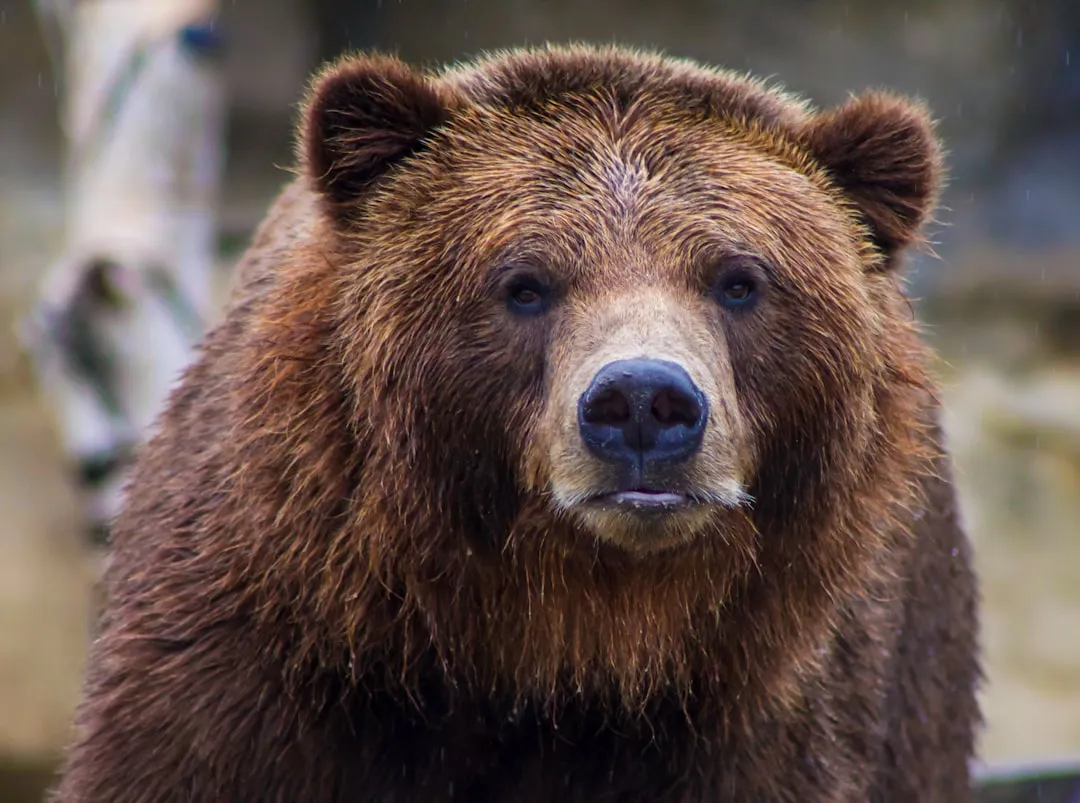
In September 2025, a 29-year-old man on the Turbid Lake Trail deployed bear spray during an accidental encounter, but it didn’t stop the bear in time to prevent injuries. He required a helicopter evacuation, and it was the first grizzly attack on a person in the park since 2021.
If a grizzly attack is imminent, survival may depend on being submissive: drop to the ground on your belly, protect your neck with interlocked fingers, and play dead. Knowing this in theory is very different from remembering it in the moment, which is why practicing the response before hiking matters.
Yellowstone reminds visitors to never feed the animals, as they can become dependent on human food, may grow aggressive toward people, and may ultimately have to be killed. All food, garbage, and smelly items should be stored properly when not in use. In 2025, an 11-year-old male grizzly bear was trapped and killed because he had become reliant on human food and posed a risk to public safety.
The Hydrothermal Explosion Risk That Most Visitors Don’t Consider
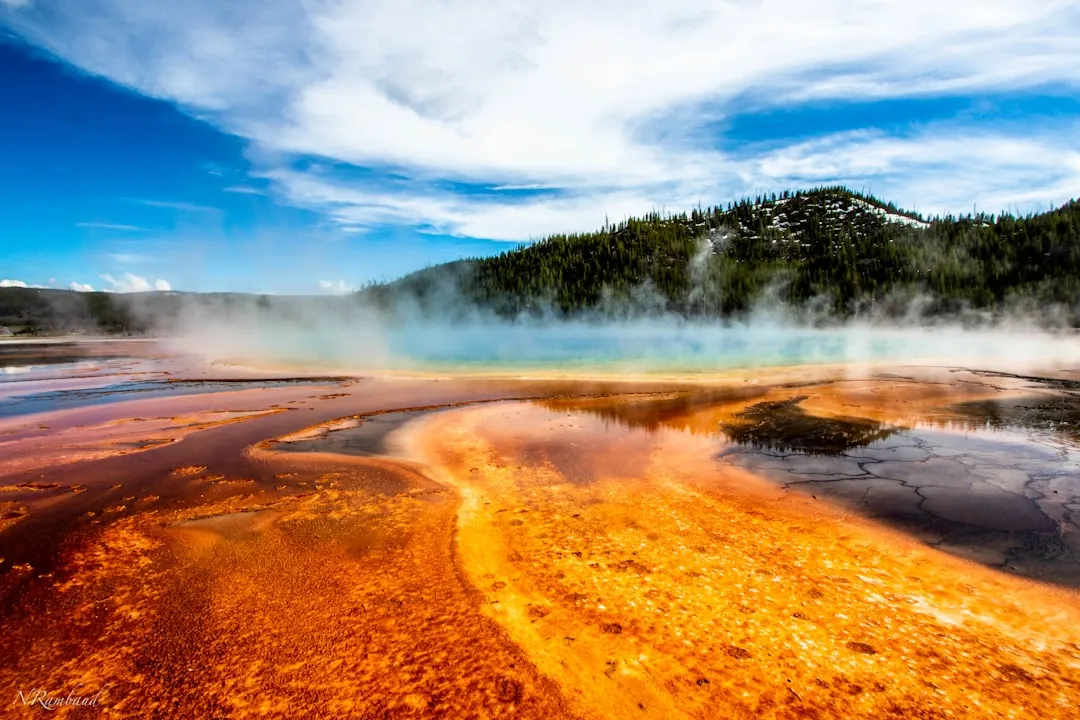
On July 23, 2024, a hydrothermal explosion occurred near Sapphire Pool in Biscuit Basin, sending boiling water, steam, and debris into the air and damaging part of the boardwalk. No one was injured that day, and that outcome was fortunate given the timing and foot traffic in the area.
The boardwalk was showered by debris and heavily damaged. The morning of the explosion was like most summer mornings, with tourists strolling along boardwalks, unaware of the pressure that had built underneath Black Diamond Pool.
This is the part of Yellowstone that doesn’t appear on any warning sign: the ground itself can act without notice. A prototype hydrothermal monitoring station installed in Norris Geyser Basin in 2023 detected infrasound signals from a small hydrothermal explosion on April 15, 2024, making it the first such event in the park to be documented by instrumental monitoring. Science is catching up, but the landscape remains ahead of it.
The Overcrowding Factor: Why Crowds Create Their Own Risks
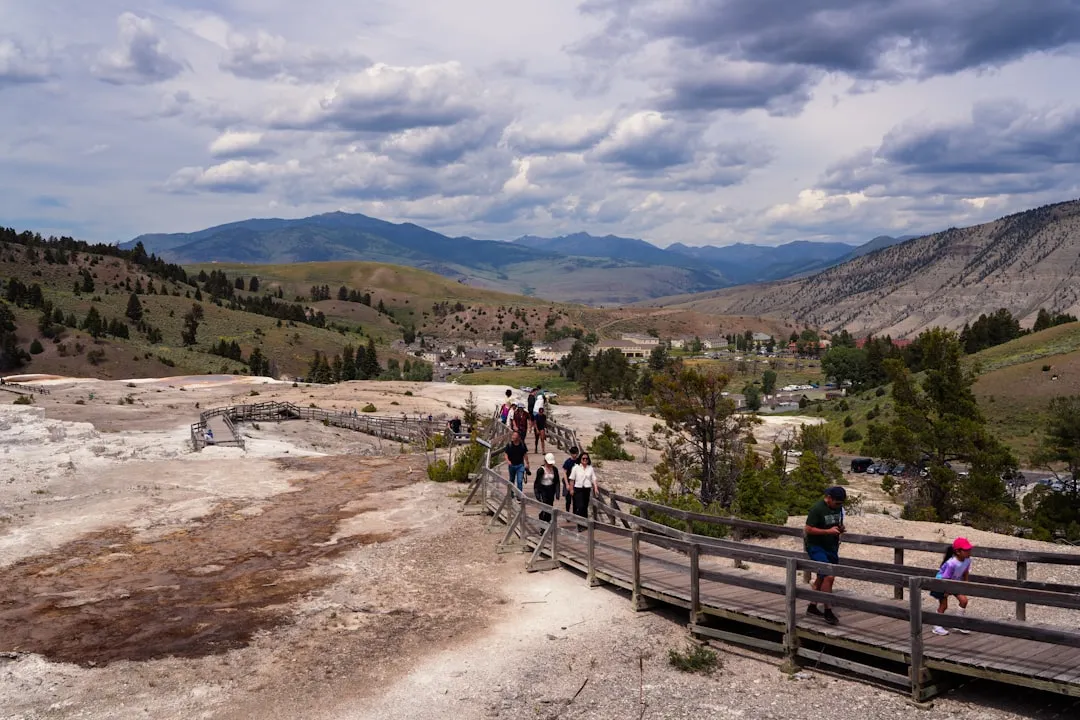
With nearly 4.74 million visitors in 2024, a 17.9% increase compared to 2019 numbers, the park is handling more people than at almost any point in its history. More visitors mean more vehicles, more trail congestion, and more pressure on the very areas that require the most caution.
The National Park Service estimates that roughly 98 percent of Yellowstone tourists never get more than half a mile from their car, meaning most never really experience the wildness that makes up the bulk of the park. That concentration of visitors around a small number of popular sites raises the risk of crowded encounters with both thermal features and wildlife.
Peak hours in summer, typically from mid-morning to late afternoon, turn popular areas like Old Faithful and Grand Prismatic Spring into genuinely crowded environments. Moving to off-peak times isn’t just a matter of preference. It’s genuinely safer, both for you and for the animals trying to move through the area.
Feeding Wildlife: A Mistake With Lasting Consequences
Feeding wildlife in Yellowstone is illegal, and the consequences extend well beyond a citation. In 2025, an 11-year-old male grizzly bear was killed by park officials because he had become reliant on human food and posed a risk to public safety in one of the busiest areas of the park. The decision was made to ensure public safety and reduce the chances of other bears becoming habituated to human food.
The pattern is consistent and well-documented. In September 2017, the National Park Service similarly killed a grizzly bear reliant on human food and resources, describing the outcome as a “management action.” Each time a visitor leaves food accessible, they start a chain reaction that can end badly for an animal that had nothing to do with the choice.
Yellowstone reminds visitors to never feed the animals, as they can become dependent on human food, may become aggressive, and may have to be killed as a result. All food, garbage, and smelly items should be kept packed away when not in use.
Pets in Unauthorized Areas: A Risk Often Underestimated
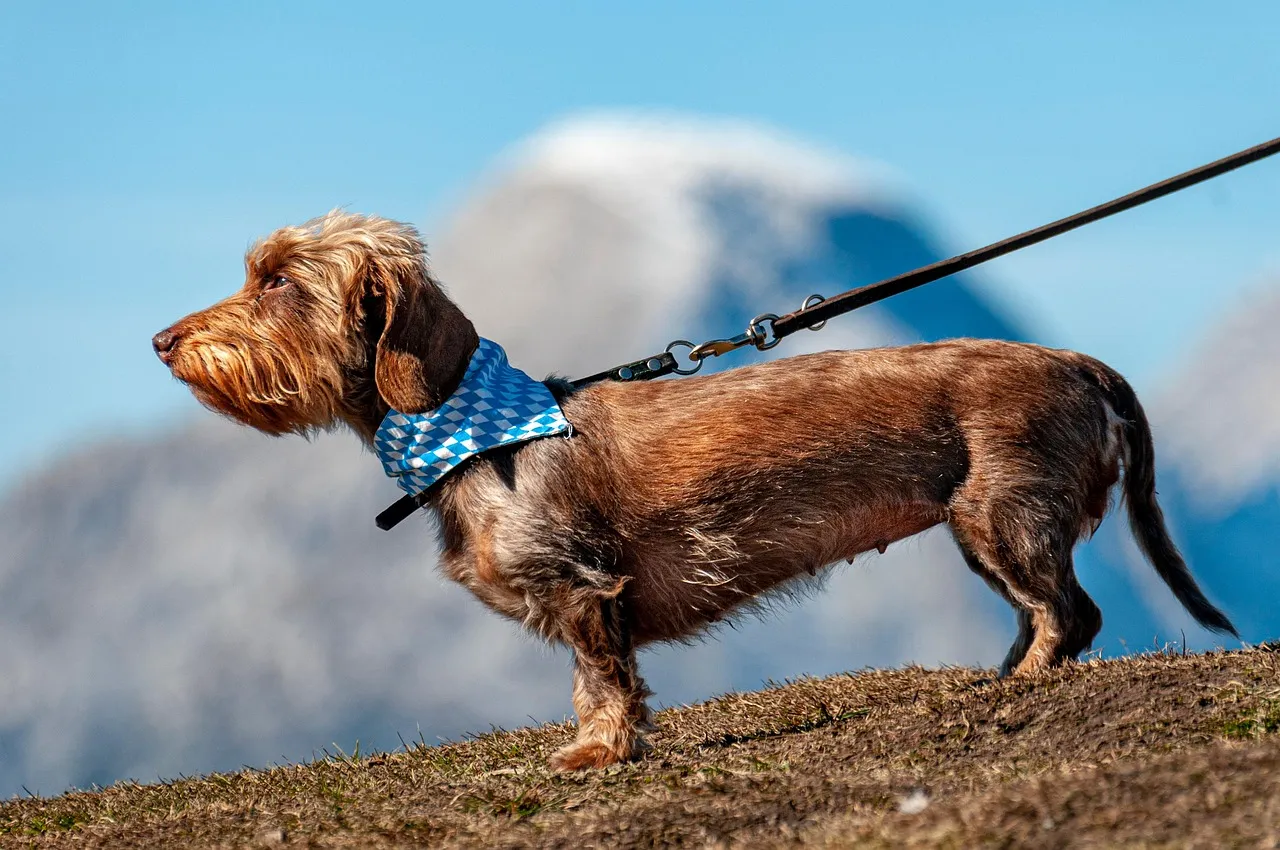
Dogs must remain close to developed areas like campgrounds or inside your vehicle, which means you won’t be able to hit the trails with a pet. Bringing a dog isn’t just limiting for your experience: it can be extremely dangerous for them, given that Yellowstone has multiple large predators including bears, coyotes, and wolves.
Moose can attack if they feel threatened and can get particularly hostile around dogs, which they sometimes mistake for their natural predator, the wolf. Keeping dogs on a leash and maintaining the recommended 25-yard distance is essential.
Pets are also prohibited in thermal zones due to the danger and the fragility of the environment. The ground near thermal features can give way with no warning, and a dog exploring off-leash has no way of reading those risks. The consequences can be irreversible, and they happen fast.
Not Knowing What to Do in a Grizzly Encounter
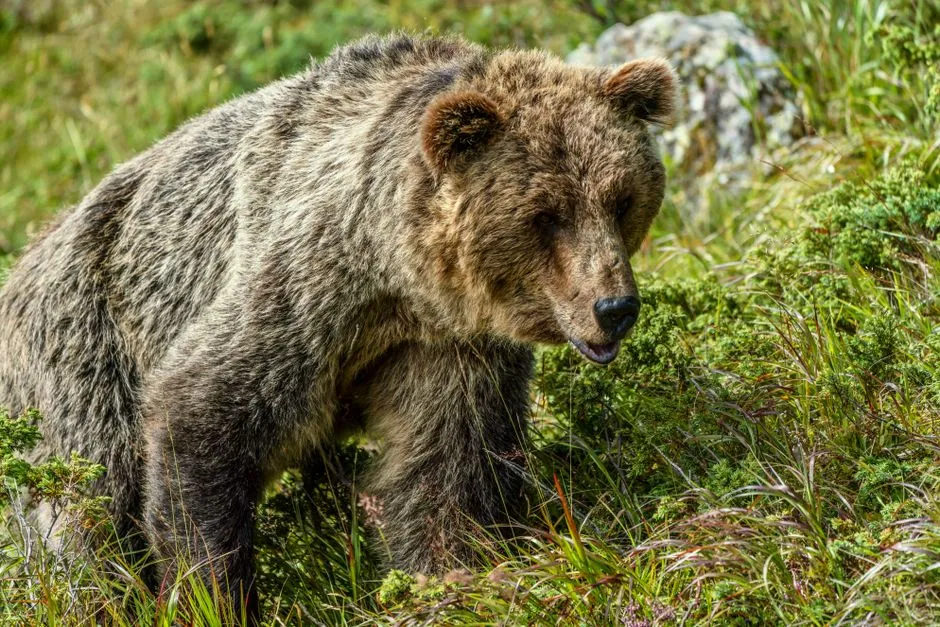
A grizzly encounter in Yellowstone is statistically unlikely but not impossible, particularly in the backcountry. The key is preparation, not panic. Bear deterrent sprays represent your most reliable defense, and they work best when you already know how to deploy them, not when you’re trying to read the instructions in the moment.
If a bear attack is imminent, being submissive can improve your chances of survival: drop to the ground on your belly, protect your neck with interlocked fingers, and play dead. This runs counter to every instinct, which is exactly why it needs to be something you’ve thought through in advance.
There have been 49 grizzly bear deaths from vehicle collisions in the Greater Yellowstone Ecosystem between 2009 and 2023, and in 2024 alone, two grizzly deaths occurred from vehicle strikes near the park. The risks to wildlife from human behavior are significant in both directions, on foot and behind the wheel.
The Numbers Behind the Danger: A Reality Check
From 2007 to 2024, a total of 75 deaths were recorded within the park’s boundaries. That translates to roughly four or five fatalities per year across a park receiving millions of visits, which puts the overall risk in perspective. Yellowstone is not uniquely lethal. It is, however, uniquely unforgiving of inattention.
An analysis of deaths by sex shows that men account for roughly 77 percent of all recorded fatalities. The pattern across national parks generally holds: risk-taking behavior, underestimation of terrain, and pushing closer to wildlife or thermal features disproportionately affects male visitors.
With just over twenty documented deaths from thermal features alone, the park’s hot springs tend to be dangerous primarily when visitors are unaware of their potential for destruction. Awareness, in almost every case, is the variable that determines the outcome. The park gives you every tool to stay safe. The rest is up to you.
Final Thought
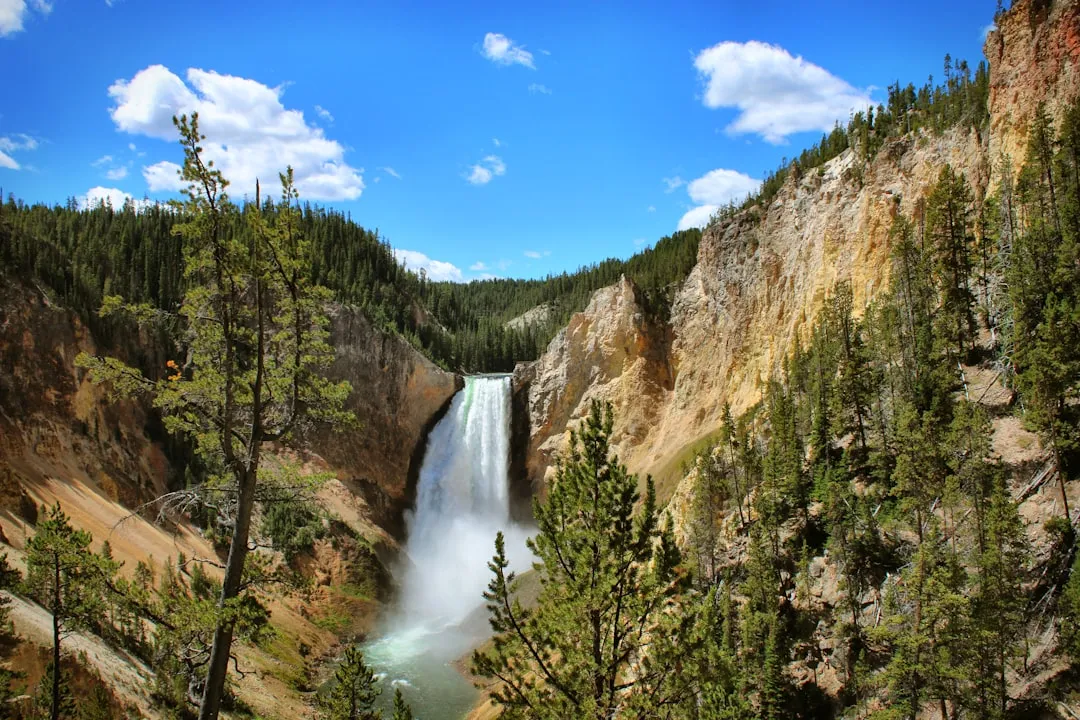
Yellowstone rewards the people who come prepared and leave their assumptions at the gate. The park’s rules aren’t excessive bureaucracy; they’re the distilled result of more than a century of accidents, near-misses, and hard lessons. The boardwalks exist for a reason. The distance rules exist for a reason. The speed limits exist for a reason.
Every one of these guidelines has a real incident behind it, and most of those incidents involved someone who thought they were being careful enough. The most dangerous mindset you can carry into Yellowstone is the belief that the rules are meant for other people.
Come, explore, and stay as long as you can. Just do it with the kind of respect the place has earned.
AI Disclaimer: This article was created with the assistance of AI tools and reviewed by a human editor.