
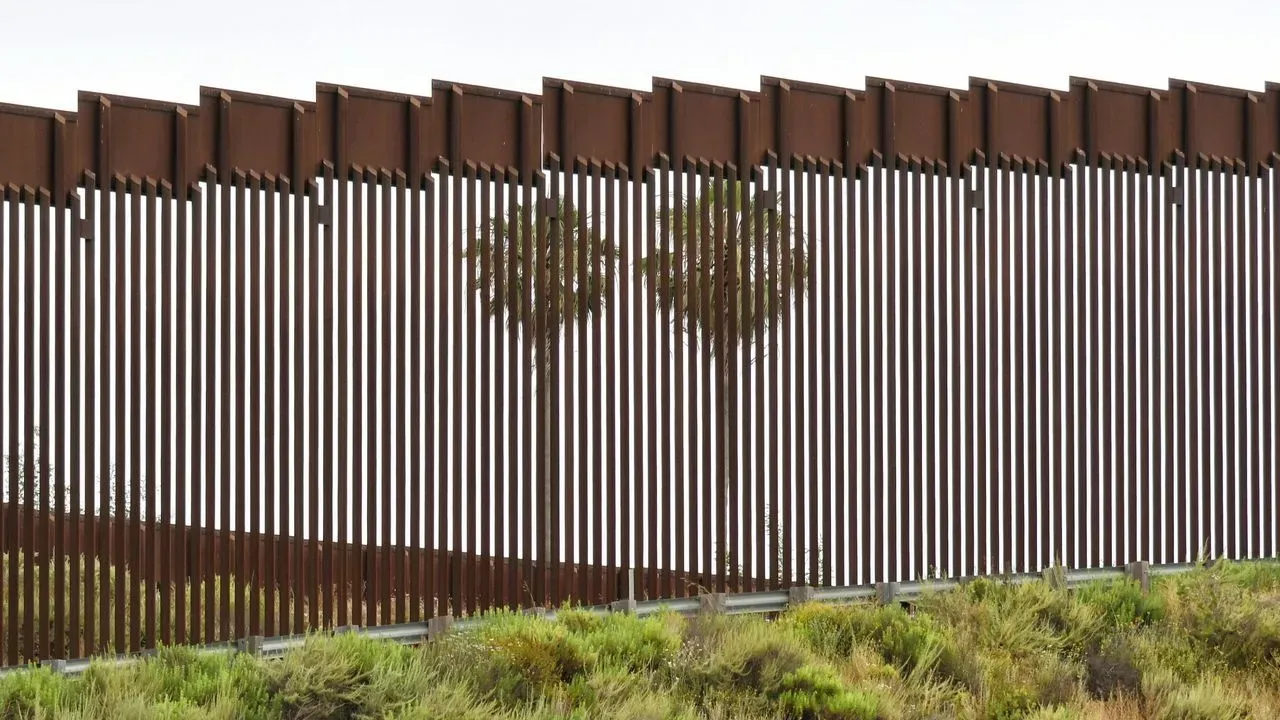

West Texas – A diverse group of environmental advocates, business owners, local leaders, and residents from across the state appeared before the Texas Parks and Wildlife Commission on Wednesday. Their message centered on a shared desire to see proposed border wall construction near some of Texas’ most valued public lands placed on hold. The gathering underscored how deeply these remote landscapes matter to the people who live near them and to those who travel to experience their quiet expanses.
The Human Connection to These Places
People who depend on the region for their livelihoods and sense of place spoke plainly about what the parks represent. Business owners described steady visitors who return year after year for the solitude and the chance to explore on foot or by river. Local leaders noted that the lands serve as a common ground where families from West and Central Texas have long found room to breathe and reconnect with the outdoors.
The commission meeting offered a formal setting for these perspectives to be heard together. Participants emphasized that the areas in question hold practical value for recreation, quiet reflection, and the simple act of stepping away from daily routines. Their presence reflected a collective wish to keep those opportunities intact for the next generation of travelers.
Why the Big Bend Region Stands Apart
The public lands near Big Bend National Park and surrounding state-managed areas offer a rare combination of open desert, river corridors, and mountain terrain. Visitors often cite the sense of scale and the chance to observe wildlife in its natural setting as reasons they return. These qualities have drawn people seeking measured, low-impact experiences rather than crowded attractions.
Preservation efforts in the region have long focused on maintaining access while protecting the underlying ecosystems. The recent testimony before the commission added another layer to that ongoing conversation, highlighting how infrastructure decisions can intersect with the everyday enjoyment of these spaces. Stakeholders stressed that thoughtful planning can support both security needs and the continued availability of the parks for responsible public use.
Stakeholders and Next Steps
Several distinct groups took part in the Wednesday session, each bringing a different vantage point:
- Environmental advocates focused on long-term habitat integrity and the role these lands play in regional biodiversity.
- Business owners spoke to the steady economic contribution of park visitors who support nearby lodging, guiding services, and local suppliers.
- Local leaders and residents from West and Central Texas described personal and community ties that have developed over decades of use.
The commission received these comments as part of its regular review process. No immediate decisions were announced, leaving room for further discussion among state agencies, federal partners, and the public. Observers noted that continued dialogue will help clarify how any future construction might be shaped to minimize effects on the parks themselves.
What Travelers Can Watch
Those planning visits to Big Bend and nearby public lands can follow official updates from the Texas Parks and Wildlife Department and the National Park Service. These sources typically post information about access, seasonal conditions, and any policy developments that could affect trailheads or river put-ins. Staying informed allows visitors to choose travel windows and activities that align with current conditions.
Many who care for these places encourage low-impact practices such as staying on designated routes, packing out all waste, and respecting quiet hours. Such habits help ensure the same sense of remoteness remains available for others who arrive later. The recent testimony before the commission serves as a reminder that the future of these landscapes depends on ongoing attention from both officials and the traveling public.
AI Disclaimer: This article was created with the assistance of AI tools and reviewed by a human editor.