
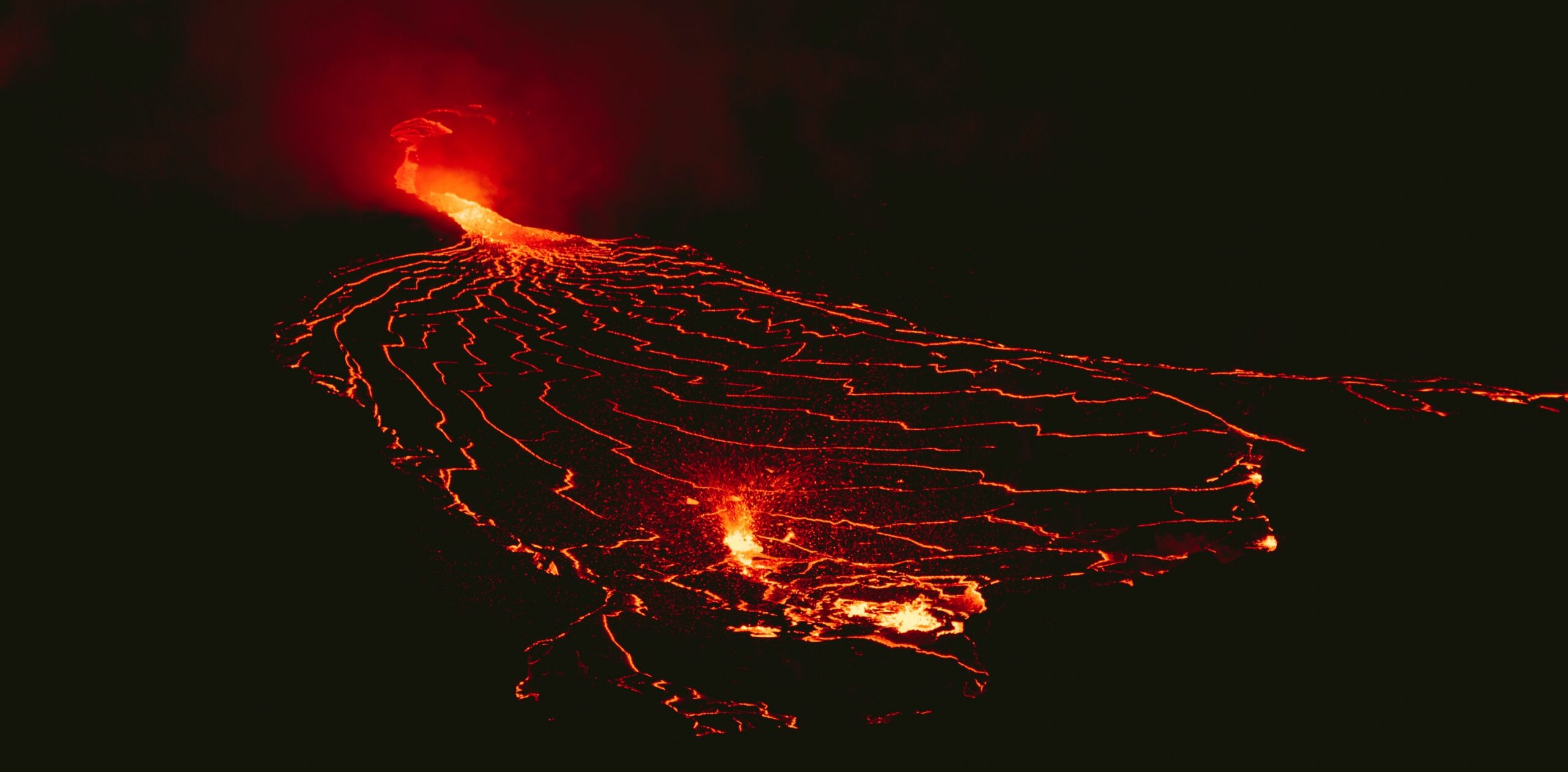

Why Darkness Is the Single Most Important Factor
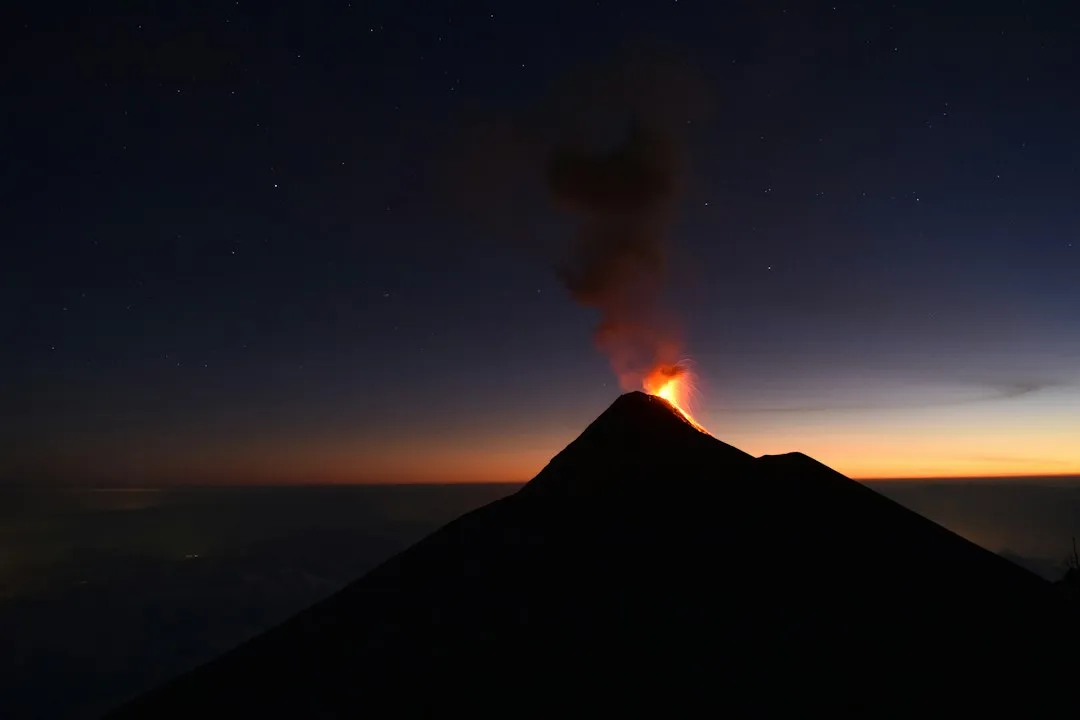
If lava is active and visible, the best time of day to see it is unquestionably at night. While you can see the eruption’s gas plume and sometimes surface flows during the day, the iconic, brilliant orange-red glow is only truly visible in darkness.
During daylight, lava lakes and vent activity look like dark rock with steam plumes. After sunset, the same scene transforms: molten lava glows bright orange and red, reflecting off Halemaʻumaʻu’s steam clouds. It’s the same eruption – completely different experience.
The best time to see the brilliant red and orange glow of the lava is at night, or during the twilight hours of dusk and dawn. The darkness provides the necessary contrast to see the glow reflecting off the gas plume above the crater.
The Pre-Dawn Hours: What Guides Consider the Gold Standard
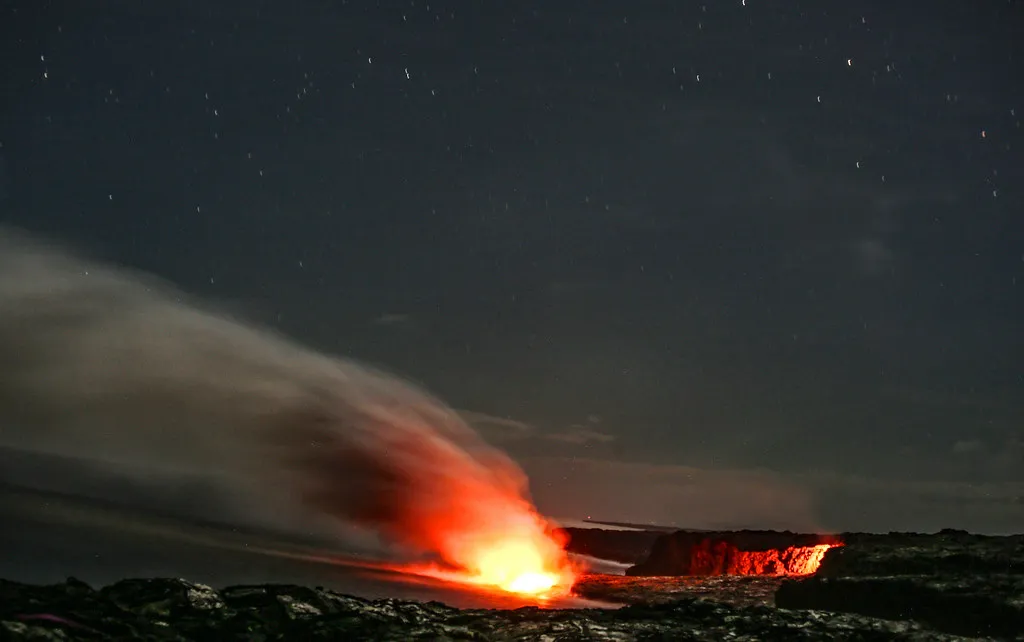
According to viewing guides, the window from 3 a.m. to 5 a.m. offers maximum glow contrast against a dark sky, with overlooks nearly empty, easy parking, and the most likely time to have a viewpoint to yourself.
The single best time to go is the hour or two before dawn: the glow is still vivid, and the overlooks are nearly empty. Sunset is the most crowded window of the day. That contrast is worth losing some sleep over.
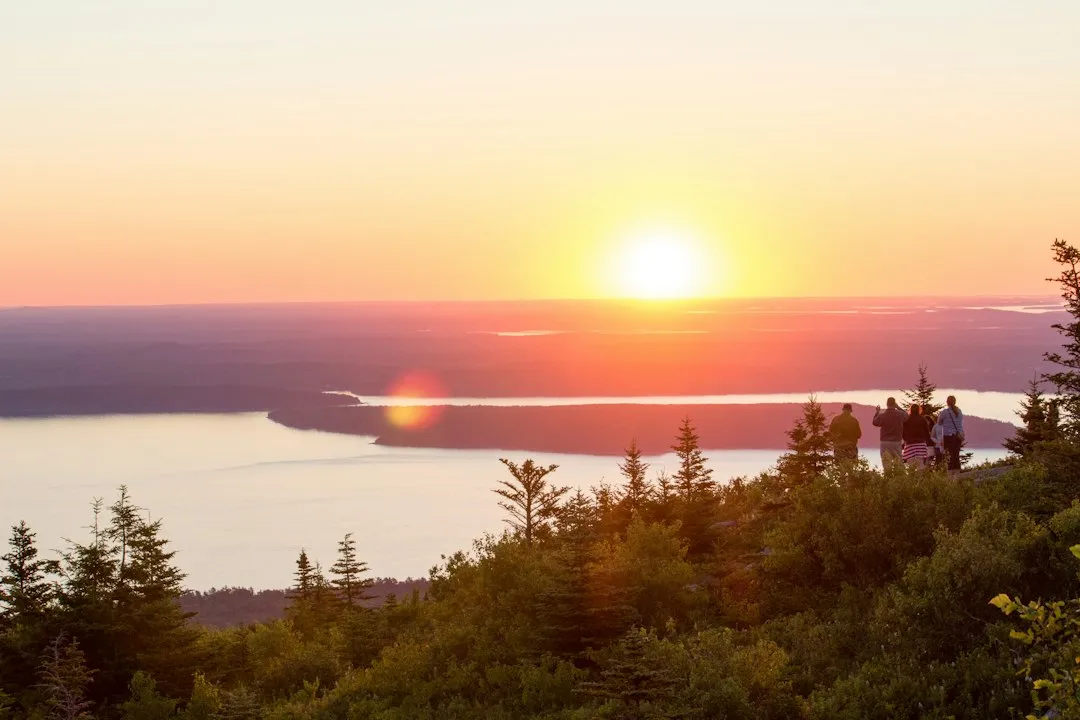
Dawn is an excellent, often overlooked time. You can arrive in the dark to see the full glow with far fewer people, and then witness the stunning sunrise over the caldera. The air is often clearer in the morning.
Dusk and the Evening Window: Popular, but Crowded
Dusk is a great time to arrive. You can see the landscape in the fading light and watch as the glow intensifies when the sun goes down. Crowds begin to build at this time.
After 8 p.m. is primetime for lava glow. The dark sky provides maximum contrast. Be prepared for large crowds, especially if the eruption is new or particularly vigorous.
Guides recommend returning to your chosen overlook around civil dusk. On glow-only nights, plan on staying 45 minutes to an hour after full dark to let your eyes adjust and the low-cloud reflection develop. Patience makes a real difference here.
What Kīlauea Has Been Doing Since Late 2024
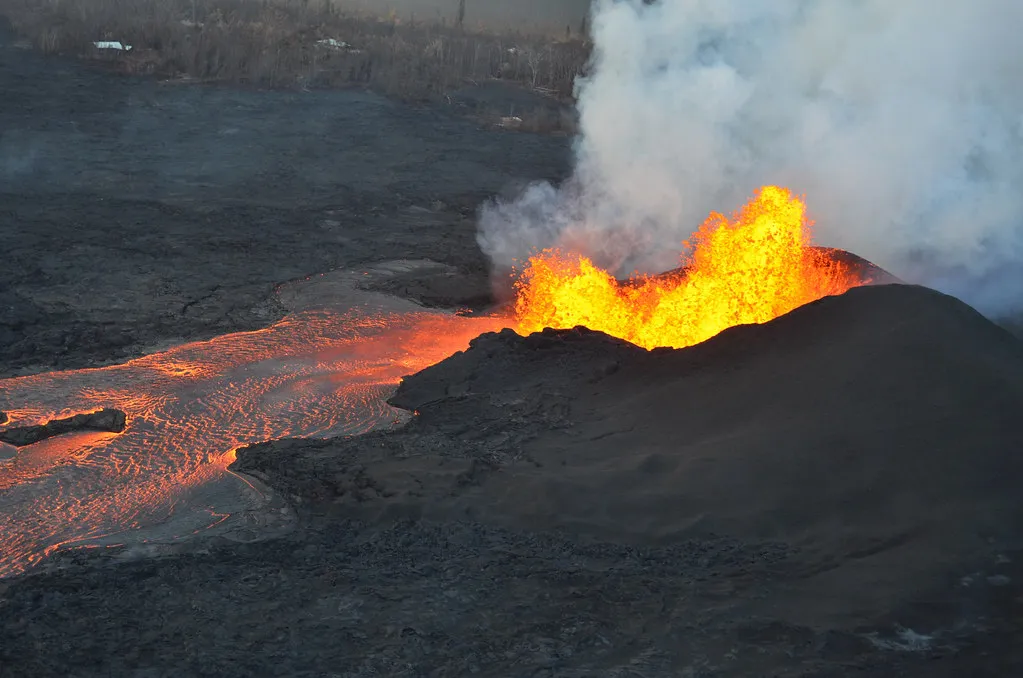
Kīlauea volcano continues to erupt intermittently from Halemaʻumaʻu crater, with more than 50 eruptions since December 2024. All eruptive activity remains within Hawaiʻi Volcanoes National Park and does not threaten homes or park infrastructure. Volcanic activity is episodic, with eruptions separated by pauses lasting several days or weeks. Eruptions can be as short as a few hours.
Kīlauea has been in an on-and-off eruption at the summit crater since late 2024, with lava-fountaining “episodes” arriving on a rough one-to-three-week cadence, and each episode lasting somewhere in the range of a few hours to about half a day.
As recently as August 25, 2026, Episode 54 of lava fountaining in Halemaʻumaʻu at the summit of Kīlauea took place for about 9 hours. The eruption cycle has shown remarkable consistency, giving guides enough of a pattern to work with when planning visits.
How to Read the Eruption Cycle Before You Go
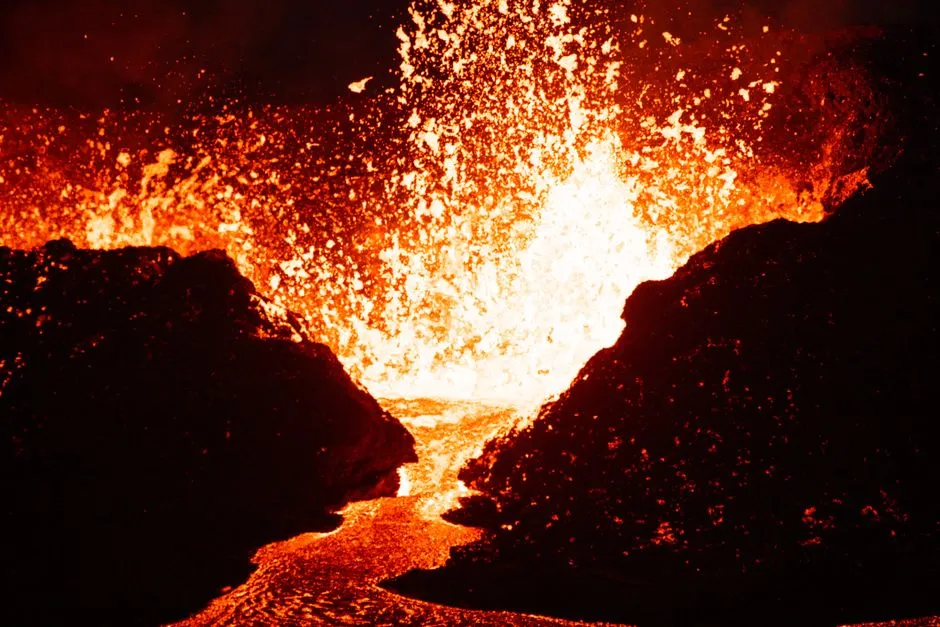
Kīlauea is in an active episodic eruption phase, meaning the volcano erupts and pauses every few days to a few weeks. Check the live webcams and the USGS update before you leave for the park.
You cannot count on seeing live fountaining on any given night. You can almost always see something – incandescent glow, venting steam, the freshly cooled lava lake – but the spectacular high-fountain episodes last roughly a day each and are forecast only a few days in advance.
Lava is only visible during an active eruption, which can start and stop unpredictably. The best time to see lava is simply when it’s erupting, so you must check official sources like the USGS and NPS websites for current conditions.
The Best Overlook Spots at Hawaiʻi Volcanoes National Park
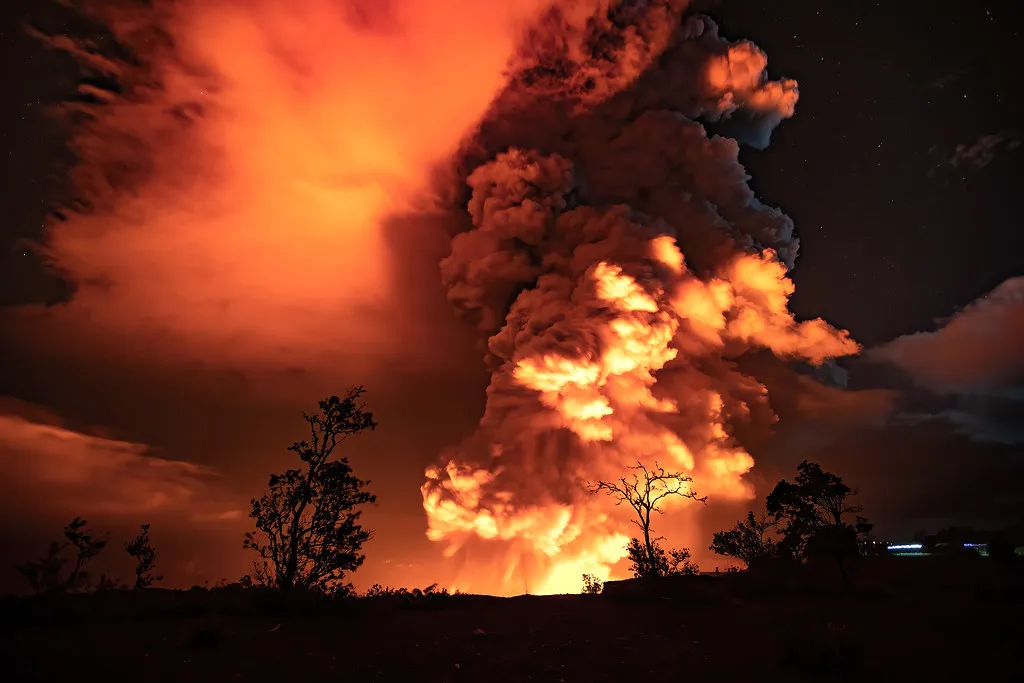
Keanakākoʻi Overlook, reached by about a one-mile walk along the closed-to-cars section of Crater Rim Drive, sits directly above the active vents on the east side of the caldera, making it usually the closest legal view of fountaining lava.
The best places to view the glow are around Halemaʻumaʻu Crater at the summit of Kīlauea. The Kīlauea Overlook and Waldron Ledge are among the top hiking trails in Hawaii Volcanoes National Park, and after sunset, they offer a breathtaking view of the caldera coming alive with an otherworldly red shimmer that lights up the steam and clouds above.
The best viewpoint will vary day to day. The Keanakākoʻi viewpoint along the old south crater loop road is frequently recommended. You can walk to that point or ride a bike there. The ranger at the visitor center can give you the best day-to-day advice when you arrive.
What an Active Fountain Episode Actually Looks Like
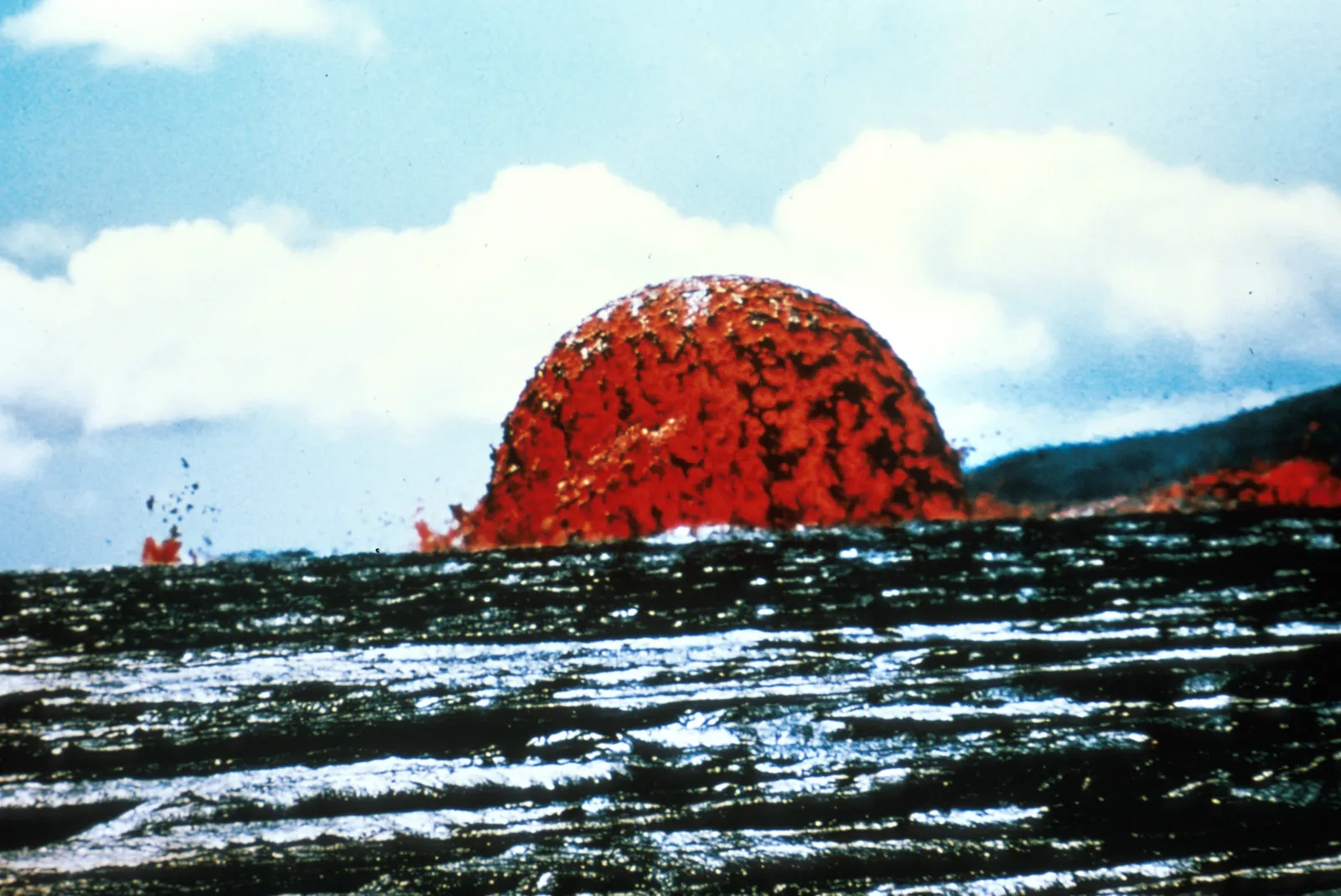
During Episode 38, on December 6, 2025, the eruption quickly became dominated by the south vent. As the episode intensified, the south vent geometry changed, causing it to produce powerful inclined fountaining over 300 meters, roughly 1,000 feet, tall, directed south.
As dusk deepens, the experience begins with maybe just a faint orange tinge in the steam plume rising from the crater. Then, as the sky goes fully dark, it intensifies into a pulsating, deep red-orange glow. Guides often describe this transition as the moment the crater “wakes up.”
On active-fountaining nights, whatever timeline you had is out the window. Go where the ranger board and USGS say the fountains are visible and stay as long as it’s safe.
Safety: What the USGS and Park Guides Want You to Know
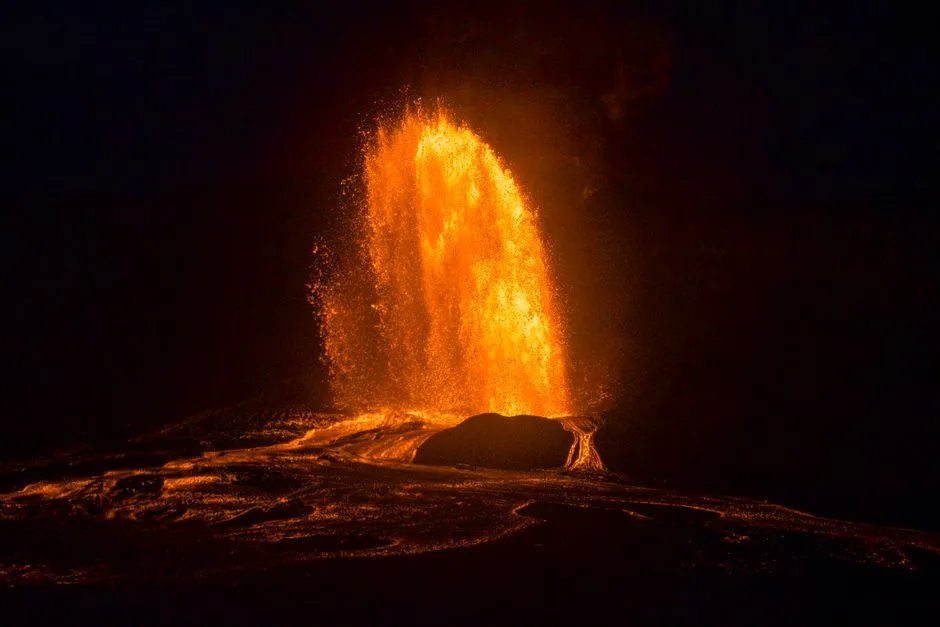
During high fountaining, life-threatening hazards exist within the area of Hawaiʻi Volcanoes National Park that is closed to the public. The areas of highest hazard depend strongly on whether fountains remain mostly vertical or become inclined, and wind can further increase the range of hot tephra and fine volcanic glass.
Pele’s hair, strands of windblown volcanic glass, has been spotted in the park and nearby communities. The amount of Pele’s hair that could be present depends on lava fountaining activity and wind conditions. Exposure to Pele’s hair and other volcanic fragments can cause skin and eye irritation.
Rope lines and hazard signs are in place to protect you from volcanic fumes, unexpected rim collapses, and hidden cracks. Volcanic gas is a particular risk for people with respiratory issues, young children, and pregnant women. These boundaries are not suggestions.
The Role of Cloud Cover and Seasonal Weather
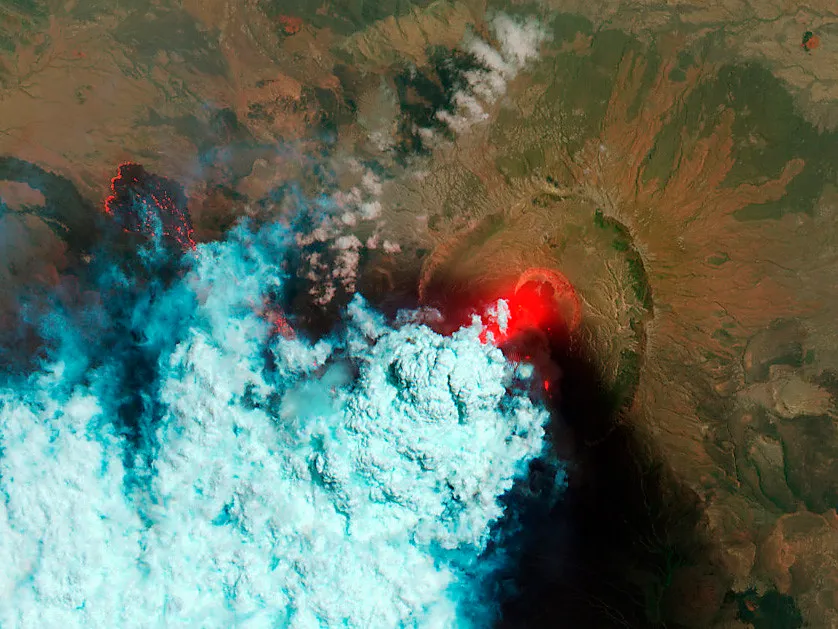
During drier months, weather is typically sunny and clear, improving the chances of unobstructed views of the lava glow at night if the volcano is erupting. Cloud cover can obscure the view entirely, even during an active fountaining episode.
Fall’s clear skies make September through November the best window to plan a nighttime visit. That said, the Big Island’s weather shifts quickly, and even a perfect forecast can give way to rain or volcanic fog within the hour.
Between eruption episodes, visitors see steam and sometimes a faint glow. The single best time to go remains the hour or two before dawn: the glow is still vivid, and the overlooks are nearly empty. Sunset is the most crowded window of the day.
Planning Your Stay: Logistics That Actually Matter
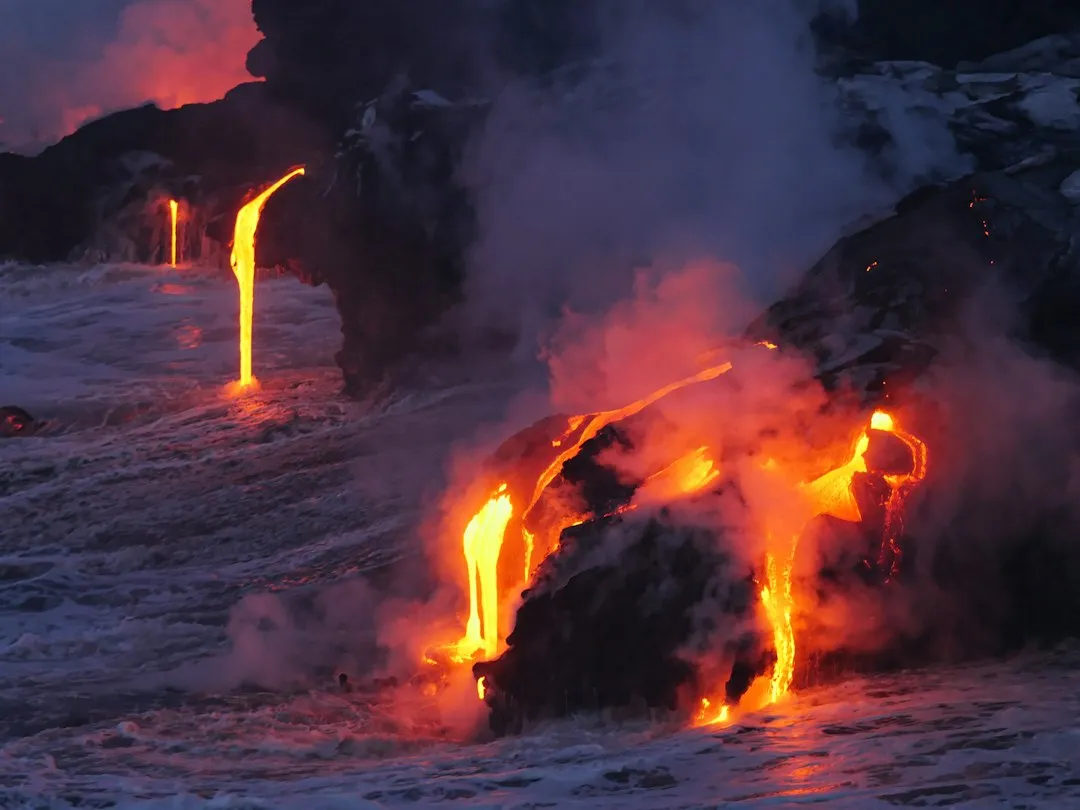
Arriving around 2 or 3 p.m. to explore during daylight, then staying for sunset and the lava glow after dark, is when it’s most visible. That rhythm lets you understand the landscape before the main event unfolds after dark.
Plan a full day minimum, meaning six to eight hours. One full day lets you see the main highlights and stay for the lava glow after dark. Trying to squeeze this into a half-day trip consistently leaves visitors disappointed.
The Kīlauea eruption is a reminder of sacredness in Hawaiʻi. Watch quietly and learn about the cultural significance of the land to Native Hawaiians. The guides who understand this place best are the ones who approach it with genuine respect.
The Takeaway
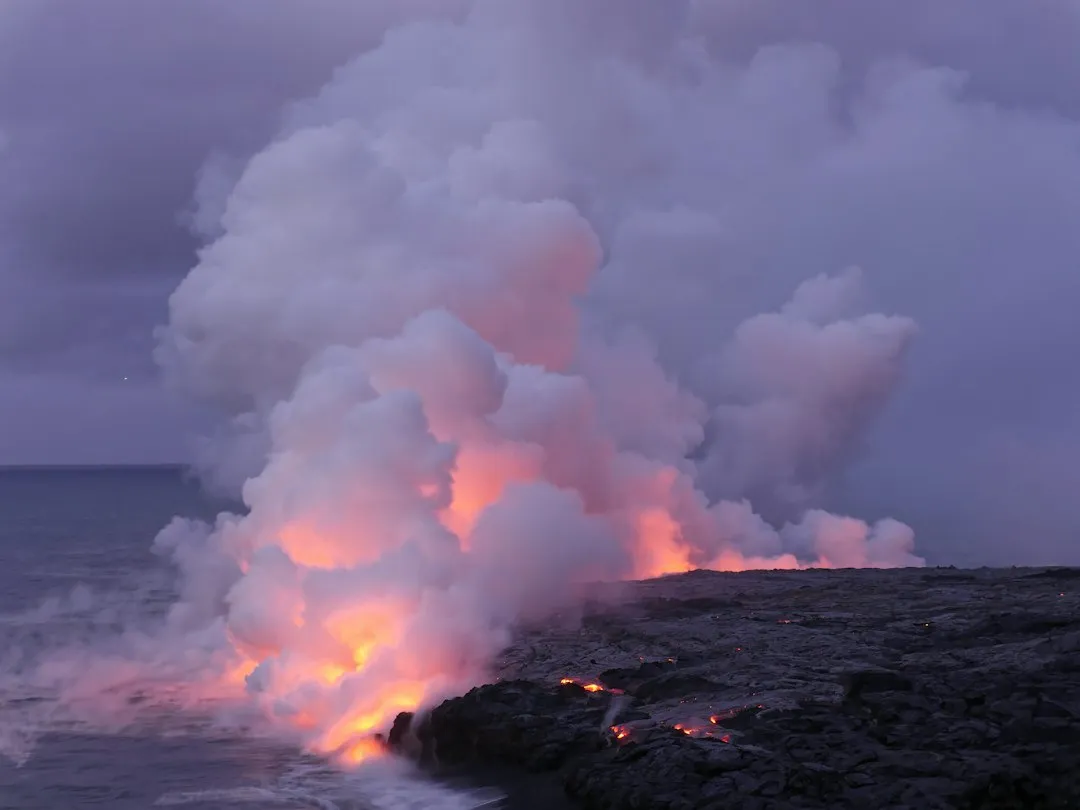
There is no single clockwork hour when lava is guaranteed to glow. Kīlauea doesn’t operate on a schedule that accommodates itineraries. What guides consistently point to, though, is a clear pattern: darkness matters most, the pre-dawn hours deliver the most vivid glow with the fewest crowds, and checking the USGS updates before you leave your accommodation is not optional – it’s the whole game.
If the fountain is running when you arrive at the rim after midnight and the sky above Halemaʻumaʻu is burning orange, you’ll understand exactly why these guides keep coming back. Some experiences don’t translate well into photographs. This is one of them.
AI Disclaimer: This article was created with the assistance of AI tools and reviewed by a human editor.