
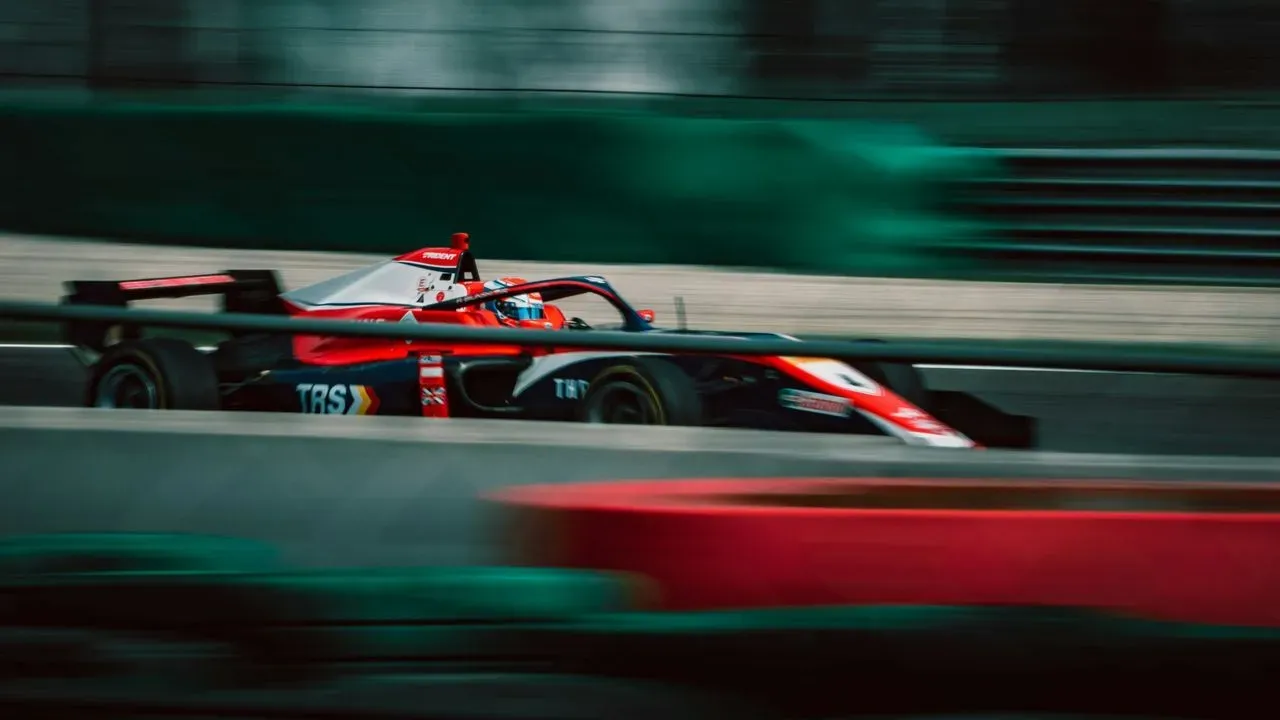

Washington, D.C., prepares for an uncommon sight this weekend as IndyCar machines take over several blocks of its most recognizable avenues. The Freedom 250 Grand Prix marks the first time the series has staged a full street race inside the nation’s capital, sending open-wheel cars past federal buildings and along stretches of Pennsylvania Avenue. Spectators who secure a vantage point will witness speeds that contrast sharply with the city’s usual measured pace of traffic and foot traffic.
The Course That Winds Past National Landmarks
The layout threads through downtown corridors that residents and visitors normally navigate on foot or by Metro. A notable segment runs along Pennsylvania Avenue, placing the cars within sight of familiar civic architecture and open plazas. Organizers have designed the circuit to balance competitive racing lines with the need to protect surrounding infrastructure and public spaces.
The temporary barriers and grandstands create a contained environment that still allows the city’s grid to remain visible beyond the track. Drivers will navigate tight corners and long straights that highlight both the cars’ performance and the urban setting. Local officials have coordinated road closures and public-transit adjustments so that residents and out-of-town guests can reach viewing areas without unnecessary disruption.
Practical Details for Attending the Event
Sunday’s schedule centers on the main race, with earlier sessions giving fans additional opportunities to watch cars circulate. Tickets and hospitality packages are available through official channels, and many downtown hotels sit within walking distance of the circuit. Public viewing zones along the route offer standing-room options for those who prefer not to purchase grandstand seats.
Transportation planners recommend arriving early and using Metro stations that remain open near the course. Street parking will be limited, so ride-share drop-offs and designated pedestrian routes have been mapped in advance. The event also includes support races and demonstrations that extend the day’s program for families and motorsport enthusiasts alike.
What Changes for Residents and Visitors
Businesses along the closed sections have adjusted hours and created viewing packages that pair race access with meals or merchandise. Hotels report increased bookings from out-of-state travelers drawn by the novelty of the location. The city’s usual weekend rhythm shifts only for the duration of the event, after which normal operations resume.
For first-time visitors, the race provides a fresh way to experience the scale of the capital’s avenues without the usual crowds at monuments. Those who have walked the same sidewalks on previous trips may notice how the temporary infrastructure alters sightlines and soundscapes for a single afternoon.
Looking Ahead After the Checkered Flag
Once the final lap concludes, crews will begin dismantling barriers so that traffic patterns return to their standard configuration. The single-day format means the spectacle remains a contained highlight rather than an extended closure. Organizers have indicated interest in future editions, though any repeat would depend on permitting, safety reviews, and community feedback. For travelers planning a Washington visit, the Freedom 250 offers a rare window into how the city can accommodate high-performance events while preserving its role as a living capital.
AI Disclaimer: This article was created with the assistance of AI tools and reviewed by a human editor.