
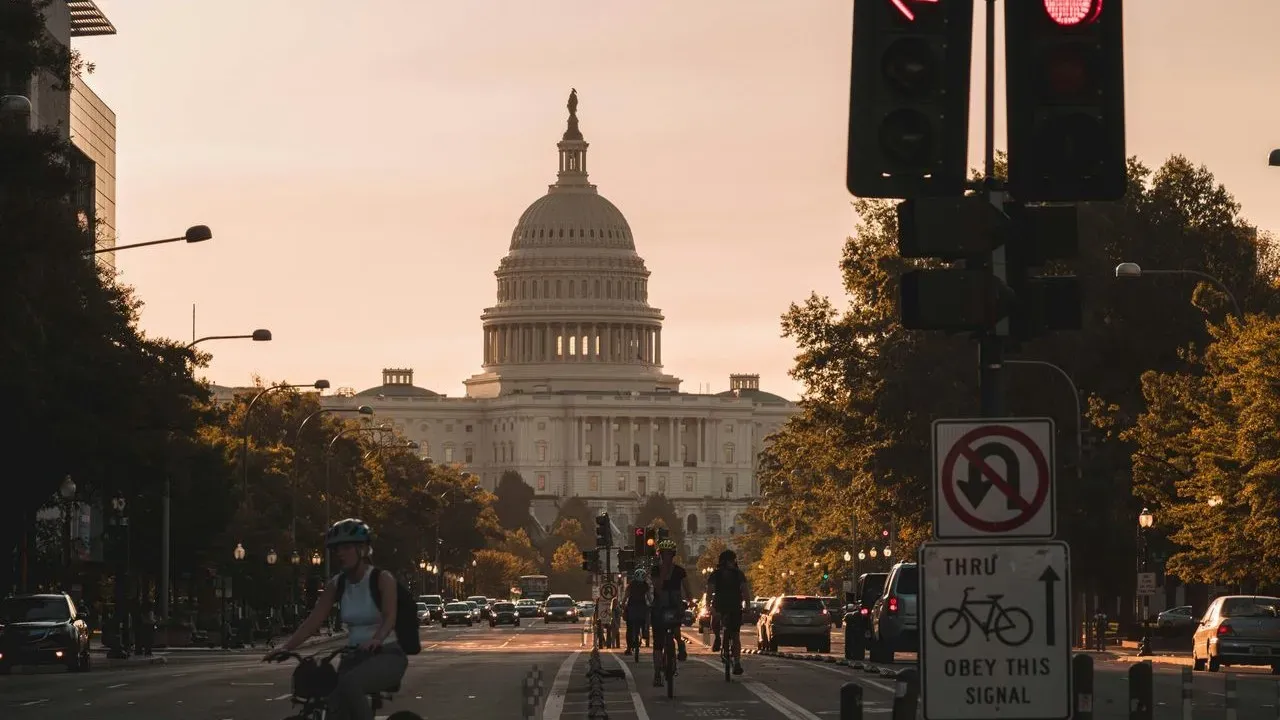

Washington, D.C. – Independence Day draws crowds from across the country to the nation’s capital, where parades, fireworks, and large public gatherings transform the city into a living celebration of American history. This year’s events require coordinated road closures and transit adjustments to keep participants and spectators safe while preserving access for residents and essential services. Travelers who plan ahead can still enjoy the iconic sights and sounds of the holiday without unnecessary delays.
Events Shaping the Weekend
Several major celebrations anchor the schedule and drive the need for temporary restrictions. The Freedom 250 Salute to America, multiple parades along Barracks Row and in the Palisades neighborhood, and a Washington Nationals baseball game on July 4 all converge on the same days. These gatherings concentrate visitors near the National Mall and surrounding streets, prompting officials to prioritize pedestrian movement and emergency access over normal vehicle flow. The result is a layered series of restrictions that begin days before the holiday and peak on July 4 itself. Drivers who understand the timeline can choose routes or departure times that avoid the most affected corridors.
Closures Across the District
Restrictions in Washington begin as early as June 29 and intensify through the weekend. Constitution Avenue, Independence Avenue, and numerous cross streets near the Mall face progressive closures, with some segments posted for emergency no-parking and others fully closed to through traffic. Additional measures on July 3 and 4 affect bridges, expressway ramps, and local streets around the Lincoln Memorial and the 14th Street Bridge. Parade-specific rules add further detail. The Palisades Parade limits parking and closes portions of MacArthur Boulevard on the morning of July 4, while the Barracks Row Parade restricts 8th Street SE and adjacent blocks from early morning until noon. Motorists should expect heavy congestion around these areas even outside the posted closure times.
Virginia and Arlington Adjustments
Across the Potomac, Arlington County and partner agencies close Memorial Bridge, Theodore Roosevelt Bridge, and segments of the George Washington Parkway for the fireworks display. Additional ramps and local roads near Fort Myer and Rosslyn face timed restrictions from midday July 4 through the early hours of July 5. The Air Force Memorial remains closed for the day, and street parking in surrounding neighborhoods is limited. These measures protect both spectators and the fireworks operations while directing traffic onto alternative routes such as I-66 westbound. Local access remains available for residents in most cases, though visitors should allow extra time for any travel involving these corridors.
Metro Service and Practical Tips
WMATA will operate free fares systemwide from 5 p.m. on July 4 until 2 a.m. the following morning, with increased rail service to handle larger crowds. Enhanced security measures, including fencing and checkpoints around the Mall, mean visitors should build extra time into their itineraries and consider public transit as the most reliable option for reaching central events. A short list of traveler recommendations follows directly from the announced changes:
– Check real-time updates on the WMATA website before departing.
– Allow additional travel time for any route crossing the 14th Street or Arlington Memorial bridges after midday on July 4.
– Use Metrorail for Mall-area events rather than attempting to park near closed streets.
– Confirm parade start times and associated restrictions if attending neighborhood celebrations. With thoughtful preparation, the weekend offers a memorable way to experience the capital at its most festive. The closures exist to protect the very celebrations that draw so many people to Washington each year.
AI Disclaimer: This article was created with the assistance of AI tools and reviewed by a human editor.