
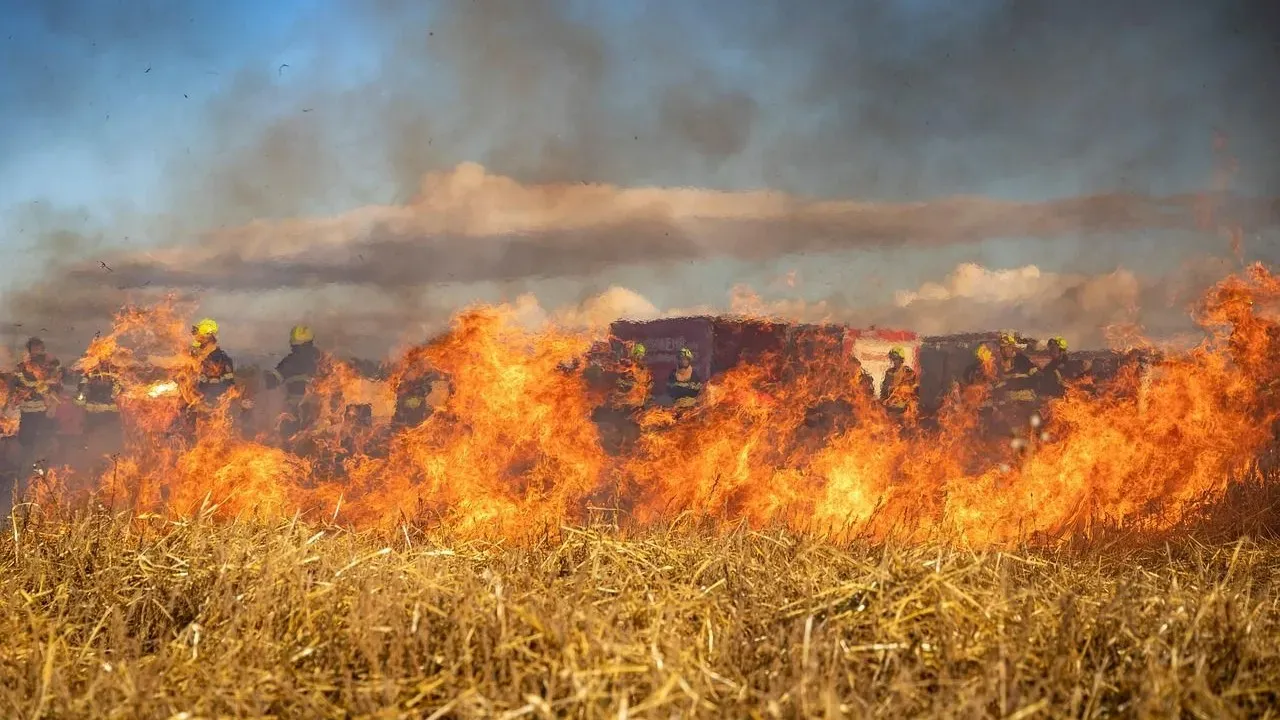

Spokane, Washington – Governor Bob Ferguson declared a statewide state of emergency on August 1, 2026, in response to multiple wildfires burning across the state amid extreme drought, high temperatures, and strong winds. The proclamation includes a ban on most outdoor and agricultural burning through September 30. In the Spokane area, fast-moving fires such as the Old Trails Fire have prompted Level 3 evacuation orders for thousands of residents, with additional Level 2 alerts in surrounding neighborhoods.
Understanding the Scope of the Emergency
The declaration covers the entire state and activates resources to protect communities and limit further spread. Eastern Washington, including Spokane County, faces the most immediate conditions, with a rare “particularly dangerous situation” Red Flag Warning issued by the National Weather Service. More than 200,000 acres are burning statewide from a dozen large fires, and the Washington National Guard has been mobilized to support firefighting efforts.
Spokane County commissioners also approved a local emergency declaration to streamline response and access additional funding. These measures reflect the rapid evolution of conditions rather than any single incident, allowing officials to coordinate evacuations and public safety across a broad region.
Travel Considerations in Affected Areas
Travelers with plans involving Spokane, nearby national forests, or eastern Washington road corridors should monitor conditions closely before departure. Evacuation zones can shift quickly, and some routes may experience temporary closures or heavy emergency traffic. The burn ban affects campfires and similar activities, which may alter typical outdoor itineraries in the short term.
Many visitors choose the Pacific Northwest for its dramatic landscapes and quiet trails. During this period, flexibility becomes part of the experience. Shifting focus to western Washington destinations or indoor cultural sites can still deliver meaningful connections to the region while respecting local priorities.
Practical Steps for Responsible Planning
Staying informed helps travelers make thoughtful decisions that support both personal safety and community needs. Key actions include:
- Registering for local alerts through systems such as Alert Spokane or county emergency management channels.
- Checking official sources daily for evacuation levels, road status, and air quality reports.
- Preparing a go-bag with essentials even if current plans do not place you directly in affected zones.
- Confirming lodging and activity reservations, as some properties may serve as temporary shelters.
- Respecting all posted restrictions and following guidance from local authorities without exception.
These steps allow visitors to remain adaptable while minimizing any additional strain on emergency services.
Moving Forward with Care
Washington’s landscapes continue to draw people seeking connection with nature and local culture. In times of heightened risk, the most valuable contribution travelers can offer is patience and awareness. Checking conditions, supporting local businesses that remain open, and choosing lower-impact activities all help sustain the region’s appeal for future visits.
Updates from state and county emergency offices will continue to shape the picture in the coming days. Those planning trips can approach the Pacific Northwest with the same respect that defines meaningful travel anywhere.
AI Disclaimer: This article was created with the assistance of AI tools and reviewed by a human editor.