
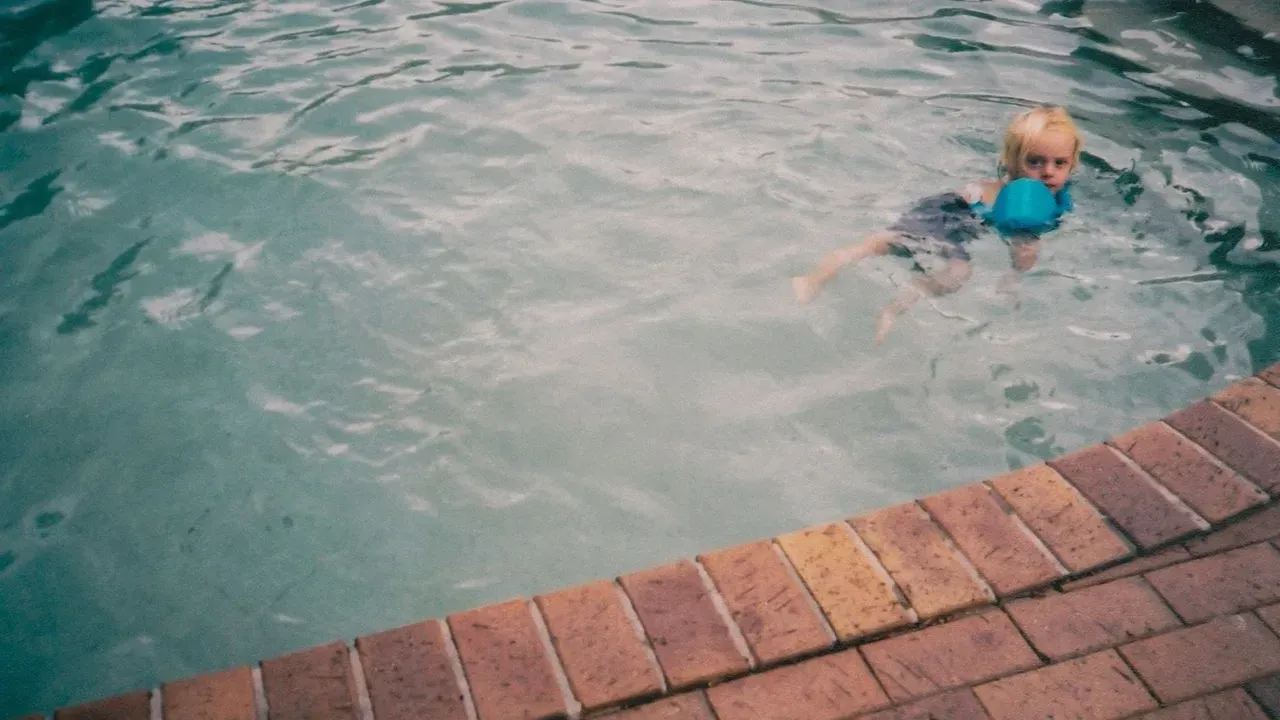

Pediatric experts are urging greater awareness as child drowning rates in the United States have edged upward in recent years. The trend interrupts earlier progress and carries particular weight for families who travel to beaches, lakes, or rental properties with pools. Preparation and consistent habits can reduce risks during these seasonal outings.
The Recent Shift in Drowning Trends
Unintentional drowning deaths among children declined steadily for decades, dropping from roughly 2,000 annually in the 1980s to under 1,000 by the early 2000s. Between 2000 and 2019 alone, the rate fell 38 percent, aided by expanded swimming lessons, public campaigns, and pool fencing requirements. That progress reversed after 2019, with deaths rising from 756 that year to 865 in 2024, the most recent year with complete data. Most of these incidents involved children under age five.
The COVID-19 pandemic played a central role by disrupting swimming lessons and lifeguard training programs, which contributed to staffing shortages at many facilities. At the same time, reports indicate more residential pools were built and some families experienced lapses in direct supervision. Preliminary figures for 2025 suggest a possible decline, yet the numbers remain above pre-pandemic levels, according to specialists tracking the data.
Practical Measures That Make a Difference
Research from the American Academy of Pediatrics highlights several policies and habits that have proven effective. These include requirements for lifeguards at public sites, life-jacket rules in certain settings, and fencing that fully encloses pools with self-closing, self-latching gates. For traveling families, the emphasis falls on personal routines that travel with them.
Swimming lessons for young children stand out as one of the most direct protections. Caregivers are also advised to maintain uninterrupted focus whenever children are near water, setting aside phones and other distractions. Life jackets serve as an added layer during boating or open-water activities, while alarms and other devices can provide supplementary alerts but are not substitutes for supervision.
Key steps for families:
- Enroll children in age-appropriate swimming and water-safety lessons before travel.
- Designate at least one adult to watch children at all times near pools, lakes, or beaches.
- Ensure life jackets fit properly and are worn during water activities.
- Check that rental properties have secure pool barriers and functioning gates.
- Learn basic rescue and CPR techniques through certified courses.
Programs Supporting Broader Access
Organizations such as the CDC Foundation have expanded training in states with elevated drowning rates, reaching more than 35,000 students with basic swimming and water-safety skills since 2024. The participating states include Alaska, Arizona, California, Florida, Georgia, Hawaii, Louisiana, Michigan, New York, Oklahoma, and Texas. The American Academy of Pediatrics continues to issue guidance on prevention even as some federal programs have faced staffing changes.
These efforts underscore that drowning prevention benefits from both individual action and community-level resources. Families planning summer trips can seek out local lesson providers or hotel programs that align with these recommendations, turning preparation into a routine part of travel planning.
Consistent attention to these measures helps families enjoy water destinations with greater confidence. The focus remains on practical steps that protect children while supporting memorable, responsible travel experiences.
AI Disclaimer: This article was created with the assistance of AI tools and reviewed by a human editor.