
Wind Is the Overlooked Villain of Every Beach Ceremony

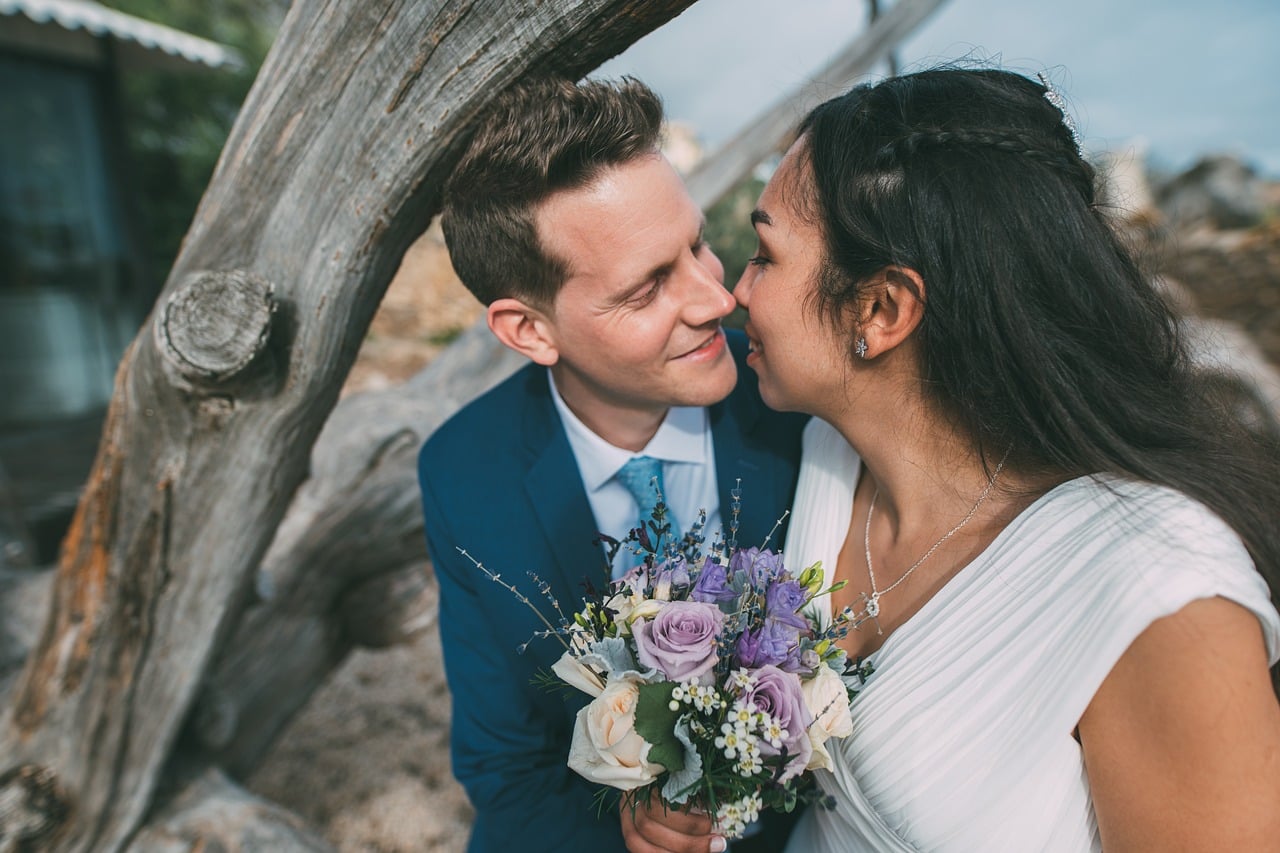
Everyone worries about rain. Experienced beach wedding planners worry about wind. Wind is constant, unpredictable, and affects almost every element of your wedding day in ways you won’t anticipate until you’re standing on the beach on a 20-knot afternoon watching your ceremony programs sail into the ocean. It touches the flowers, the audio, the hair, the vows, and the overall atmosphere in ways that are genuinely difficult to recover from in the moment.
The most common beach-wedding regret is underestimating wind. Planning around it specifically, rather than hoping for a calm day, is what separates a polished ceremony from a chaotic one. Design with wind in mind: low, compact centerpieces work far better than tall vases. Weighted vessels, stone, concrete, or heavy ceramic, hold their position. Avoid anything that relies on height or delicacy.
The Sound System Is the Detail That Determines Everything

The sound of the ocean may be romantic, but it can also make it difficult for guests to hear the ceremony. Wind can also interfere with microphones. This single issue, when ignored, can leave an entire gathering straining to catch a word of the vows, which is the one moment everyone came to witness.
To make sure every word is heard, invest in a good sound system or check if your resort or wedding planner can provide one. A wireless mic and speaker work well, and a windscreen can help keep the ocean breeze from overpowering the moment. Going further, think about getting a lapel mic for the groom, and not just the officiant, as a mic closer to the person talking doesn’t have to work as hard to pick up. Sound tests before the ceremony begins are non-negotiable.
Tide Timing Can Literally Shrink or Erase Your Ceremony Space
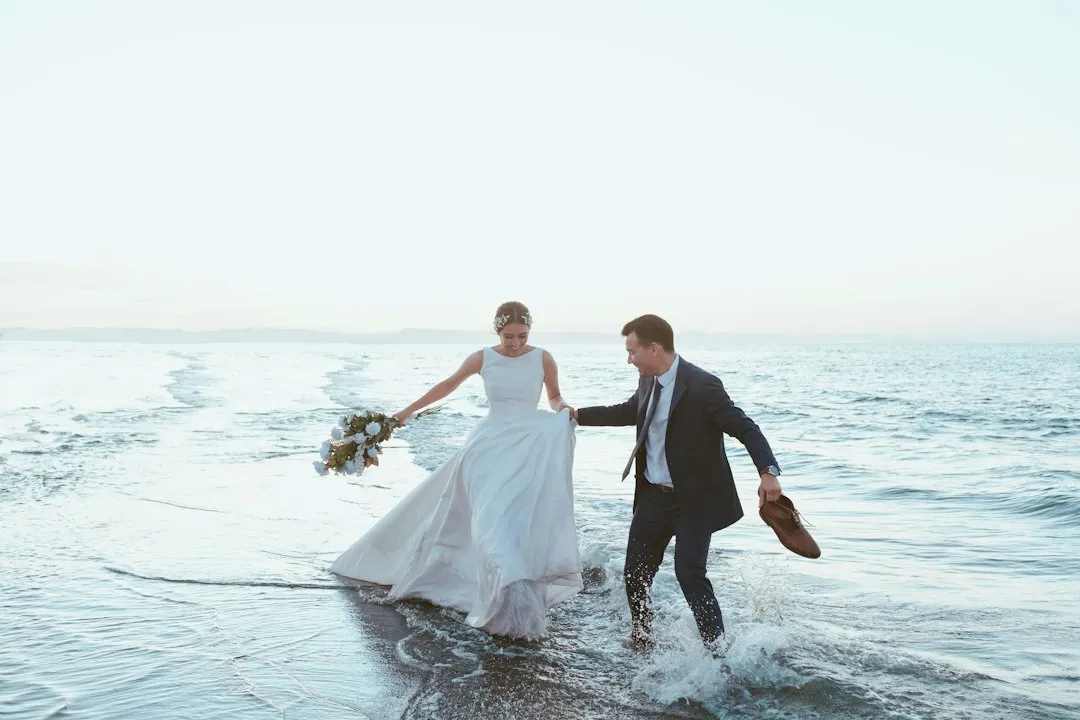
While weather is uncontrollable, the ocean tides are predictable. Check the tide schedule before settling on times for all your wedding festivities. This will help you pick the best time for your event, ensuring that high tide doesn’t interrupt your ceremony or reception. Many couples set a beautiful altar location during a morning site visit at low tide, then arrive on the wedding day to find that same spot underwater or compressed to a narrow strip of wet sand.
Ask your venue about tidal patterns and prevailing wind direction. Wind can ruin ceremony audio and wreak havoc on hair and florals. Many beach venues set up the ceremony facing into the wind, so confirm this is the plan. Tides are published well in advance and are entirely avoidable as a problem, which is exactly why resort planners treat them as a first-conversation priority.
Permits and Legal Requirements Are Rarely as Simple as They Seem

While a beach setting makes for a stunning wedding, the planning process isn’t as straightforward as a traditional celebration. Opting for a sandy soiree adds an extra level of complexity to your planning. On top of the standard wedding planning checklist, you’ll also have to worry about permits, regulations, accessibility, and so much more.
This is especially the case for private beaches and protected waterfront areas, like nature sanctuaries or residential neighborhoods. Some specialists who focus on beach weddings say that their teams handle the permit logistics and roll the cost into the couple’s final invoice. If you want a legal ceremony at the wedding destination, research the requirements nine to twelve months in advance and gather documents accordingly. In some destinations, you’ll need to pay for permits or meet local marriage law requirements. These vary by country, so working with a specialist to confirm legal versus symbolic ceremony requirements and any beach usage fees is essential.
Ceremony Orientation Shapes the Entire Guest Experience
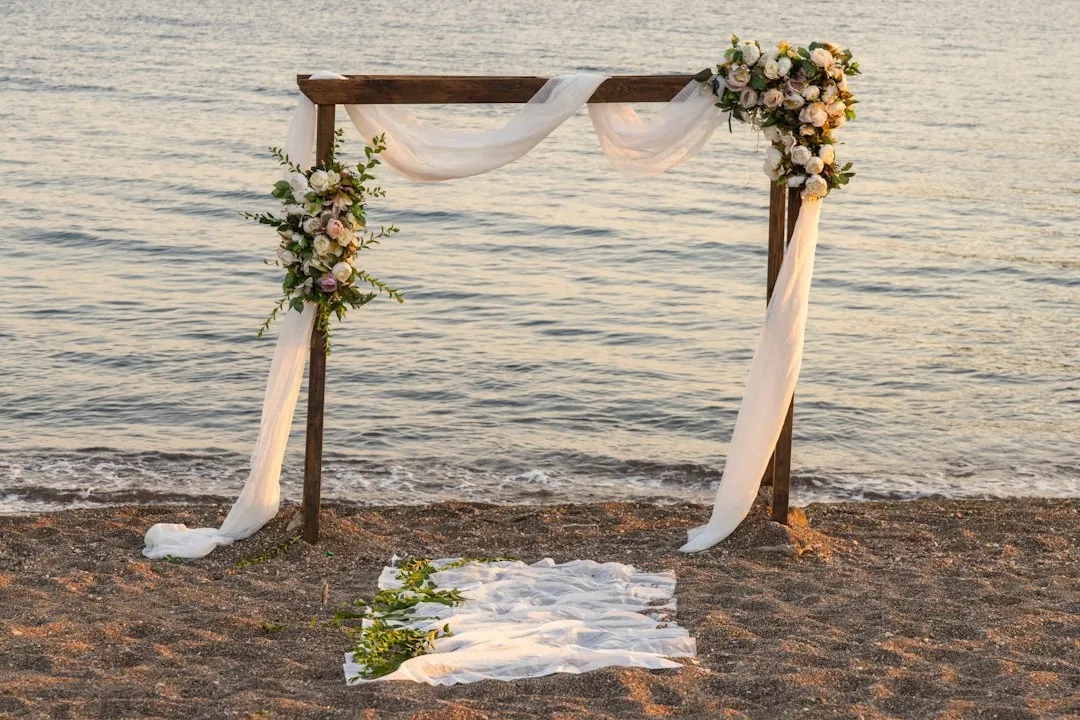
Where guests are seated relative to the wind and sun is one of those details that sounds minor until you’re actually sitting on a beach chair squinting directly into a blazing late-afternoon sky. Resort planners with real experience on their particular stretch of coastline know which direction the prevailing breeze runs at different times of day, and they set up accordingly.
Anchoring all decor with weights or stakes, choosing lightweight fabrics for attire, and orienting your ceremony setup to minimize wind in guests’ faces are all foundational decisions. Ceremony orientation also affects photography, since harsh backlighting from the wrong angle creates images that no editing can fully rescue. Getting this right requires knowing the specific location intimately, which is a core reason that resort-based planners with local knowledge are so valuable.
Flora and Décor Must Be Chosen for the Environment, Not Just for Aesthetics
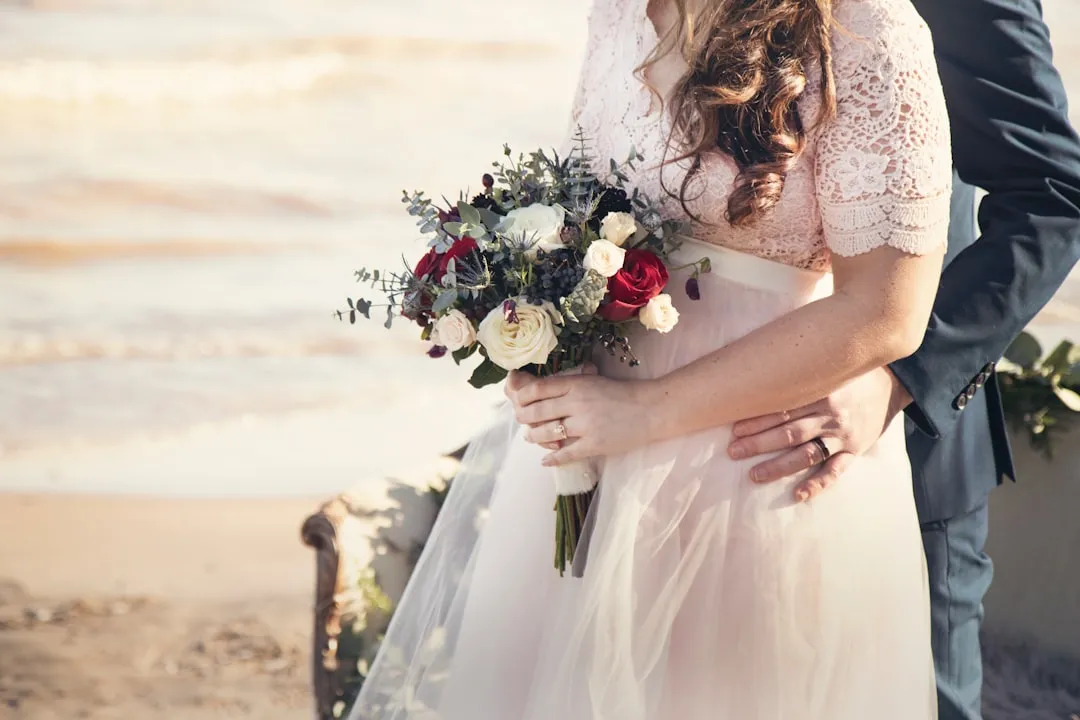
Beach breezes are refreshing, but they can also send lightweight décor flying. Avoid tall candles, loose ribbons, and balloons that might not stay put. Instead, go for sturdy pieces and secure smaller items with adhesive or weight them down. For flowers, choose heat-resistant blooms that can handle the sun without wilting before the ceremony even begins.
Chrysanthemums, calla lilies, king protea, and orchids thrive in beach settings. Delicate arrangements designed for an air-conditioned ballroom often collapse in coastal heat and humidity within an hour. Planners who specialize in beach ceremonies consistently steer couples toward low-profile, weighted floral designs not because they’re less beautiful, but because they’re the ones that actually look the way they’re supposed to when the ceremony begins.
Having a Genuine Backup Plan Is Not Optional
A beach wedding relies on nature’s cooperation, so always have a backup plan in case of unexpected weather. Many resorts have covered venues or indoor ballrooms as alternatives for ceremonies and receptions. The mistake couples often make is treating the backup as a remote hypothetical rather than a fully formed parallel plan with confirmed logistics, vendor awareness, and a clear trigger point.
Setting specific thresholds with your planner for switching to the indoor option is the professional approach. A practical standard used by many planners: activate backup if sustained winds reach 15 to 25 mph, rain probability exceeds 50 percent, or lightning is detected within 10 miles. Knowing the exact threshold in advance removes the agonizing on-the-day decision-making and keeps everyone calm.
Guest Communication Before the Day Prevents Unnecessary Discomfort
Guests need to know what to expect: terrain type, weather, appropriate attire, and more. Lack of information can lead to discomfort. Including clear details in invitations or on a wedding website helps. Recommending attire, footwear, and any other relevant information is part of hosting responsibly.
The same guidance that applies to the couple applies to guests as well. Using invitations or a wedding website to offer advice on what to wear to a beachfront wedding saves everyone considerable discomfort. Guests who arrive in stilettos to a sand ceremony, or who don’t realize there’s no shade, spend the ceremony physically miserable rather than present. Beyond standard wedding kit items, a day-of emergency kit should include reef-safe sunscreen, bug spray, flip-flops or foldable flats, anti-chafing balm, oil blotting sheets, a compact umbrella, and extra water bottles.
Booking Far Enough in Advance to Secure the Right Spot
The best beachfront venues fill up 12 to 18 months in advance, especially at peak-season destinations like Santorini and Maui. Book these before anything else. This is a detail that surprises couples who approach a beach wedding the way they might approach booking a hotel room, assuming availability is fluid. The ceremony location itself, specifically the right stretch of beach at the right time of day with the right tidal window, is a finite resource.
Many couples find a resort they love online, book it directly, then start planning the wedding after the fact. This limits options in ways that aren’t obvious until it’s too late: certain resorts blackout wedding dates during peak seasons, some properties don’t accommodate the ceremony type you want, and direct bookings often miss group rates, complimentary wedding packages, or perks. The beach ceremony landscape has grown considerably. The destination wedding market reached $36.49 billion in 2024, representing a 32 percent compound annual growth rate from 2023. That growth means competition for premium coastal slots is real and only increasing.
Choosing Vendors Who Have Worked Specifically on Beaches
Hiring people who have already worked weddings on the beach matters enormously. When booking vendors, making sure everyone involved is beach-experienced, from planners and coordinators to hair and makeup artists, sound technicians, and anyone else working the ceremony, is what separates a team that anticipates problems from one that reacts to them. A photographer who has never dealt with sand glare or the particular quality of coastal light at different hours will struggle in ways an indoor specialist simply wouldn’t.
For a truly stress-free beach wedding, planning is key, especially when hosting an outdoor celebration. Having a beach wedding planner on your team makes all the difference, handling every detail so you can focus on the magic of the moment. Roughly one in four couples opts for a destination wedding. Beach locales remain a favorite, but other unique destinations are growing in popularity as couples seek out stunning backdrops and experiences that double as a mini-vacation for their guests. The demand is there. The question is whether the team executing your vision actually knows the specific challenges of the environment they’re working in.
The One Thing That Ties It All Together
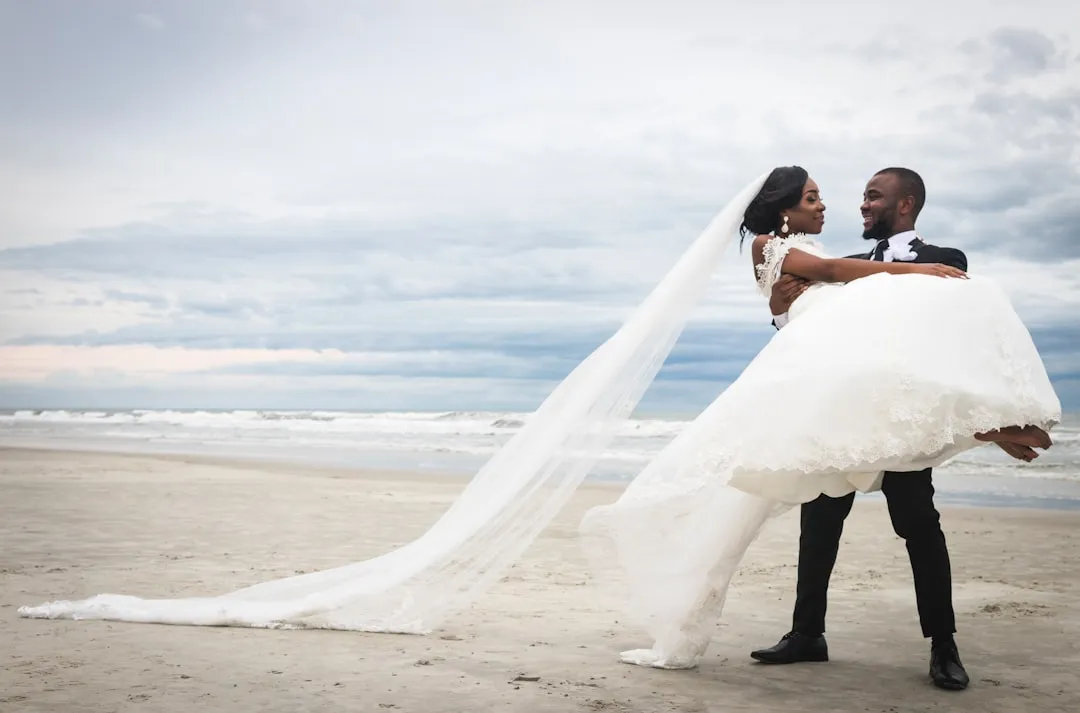
Ask any seasoned resort wedding planner what separates the ceremonies that feel effortless from those that feel managed, and the answer tends to come back to the same point: treating the beach as a collaborator rather than a backdrop. The couples who arrive at their ceremony relaxed and present are almost always the ones whose planners spent months learning the specific behavior of that particular stretch of shoreline.
The ocean doesn’t adapt to your timeline. Most beach weddings come out beautifully, and most of the beauty comes from planning around the specific environment rather than against it. Wind, tide, sound, light, and logistics are not obstacles to romance. They’re simply the terms the coast offers. The planners who understand that tend to deliver ceremonies that guests talk about for years, not because nothing went wrong, but because everything felt exactly right.
AI Disclaimer: This article was created with the assistance of AI tools and reviewed by a human editor.