
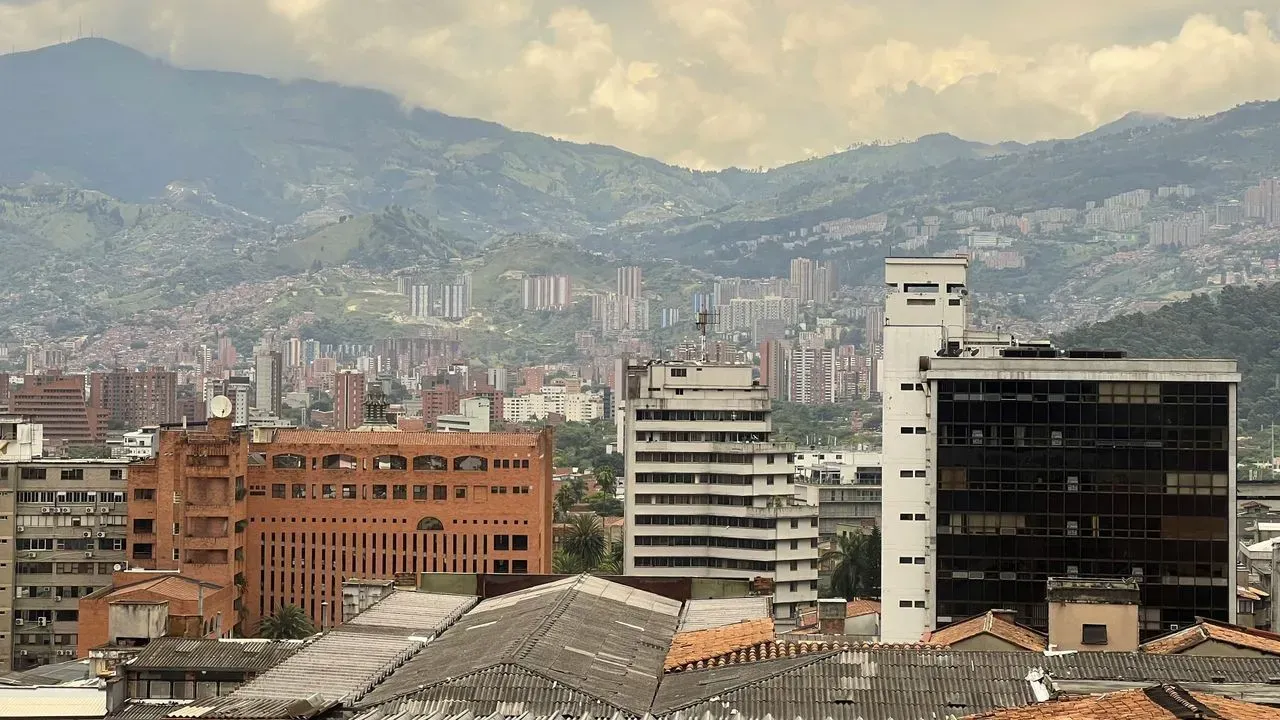

Western Colombia – A 7.4-magnitude earthquake centered near San José del Palmar, about 250 miles west of Bogotá, has drawn attention across the Andean region. The event unfolded in a landscape of cloud forests and mountain communities that many visitors come to explore for their rich biodiversity and living traditions. Travelers already in Colombia or planning trips there now face a moment to pause, gather reliable updates, and move forward with care.
The Location and Its Significance
San José del Palmar sits in the western reaches of the country, where the terrain rises sharply from coastal lowlands into the folds of the Andes. This area forms part of Colombia’s broader tapestry of protected natural zones and small towns that welcome visitors interested in hiking, birdwatching, and learning about local agricultural practices. The earthquake’s reach reminds travelers that the same geological forces shaping these dramatic vistas also require ongoing respect and preparedness.
Immediate Steps for Those Planning Travel
Anyone with upcoming itineraries should begin by reviewing official travel alerts from their home government and Colombia’s tourism authorities. Flight schedules and ground transportation in affected zones may shift as assessments continue, so direct contact with airlines and local operators offers the clearest picture. Many travelers find it helpful to build flexibility into their plans, allowing extra time or alternative routes if conditions warrant. P
ractical preparation also includes confirming that travel insurance covers natural events and noting emergency contact numbers for the region. Those already on the ground benefit from staying in touch with hotel staff or tour guides who know the latest local conditions. Checking in with the nearest embassy or consulate provides another layer of current information tailored to international visitors.
Respectful Ways to Engage with the Region
Colombia’s western communities have long balanced tourism with the rhythms of daily life, and this moment calls for the same thoughtful approach. Visitors can support local economies by choosing operators who maintain strong ties to the area and who contribute to recovery efforts in transparent ways. Simple acts such as purchasing crafts directly from artisans or dining at family-run establishments help sustain livelihoods while the region stabilizes.
Responsible travelers also pay close attention to any guidance from local authorities about access to trails, parks, or cultural sites. Many protected areas in Colombia emphasize low-impact visitation, and that principle remains especially relevant now. By traveling with patience and awareness, visitors demonstrate respect for both the landscape and the people who call it home.
- Monitor official sources for the latest safety guidance.
- Confirm all bookings and transportation directly with providers.
- Consider flexible itineraries that allow adjustments.
- Support recovery through ethical local spending when appropriate.
Looking Ahead with Care
Earthquakes form part of the natural story of Colombia’s mountainous west, yet the region continues to draw people who value its forests, rivers, and cultural depth. Travelers who approach the area with preparation and empathy help ensure that tourism remains a positive force. Checking reliable updates regularly and traveling with intention allows visitors to experience western Colombia’s distinctive character while honoring the resilience of its communities.
AI Disclaimer: This article was created with the assistance of AI tools and reviewed by a human editor.