
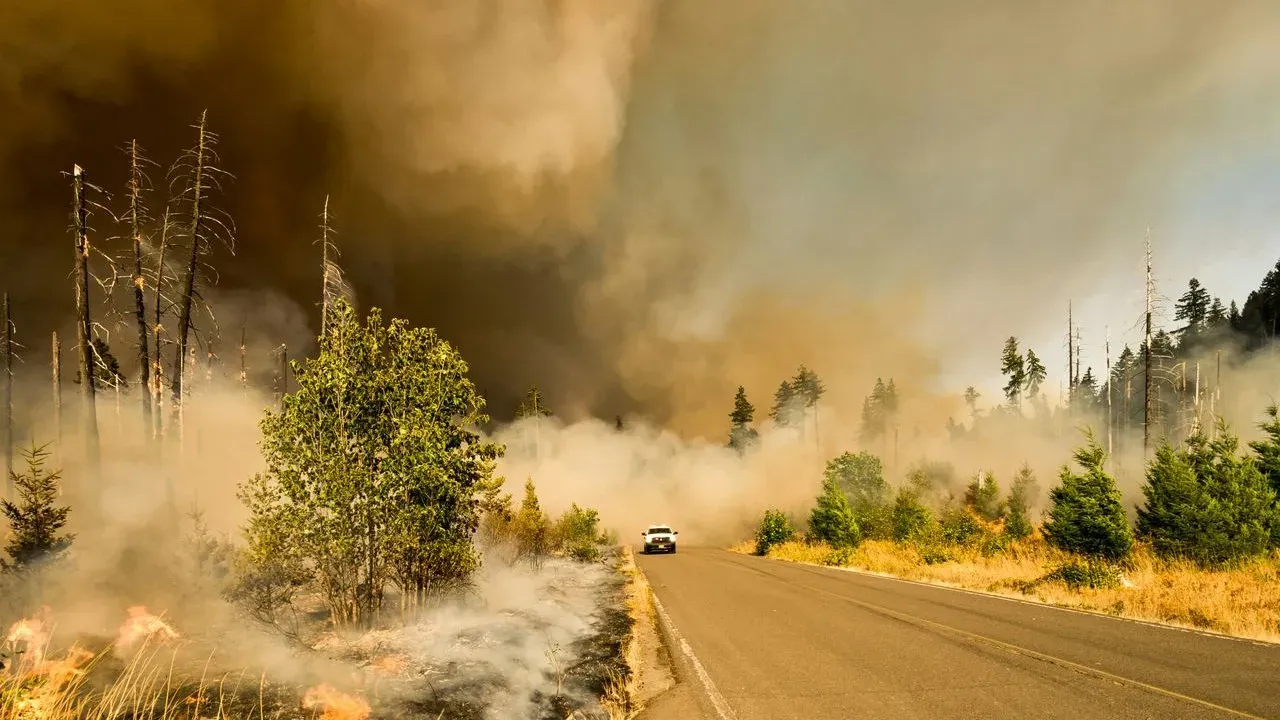

Western states are experiencing a sharp spike in temperatures this weekend, with several cities forecast to approach or break daily records. The pattern stems from a strong ridge of high pressure that is trapping heat near the ground across a broad stretch from the desert Southwest into the northern Rockies. Travelers heading to national parks, scenic drives, and other outdoor destinations will notice the effects most during midday hours.
Where the Heat Is Most Intense
Las Vegas is expected to reach 115 degrees Fahrenheit on Saturday, ten degrees above the seasonal norm. Phoenix may climb to 116 degrees, while El Centro, California, could touch 118 degrees. Even Great Falls, Montana, is on track for a record 104 degrees. These readings matter for anyone planning hikes, scenic overlooks, or campground stays because the heat lingers into the evening with overnight lows remaining in the upper 80s and low 90s. The National Weather Service has issued extreme heat warnings across much of the affected region. Conditions are expected to ease by Monday in many northern areas, yet the immediate weekend still requires careful timing for outdoor activities.
Wildfire Risk and Park Access
Elevated temperatures and very low humidity are increasing fire danger in already dry landscapes. Eastern Washington is under a particularly dangerous red-flag warning, and Washington’s governor has declared a state of emergency while restricting most outdoor burning. Eastern Oregon faces similar alerts, with several large fires already active. Southern California, excluding the immediate coast, carries an enhanced risk through Sunday. Park visitors should check official alerts before setting out. Some trails or roads may close temporarily for safety, and campfires or charcoal grills are likely restricted in many locations. These measures protect both travelers and the landscapes they come to enjoy.
Staying Safe While Exploring
Simple adjustments keep trips comfortable and responsible. Start hikes at first light and finish by mid-morning. Carry more water than usual – roughly one liter per hour of moderate activity – and include electrolyte options. Seek shade or air-conditioned visitor centers during peak heat. Many communities have opened or extended cooling centers. In Phoenix, facilities such as the Justa Center welcome the public for rest, water, and light meals. Using these resources when needed supports local efforts to care for residents and visitors alike. – Monitor the National Weather Service and park websites for real-time updates.
– Adjust itineraries to favor shaded or indoor experiences during the hottest hours.
– Respect fire restrictions and report any smoke or flames immediately.
– Travel with extra fuel and supplies in case routes change due to fire activity.
Planning Ahead with Care
This heat wave is expected to be relatively brief, yet it underscores the value of flexible itineraries. Checking conditions the night before and having backup indoor or lower-elevation options ready reduces stress. Many parks offer early-morning ranger programs or shaded museum exhibits that remain enjoyable even on hot days. Travelers who prepare thoughtfully can still experience the region’s remarkable landscapes while minimizing risk to themselves and to the places they visit. The same care that protects personal well-being also helps local communities manage resources during demanding weather.
AI Disclaimer: This article was created with the assistance of AI tools and reviewed by a human editor.