
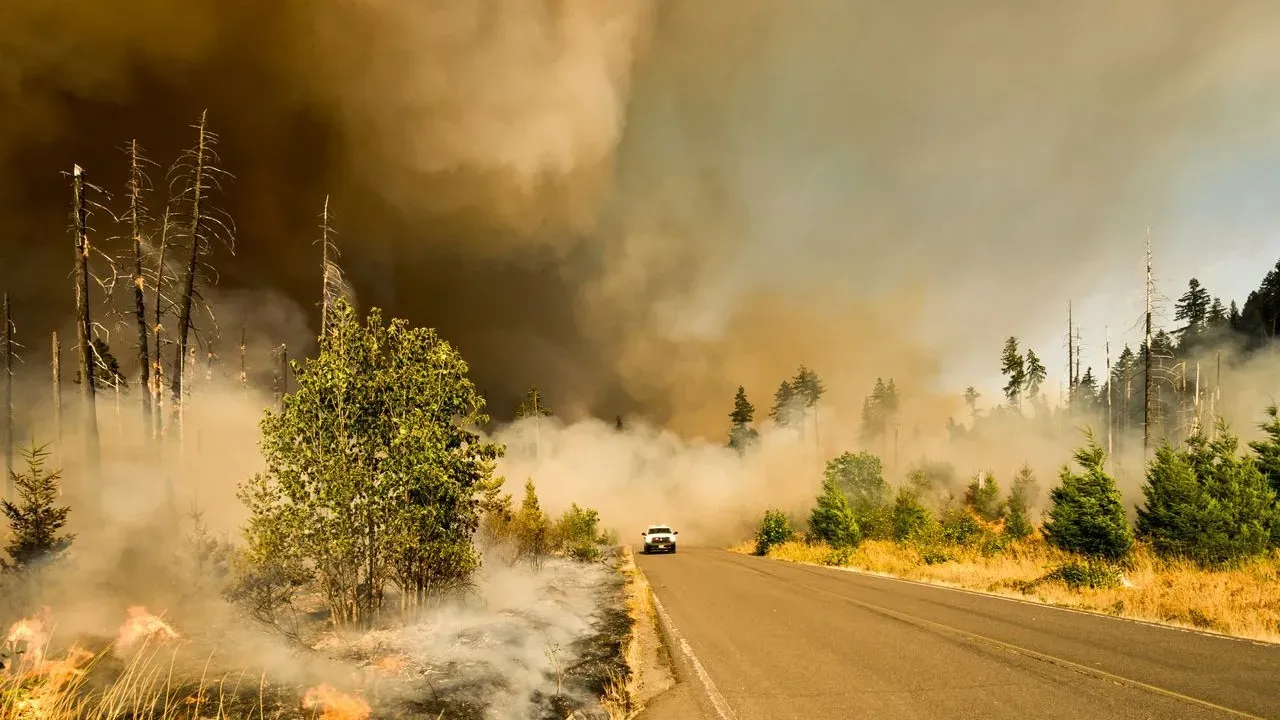

Travelers with routes through the western United States and Canada are adjusting itineraries this season as more than 40 large wildfires burn across the region. Severe drought has intensified conditions, while western Canada contends with over 100 additional blazes. The situation affects national parks, scenic drives, and small communities that rely on visitors, yet many areas remain open with proper preparation.
Where Conditions Are Most Active
The fires span a broad stretch of the West, from forested mountain ranges to drier grasslands. National parks and public lands in several states have implemented temporary restrictions or full closures in affected zones to protect both visitors and firefighters. In Canada, similar measures apply across provinces where blazes have prompted localized evacuations.
Air quality has become a daily consideration for anyone outdoors. Travelers report checking real-time updates before setting out on hikes or drives that cross into higher-risk zones. The drought itself, now in its second consecutive year in many areas, has left vegetation unusually dry and increased the speed at which fires can spread.
How the Fires Are Shaping Itineraries
Road trips that once followed a fixed path now include built-in flexibility. Some visitors have shifted departure dates by a few days or rerouted through less impacted corridors to avoid smoke. Others have chosen to base themselves in one location longer, supporting local businesses while monitoring conditions rather than moving frequently.
Park rangers and tourism offices emphasize that many popular sites continue to welcome guests. Early morning visits often offer clearer skies, and indoor interpretive centers provide educational alternatives when outdoor trails close. These adjustments allow travelers to experience the landscapes they came to see while respecting current limitations.
Steps for Responsible Travel Right Now
Thoughtful preparation helps both visitors and host communities. Consider these practical measures:
- Review official park and forest service websites each morning for the latest closures and air-quality readings.
- Pack layers and masks suitable for variable smoke levels, and carry extra water in case routes change.
- Choose lodging and tour operators that follow local guidelines and contribute to community recovery efforts.
- Support restaurants and shops in towns that remain open, helping sustain economies during a challenging period.
- Leave no trace principles become even more important when vegetation is stressed by drought.
Many travelers also build in buffer days at the end of their trips. This simple step reduces pressure if a sudden closure requires an overnight change in plans.
Looking Forward With Care
The current fires remind travelers that western landscapes are dynamic and require ongoing respect. Those who plan with current information in hand often find their experiences remain meaningful, even when routes shift slightly. Communities across the region continue to welcome visitors who arrive prepared and mindful of local needs.
As the season progresses, conditions will evolve. Staying informed through trusted sources allows travelers to move through these landscapes with both curiosity and consideration for the people and places they encounter along the way.
AI Disclaimer: This article was created with the assistance of AI tools and reviewed by a human editor.