
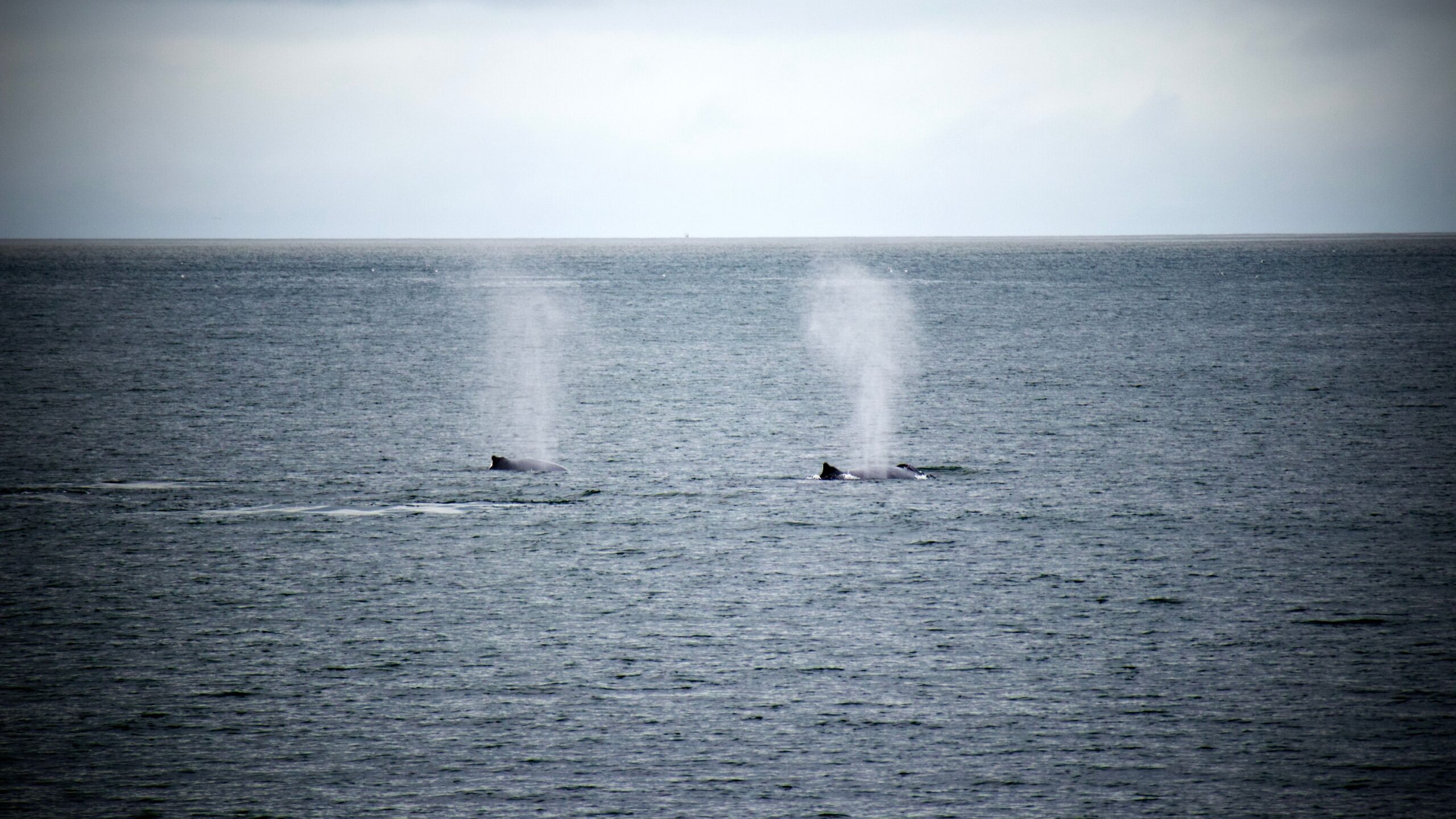
There’s a question that nearly every first-time whale watcher asks before boarding the boat: when exactly should I go? The answer, according to the people who navigate these waters day after day, is more precise than most travelers expect. Timing isn’t just a convenience consideration. It can genuinely be the difference between a spectacular encounter and a long, empty horizon.
Experienced whale-watching captains and marine guides have spent years reading the ocean, and their insights consistently point to specific windows of the day. Understanding what drives those windows, from light and sea state to prey behavior and tidal rhythm, helps you book smarter and arrive prepared.
Early Morning Is the Window Captains Trust Most
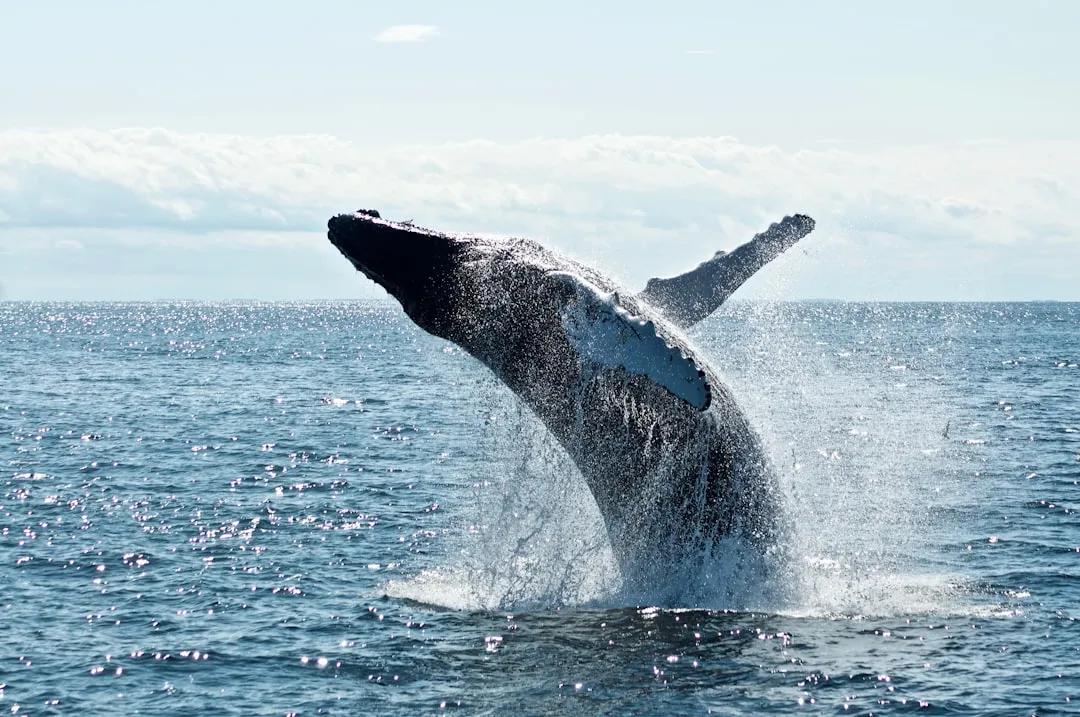
Marine biologists and seasoned whale-watching guides consistently highlight early morning and late afternoon as the best time windows. Of those two, the early morning departure gets the strongest endorsement from working captains. Morning tours benefit from calmer seas and less boat traffic, making whales easier to spot when they surface, and because marine mammals are more active after resting overnight, the sightings tend to be more dynamic and engaging.
Calm seas between 6:00 and 8:00 in the morning often reveal subtle blows and tail flicks that choppy midday waters can hide, making this time ideal for spotting distant whales. It’s a simple physics advantage that captains have known for generations.
The Science Behind the “Golden Hours”
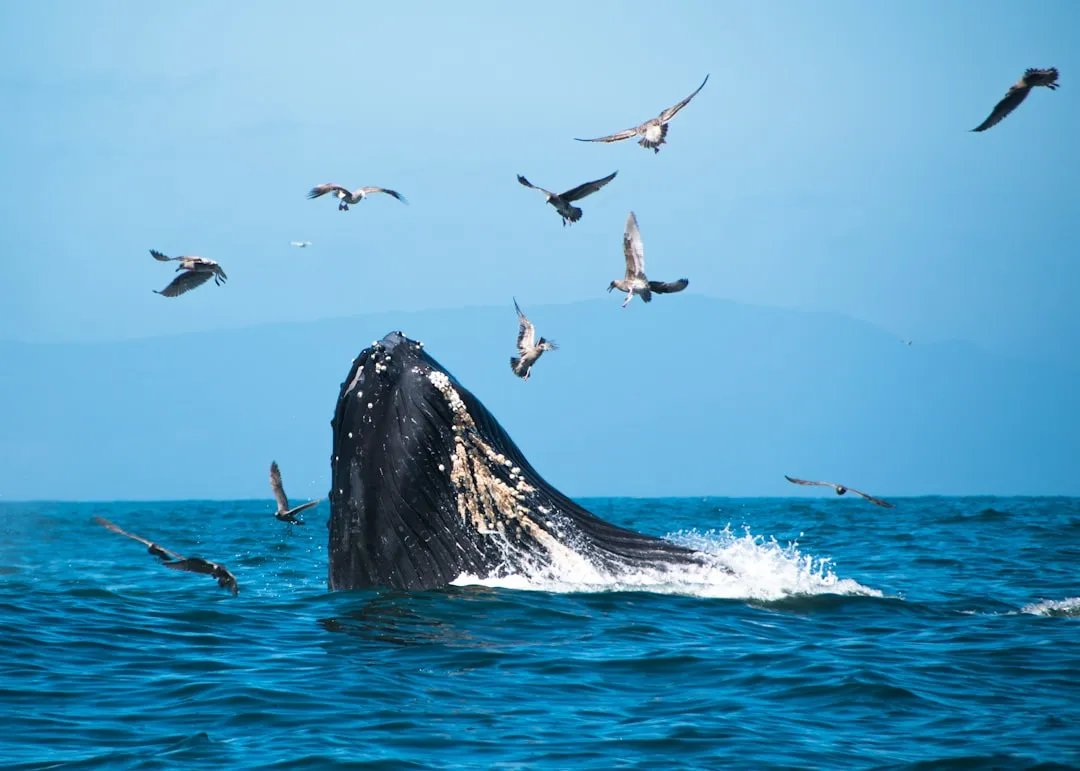
Marine biologists monitor the “Golden Hours” at dawn and dusk as they represent the highest metabolic output for species ranging from massive blue whales to agile humpbacks, with plankton and forage fish aggregating in the upper water column during these periods, reducing the distance whales must travel to feed. This feeding concentration is a primary reason why early departures tend to produce richer sightings.
Because small fish and krill gather near the surface in the early morning, whales take advantage of this time to feed actively, and during morning feeding, cooler water temperatures and tidal movements concentrate prey, boosting whale activity near the surface, which means observers are more likely to witness whales lunging and diving. It’s a behavioral pattern, not a coincidence.
How Light Affects What You Actually See
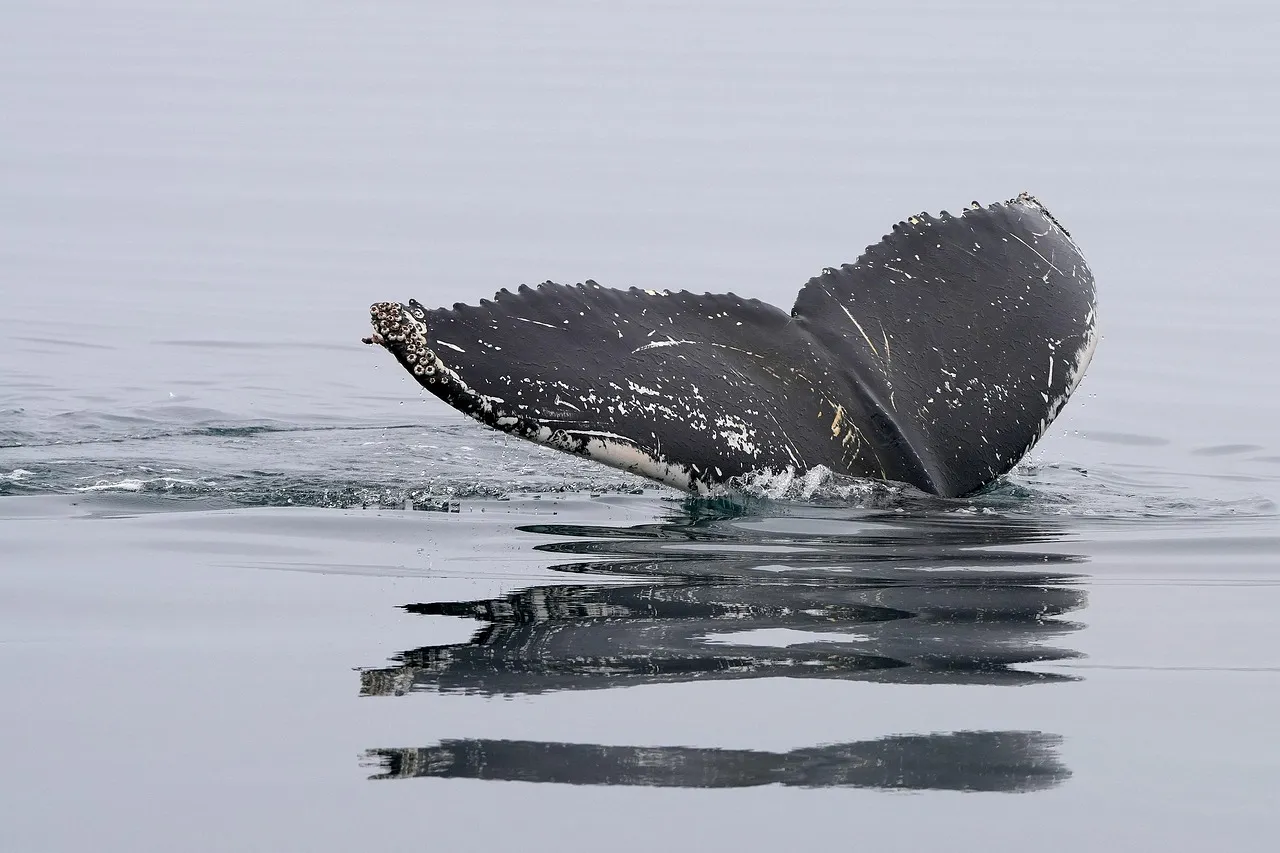
Early morning and late afternoon often offer optimal lighting for spotting whales, as the sun’s angle creates less glare on the water’s surface. This detail matters more than many passengers realize. A whale’s blow, that misty spout rising above the sea, is far easier to read when the sun isn’t bouncing directly off the water in front of you.
When heading out in the morning, the soft natural light makes it easier to spot whales without harsh glare or reflections, and the low sun angle enhances water visibility, helping observers see whales from farther away. Photographers especially appreciate morning light for the warmth and contrast it lends to every surfacing moment. Midday glare can make spotting whales considerably more challenging.
The Role Tides Play in Concentrating Whales
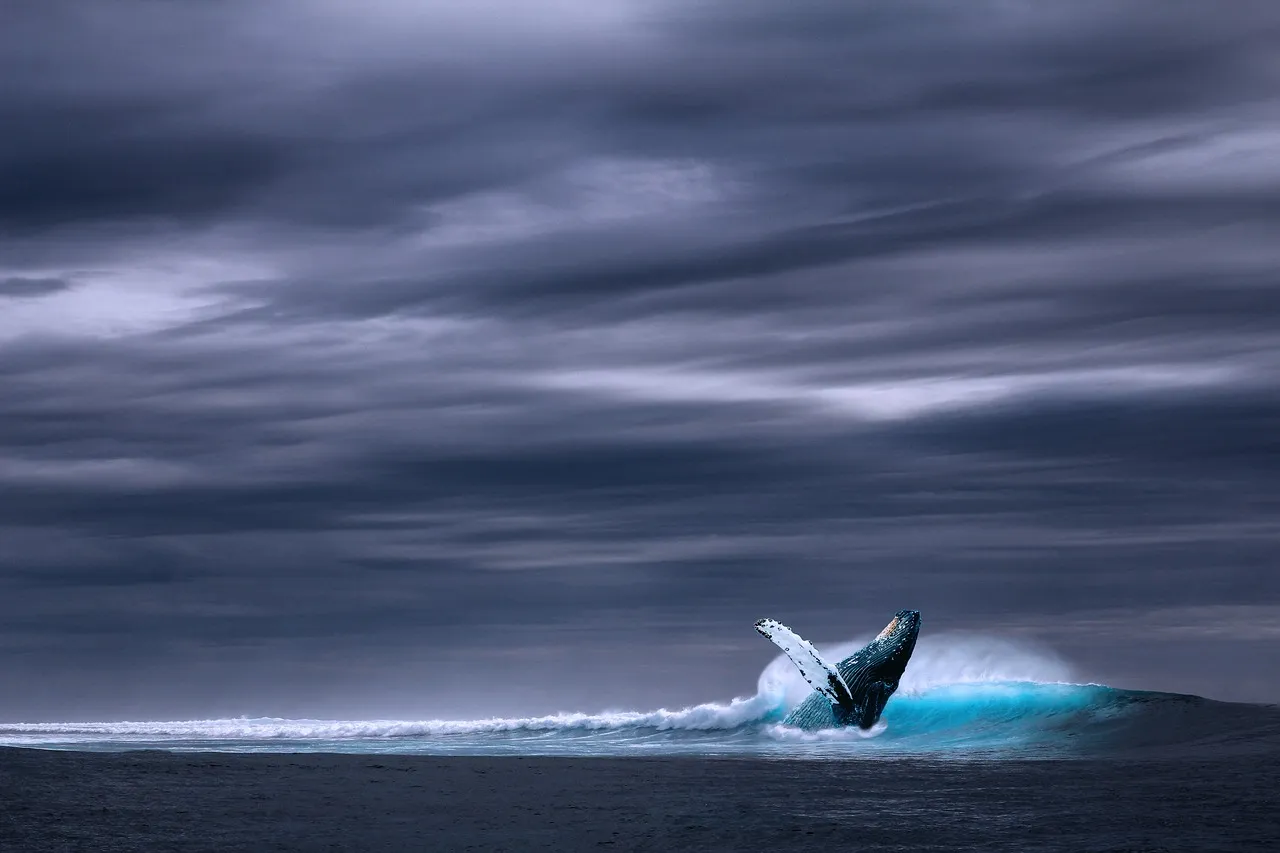
Behaviours such as movement, distribution, and foraging of some cetaceans are known to be associated with tides and currents, and the tide-related behaviours of marine megafauna are often linked to the movement and distribution of prey species. Experienced captains check the tide charts before every departure, and for good reason.
High tide can bring whales closer to shore, increasing the chances of spotting them, while low tide might expose feeding grounds, attracting whales to specific areas. Whales often follow tidal currents to areas rich in krill, plankton, and small fish. Knowing the tide schedule for your chosen departure port is as useful as knowing the whale season itself.
Morning Tours Get Fresh Intelligence Too
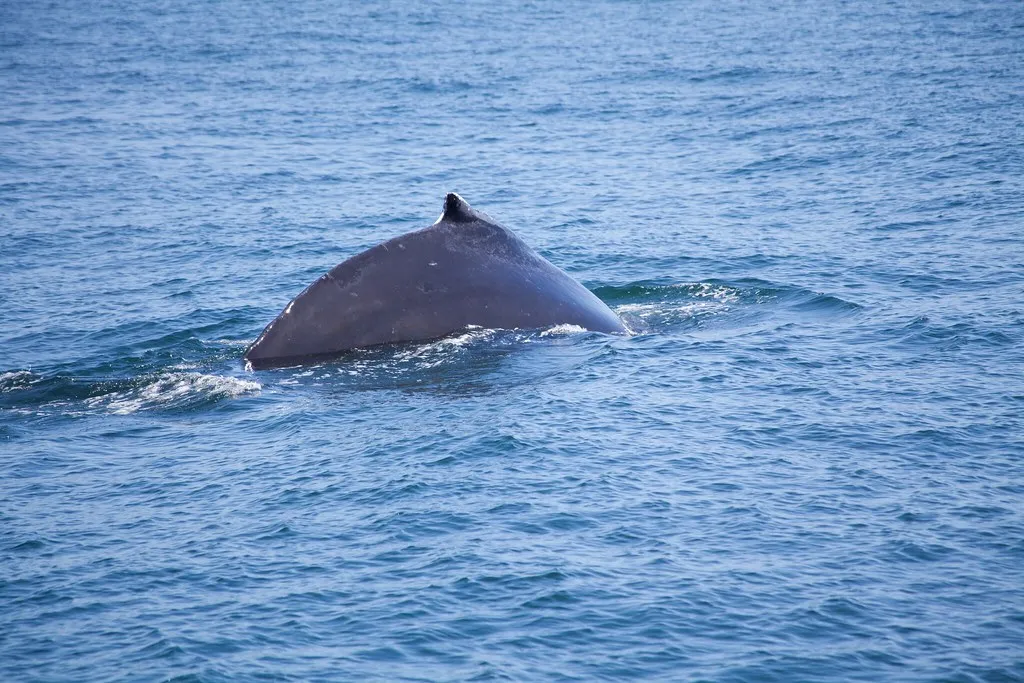
Morning tours, typically departing around 10 a.m., are known for calmer sea conditions, and with light winds and glassier water, mornings often provide the smoothest rides and the best conditions for spotting blows and flukes on the horizon. There’s another advantage that has nothing to do with nature.
Because the crew is heading out after reviewing the latest whale reports, morning tours often enjoy fresh, up-to-date intel on where whales and dolphins were last seen. That kind of real-time information matters in a world where a whale pod can be gone from a given spot within a few hours. Experienced tour operators often have a good understanding of whale behavior in their local waters and can use factors like tidal patterns, weather conditions, and recent sightings to increase the chances of a successful trip.
Why Afternoon Tours Still Have a Case for Orcas
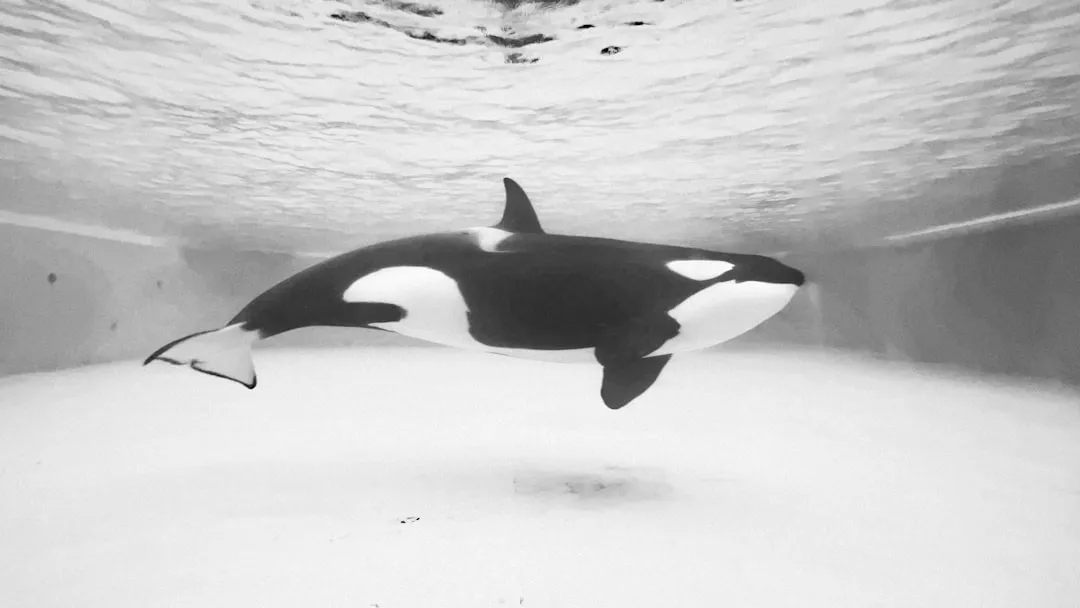
It’s worth noting that the morning advantage isn’t universal across every species. If seeing orcas is your main goal, afternoon tours often provide the strongest opportunity because captains can use hours of real-time whale sightings collected throughout the day before departing. This is a meaningful distinction that separates a general whale tour from a species-targeted expedition.
Orcas can travel more than 100 miles in a single day, and afternoon departures allow captains to use the latest verified sightings before beginning the search, increasing the opportunity to locate them. Some species, like dolphins, also become more playful and active later in the day. The right departure time genuinely depends on which animals you most want to see.
Sea State and Weather Conditions Matter as Much as the Clock
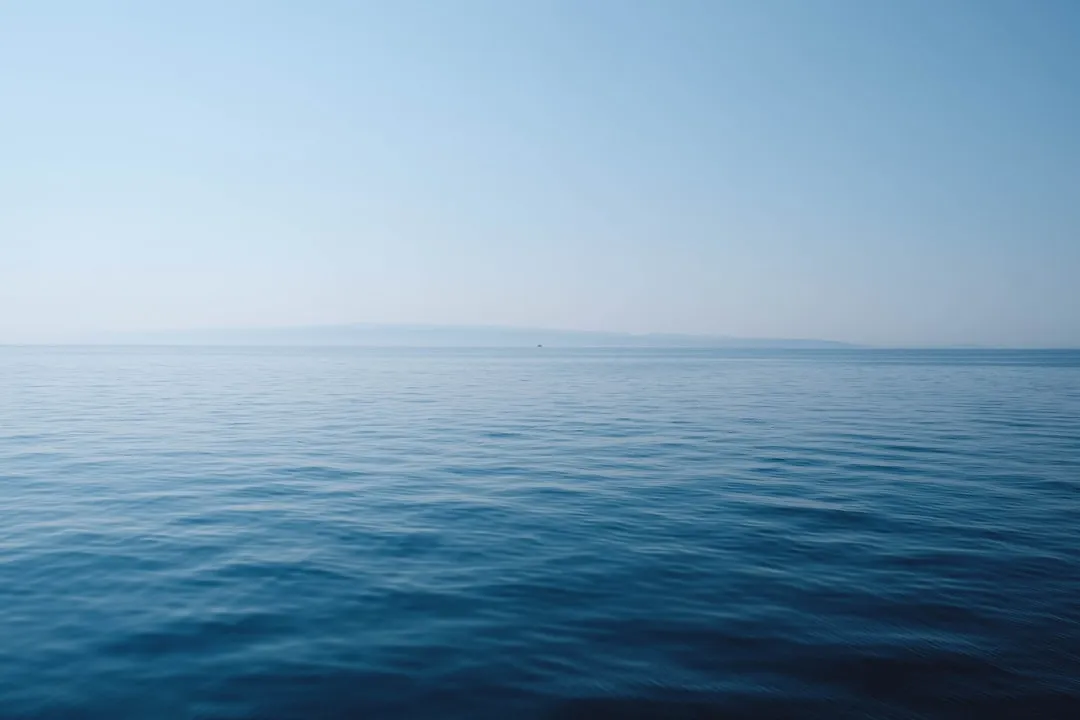
The ideal sea state is generally considered to be calm to slight, with minimal waves, as a lower sea state allows for easier detection of whale blows and other surface activity, and sea states are often measured using the Beaufort scale, with numbers 0 to 3 being considered optimal. Captains watch this number closely before casting off.
Calm seas and clear skies are ideal for whale watching, as choppy waters and fog can significantly reduce visibility, and morning often brings calmer winds and clearer skies than evening, though this can vary significantly by region and season. A morning tour on a calm day will almost always outperform an afternoon tour in breezy, turbulent conditions, regardless of what species are nearby.
Species Behavior Shapes the Optimal Window
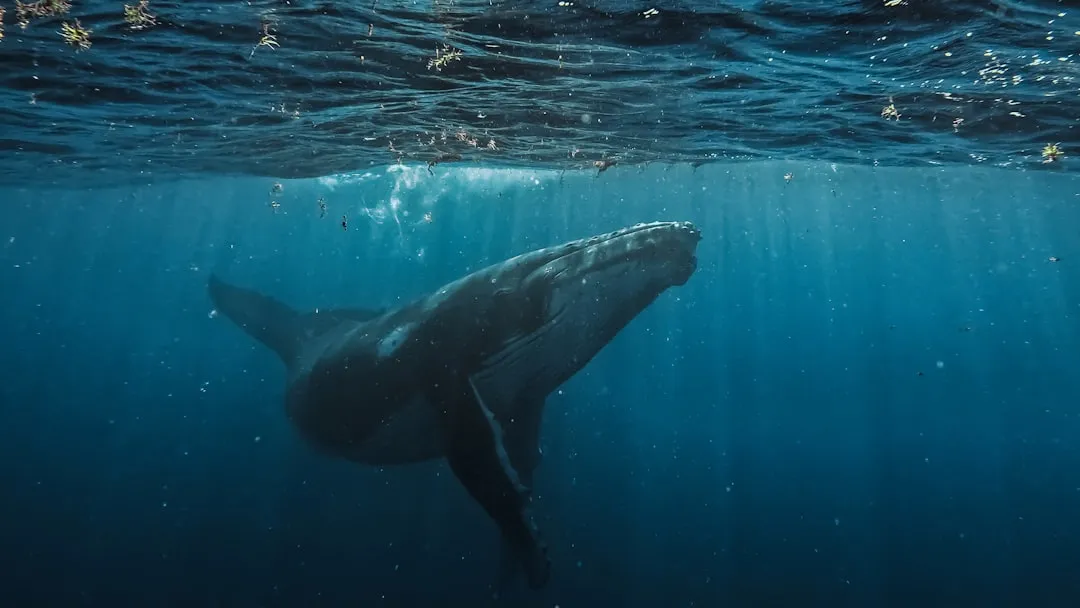
Different whale species exhibit varied feeding and migration patterns, impacting the ideal viewing time, and humpback whales, for example, are often most active during feeding times, which can vary depending on location and season. No single rule applies to every species at every latitude, which is why local expertise matters so much.
While some whales exhibit clear diurnal or nocturnal activity patterns, many display crepuscular behavior, showing heightened activity during the transition periods of dawn and dusk. During summer months, humpbacks, gray whales, and minke whales visit nutrient-rich feeding grounds and can consume up to one ton of food per day. That kind of intensive feeding creates visible surface activity throughout much of the day, making summer departures particularly rewarding regardless of time.
Location Changes Everything About Timing
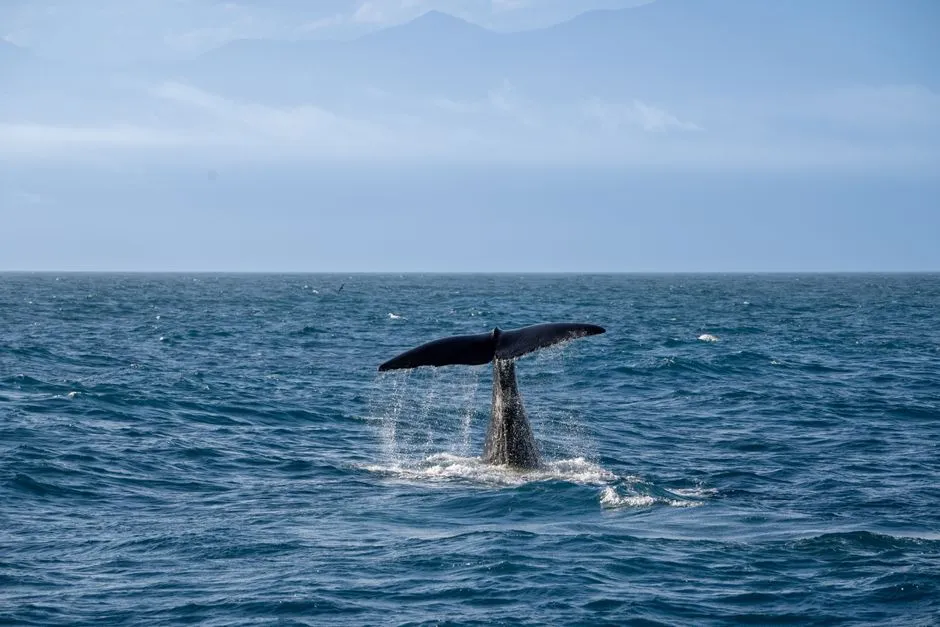
The geographical location is perhaps the most critical factor in deciding the best time of day to go whale watching, as coastal areas with sheltered bays or deep-water channels can provide better viewing opportunities regardless of the overall time of day, because they create protection from winds and waves. A well-chosen geography can partly compensate for a less ideal departure time.
Areas with high whale traffic due to migration routes are generally better choices than areas with fewer whale sightings, and local guides have invaluable knowledge about the most reliable spots. Booking with a locally based operator who works a specific stretch of coastline consistently is one of the most reliable decisions a whale watcher can make. Geographic location greatly impacts what time of day whales are most active, as factors like water temperature, current patterns, and prey distribution can vary dramatically from one area to another.
What the Sighting Rate Numbers Actually Suggest
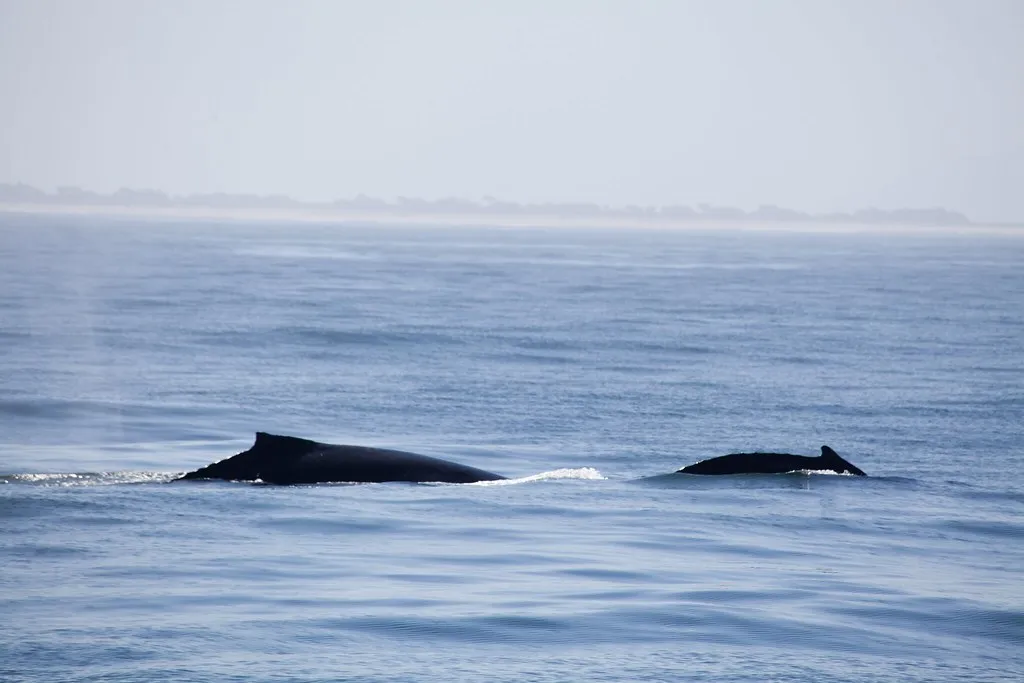
Five-star whale-watching operations in locations like Southern California see wildlife nearly 95% of the time, making whale sightings spectacular throughout the day, though morning tours carry a few specific advantages. That figure reflects how dramatically the odds shift in your favor when you choose a reputable operator in a high-traffic whale corridor during peak season.
While whale sightings can never be guaranteed, many tour operators offer a sightings guarantee, allowing you to go on another tour for free if you don’t see any whales on the first trip. In the end, the best whale-watching tour time usually comes down to convenience and travel plans rather than wildlife behavior, and both morning and afternoon tours regularly encounter whales. Choosing the right operator, the right season, and the right region will always count for more than picking the perfect hour.
The Takeaway for Every Serious Whale Watcher
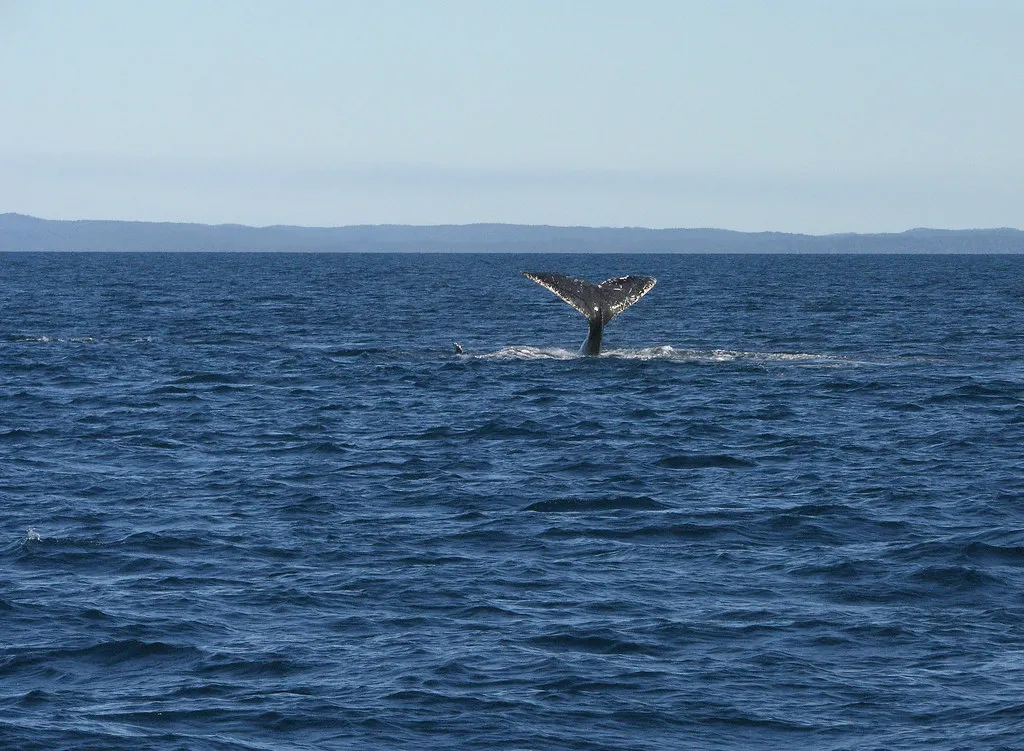
If there is a single practical conclusion drawn from captains, guides, and researchers across multiple coastlines, it is this: mid-morning to early afternoon generally offers the most favorable conditions, thanks to calmer seas and optimal sunlight, and this period often coincides with peak whale activity due to feeding patterns and favorable tides. That window, roughly from 9:00 a.m. to noon, represents the sweet spot where sea conditions, light quality, and prey behavior align most reliably.
Early morning whale-watching tours also often have fewer participants, creating a more intimate and less crowded experience. For travelers who care about both the quality of the sighting and the quality of the moment, that quieter atmosphere is its own kind of reward. The ocean doesn’t follow a schedule, but it does have rhythms, and the captains who know them best set out early for a reason.
AI Disclaimer: This article was created with the assistance of AI tools and reviewed by a human editor.