
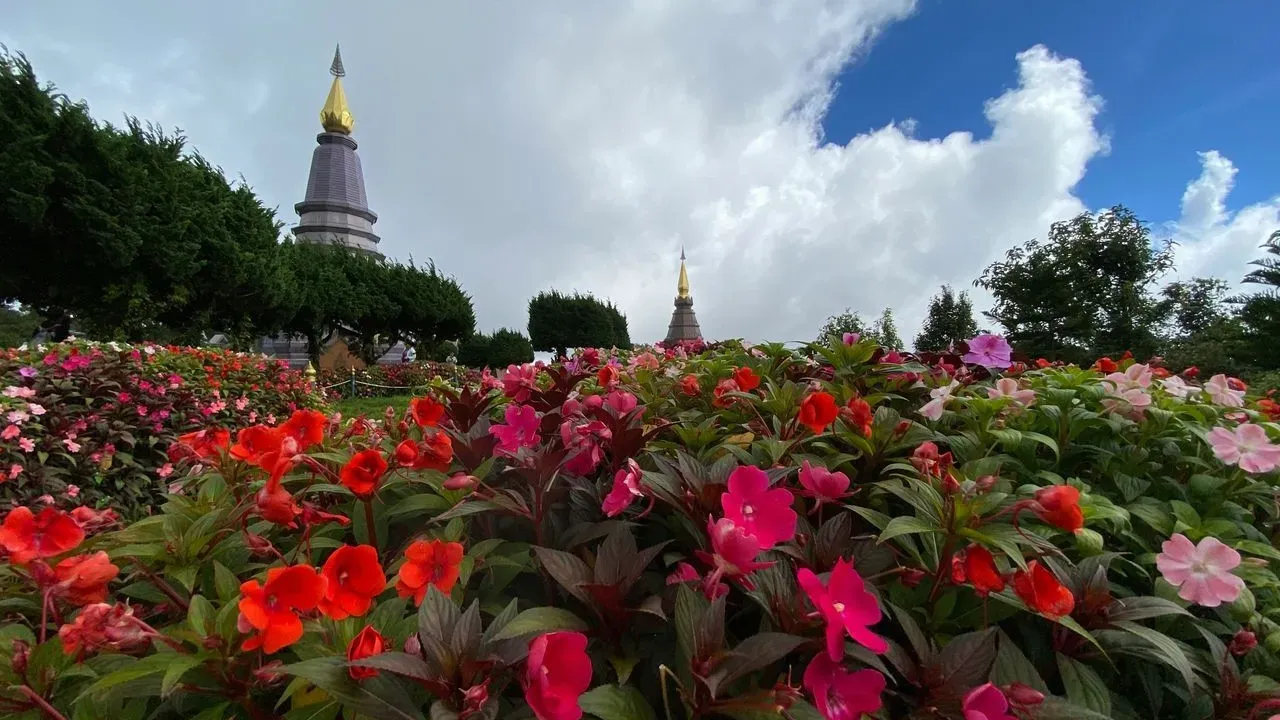

Chiang Mai occupies a singular place in Thailand, one shaped by centuries of Lanna heritage and a setting of forested mountains that still feel close at hand. The late King Bhumibol Adulyadej, who reigned until 2016, held the city in special regard, and repeated visits make clear why the affection ran so deep. Over twelve journeys spanning more than a decade, the layers of temple life, craft traditions, and daily rhythms have revealed themselves gradually, each trip adding nuance rather than repetition.
A City Anchored in Royal Affection
The connection to the late king lends Chiang Mai a quiet dignity that lingers in its public spaces and temple grounds. Locals speak of his visits with warmth, and the city’s role as a northern capital continues to shape its identity today. This history is not displayed as spectacle but felt in the careful preservation of wooden architecture and the measured pace of ceremonies that still mark the calendar.
Travelers who return notice how the royal legacy encourages a deeper form of respect from visitors. Markets and workshops maintain traditions that predate modern tourism, and the emphasis remains on continuity rather than performance. The result is an atmosphere that rewards patience and repeated presence over hurried checklists.
The Lanna Heart of the Old City
Within the moated square of the Old City, more than three hundred temples stand as living records of Lanna craftsmanship. Morning alms rounds and evening chanting create a soundtrack that changes little from season to season. Walking these lanes at different times of day shows how the same streets serve both residents and visitors without losing their essential character.
Handicraft neighborhoods nearby continue to produce silverwork, lacquerware, and textiles using techniques passed through generations. Studios welcome observers who linger, and many artisans are happy to explain the steps that turn raw materials into objects of daily use and ritual significance. These encounters accumulate meaning across multiple visits, turning casual appreciation into genuine understanding.
Mountains That Shape Daily Life
The surrounding highlands rise quickly from the city’s edges, offering trails that range from gentle valley walks to steeper ascents through teak forests. Hill-tribe communities maintain distinct customs while participating in the broader regional economy, and responsible operators now emphasize small-group visits that support local schools and reforestation projects. The landscape itself changes with the monsoon cycle, turning rice terraces vivid green before harvest and revealing misty ridges in the cooler months.
Returning travelers often find that the mountains serve as a natural calendar. Each season brings different flowers, fruits, and festivals, and the same viewpoint can feel transformed after only a few months away. This rhythm encourages visitors to plan returns rather than single trips, deepening both appreciation and the desire to tread lightly.
Where Heritage Meets Contemporary Life
Modern Chiang Mai integrates its past without freezing it in time. Night markets and riverside cafés sit comfortably beside historic temples, and a growing number of chefs reinterpret northern recipes with ingredients sourced from nearby farms. Universities and design studios attract young professionals who value the city’s balance of affordability, creativity, and cultural depth.
Over repeated stays, the interplay between old and new becomes the city’s most compelling quality. Coffee roasters operate in restored teak houses, galleries showcase both traditional motifs and contemporary Lanna-inspired work, and community initiatives focus on waste reduction and temple restoration. These developments arise from local priorities rather than external trends, giving the city an authenticity that endures beyond any single visit.
What matters now
Chiang Mai continues to reward travelers who approach it with time and attention. Its blend of royal history, living Lanna culture, and mountain setting offers a model of purposeful travel that respects both heritage and the present-day community.
Twelve visits have shown that Chiang Mai does not reveal itself fully on first acquaintance. Instead, it invites a slower, more attentive form of exploration that aligns with the values of cultural respect and sustainability. Those who return find not only familiar places but an evolving relationship with a city that remains, above all, deeply itself.
AI Disclaimer: This article was created with the assistance of AI tools and reviewed by a human editor.