

Communities along the northern Gulf Coast are taking measured steps to prepare for Tropical Storm Bertha, which is expected to make landfall in a lightly populated stretch of southeastern Louisiana on Wednesday night. The storm’s primary concerns center on coastal flooding and strong winds rather than widespread destruction. Travelers planning time along the Florida Panhandle, Alabama, Mississippi, and Louisiana shores will encounter temporary restrictions at many beaches and should adjust their itineraries accordingly.
Storm Position and Forecast Details
Early Wednesday, Bertha sat roughly 60 miles west-southwest of Pascagoula, Mississippi, drifting westward at 5 mph with sustained winds near 50 mph. Forecasters at the National Hurricane Center anticipate landfall later that evening southeast of New Orleans, where the main hazards will be wind-driven water and localized heavy rain. A tropical storm warning covers the coastline from the Florida Panhandle westward through Morgan City, Louisiana, including the New Orleans metropolitan area and Lake Pontchartrain.
Storm surge heights could reach four feet in parts of Louisiana between the Mississippi River mouth and the Alabama-Mississippi line, with smaller rises expected farther east. Rainfall totals of two to four inches are likely across the warned region, with isolated higher amounts that could produce urban flash flooding. The system is projected to weaken once it moves inland toward Texas.
Beach Access and Coastal Preparations
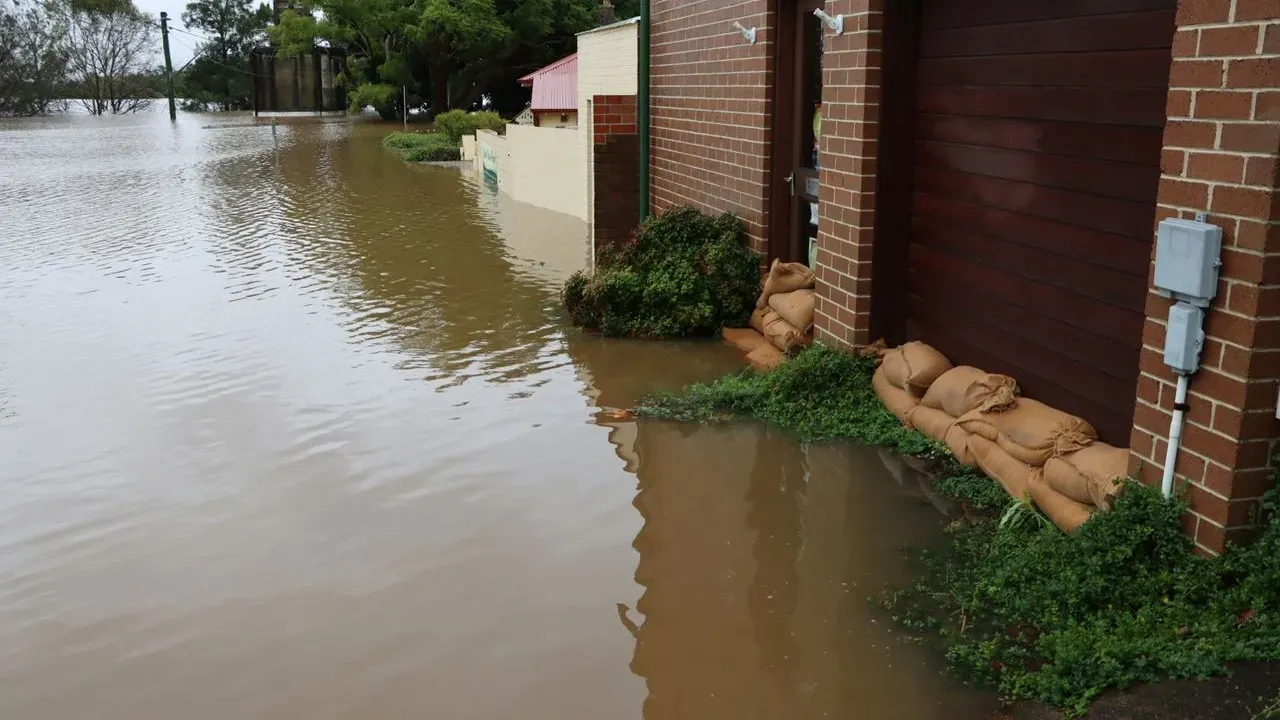
Double red flags now fly along many Gulf beaches, signaling that swimming is prohibited due to dangerous rip currents. Red flag warnings have also been posted in several areas to alert visitors about the surf conditions. Sandbag distribution sites opened in Mississippi, Louisiana, and Florida so residents can protect property ahead of potential minor flooding.
Beaches near Pensacola remained largely empty of swimmers on Wednesday morning, though a few visitors stopped to photograph the heavy surf. Local businesses reported steady foot traffic from travelers seeking indoor activities while waiting for conditions to improve. Officials emphasized that these measures are standard precautions rather than indications of severe threat.
Practical Guidance for Travelers
Visitors already in the region or considering last-minute trips should monitor local advisories and respect all posted beach closures. Checking with county emergency management offices provides the most current information on sandbag availability and any temporary road restrictions. Many restaurants and shops remain open, offering alternatives when outdoor plans are disrupted.
Those with flexible schedules may find value in shifting inland or to higher-ground activities until the storm passes. Rental properties and hotels continue to operate normally in most areas, though guests are encouraged to confirm policies directly with properties. The focus remains on safety and flexibility rather than cancellation.
Seasonal Context and Regional Resilience
Bertha marks the second named storm of the Atlantic season, following Tropical Storm Arthur in June. Coastal counties in Mississippi that experienced flooding from Arthur are paying particular attention this time, with additional sandbag sites activated in Harrison County. Local spokespeople note that residents are accustomed to monitoring tropical systems and taking sensible precautions.
The National Oceanic and Atmospheric Administration has projected a below-average Atlantic season overall. That outlook does not remove the possibility of impactful storms, yet it underscores the importance of staying informed through official channels. Communities along the Gulf have long experience balancing tourism with seasonal weather awareness.
Looking Ahead for Responsible Travel
Once Bertha moves through, most beach restrictions are expected to lift quickly, allowing visitors to return to the shoreline with renewed appreciation for the region’s natural beauty. Travelers who build flexibility into their plans often discover unexpected pleasures, such as quieter mornings or conversations with locals who share stories of coastal life. Checking updated forecasts and supporting businesses that remain open during the brief disruption helps sustain the communities that welcome visitors year-round.
Thoughtful preparation turns a passing weather event into an opportunity to travel with greater awareness and care. The Gulf Coast continues to offer its distinctive blend of history, cuisine, and shoreline experiences to those who arrive ready to adapt.
AI Disclaimer: This article was created with the assistance of AI tools and reviewed by a human editor.