
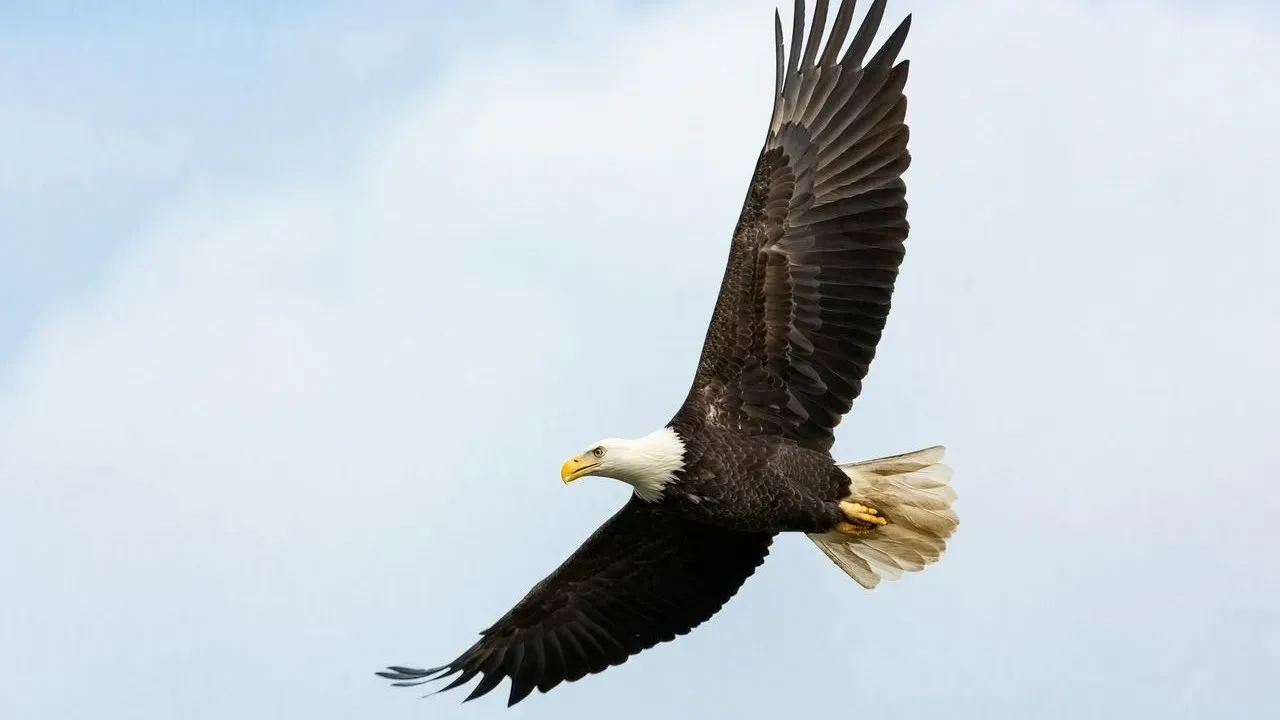

Big Bear Lake, California – The recent passing of Jackie, the bald eagle whose daily life drew steady attention from viewers across the country through live cameras, has quietly directed attention to a federal process that governs how the remains of these protected birds are handled. Rather than a private memorial or local display, Jackie’s remains are slated for transfer to a national repository that distributes eagle parts to federally recognized Native American tribes for traditional and ceremonial purposes. This outcome reflects long-standing law and practice that balances wildlife protection with cultural needs.
The Federal Process at Work
Under current U.S. regulations, bald eagles and golden eagles receive strict protection, and their remains follow a defined route once recovered. The National Eagle Repository, operated by the U.S. Fish and Wildlife Service, serves as the central collection point. From there, feathers, talons, and other parts are made available to enrolled members of federally recognized tribes who apply through established channels for religious or cultural use.
The system exists because eagle feathers and parts hold specific significance in many tribal traditions, yet the birds themselves remain off-limits for private possession outside narrow exceptions. Jackie’s case follows this established pathway, ensuring the remains reach the repository for eventual distribution rather than remaining with any single individual or location.
Big Bear Lake as a Place of Quiet Observation
Big Bear Lake has long attracted visitors who come specifically to watch bald eagles in their natural setting. The area’s mix of high-elevation forest, open water, and winter roosting sites creates reliable viewing opportunities, especially during colder months when eagles concentrate near the lake. Travelers who arrive with patience and proper distance can witness these birds without disturbing nesting or feeding routines.
Responsible visitors follow simple practices that protect both the eagles and the surrounding habitat. Staying on designated trails, keeping a respectful distance from roosts, and avoiding flash photography or loud activity help maintain the conditions that allow eagles to thrive. Many local outfitters and visitor centers provide guidance on ethical viewing that aligns with broader conservation goals.
Connecting Travel with Cultural Awareness
The decision to route Jackie’s remains through the federal repository underscores a broader principle: wildlife protections in the United States have evolved to recognize both ecological needs and the cultural practices of Indigenous nations. Travelers who spend time in eagle country can deepen their experience by learning about these intersecting priorities before or during their visit. A short list of practical steps supports this approach:
– Review current viewing guidelines from the U.S. Fish and Wildlife Service or local land managers before heading into the field.
– Support businesses and organizations that emphasize low-impact wildlife tourism and habitat stewardship.
– Seek out educational resources from tribal nations or cultural centers that explain the significance of eagle parts in traditional contexts.
– Consider the timing of a trip to coincide with periods when eagles are most visible yet least vulnerable to disturbance.
These choices allow visitors to engage with the landscape in ways that honor both the birds and the communities connected to them.
What Matters Now
Jackie’s story illustrates how a single, well-documented wild bird can illuminate layers of policy, culture, and place. For those planning time in the San Bernardino Mountains, the episode offers a reminder that travel to wildlife destinations carries an implicit responsibility to understand the full context of the species being observed. The repository system itself continues to operate as it has for decades, channeling protected remains toward their intended cultural recipients while maintaining the legal framework that safeguards eagle populations overall. Visitors who approach Big Bear Lake with this awareness return home with a richer sense of the connections that extend beyond any single sighting.
AI Disclaimer: This article was created with the assistance of AI tools and reviewed by a human editor.