
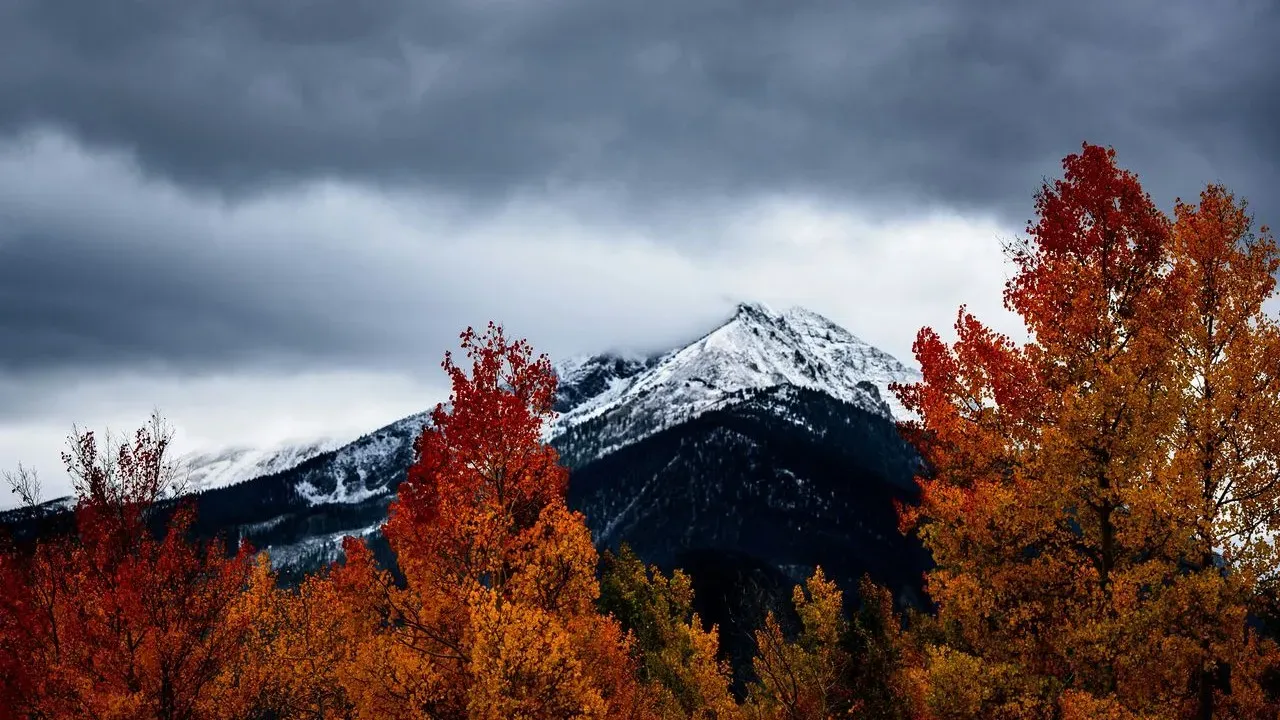

Sauk Mountain, Washington – The switchback trail that climbs this 5,500-foot peak in northwestern Washington has long drawn hikers seeking sweeping views and a manageable yet rewarding day on the mountain. Recent incidents on the route have prompted renewed attention to trail conditions and preparation. A popular destination just over four miles round-trip, the path remains a favorite for those who approach it with care and respect for its demands.
The Enduring Appeal of Sauk Mountain
Sauk Mountain sits in a region prized for its rugged beauty and accessible wilderness. The trail offers hikers a direct ascent through forested slopes that open to panoramic vistas of the North Cascades. Many visitors return season after season because the route delivers substantial elevation gain without requiring multi-day commitments or advanced technical skills.
The mountain’s popularity stems from its proximity to communities in Skagit County and its reputation as a classic Pacific Northwest outing. Clear days reward those who reach the summit with expansive sights across valleys and distant peaks. This combination of challenge and reward keeps the trail on many hikers’ lists year after year.
Recent Events on the Trail
Two separate incidents occurred on the mountain over a recent weekend. One hiker was found unresponsive on a steep section of the trail, while another fell from a switchback the following day. Authorities responded to both situations, and the events have led to wider discussion among hikers and land managers about conditions along the route.
The Washington Trails Association has noted that the path is steep and narrow in places, with some sections showing erosion where previous visitors cut across switchbacks. These observations align with the mountain’s long history of attracting both experienced and newer hikers who must navigate its exposed edges carefully.
Understanding Switchback Terrain and Conditions
Switchbacks on Sauk Mountain serve an important purpose by moderating the steep grade, yet they also create sections where footing requires steady attention. Erosion from off-trail shortcuts can narrow the tread and increase exposure in certain spots. Hikers familiar with the route often emphasize staying on the established path to maintain the intended safety margins.
Weather can change quickly at elevation, turning dry rock into slick surfaces and reducing visibility. Proper footwear with good traction, trekking poles for balance, and an awareness of one’s own limits become especially relevant on this terrain. The trail’s remote stretches also mean that help, when needed, may take time to arrive.
Practical Steps for a Responsible Visit
Preparation begins well before reaching the trailhead. Checking current conditions through official sources, such as the Washington Trails Association or local ranger stations, provides the most reliable updates on trail status and any temporary advisories. – Start early to allow ample daylight for both ascent and descent.
– Carry the ten essentials, including navigation tools, extra layers, and sufficient water.
– Hike with a partner or inform someone of your planned itinerary and return time.
– Stay on the maintained tread and avoid cutting switchbacks to protect both the trail and your own safety.
– Turn around if conditions feel beyond your experience or equipment.
These measures support not only individual safety but also the long-term stewardship of a trail that many people value. Sauk Mountain continues to offer meaningful outdoor experiences for those who plan thoughtfully and travel responsibly. Awareness of its specific characteristics helps ensure that future visits remain rewarding for the entire hiking community.
AI Disclaimer: This article was created with the assistance of AI tools and reviewed by a human editor.