
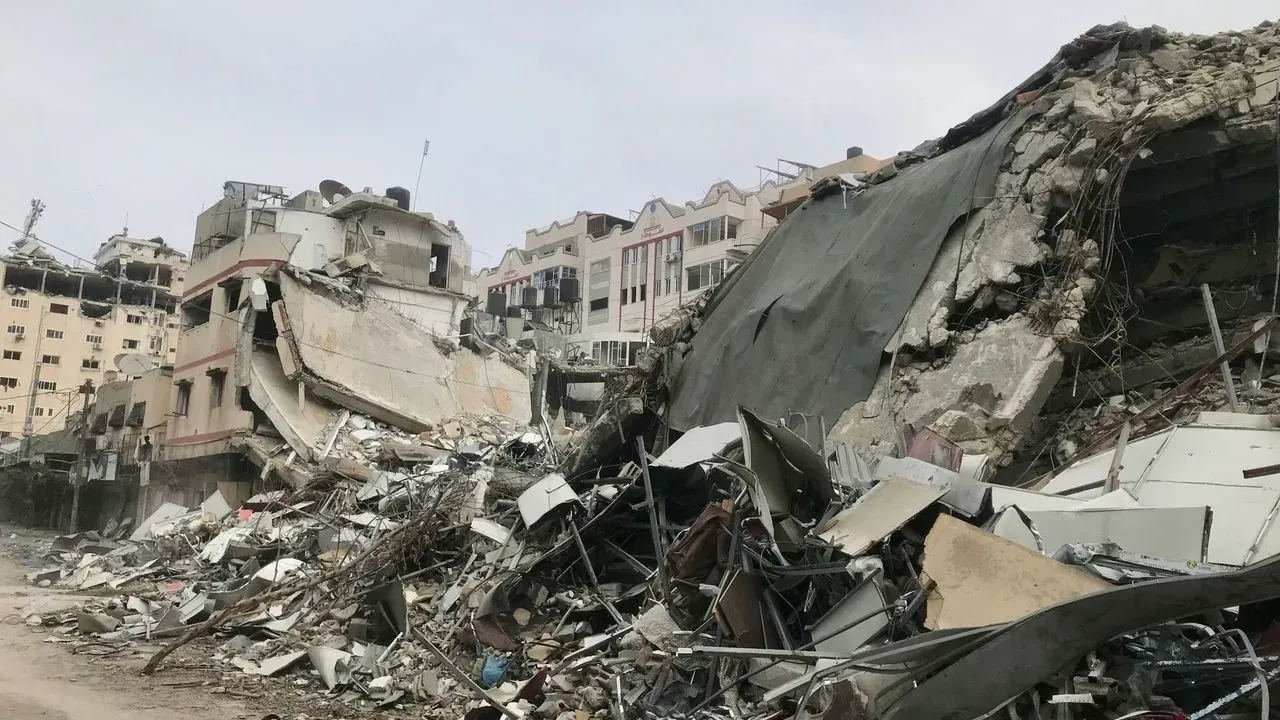

California continues to draw millions of visitors each year to its vibrant cities, dramatic coastlines, and iconic natural landscapes. A recent development from researchers at a public university in the state adds a layer of scientific context that can support more informed trip planning. Their work focuses on identifying areas where some of the largest earthquakes are statistically more likely to occur. This information arrives at a time when awareness and preparation form part of thoughtful travel to any seismically active region. ([1])
The Scientific Advance
The researchers describe a method designed to highlight zones with elevated potential for major seismic events. Rather than claiming precise forecasts of when or exactly where quakes will strike, the approach narrows attention to locations where such events have historically clustered or where geological conditions suggest higher likelihood. This distinction matters because earthquake science remains probabilistic, not deterministic. Travelers benefit from understanding the difference between long-term risk mapping and short-term prediction. The technique draws on established data sets and modeling to refine existing hazard assessments. Public universities in California have long contributed to seismic research, and this effort builds on that foundation. By concentrating on the biggest events, the work offers a clearer picture of where resources for monitoring and building standards might receive priority attention. The result is incremental progress rather than a complete overhaul of current understanding.
Relevance for Visitors
For those planning journeys to San Francisco, Los Angeles, the Central Coast, or inland parks, the findings provide background rather than cause for alarm. California’s appeal lies in its diverse offerings, from urban cultural centers to protected wilderness areas, and millions visit safely each year. Knowing that certain corridors carry higher statistical likelihood for significant shaking allows travelers to incorporate basic preparedness steps into their routines. Responsible visitors often review hotel or rental safety information, note evacuation routes in advance, and keep a small kit with essentials such as water, a flashlight, and medications. These habits align with practices recommended for any destination that experiences occasional natural events. The new research simply sharpens the geographic focus of that general awareness.
Practical Steps Grounded in Awareness
Preparation begins with reliable sources. State and federal agencies maintain up-to-date guidance on earthquake readiness, including how to secure belongings in lodging and what to do during shaking. Many hotels and visitor centers already provide brief orientation materials on local hazards. Incorporating a few minutes to review these resources fits naturally into the early days of a trip. Travelers can also consider timing and flexibility. Longer stays in one location allow more opportunity to settle into local routines and learn community practices. Shorter visits benefit from choosing accommodations that follow current seismic building codes, a standard that has strengthened over decades in California. None of these considerations require altering itineraries; they simply add a layer of mindfulness.
Looking Forward
Scientific understanding of earthquakes evolves through steady, collaborative effort. The California researchers’ contribution represents one step in an ongoing process that includes monitoring networks, engineering improvements, and public education. For visitors, the most constructive response remains measured awareness paired with appreciation for the state’s remarkable landscapes and communities. As travel plans take shape, this context serves as one more element in the broader picture of exploring California responsibly. The destination’s enduring draw rests on its natural beauty, cultural richness, and the care taken by those who live and work there. Informed travelers contribute to that continuity by arriving prepared and leaving with deeper respect for the place.
AI Disclaimer: This article was created with the assistance of AI tools and reviewed by a human editor.